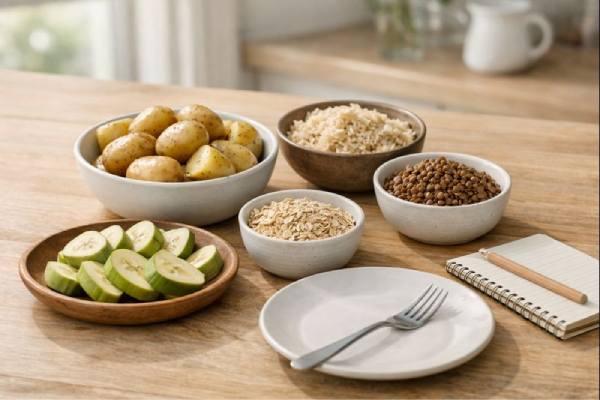
Some of the most powerful “energy” upgrades are not stimulants at all. They are digestive signals that smooth blood sugar, calm inflammation, and help your brain interpret the day with a little more steadiness. Resistant starch is a unique kind of carbohydrate that behaves more like fiber: it escapes digestion in the small intestine and becomes food for beneficial gut microbes in the colon. In return, those microbes produce short-chain fatty acids that support the gut lining, metabolic health, and the gut-brain axis. The result, for many people, is less of the sharp “up and down” feeling after meals and a more reliable baseline of energy. Mood benefits are often subtle but meaningful, especially when resistant starch is used to stabilize appetite, sleep timing, and stress resilience. The key is to choose the right foods, prepare them correctly, and increase them gradually so your gut can adapt.
Key Insights You Can Use Today
- Resistant starch can support steadier energy by blunting big post-meal glucose swings and improving satiety.
- By feeding gut microbes, it can increase short-chain fatty acids linked to gut barrier support and inflammation balance.
- If you increase resistant starch too quickly, gas and bloating can overshadow benefits for 1–2 weeks.
- Cook-and-cool methods (for potatoes, rice, and pasta) are a practical way to raise resistant starch without special products.
- Start low and build slowly: a small daily serving is often more effective than occasional large doses.
Table of Contents
- Resistant starch explained
- How it supports mood and energy
- Best resistant starch foods
- How to eat more without discomfort
- A simple two-week routine
- Who should go slower
Resistant starch explained
Resistant starch is starch that “resists” digestion in the small intestine. Instead of being broken down quickly into glucose, it travels to the large intestine where gut microbes ferment it. That fermentation is the main reason resistant starch is discussed alongside prebiotic fibers: it is less about calories and more about the downstream signals created in the gut.
Why it is different from regular starch
Most starches (think hot white rice or fresh bread) are rapidly digested and absorbed. Resistant starch, by contrast, behaves more like soluble fiber: it can slow the overall glucose impact of a meal, increase fullness, and create metabolites that help regulate gut and immune function. You do not need to “avoid carbs” to benefit from resistant starch; you are simply choosing a carb structure that is gentler on your system.
The main types you will meet in real life
You do not need to memorize the categories, but they help explain why preparation matters:
- Physically trapped starch (often called RS1): starch locked inside intact grains or seeds, such as partly intact whole grains or legumes. Chewing and milling reduce this effect.
- Naturally resistant granules (RS2): starch granules that resist digestion until they are cooked, such as green bananas and some high-amylose starch sources.
- Retrograded starch (RS3): starch that becomes more resistant after cooking and cooling. This is the most practical category for everyday eating.
- Modified starches (RS4 and others): starches altered in processing; these can appear in some packaged foods.
For most households, RS3 is the “unlock.” When you cook potatoes, rice, or pasta and then cool them, part of the starch re-forms into a structure your enzymes have a harder time breaking down. You can eat it cold, or reheat it gently; many people still retain some resistant starch after reheating.
What benefits to expect, realistically
Resistant starch is not a quick fix. Many people notice the most obvious changes in appetite and digestive regularity first. Energy and mood shifts, when they occur, tend to show up as fewer afternoon slumps, less “hangry” irritability, and a calmer baseline rather than a dramatic boost. It helps to think of resistant starch as infrastructure: it supports the system that supports you.
How it supports mood and energy
Mood and energy are not only brain events. They are whole-body outcomes shaped by blood sugar stability, inflammation tone, sleep quality, and gut comfort. Resistant starch touches several of these at once, which is why it can feel “quietly helpful” when it works.
Steadier glucose, steadier energy
Meals that digest quickly can produce a strong rise in blood glucose followed by a sharper drop. Some people feel that drop as fatigue, brain fog, cravings, or irritability. Resistant starch can soften these swings by slowing how quickly carbohydrate is digested and absorbed, especially when paired with protein, healthy fats, and additional fiber. The practical benefit is often fewer urgent snack cravings and a more reliable afternoon energy curve.
Short-chain fatty acids and the gut-brain axis
When microbes ferment resistant starch, they produce short-chain fatty acids such as acetate, propionate, and butyrate. These compounds help maintain the gut lining, influence immune signaling, and interact with gut hormones involved in appetite and glucose regulation. A well-supported gut barrier can matter for mood because inflammatory signals and stress hormones tend to rise when the gut is irritated or permeable. While diet cannot replace mental health care, supporting a calmer inflammatory baseline can make emotional regulation easier for some people.
Appetite stability and emotional steadiness
Many mood “swings” are actually fuel swings. If a person’s breakfast is light and their lunch is fast-digesting, they may not have stable energy by late afternoon. Resistant starch can be a useful tool for appetite rhythm because it tends to increase fullness without requiring a large meal volume. When hunger is less urgent, decision-making improves and reactivity often decreases. This is not a personality change; it is physiology.
Sleep and next-day resilience
Evening meals that cause reflux, bloating, or blood sugar volatility can fragment sleep. Better sleep supports mood and focus the next day. Resistant starch is not a sleep supplement, but if it helps you build dinners that are filling without being heavy, it can indirectly support sleep timing and quality. Many people do best when resistant starch is added earlier in the day and their evening meal remains comfortable and predictable.
A useful mental model is “signals, not magic.” Resistant starch helps create signals your body interprets as safety and steadiness: adequate fuel, a calmer gut, and fewer metabolic surprises. Those signals can support mood and energy in a way that feels stable rather than stimulating.
Best resistant starch foods
The best resistant starch foods are the ones you can repeat. Instead of chasing perfect grams, focus on a small set of options that fit your digestion, schedule, and preferences. Resistant starch content varies by variety, ripeness, cooking method, and storage time, so consistency matters more than precision.
Cook-and-cool staples (the easiest upgrades)
These foods are familiar, affordable, and flexible:
- Potatoes (cooked and cooled): boil, roast, or steam, then chill for several hours or overnight. Use in potato salad, breakfast hash, or as a side. Gentle reheating is fine if it stays comfortable for you.
- Rice (cooked and cooled): cook, cool, and use for grain bowls, fried rice, or chilled rice salads. This is especially useful if rice normally spikes your appetite.
- Pasta (cooked and cooled): pasta salads can be a practical way to keep a meal satisfying while reducing the “sleepy” feeling some people get from hot pasta alone.
A simple rule: cook, cool, and store safely. Refrigerate promptly and use within a reasonable time window to reduce food safety risk.
Legumes and intact grains
Legumes provide a blend of resistant starch and other fermentable fibers:
- Lentils, chickpeas, black beans, and white beans: use in soups, stews, salads, or blended dips.
- Pearled barley, steel-cut oats, and other intact grains: these often provide a slower-digesting starch profile than highly milled grains.
If beans cause bloating, start with smaller portions, choose well-cooked preparations, and consider rinsing canned beans. Your gut often adapts over 1–2 weeks.
Green banana and plantain options
- Green bananas and green banana flour: greener fruit tends to be higher in resistant starch than ripe fruit. In smoothies, a slightly green banana can work well if you tolerate it.
- Green plantains: can be cooked as savory sides. As they ripen, their starch converts to sugars, and resistant starch decreases.
When supplemental resistant starch is considered
Some people use high-amylose starch products to raise resistant starch more predictably. This can be helpful when food-based options are limited, but it is also more likely to cause gas if introduced too quickly. For most readers, food-first is the best starting point. If you do use a powder, treat it like a gradual training plan rather than a one-day leap.
In practice, the best resistant starch diet looks ordinary: a cooled potato side twice a week, beans in two lunches, and chilled rice used for a few meal-prep bowls. Small, repeatable changes build the steady baseline you are aiming for.
How to eat more without discomfort
The most common reason people quit resistant starch is not lack of benefit. It is digestive discomfort. Fermentation is the point, but if you move too fast, you can create more gas than your gut is ready to process. The solution is not to abandon the idea; it is to increase in a way that respects adaptation.
Start with a “resistant starch ladder”
Use a stepwise approach for 10–14 days:
- Week 1, small daily exposure: choose one source (for example, a small serving of cooled rice or a few tablespoons of lentils) once per day.
- Week 2, add a second source or a second serving: keep portions moderate and spread them across the day rather than stacking them at night.
- Only then consider larger portions: if your gut feels calm, increase gradually.
If you jump from near-zero to multiple large servings, bloating and cramps can drown out the benefits and make the experiment feel like a failure.
Use preparation to make foods easier
- Choose cooked vegetables over large raw salads when increasing fermentable carbs.
- Prefer soups, stews, and well-cooked legumes early on.
- Rinse canned beans and start with lentils, which many people find easier than larger beans.
- Pair resistant starch with protein and fat for better glucose stability and satisfaction.
Time it for your day, not just your plate
If fermentation makes you gassy, avoid introducing your largest serving right before an important meeting or bedtime. Many people do best with resistant starch earlier in the day, then a simpler dinner that prioritizes comfort and sleep.
Know the difference between adaptation and intolerance
Mild gas for a few days can be normal during adaptation. Warning signs that mean you should reduce the dose or pause include:
- Significant abdominal pain
- Diarrhea that persists
- Reflux worsening noticeably
- Sleep disruption from discomfort
- Anxiety around eating because symptoms feel unpredictable
If you have IBS or a history of food sensitivity, “micro-doses” can still be useful. Even small servings can feed beneficial microbes over time. The win is not maximum fermentation; it is comfortable, consistent progress toward steadier energy and mood.
A simple two-week routine
If you want clarity without overthinking, use a two-week plan that tests whether resistant starch supports your energy and mood. This is not a strict diet. It is a structured way to learn your personal response.
Step 1: Pick two repeatable meals
Choose two meals you can repeat at least four times over two weeks:
- A lunch bowl: cooled rice or barley, protein (chicken, tofu, tuna, beans), and cooked vegetables with olive oil.
- A bean-based meal: lentil soup, chickpea salad, or a bean chili with a modest portion.
Repetition reduces noise. If every day is different, it is harder to see what is working.
Step 2: Set a realistic serving goal
Aim for one resistant starch serving daily in week one, then two servings daily in week two if digestion is calm. A “serving” can be:
- A moderate side portion of cooked-and-cooled potato, rice, or pasta
- A small to moderate portion of beans or lentils
- A slightly green banana if that fits your tolerance
Keep the goal simple enough that you can follow it even on a busy day.
Step 3: Track the outcomes that matter
Use a quick daily check-in:
- Morning energy (0–10)
- Afternoon slump intensity (0–10)
- Cravings between meals (0–10)
- Mood steadiness (0–10)
- Gut comfort (0–10)
- Sleep quality (optional, 0–10)
You are looking for patterns, not perfection. Many people notice appetite steadiness first, then energy, then mood.
Step 4: Adjust one lever at a time
If you are bloated, reduce portion size and keep frequency. If energy is improving but you still crash after lunch, increase the protein at that meal and keep resistant starch steady. If mood is steadier but sleep worsens, shift more resistant starch earlier in the day and simplify dinner.
Step 5: Lock in the minimum effective routine
After two weeks, decide what is worth continuing:
- If you feel noticeably steadier, keep one daily resistant starch habit as a baseline.
- If results are mixed, keep the parts that help (often cook-and-cool starches) and reduce the parts that irritate your gut (often large legume portions).
- If nothing changes, consider whether sleep, meal timing, or overall fiber intake is the bigger lever for you.
A good routine is one you can do on an average week, not only on your best week.
Who should go slower
Resistant starch is generally safe as a food pattern, but it is not equally comfortable for everyone. Certain conditions make “start low and go slow” more than a suggestion.
If you have IBS or frequent bloating
Fermentable fibers can worsen symptoms during flare-ups. You may still benefit from resistant starch, but micro-servings and careful timing matter. Start with gentler sources (well-cooked lentils, cooled rice in small portions) and avoid stacking multiple fermentable foods at the same meal. If symptoms escalate quickly, pause and consider clinician-guided strategies.
If you suspect SIBO or have unexplained GI symptoms
If you have persistent bloating, pain, nausea, or unpredictable diarrhea or constipation, do not use resistant starch as a self-treatment. Fermentable substrates can worsen symptoms in some cases. A medical evaluation can help identify whether you are dealing with an infection, inflammation, malabsorption, or another issue that needs targeted care.
If you have diabetes or use glucose-lowering medication
Many people use resistant starch to support steadier glucose, but dietary changes can alter medication needs over time. If you use insulin or medications that can cause hypoglycemia, monitor how you feel and consider checking glucose more frequently when changing carbohydrate patterns. The goal is steadiness, not surprise lows.
If you have a history of disordered eating
Any nutrition strategy can become overly rigid. If tracking and restriction increases anxiety or control behaviors, prioritize a gentle, food-first approach and involve professional support. Microbiome support should improve quality of life, not reduce it.
If you are pregnant or have special medical needs
Food-based resistant starch (beans, cooled grains, potatoes) is typically fine, but large supplemental doses are not a good idea without clinician guidance. Pregnancy can also change gut motility and reflux, which affects tolerance.
The bottom line: resistant starch is most helpful when it is comfortable. If your gut is calm, your energy steadier, and your mood less reactive, you are doing it right. If your digestion is constantly irritated, the microbiome “plan” is not serving you, and it is time to slow down or seek personalized guidance.
References
- Resistant starch and the gut microbiome: Exploring beneficial interactions and dietary impacts 2024 (Review)
- Effects of resistant starch on glycaemic control: a systematic review and meta-analysis 2021 (Systematic Review and Meta-Analysis)
- Fiber intake and fiber intervention in depression and anxiety: a systematic review and meta-analysis of observational studies and randomized controlled trials 2024 (Systematic Review and Meta-Analysis)
- The efficacy of probiotics, prebiotics, and synbiotics on anxiety, depression, and sleep: a systematic review and meta-analysis of randomized controlled trials 2025 (Systematic Review and Meta-Analysis)
- Short-Chain Fatty-Acid-Producing Bacteria: Key Components of the Human Gut Microbiota 2023 (Review)
Disclaimer
This article is for educational purposes and does not provide medical advice, diagnosis, or treatment. Nutrition needs vary by age, health conditions, medications, and individual tolerance. If you have diabetes treated with medications that can cause low blood sugar, chronic gastrointestinal symptoms, inflammatory bowel disease, suspected SIBO, or a history of disordered eating, consider clinician guidance before making major dietary changes. Seek medical care promptly for severe abdominal pain, persistent diarrhea, unintended weight loss, blood in stool, or significant sleep disruption related to digestive symptoms.
If you found this article useful, please consider sharing it on Facebook, X (formerly Twitter), or any platform you prefer so others can explore practical ways to support steadier mood and energy.