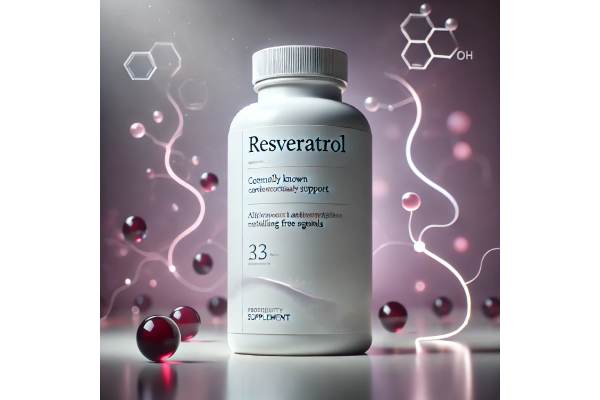
Resveratrol is a natural compound most people associate with red wine, grapes, and certain berries, but it is also available as a concentrated supplement. Over the last two decades it has attracted attention for potential roles in heart health, metabolic balance, inflammation control, and even healthy aging. At the same time, human studies show mixed results, and high doses are not risk-free.
This guide walks you through what resveratrol is, how it works, when it may help, and where the evidence is still uncertain. You will also find practical information on typical supplement forms, dosage ranges studied in humans, and important safety considerations. The aim is not to “sell” resveratrol, but to give you a balanced, science-grounded overview so you can have a better conversation with your healthcare professional about whether it belongs in your personal plan.
Key Insights for Using Resveratrol
- Resveratrol is a polyphenol found in grapes, berries, peanuts, and Japanese knotweed, often used for heart, metabolic, and healthy aging support.
- Human studies suggest modest benefits for blood pressure, some blood lipids, and selected markers of inflammation, mostly at higher daily doses.
- Typical supplemental intake in studies ranges from about 100 mg to 1,000 mg per day; many commercial products provide 100–500 mg per serving.
- High doses may cause digestive upset and can interact with medications such as blood thinners or drugs processed by the liver.
- Individuals who are pregnant, breastfeeding, on anticoagulants, or with hormone-sensitive conditions should avoid self-supplementation without medical supervision.
Table of Contents
- What is resveratrol exactly?
- What are the main health benefits?
- How does resveratrol work in the body?
- How to take resveratrol supplements
- Resveratrol dosage guidelines and ranges
- Side effects, risks, and who should avoid it
- What does current research actually show?
What is resveratrol exactly?
Resveratrol is a plant-derived polyphenol belonging to a group of compounds called stilbenes. Plants produce it as part of their natural defense system against environmental stress, fungi, and injury. You will find resveratrol in the skins of red grapes, certain berries (such as blueberries and cranberries), peanuts, and the root of Japanese knotweed, which is the most common industrial source for supplements.
In foods, resveratrol is present in relatively small amounts. A glass of red wine, for example, usually contains only a few milligrams at most. By contrast, supplements provide concentrated doses, commonly in the range of 100–500 mg per capsule or tablet. Because of this gap, the effects seen in supplement studies may not be directly comparable to those from diet alone.
Resveratrol is best known as a potential contributor to heart and vascular health, sometimes mentioned in discussions of the “French paradox.” It has also been explored for metabolic conditions such as type 2 diabetes and metabolic syndrome, for non-alcoholic fatty liver disease, and for age-related changes in blood vessels, brain, and joints. However, the strength of evidence differs across these areas, and many findings are preliminary or inconsistent.
An important practical detail is that resveratrol has low oral bioavailability. It is absorbed in the gut but is rapidly metabolized in the liver and intestines, which means only a small fraction circulates in its free (unmodified) form. Newer formulations try to address this limitation using techniques such as micronization, nanocarriers, or combination with other ingredients, but these technologies are still being evaluated.
Overall, resveratrol is best viewed as a bioactive compound with interesting properties and modest, context-dependent effects in humans, not as a miracle molecule.
What are the main health benefits?
Resveratrol’s proposed health benefits span several systems, but most human research focuses on cardiometabolic health and markers of inflammation and oxidative stress. The potential benefits can be grouped into a few practical categories.
For cardiovascular health, resveratrol has been studied for its impact on blood pressure, vascular function, and lipid profile. Some clinical trials and pooled analyses report modest reductions in systolic and diastolic blood pressure, particularly in individuals with metabolic syndrome or type 2 diabetes. Improvements in endothelial function (how well blood vessels dilate) have also been observed in some, but not all, studies. Effects on LDL cholesterol and triglycerides are inconsistent, with some trials reporting small improvements and others showing neutral results.
In metabolic health, resveratrol has been investigated for effects on insulin sensitivity, fasting glucose, and waist circumference. In people with type 2 diabetes or metabolic syndrome, certain trials suggest better insulin sensitivity and small reductions in fasting glucose or HbA1c when resveratrol is used as an add-on to standard therapy. However, other well-designed studies show no meaningful improvement, especially in individuals who are not severely insulin resistant at baseline.
Resveratrol’s antioxidant and anti-inflammatory actions may also support liver health, especially in non-alcoholic fatty liver disease. Some controlled trials indicate reductions in liver enzymes and inflammatory markers, although results again vary by dose, duration, and patient population.
Beyond cardiometabolic outcomes, research has explored cognitive function, bone health, and exercise performance. A few small studies in older adults suggest possible benefits for cerebral blood flow and certain aspects of memory, while others do not confirm these findings. Evidence for bone density and muscle performance remains exploratory.
Taken together, resveratrol appears most promising for modest improvements in selected cardiovascular and metabolic markers in people who already have risk factors, when used in adequately dosed, sustained programs. It is less likely to produce dramatic changes in healthy individuals.
How does resveratrol work in the body?
Resveratrol acts on multiple pathways rather than a single target, which partly explains both its broad potential and the variability of results between studies. Its mechanisms are best understood in three overlapping areas: oxidative stress, inflammation, and cellular energy regulation.
First, resveratrol functions as an antioxidant, both directly and indirectly. Directly, it can neutralize reactive oxygen species in test-tube experiments. Indirectly, it appears to increase the activity of endogenous antioxidant enzymes such as superoxide dismutase and glutathione peroxidase in some human and animal studies. This dual action may help reduce oxidative damage in blood vessels and metabolic organs, although real-world impact depends on dose, duration, and individual status.
Second, resveratrol influences inflammatory signaling. It has been shown to modulate transcription factors and signaling molecules involved in inflammation, which may lower levels of inflammatory markers like C-reactive protein or certain cytokines in selected conditions. The anti-inflammatory effect is one reason resveratrol is of interest in metabolic syndrome, non-alcoholic fatty liver disease, and cardiovascular disease.
Third, resveratrol interacts with pathways related to energy metabolism and cellular stress responses. It has been linked to activation of sirtuin 1 (SIRT1) and AMP-activated protein kinase (AMPK), which are involved in mitochondrial function, glucose and lipid metabolism, and cellular resilience. These pathways are also associated with caloric restriction and longevity in experimental models, contributing to resveratrol’s reputation as a “healthy aging” compound. However, the translation of these mechanisms from cells and animals to meaningful human outcomes is still under study.
Resveratrol also affects nitric oxide production and endothelial function, which can influence vascular tone and blood pressure. Some data suggest favorable changes in arterial stiffness and microcirculation, though again, findings are not uniform.
Finally, because resveratrol is metabolized extensively, its effects may depend on the activity of gut microbiota and liver enzymes. Metabolites might have their own bioactivity, adding another layer of complexity. This means individuals can respond differently, even at the same dose, depending on genetics, gut health, diet, and concurrent medications.
How to take resveratrol supplements
Resveratrol supplements come in several forms, including capsules, tablets, powders, and liquid drops. Most products use trans-resveratrol, the isomer considered more biologically active than cis-resveratrol. Japanese knotweed (Polygonum cuspidatum) is a common botanical source, so you will often see it listed on labels.
For general use, resveratrol is typically taken orally once or twice daily. Because it is fat-soluble and rapidly metabolized, many experts suggest taking it with food that contains some fat to support absorption. Dividing higher daily doses into two or more servings may help reduce digestive discomfort.
When evaluating a product, consider these points:
- Dose per serving: Many commercial supplements provide 100–500 mg of resveratrol per capsule. Compare this with dosages studied in human trials, which often range from 100 mg to 1,000 mg per day.
- Formulation: Some products combine resveratrol with other polyphenols (such as quercetin) or with ingredients intended to improve bioavailability. While these combinations are promising, they can also raise the potential for interactions, and data on specific blends are limited.
- Standardization and purity: Look for products that specify the amount of trans-resveratrol and provide third-party testing or quality certifications where possible.
- Single-ingredient versus blends: If your aim is to understand how resveratrol affects you, a simpler formula may be easier to interpret.
Resveratrol is sometimes stacked with other supplements for “longevity” or metabolic support, such as nicotinamide riboside, berberine, or omega-3 fatty acids. Because several of these can affect the same pathways (for example, liver enzymes or platelet function), it is important not to build complex regimens without professional guidance.
Always factor in your existing medical conditions and medications. People on anticoagulants, antiplatelet agents, drugs for blood pressure or diabetes, and certain chemotherapy agents should discuss resveratrol use with their prescribing clinician before starting any supplement.
Finally, remember that resveratrol is best viewed as an adjunct, not a replacement, for core lifestyle strategies such as diet, activity, sleep, and medication adherence.
Resveratrol dosage guidelines and ranges
There is no universally accepted “standard dose” of resveratrol, but clinical studies offer practical ranges. The most frequently studied daily doses in adults fall between 100 mg and 1,000 mg of trans-resveratrol, usually taken for periods from 4 weeks to 12 months.
Lower doses around 100–250 mg per day are common in products marketed for general health or “cellular support.” These amounts are closer to levels explored in some preventive or wellness-oriented protocols, although long-term outcome data are still limited. For individuals without diagnosed metabolic or cardiovascular disease, many practitioners prefer to stay within this lower band unless there is a specific, evidence-based reason to use more.
Intermediate doses around 300–500 mg per day are often used in studies of metabolic syndrome, type 2 diabetes, or non-alcoholic fatty liver disease as an add-on to usual care. At these levels, some trials have observed modest improvements in blood pressure, insulin sensitivity, or certain inflammatory markers, while others report neutral results.
Higher doses in the range of 750–1,000 mg per day (and occasionally above) have been used in short-term trials to probe stronger metabolic or vascular effects, as well as in oncology or neurodegenerative research. At these higher doses, gastrointestinal side effects such as nausea, abdominal discomfort, and diarrhea are more frequent, and concerns about potential liver enzyme elevations or drug interactions become more relevant.
A reasonable, cautious framework for adults, under medical supervision, might look like this:
- Start with the lowest effective dose that aligns with your goal, often 100–250 mg per day.
- Reassess after several weeks to months, focusing on tolerability and any measurable markers your clinician is monitoring (for example, blood pressure or lab tests).
- Avoid escalating beyond 500–1,000 mg per day without clear clinical rationale and laboratory monitoring, especially if you are taking other medications.
Children, adolescents, pregnant or breastfeeding individuals, and people with significant liver or kidney disease should not use resveratrol supplements unless specifically directed and monitored by a specialist, since safety data are limited in these groups.
Side effects, risks, and who should avoid it
Resveratrol is generally well tolerated at low to moderate doses in healthy adults, but that does not mean it is risk-free. Most reported side effects are mild and involve the digestive system. At daily intakes above a few hundred milligrams, some people experience nausea, stomach pain, bloating, or diarrhea. These symptoms usually resolve when the dose is reduced or the supplement is discontinued.
At higher doses or in sensitive individuals, changes in liver enzymes have been observed in some trials. For this reason, people with pre-existing liver disease or those taking other potentially hepatotoxic medications should only use resveratrol under medical supervision, with appropriate monitoring.
Resveratrol can also influence blood clotting and platelet function. Although the magnitude of this effect in typical supplement doses is not fully defined, there is enough concern that individuals taking anticoagulant or antiplatelet medications (such as warfarin, direct oral anticoagulants, or daily aspirin for established cardiovascular disease) should be cautious. Combining resveratrol with these medications could theoretically increase bleeding risk.
Another consideration is hormone-sensitive conditions. Resveratrol can interact with estrogen receptors in complex ways, showing both estrogen-like and anti-estrogenic activity depending on context. Because of this, people with a history of hormone-sensitive cancers, significant gynecological conditions, or those using hormone therapies should consult their specialist before using resveratrol.
Groups that should avoid self-supplementation include:
- Pregnant and breastfeeding individuals, due to insufficient safety data.
- Children and adolescents, except within clinical research settings.
- People scheduled for surgery, who may be advised to stop resveratrol and other supplements that affect clotting well in advance.
- Anyone on complex medication regimens, particularly involving blood thinners, chemotherapy, or drugs extensively metabolized by the liver.
Even in otherwise healthy adults, it is wise to introduce resveratrol gradually, monitor for symptoms such as digestive changes, bruising, or unusual fatigue, and keep your healthcare team informed about all supplements you use.
What does current research actually show?
Resveratrol research has moved from cell and animal models to an increasing number of human trials and systematic reviews. The overall picture is nuanced: there are genuine signals of benefit in some areas, but effects are usually modest and variable.
For cardiometabolic health, several recent systematic reviews and meta-analyses of randomized controlled trials indicate that resveratrol may reduce systolic and diastolic blood pressure in people with metabolic syndrome, type 2 diabetes, or high cardiometabolic risk. Glucose control and insulin sensitivity sometimes improve, particularly in those with poorer metabolic status at baseline, but many trials show small or no effects, especially in well-controlled diabetes or non-diabetic populations.
Lipid results are mixed. Some analyses describe small reductions in total cholesterol or LDL cholesterol and potential improvements in HDL cholesterol, while others report neutral findings or even slight increases in triglycerides under certain conditions. Such heterogeneity likely reflects differences in dose, duration, background therapy, and sample size.
Human trials in non-alcoholic fatty liver disease have shown encouraging changes in liver enzymes and some imaging markers in selected studies, but again with variability. Evidence for benefits in neurocognitive function, exercise performance, and bone health is promising but still preliminary and based on relatively small sample sizes.
Large comprehensive reviews of clinical trials emphasize several key themes:
- Resveratrol is biologically active in humans, influencing markers of oxidative stress, inflammation, and vascular function.
- Benefits, when present, are usually modest and more evident in higher-risk groups rather than healthy volunteers.
- Not all trials are positive; some rigorously conducted studies fail to show meaningful improvements in primary outcomes.
- Dose, formulation, and baseline health status are important modifiers of response.
Importantly, long-term outcome data on hard endpoints such as heart attacks, strokes, cancer incidence, or overall mortality are lacking. Most studies are relatively short (weeks to months) and focus on surrogate markers. As things stand, resveratrol should be considered a potentially useful adjunct for specific metabolic or vascular contexts, not a proven disease-modifying therapy.
Future research is likely to clarify which subgroups benefit most, what dosing strategies are optimal, and how resveratrol fits into broader nutritional and pharmacological strategies.
References
- Resveratrol Effects on Metabolic Syndrome Features: A Systematic Review and Meta-Analysis 2024 (Systematic Review and Meta-Analysis)
- Resveratrol for the Management of Human Health: How Far Have We Come? A Systematic Review of Resveratrol Clinical Trials to Highlight Gaps and Opportunities 2024 (Systematic Review)
- Potential Adverse Effects of Resveratrol: A Literature Review 2020 (Literature Review, Safety)
- Health Effects of Resveratrol: Results from Human Intervention Trials 2017 (Systematic Review of Human Trials)
Disclaimer
The information in this article is for general educational purposes only and is not intended to provide medical advice, diagnosis, or treatment. Resveratrol may not be safe or appropriate for everyone, especially individuals with existing medical conditions, those taking prescription or over-the-counter medications, or those who are pregnant or breastfeeding. Always consult a qualified healthcare professional before starting, stopping, or changing any supplement, medication, or health regimen. Never disregard professional medical advice or delay seeking it because of something you have read here.
If you found this article helpful, you are warmly invited to share it with others on Facebook, X (formerly Twitter), or any platform you prefer, and to follow our work on social media. Your support through thoughtful sharing helps our team continue to produce careful, evidence-informed health content.