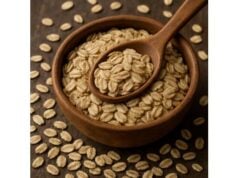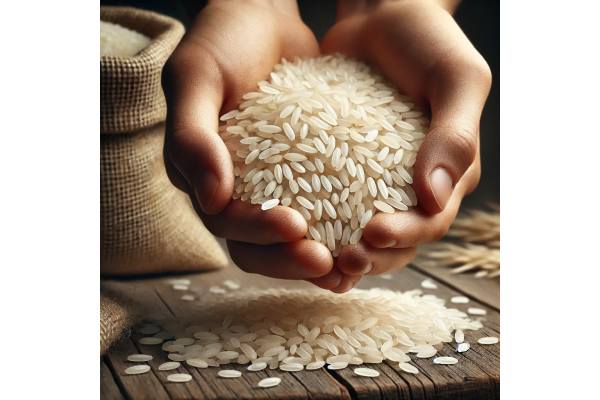
Rice is one of the world’s most adaptable staple foods. It brings reliable energy, pairs well with almost every cuisine, and ranges from delicate long-grain pilafs to creamy risottos and sticky sushi rice. Beyond taste and texture, rice can fit many goals: brown rice offers fiber, B vitamins, and minerals; parboiled rice cooks fluffy and resists overcooking; white rice digests quickly and is gentle on sensitive stomachs or pre-workout meals. Like any staple, smart choices matter—variety, portion size, and cooking method shape both nutrition and safety. You will find practical guidance below on how rice compares across types, how to cook it for the results you want, how to store it safely, and how to manage concerns such as arsenic and reheating risks. Whether you are feeding a family on a budget, training hard, or building balanced plant-forward meals, this guide shows exactly how to use rice well.
Top Highlights
- Brown and parboiled rice supply more fiber and minerals than most white rice; white rice is often enriched with iron, thiamin, niacin, and folic acid.
- Typical cooked serving: ½ cup (100–125 g) as a side or 1 cup (180–200 g) as a main; enjoy 1–2 servings per day within a varied grain pattern.
- Safety note: cool cooked rice quickly and refrigerate within 1 hour; reheat until steaming hot and avoid reheating more than once.
- If limiting arsenic, vary grain choices, choose lower-arsenic rice (e.g., some basmati/jasmine sources), and use excess-water methods occasionally.
- People who should limit or take extra care: infants relying on rice cereal, those with chronic kidney disease needing mineral control, and anyone with a diagnosed rice allergy.
Table of Contents
- Rice Detailed Overview
- Rice Nutrition Profile
- Evidence-Based Health Benefits of Rice
- Rice Risks, Allergies and Interactions
- Choosing Rice: Quality, Sustainability and Storage
- Rice Preparation, Cooking and Nutrient Retention
- Rice Portions, Comparisons and FAQs
Rice Detailed Overview
Rice (Oryza sativa and Oryza glaberrima) is the primary calorie source for more than half of the world’s population. Its versatility reflects the structure of the grain and how it is processed:
- Whole vs refined: Brown rice retains the bran and germ, preserving fiber, essential minerals (such as magnesium, manganese, and selenium), and B vitamins. White rice has the bran and germ removed; in many countries it is enriched (iron, thiamin, niacin, folic acid) to restore key nutrients.
- Grain length and texture:
- Long-grain (e.g., basmati, many jasmine varieties) cooks separate and fluffy due to higher amylose.
- Medium-grain (e.g., many paella rices) balances tenderness with slight stickiness.
- Short-grain (e.g., sushi rice) is soft and sticky, ideal when cohesion matters.
- Processing styles:
- Parboiled rice is soaked, steamed, and dried before milling. This moves water-soluble nutrients from the bran into the kernel and produces separate, firm grains with less stickiness.
- Converted is a legacy term often used interchangeably with parboiled.
- Instant rice is fully cooked and dehydrated; it reheats fast but has a softer bite and slightly lower nutrient density by weight.
- Specialty types: Black (“forbidden”), red, and purple rice are pigmented whole-grain varieties rich in plant pigments (anthocyanins and proanthocyanidins). Wild rice (Zizania spp.) is a different aquatic grass with a nuttier taste and more protein per cooked cup.
Culinary roles and pairing: Rice’s neutral flavor makes it the backbone for stir-fries, curries, grain bowls, sushi, jambalaya, dolma, and soups. In sports nutrition and clinical settings, plain white rice often serves as a low-fiber, easily digestible carbohydrate. For cardiometabolic goals or digestive regularity, brown or parboiled rice can deliver more fiber and minerals per bite.
Key considerations for smart use:
- Match type to task. Choose high-amylose long-grain or parboiled for fluffy pilaf; short-grain for sushi and onigiri; arborio or carnaroli for creamy risotto.
- Balance the plate. Rice is mostly carbohydrate; pair with legumes, fish, eggs, tofu, or lean meats and a generous portion of vegetables to improve protein quality, fiber, and micronutrients.
- Safety matters. Proper cooling, refrigeration, and thorough reheating are essential for leftovers (detailed in Section 4), and arsenic management is prudent for heavy rice eaters or infants (also covered in Section 4 and 6).
Rice Nutrition Profile
How to read these tables: Values below are per 100 g (dry, uncooked) for long-grain brown rice—a useful baseline for whole-grain rice. Enriched white rice and parboiled rice differ; enrichment adds iron and B vitamins, and parboiling shifts some nutrients into the kernel. Cooked values will be lower per 100 g due to water absorption.
Macros and Electrolytes (per 100 g, brown long-grain, raw)
| Nutrient | Amount | %DV* |
|---|---|---|
| Energy | 370 kcal | — |
| Carbohydrate | 77.2 g | 28% |
| Dietary Fiber | 3.5 g | 13% |
| Total Sugars | ~1.0 g | — |
| Protein | 7.9 g | 16% |
| Total Fat | 2.9 g | 4% |
| Saturated Fat | 0.58 g | 3% |
| Sodium | 7 mg | <1% |
| Potassium | 223 mg | 5% |
| Water | ~12 g | — |
*%DV uses U.S. adult Daily Values (carb 275 g; fiber 28 g; protein 50 g; fat 78 g; saturated fat 20 g; sodium 2,300 mg; potassium 4,700 mg).
Carbohydrates
| Component | Amount (per 100 g) |
|---|---|
| Starch (approx.) | ~72–73 g |
| Sugars (mostly sucrose) | ~1.0–1.2 g |
| Fiber | 3.5 g |
Notes: Starch type varies by variety. Higher amylose (common in many long-grains, including some basmati) tends to cook drier and has a more moderate glycemic impact; lower amylose (short-grain) cooks stickier.
Fats and Fatty Acids
| Component | Amount (per 100 g) |
|---|---|
| Total Fat | 2.9 g |
| Saturated Fat | 0.58 g |
| Monounsaturated Fat | ~1.06 g |
| Polyunsaturated Fat (predominantly linoleic, omega-6) | ~1.04 g |
Protein and Amino Acids (overview)
| Metric | Value |
|---|---|
| Protein | 7.9 g / 100 g |
| Limiting essential amino acid | Lysine (common to cereal grains) |
| Practical tip | Combine rice with legumes, eggs, dairy, tofu, or meats to boost total essential amino acids and overall protein quality. |
Vitamins (selected)
| Vitamin | Amount (per 100 g) | %DV |
|---|---|---|
| Thiamin (B1) | ~0.40 mg | 33% |
| Riboflavin (B2) | ~0.09 mg | 7% |
| Niacin (B3) | ~5.1 mg | 32% |
| Vitamin B6 | ~0.51 mg | 30% |
| Folate (DFE) | ~20 µg | 5% |
| Vitamin E | ~0.6 mg | 4% |
Enrichment: Many white rice products are fortified with iron, thiamin, niacin, and folic acid; check the label for exact amounts.
Minerals (selected)
| Mineral | Amount (per 100 g) | %DV |
|---|---|---|
| Magnesium | ~143 mg | 34% |
| Phosphorus | ~333 mg | 27% |
| Manganese | ~3.74 mg | 163% |
| Zinc | ~2.0 mg | 18% |
| Copper | ~0.30 mg | 33% |
| Selenium | ~23 µg | 42% |
| Potassium | 223 mg | 5% |
| Calcium | ~23 mg | 2% |
Allergens and Intolerance Markers
- Naturally gluten-free (caution for cross-contact in mixed facilities).
- Rare rice allergy can occur; symptoms resemble other grain allergies (see Section 4).
- Generally low-FODMAP in typical servings, so often well tolerated in sensitive digestion.
Anti-nutrients and Bioactives
- Phytic acid in the bran can bind minerals. Soaking, fermenting, sprouting, or eating vitamin-C-rich foods with rice-based meals can support mineral absorption.
- Pigmented rices (black, red, purple) provide polyphenols (anthocyanins, proanthocyanidins) with antioxidant activity.
Contaminants and Residues (snapshot)
- Inorganic arsenic can be present in rice due to soil and water conditions. Variety, growing region, and processing affect levels. Practical risk-management appears in Sections 4 and 6.
Evidence-Based Health Benefits of Rice
1) Reliable, flexible energy for active days
Rice is a compact, affordable carbohydrate that fuels work, sports, and recovery. White rice is easy to digest before or after training. Brown and parboiled rice deliver slower energy with extra fiber and minerals—useful for steady blood sugar and satiety when paired with protein and vegetables.
2) Whole-grain rice supports cardiometabolic patterns
When you swap refined grains for whole-grain options, you typically increase fiber, magnesium, potassium, and polyphenols—nutrients associated with better blood pressure control and improved insulin sensitivity. Brown rice’s mineral profile (notably magnesium and manganese) and fiber content help build those patterns at mealtime. Choosing beans or lentils with rice improves protein quality and further raises fiber.
3) Glycemic management through type and method
Glycemic impact varies with variety (amylose content), processing (parboiled vs regular), cooking (firm vs soft), and serving temperature. Strategies that often reduce glucose spikes include:
- Choosing parboiled or higher-amylose long-grain rice when the dish allows.
- Cooking just to tenderness (not overly soft) and cooling then reheating some or all of the rice for dishes like fried rice or meal-prep bowls; cooling increases resistant starch, which is less rapidly digested.
- Combining rice with protein, fats, and high-fiber vegetables.
4) Micronutrient contributions vary by type
- Brown rice adds notable magnesium, phosphorus, manganese, zinc, and selenium alongside B vitamins (B1, B3, B6).
- Enriched white rice helps supply iron, thiamin, niacin, and folic acid—useful in pregnancy-capable diets that need consistent folate intake.
- Parboiled rice tends to retain more inherent B vitamins after milling compared with standard white rice.
5) Digestive comfort and special diets
White rice’s low fiber and mild taste make it a mainstay during brief gastro-intestinal recovery phases, low-residue diets, or high-training-load days. For people managing IBS with low-FODMAP plans, rice often fits well as the grain base, allowing other nutrient-dense foods to round out the meal.
What about diabetes risk?
Population studies overall suggest that higher intakes of white rice—especially in some regions where portions are large and accompaniments are low in fiber—are associated with higher type 2 diabetes risk. Dietary patterns matter: when rice is balanced with vegetables, legumes, lean proteins, and whole grains (including swapping in brown or parboiled rice regularly), glycemic responses and long-term risk markers tend to improve.
Bottom line: Rice can be health-promoting inside a balanced plate. Choose the right type for the dish and your goals, pair it wisely, and use the preparation strategies in Section 6 to fine-tune glycemic response.
Rice Risks, Allergies and Interactions
1) Inorganic arsenic
Rice can accumulate inorganic arsenic from soil and water. This is primarily a long-term exposure concern, not an acute toxicity risk from occasional meals. Practical steps you can take:
- Diversify grains (quinoa, oats, wheat berries, barley, bulgur, buckwheat, maize polenta, millet, sorghum).
- Vary rice types and sources. Some regions and varieties (e.g., certain basmati or jasmine) tend to have lower levels; product testing and brand sourcing differ.
- Use excess-water methods periodically (see Section 6) to reduce arsenic for dishes where texture allows.
- Infants: Rice cereal should not be the only grain offered; vary infant cereals to reduce exposure.
2) Reheating safety: Bacillus cereus
Spores of Bacillus cereus can survive cooking and multiply if rice cools slowly at room temperature. The heat-stable toxin is not reliably destroyed by typical reheating. Safe handling rules:
- Cook only what you can cool promptly.
- Spread on a tray or portion into shallow containers; refrigerate within 1 hour.
- Keep chilled portions no longer than about 24 hours if you plan to reheat.
- Reheat until steaming hot throughout; avoid reheating more than once.
- If rice smells off or looks slimy, discard.
3) Allergies and intolerance
Rice allergy is uncommon but documented. Symptoms resemble other grain allergies (hives, itching, wheeze, GI symptoms). Cross-reactivity with grass pollens can occur. Seek evaluation for suspected reactions; emergency care is essential for anaphylaxis.
4) Digestive or medical conditions
- Celiac disease/gluten sensitivity: Plain rice is gluten-free; cross-contact can occur in mixed facilities or in flavored packaged rice products—check labels.
- Chronic kidney disease: Some people need to moderate potassium and phosphorus; your renal dietitian can individualize portions and grain choices.
- Diabetes or insulin resistance: See Section 6 for practical methods to lower glycemic impact (type choice, cooling/reheating, and meal composition).
5) Drug interactions
Rice itself has no common medication interactions. However, large swings in carbohydrate intake can influence insulin dosing or timing for people using insulin or certain diabetes medications. Coordinate changes with your care team.
Practical perspective: Sensible variety, mindful storage, and good cooking technique mitigate most rice-related risks while preserving its culinary value.
Choosing Rice: Quality, Sustainability and Storage
Selecting quality rice
- Match grain to dish:
- Fluffy pilaf or biryani: higher-amylose long-grain (e.g., basmati) or parboiled.
- Sticky bowls and sushi: short-grain Japanese-style sushi rice.
- Creamy risotto: arborio, carnaroli, or vialone nano (medium-grain).
- Inspect the bag: Grains should be intact, not chalky or cracked. Minimal broken grains mean more even cooking.
- Check labels:
- “Whole grain” guarantees bran and germ are intact.
- “Enriched” white rice adds back iron and B vitamins (thiamin, niacin, folic acid).
- “Parboiled” signals firmer, separate grains and better vitamin retention after milling.
- Specialty choices: Black, red, or purple rice bring deeper flavor and added polyphenols.
Sustainability pointers
- Support producers using water-efficient irrigation and integrated pest management.
- Diversify your grain basket (oats, barley, millet, quinoa, sorghum) to spread environmental load and reduce potential heavy-metal exposure.
- Choose bulk packaging when practical, and store well to minimize waste.
Storage and shelf life
- Uncooked white rice: cool, dry, dark place in airtight containers; up to ~2 years for best quality.
- Uncooked brown rice: the natural oils in the bran can go rancid; store airtight in a cool pantry up to ~6 months, refrigerate or freeze to extend to 12 months+.
- Cooked rice: cool quickly, refrigerate within 1 hour in shallow containers. For best safety and texture, use within 24 hours if reheating.
- Freezing cooked rice: portion while still slightly warm (to release steam), seal well, and freeze up to 1–2 months; reheat directly from frozen with a splash of water.
Quality troubleshooting
- Gummy long-grain? Rinse more thoroughly and reduce water next time; consider parboiled.
- Dry or hard centers? Rest the cooked pot 10–15 minutes covered; next time, add a little more water or extend simmer by a minute or two.
- Off aromas in brown rice? Rancidity from warm storage—switch to cold storage and buy smaller quantities.
Rice Preparation, Cooking and Nutrient Retention
Rinsing and soaking
- Rinsing removes surface starch for fluffier long-grain rice; it has minimal effect on arsenic and may wash away added iron and B vitamins from enriched white rice. If you value enrichment, limit vigorous rinsing.
- Soaking (20–60 minutes for many long-grains) promotes even hydration, shortens cooking time, and can improve texture. For brown rice, a longer soak (1–3 hours) softens bran and yields a more tender result.
Core cooking methods
- Absorption (most common)
- Rinse (as desired), add a measured water ratio, simmer covered until water is absorbed, then rest off heat 10 minutes.
- Typical starting ratios:
- White long-grain: 1 cup rice : 1.5–1.75 cups water
- Brown long-grain: 1 cup rice : 2–2.25 cups water
- Parboiled: 1 cup : 1.75–2 cups
- Best for everyday bowls and pilaf-style dishes.
- Pilaf method
- Lightly sauté rinsed, well-drained rice in a little oil with aromatics, then add hot liquid and simmer.
- Produces separated, flavorful grains.
- Excess-water (pasta-style)
- Boil rice in plenty of water, then drain and steam dry briefly.
- Pros: Can reduce inorganic arsenic meaningfully; texture is forgiving.
- Cons: Leaches water-soluble nutrients—especially from enriched white rice. A good occasional method when arsenic reduction is a priority.
- Pressure cooker or rice cooker
- Delivers consistent results. Keep warm settings should be used judiciously; for safety, avoid leaving cooked rice for hours on warm.
- Steaming for sticky rice
- Soak glutinous rice (which is naturally gluten-free despite the name), then steam in a lined basket for chewy, cohesive grains.
Retaining nutrients and optimizing glycemic impact
- For brown rice, avoid aggressive rinsing and overcooking to preserve B vitamins and minerals.
- If you prefer white rice but want steadier blood sugar, use parboiled or higher-amylose long-grain types, cook just-tender, and cool then reheat some or all of the batch (great for fried rice and meal prep). Cooling increases resistant starch, which is less rapidly digested.
- Build the plate: pair rice with beans, vegetables, and a quality protein to slow digestion and improve micronutrient density.
- For infants and toddlers, rotate cereals and grains rather than relying solely on rice-based products.
Flavor boosters that add nutrition
- Simmer with low-sodium stock, infuse with aromatics (garlic, ginger, bay, citrus peel), or toss cooked grains with chopped herbs, toasted nuts/seeds, lemon juice, and olive oil.
- Stir cooked brown rice into soups and salads to raise fiber without changing the dish’s identity.
Rice Portions, Comparisons and FAQs
Portion guidance
- Cooked side portion: ½ cup (100–125 g) alongside a protein and vegetables.
- Cooked main-dish portion: ~1 cup (180–200 g) within a grain bowl, stir-fry, or curry.
- Athletes or high-energy days: Adjust upward to meet carbohydrate targets; white rice pre- or post-workout is often easiest to digest.
- Diabetes management: Favor smaller portions of parboiled or brown rice, combine with protein and non-starchy vegetables, and consider cooling/reheating strategies to increase resistant starch.
Quick comparisons (per cooked cup, general ranges)
- White long-grain: lower fiber; often enriched (iron, thiamin, niacin, folic acid); soft and neutral; higher glycemic impact.
- Parboiled: firmer, less sticky; tends toward a lower glycemic impact than standard white; micronutrients better retained after milling.
- Brown: chewy, nutty; more fiber and minerals (magnesium, manganese, phosphorus, selenium) than unenriched white.
- Pigmented rices: extra polyphenols; flavor is heartier.
- Wild rice (Zizania): more protein and fiber per cup but different species; cooks longer and pairs well with mushrooms, nuts, and game.
Budget and convenience tips
- Buy in bulk and store correctly (airtight; cool pantry or freezer for brown rice).
- Cook once, use twice: plan a fresh rice night (e.g., curry) and a reheat-once night (e.g., fried rice) within 24 hours, following the safety rules in Section 4.
- For ultra-fast meals, keep frozen portions of cooked rice—microwave with a splash of water.
FAQs
- Is white rice “unhealthy”? No. It’s a refined grain with fewer inherent nutrients than brown rice, but enriched white rice replaces key B vitamins and iron, and it serves a role when low fiber is desired. Balance your plate and vary whole grains across the week.
- How can I lower arsenic from rice? Rotate grains; choose varieties and sources known for lower arsenic when possible; and use excess-water cooking and draining when texture allows. For infants, rotate cereals (oat, barley, multigrain).
- Is rice gluten-free? Yes, rice itself is gluten-free. Watch for cross-contact and added ingredients in mixes and flavored products.
- What about reheating? Cool quickly, refrigerate within 1 hour, reheat until steaming hot, and avoid reheating more than once.
- Which rice is best for athletes? White long-grain or jasmine before/after training for quick energy; brown or parboiled at other meals for more minerals and fiber.
References
- USDA FoodData Central 2025
- Arsenic in Food 2024
- White rice, brown rice and the risk of type 2 diabetes 2022 (Systematic Review)
- Influence of resistant starch resulting from the cooling of rice on postprandial glycemia in type 1 diabetes 2022 (RCT)
- Can reheating rice cause food poisoning? 2020
Disclaimer
This guide is for general education and is not a substitute for personalized medical advice. Nutrition and safety needs differ by age, health status, medications, and goals. If you have a medical condition (such as diabetes, celiac disease, chronic kidney disease, or food allergies), consult a qualified healthcare professional or registered dietitian for individualized guidance.
If you found this helpful, consider sharing it with a friend or on Facebook or X to support our work in creating accurate, practical nutrition guides. Thank you.