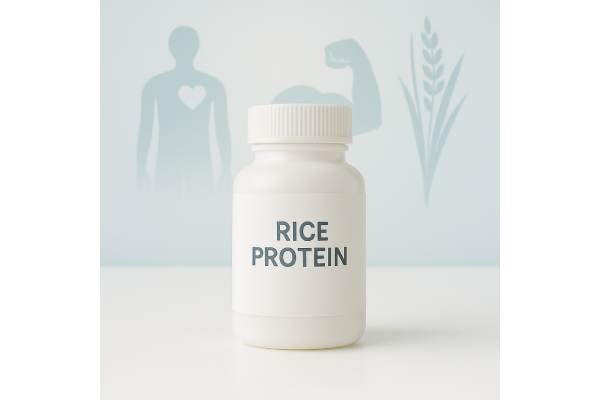
Rice protein has moved from niche vegan shelves into mainstream sports nutrition and everyday wellness. Extracted mainly from brown rice, it offers a plant-based, dairy-free way to increase protein intake without relying on whey, casein, or soy. Modern extraction methods concentrate the protein and remove most starch and fiber, leaving a powder that mixes into shakes, smoothies, and recipes with relatively mild taste.
For many people, rice protein is attractive because it is naturally gluten free, typically hypoallergenic, and suitable for vegan and vegetarian diets. Athletes use it to support muscle recovery and growth, while others choose it for weight management, blood sugar stability, or general health. At the same time, questions remain about its amino acid profile, protein “quality” compared with whey, and long-term safety.
This guide explains how rice protein works, what the research actually shows, how to use it day to day, reasonable dosage ranges, and when it may not be a good fit.
Rice protein quick overview
- Rice protein provides a vegan, dairy free, gluten free protein source suitable for many people with food sensitivities.
- It can support muscle recovery and body composition when total daily protein and per serving dose (around 20–40 g) are sufficient.
- Typical supplemental intake ranges from 20–60 g of rice protein powder per day, depending on body size and training load.
- People with kidney disease, significant liver disease, rice allergy, or infants and young children should only use rice protein under medical supervision.
Table of Contents
- What is rice protein and how is it made?
- Is rice protein effective compared to whey?
- How to use rice protein for everyday nutrition
- How much rice protein per day?
- Side effects, safety, and who should avoid rice protein
- What science says about rice protein today
What is rice protein and how is it made?
Rice protein is a concentrated protein ingredient derived mostly from whole grain (brown) rice. In its natural state, rice is rich in carbohydrate and relatively modest in protein. Modern processing isolates that protein fraction and removes much of the starch and fiber, creating a powder that is easier to digest and much higher in protein per gram than cooked rice.
How it is produced
Manufacturers usually start with brown rice flour and use enzymes or other food grade processes to break down the starch while leaving proteins intact. The protein rich fraction is then separated, filtered, and dried into a fine powder. Depending on how aggressively it is purified, you may see:
- Rice protein concentrate – typically around 60–80% protein by weight, with some remaining carbohydrate and fiber.
- Rice protein isolate – usually 80–90% protein or higher, lower in carbohydrate and fat, and often used in sports nutrition products.
The exact composition varies by brand, but a typical scoop (about 25–30 g of powder) provides roughly 20–25 g of protein, small amounts of fat, and minimal sugar. Flavored products also contain sweeteners, cocoa, vanilla, or other ingredients.
Amino acid profile and protein “quality”
Rice protein is rich in several essential amino acids but relatively lower in lysine compared with dairy, egg, or soy proteins. This slightly imbalanced profile is why rice protein by itself scores lower on traditional protein quality scales. However, when rice protein is:
- Consumed in adequate amounts
- Combined with other plant proteins rich in lysine (like pea protein)
- Or eaten alongside a varied diet with legumes, nuts, and seeds
it can still contribute effectively to total daily essential amino acid intake.
Key characteristics that attract users
- Naturally vegan and vegetarian friendly.
- Dairy free, soy free, and gluten free, which is important for many people with sensitivities or allergies.
- Typically easier on digestion than some other plant proteins for people who experience bloating or discomfort with beans or lactose containing products.
Rice protein is now common in protein powders, ready to drink shakes, high protein snack bars, and even some baked goods and meal replacements.
Is rice protein effective compared to whey?
Many people wonder whether rice protein can “match” whey, which is often considered the gold standard for muscle building due to its high leucine content and rapid absorption. The short answer is that rice protein can be effective, especially when dosed correctly, but it behaves a little differently and has its own strengths and limitations.
Muscle growth and performance
At the level of real world outcomes, at least one controlled study in resistance trained adults has compared rice protein isolate with whey protein isolate when both were taken after strength workouts in relatively high doses. Participants consumed large post workout servings and followed a structured training program over several weeks. Both groups improved muscle thickness, strength, and body composition to a similar extent, suggesting that when total protein and calories are matched, rice protein can support training adaptations comparably to whey for many individuals.
This does not mean rice protein is “identical” to whey; it means that in a realistic training program, the body can adapt well as long as overall protein intake is sufficient and each serving delivers enough essential amino acids, particularly leucine.
Protein quality scores and leucine content
On classic scoring systems such as PDCAAS and the newer DIAAS, rice protein generally ranks below milk or whey because:
- It is lower in lysine.
- Some forms may be slightly less digestible.
However, practical muscle building depends on:
- Total daily protein intake, usually somewhere between 1.2 and 2.0 g of protein per kg body weight for active individuals.
- Per meal leucine dose, commonly about 2–3 g leucine in a protein rich meal for a robust muscle protein synthesis signal.
Rice protein typically has less leucine per gram than whey, so hitting the same leucine threshold usually requires a somewhat larger scoop of rice protein.
When rice protein may be preferable to whey
Rice protein can be a strong choice if you:
- Have lactose intolerance, milk allergy, or acne flares associated with dairy.
- Follow a vegan or mostly plant based diet.
- Want to reduce environmental impact from animal agriculture and shift more protein intake to plants.
- Experience digestive discomfort with whey but tolerate rice based products well.
For people who digest dairy easily and prioritize maximum protein density per scoop, whey still has advantages. For those who value plant based or allergen friendly options, rice protein offers a credible alternative that can perform well when used thoughtfully.
How to use rice protein for everyday nutrition
Rice protein is flexible enough to serve as a post workout shake, a quick breakfast, or a convenient way to increase protein in an otherwise carb heavy meal. The best way to use it depends on your goals, schedule, and tolerance.
Basic ways to take rice protein
Common patterns include:
- Simple shake – 1 scoop (around 20–25 g protein) in 250–350 ml of water or plant milk, shaken vigorously.
- Smoothie – blended with fruit, leafy greens, nut butter, and liquid for a more complete meal.
- Oatmeal or porridge – stirred in near the end of cooking to boost protein without adding a separate drink.
- Baking – used to increase protein in pancakes, muffins, or protein bars (usually replacing part, not all, of the flour).
Because rice protein can be slightly gritty or chalky on its own, many people find it tastes better when blended with other ingredients rather than just water.
Using rice protein for different goals
- General health and satiety
- Add 15–25 g of rice protein to breakfast or a snack to help keep you full and stabilize appetite.
- Pair with fiber (fruit, oats, seeds) and some healthy fat (nuts, nut butter) for steady energy.
- Muscle gain and strength
- Aim for a post workout serving of about 25–40 g protein from rice protein powder, depending on body size.
- Include at least two other protein rich meals across the day to reach your total daily target.
- Combining rice protein with pea or another plant protein can provide a more balanced amino acid profile, but is not strictly required if your overall diet is varied.
- Weight management
- Use rice protein to replace lower protein snacks like pastries or sugary drinks.
- Structure meals so each contains 20–30 g protein from a mix of food and supplements, which tends to support satiety and lean mass while losing fat.
- Older adults
- Protein needs are often higher with age to counteract muscle loss.
- Rice protein can be an option for those who struggle with chewing meat or have difficulty digesting dairy.
- Mix with easy to swallow foods such as smoothies, blended soups, or soft cereals.
Practical tips for better taste and digestion
- Start with half a scoop if you are new to protein powders, then increase as tolerated.
- Use cold liquid and a shaker bottle or blender to reduce clumping.
- Try flavors (vanilla, chocolate, cinnamon) or add your own flavorings (cocoa, berries, spices) to improve palatability.
- If you feel bloated with large servings, split your intake into smaller doses through the day.
How much rice protein per day?
The right amount of rice protein depends on your total protein needs, how much you already get from food, and whether you have any medical conditions affecting protein tolerance.
Daily protein needs as a starting point
For healthy adults, typical daily protein intake ranges are:
- 0.8–1.0 g per kg body weight for sedentary people who do not exercise much.
- 1.2–1.6 g per kg for people who train regularly with weights or intense sports.
- Up to about 2.0 g per kg for advanced athletes or people in a focused fat loss phase who want to preserve muscle.
These figures refer to total protein from all sources (food and supplements), not just rice protein. The role of rice protein is to help you reach those totals when whole foods alone are not convenient.
Typical supplemental amounts
Most people who use rice protein powder fall somewhere in this range:
- One scoop per day (around 20–25 g protein) for general health and convenience.
- One to two scoops per day (20–50 g protein) for active individuals, often with one serving after training and one with breakfast or another meal.
- Up to about 60 g supplemental rice protein per day for larger or highly active people, assuming kidneys are healthy and total daily protein is within a reasonable range.
Intakes above 2.0–2.2 g total protein per kg body weight per day (from all sources) are generally unnecessary for most people and may be difficult to sustain long term.
Per serving considerations
To support muscle protein synthesis and recovery:
- Aim for about 20–40 g of rice protein powder per serving, depending on body size.
- Smaller individuals (for example 55–65 kg) may do well near 20–25 g.
- Larger individuals (for example 80–100 kg) may target 30–40 g, especially after training.
Because rice protein has slightly less leucine than whey, slightly higher per serving doses can be useful to reach a similar anabolic threshold.
Special populations
- Pregnancy and breastfeeding – protein needs are higher, but supplements should be chosen and dosed in consultation with a health professional. Rice protein can be one option but should not displace a balanced diet.
- Kidney or liver disease – total protein (including rice protein) may need to be limited; medical advice is essential.
- Children and teenagers – generally should get most protein from food. Occasional, modest amounts of rice protein may be acceptable under professional guidance, but routine supplementation is usually not necessary.
If you are unsure of the right dose, a reasonable approach is to calculate your daily protein target, estimate how much you currently get from food, and then use rice protein to help fill the gap—rather than piling it on top of an already high intake.
Side effects, safety, and who should avoid rice protein
Rice protein is generally well tolerated, especially compared with more allergenic proteins like cow’s milk or soy. However, it is not risk free, and some people will experience side effects or have conditions where caution is needed.
Common, usually mild side effects
Some users report:
- Digestive discomfort such as gas, bloating, or a feeling of fullness, especially when taking large servings quickly.
- Nausea or mild stomach upset if mixed with very little water or taken on an empty stomach.
- Taste and texture issues, which are not dangerous but may limit intake; gritty mouthfeel is a frequent complaint.
Often these problems can be reduced by:
- Starting with smaller doses and increasing gradually.
- Taking protein with or after meals.
- Using more liquid and blending instead of just stirring.
Allergy and intolerance
Rice allergy is relatively uncommon compared with dairy or soy allergy, but it does occur. Symptoms can include skin rash, itching, swelling, or, in severe cases, difficulty breathing. Anyone with a known rice allergy should avoid rice protein entirely.
People with celiac disease or gluten sensitivity typically tolerate rice protein well, as it is naturally gluten free, but they should still choose products certified gluten free to avoid cross contamination.
Heavy metals and contaminants
Rice as a crop can accumulate arsenic and other heavy metals from soil and water. High quality manufacturers test raw materials and finished products to ensure levels remain within safety limits. To minimize risk:
- Choose reputable brands that share testing or quality certifications.
- Avoid relying on rice protein as your only protein source; use a variety of protein foods and, if desired, other plant proteins such as pea, hemp, or soy.
- Do not exceed reasonable daily amounts of rice based products (rice, rice cakes, rice milk, and rice protein) over long periods, especially for small children.
Who should be cautious or avoid rice protein?
- People with kidney disease or significantly reduced kidney function – high protein diets may be inappropriate; follow medical advice on total grams of protein per day and whether supplements are acceptable.
- People with serious liver disease – protein needs and tolerance can be complex; professional guidance is needed.
- Infants and very young children – should not receive protein powders unless specifically prescribed by a pediatric specialist.
- Anyone with unexplained symptoms after using rice protein such as persistent rash, swelling, breathing difficulty, or severe digestive distress should stop using it and seek medical care.
When used in sensible amounts by otherwise healthy adults, rice protein appears to be safe, but it should be treated like any concentrated food ingredient: helpful in the right context, unnecessary or excessive in others.
What science says about rice protein today
Research on rice protein is smaller in volume than the extensive literature on whey, soy, or casein, but several useful themes have emerged.
Comparisons with whey for training adaptations
In a trial of resistance trained adults supplementing after workouts, participants who consumed rice protein isolate and those who consumed whey protein isolate made comparable gains in lean body mass, strength, and performance when:
- The dose per serving was substantial.
- Total daily protein intake was adequate.
- Training was structured and progressive.
This suggests that, under realistic training conditions, rice protein can support muscle hypertrophy and strength similarly to whey, provided that dosage and total intake are high enough.
Rice protein within the broader plant protein landscape
Recent reviews of plant based proteins emphasize that:
- Individual plant proteins vary in amino acid pattern and digestibility.
- Grain based proteins (including rice) tend to be lower in lysine but higher in sulfur containing amino acids.
- Legume proteins (such as pea) show the opposite pattern.
When people eat diverse plant proteins across the day, or use blended supplements combining rice and pea protein, the overall amino acid intake can rival that of high quality animal proteins. Modern scoring methods like DIAAS capture these nuances more accurately than older measures.
Health and metabolic effects
Most research on plant protein and health focuses on dietary patterns (for example, higher plant protein, lower red meat) rather than rice protein powder specifically. However, several potential advantages are relevant:
- Diets rich in plant proteins are associated with lower risk of cardiovascular disease and type 2 diabetes compared with diets dominated by certain animal proteins, especially processed meats.
- Plant based proteins usually come with more fiber and phytonutrients when eaten as whole foods, though isolated protein powders contribute mainly the protein itself.
- For people who cannot tolerate dairy, rice protein offers a way to maintain adequate protein intake and support muscle mass, which is essential for healthy aging and metabolic health.
Limitations and knowledge gaps
- Long term data on high intakes of rice protein powder in diverse populations are limited.
- Most sports nutrition trials are small and short term, often in young, resistance trained individuals.
- Effects on specific clinical populations (for example, older adults with multiple health conditions) have not been thoroughly studied.
Overall, the current evidence supports rice protein as a viable component of a high quality protein intake, particularly for people seeking plant based alternatives, while also underlining the importance of variety and moderation.
References
- The effects of 8 weeks of whey or rice protein supplementation on body composition and exercise performance 2013 (RCT).
- Plant Proteins: Assessing Their Nutritional Quality and Effects on Health and Physical Function 2020 (Systematic Review).
- Safety and tolerance of a new extensively hydrolyzed rice protein based formula in the management of infants with cow’s milk protein allergy 2011 (Clinical Study).
- Comprehensive overview of the quality of plant and animal protein sources 2020 (Review).
Disclaimer
The information in this article is for educational purposes only and is not a substitute for professional medical advice, diagnosis, or treatment. Nutritional needs and health risks vary from person to person. Always speak with a doctor, registered dietitian, or other qualified health professional before starting any new supplement, changing your protein intake significantly, or using rice protein if you have medical conditions, take prescription medications, are pregnant or breastfeeding, or are considering supplements for a child. Never disregard professional medical advice or delay seeking it because of something you have read here.
If you found this guide helpful, you are warmly invited to share it with others on Facebook, X (formerly Twitter), or any social platform you prefer, and to follow our work on social media. Your thoughtful support by sharing our content helps our team continue to create clear, evidence informed articles for readers like you.