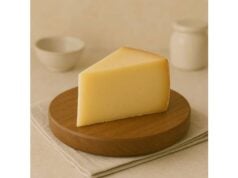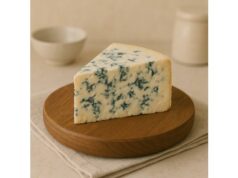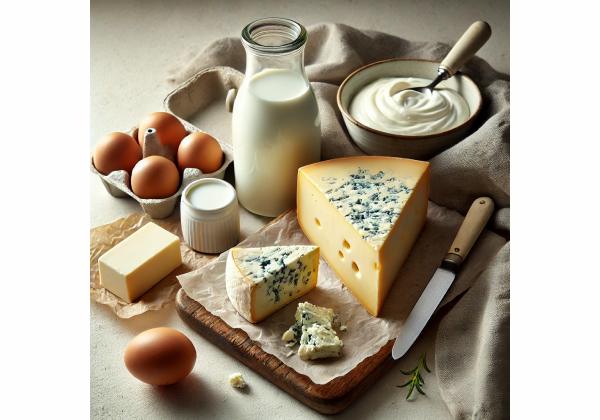
Roquefort is the original French blue cheese—aromatic, veined with sapphire mold, and famous for its protected origin. Made from raw Lacaune sheep’s milk and ripened in the natural caves of Combalou above Roquefort-sur-Soulzon, it delivers a distinct balance of savory depth, gentle sweetness, and a peppery blue finish. In the kitchen it is both a seasoning and a cheese: a teaspoon crumbled into a pan sauce can transform a steak, while a thin slice alongside pears, walnuts, and honey makes an effortless course. Nutritionally, Roquefort is concentrated: high in complete protein and calcium, but also rich in saturated fat and sodium. This guide gives you a practical, evidence-informed view—how to choose a great wedge, what you really get per 100 g, who benefits and who should limit it, and techniques that highlight flavor while managing salt and richness. You will also find clear safety guidance for pregnancy and immune-compromised readers, sustainability notes for thoughtful buying, and realistic portion advice that fits modern health goals.
Essential Insights
- Delivers ~21 g protein and ~500 mg calcium per 100 g; intensely flavorful so small amounts go far.
- High in saturated fat and sodium; treat as a condiment-style cheese and portion mindfully.
- Typical serving: 20–30 g (thin slice or 2 tbsp crumble) up to a few times per week within a balanced diet.
- Avoid unheated soft blue cheeses when pregnant or immunocompromised; choose pasteurized and cook until steaming hot.
Table of Contents
- Roquefort cheese detailed overview
- Roquefort nutrition profile (per 100 g)
- Evidence-based health benefits
- Risks, allergies and interactions
- Selecting quality, sustainability and storage
- Preparation, cooking and nutrient retention
- Portions, comparisons and FAQs
Roquefort cheese detailed overview
Roquefort is a blue-veined sheep’s milk cheese with a Protected Designation of Origin (AOP). Only wheels made in and around the village of Roquefort-sur-Soulzon, France, from raw milk of Lacaune sheep and matured in the limestone caves of Combalou may carry the name. Loaves are typically cylindrical, wrapped in foil rather than forming a thick rind, and pierced to encourage growth of Penicillium roqueforti, the mold responsible for the blue veins and the cheese’s signature aroma. Ripening proceeds in cool, humid cave air—naturally ventilated through “fleurines”—which slows the process, allowing even development of flavor: salty-savory, lactic, nutty, with peppery and slightly metallic blue notes and a lingering, clean finish.
Texture is moist yet friable. At room temperature, Roquefort spreads easily and crumbles with little pressure; chilled, it slices cleanly. Because it is high in moisture for a blue cheese, it melts quickly into sauces without becoming stringy, but it can “oil off” if boiled hard. Best pairings highlight contrast and structure: crisp pears or apples, bitter greens, toasted walnuts or hazelnuts, crusty bread, and acidity (sparkling water, dry cider, crisp white wines). In cooking, tiny amounts function like seasoning: whisked into pan juices for steak, dotted on roast vegetables, folded into potato gratin, or creamed into a dressing. A thin pat of Roquefort butter—just cheese mashed with softened unsalted butter—melts beautifully over grilled mushrooms or a seared pork chop.
Behind the flavor lies a dense nutrient matrix from sheep’s milk, which is naturally higher in protein, calcium, and fat than cow’s milk. That density, alongside a comparatively high salt addition necessary for safe blue-cheese ripening, is why Roquefort is best used as a “little-goes-a-long-way” ingredient rather than a free-pour topping. Understanding how to portion and balance it—complementing with vegetables, whole grains, and fruit—lets you enjoy its character while keeping saturated fat and sodium in check.
Roquefort nutrition profile (per 100 g)
Values below reflect typical Roquefort composition. Actual numbers vary by season, maker, and moisture. Use your product label for precise tracking. % Daily Value (%DV) uses current adult DVs.
Macros & Electrolytes (per 100 g)
| Nutrient | Amount | %DV |
|---|---|---|
| Energy | ~360–380 kcal | — |
| Protein | ~21 g | 42% |
| Total fat | ~30–32 g | 38–41% |
| Saturated fat | ~18–20 g | 90–100% |
| Carbohydrates (lactose) | ~2 g | 1% |
| Total sugars | ~0.5–1 g | — |
| Dietary fiber | 0 g | 0% |
| Sodium | ~1,500–1,900 mg | 65–83% |
| Potassium | ~90–120 mg | 2% |
Minerals (per 100 g)
| Mineral | Amount | %DV |
|---|---|---|
| Calcium | ~450–550 mg | 35–42% |
| Phosphorus | ~350–420 mg | 28–34% |
| Zinc | ~2.5–3.5 mg | 23–32% |
| Selenium | ~10–15 µg | 18–27% |
| Iodine | variable | — |
Vitamins (per 100 g)
| Vitamin | Amount | %DV |
|---|---|---|
| Vitamin A (RAE) | ~250–350 µg | 28–39% |
| Vitamin B12 (cobalamin) | ~1.0–1.5 µg | 42–63% |
| Riboflavin (B2) | ~0.3–0.4 mg | 23–31% |
| Vitamin D | small amounts; maker-dependent | — |
| Vitamin K2 (menaquinones) | present in some aged cheeses; variable | — |
Fats & Fatty Acids
- Predominantly saturated (palmitic, myristic) with meaningful monounsaturated oleic acid; polyunsaturated fats are present in small amounts.
- Cholesterol typical of full-fat cheeses; portion size is the main lever.
Protein & Amino Acids
- Complete protein, rich in essential amino acids; peptides form during ripening and contribute umami and aroma.
Carbohydrates
- Very low lactose; still contains some, so individuals with lactose intolerance may tolerate small amounts better than fresh cheeses, but responses vary.
Allergens & Intolerance Markers
- Contains milk proteins (casein and whey).
- Biogenic amines (notably tyramine, histamine) can be higher in blue cheeses; sensitive individuals and those on MAOIs must take care (see Risks).
Additives & Fortification
- Traditional Roquefort is not fortified and contains no stabilizers. Salt level is intrinsically high to control moisture and support safe ripening.
Glycemic & Acid–Base Notes
- Negligible glycemic impact due to minimal carbohydrate.
- Like most cheeses, moderately acid-forming in potential renal acid load (PRAL); balance with vegetables and legumes.
Evidence-based health benefits
Compact protein and key minerals.
Roquefort supplies roughly 21 g of complete protein per 100 g—useful for maintaining lean mass when included in protein-aware meals. Its calcium and phosphorus (about 35–42% and 28–34% DV, respectively, per 100 g) support bone and dental health. Because flavor is intense, you typically use 20–30 g at a time; even that small amount contributes several grams of protein and a meaningful mineral boost.
Cheese within healthy patterns can be neutral to beneficial.
Large syntheses of modern evidence suggest cheese intake, in moderate amounts, is generally neutral or modestly protective for cardiometabolic outcomes when part of an overall balanced diet. Mechanisms proposed include the “cheese matrix” (calcium binding fatty acids, altering absorption), fermentation-derived peptides that may influence blood pressure pathways, and displacement of refined carbohydrates when cheese is used strategically. While Roquefort is high in sodium and saturated fat by weight, the practical serving is small, and pairing with vegetables, whole grains, and unsalted nuts can keep dietary patterns on track.
Satiety and flavor leverage.
Its pronounced savoriness and umami let you use smaller quantities to satisfy cravings for “big flavor,” which can help reduce overall sodium and saturated fat across the meal when Roquefort replaces larger portions of milder, saltier processed foods. A teaspoon of Roquefort creamed into a yogurt-based dressing, for example, can deliver the signature profile of a classic blue dressing with far less fat than a heavy cream version.
Culinary versatility enhances nutrient quality.
Roquefort pairs naturally with high-fiber, polyphenol-rich foods—bitter greens (endive, radicchio), pears, apples, beets, and walnuts—making it easy to craft meals that combine protein, minerals, and plant compounds. Using it as a finishing accent—crumbled over roasted vegetables or whisked into a pan sauce—adds depth while controlling quantity.
Who may benefit most?
- Cooks seeking a small-dose, high-impact flavor to elevate vegetables and lean proteins.
- Individuals building bone-friendly plates (alongside vitamin D sources and weight-bearing activity).
- People who prefer concentrated portions rather than large servings of lower-flavor cheeses.
The bottom line: used intentionally and portion-consciously, Roquefort can fit comfortably into balanced eating patterns while adding remarkable culinary value.
Risks, allergies and interactions
Microbial safety (soft blue cheeses).
Like all soft cheeses, Roquefort requires careful handling. Blue cheeses made with unpasteurized milk carry a higher risk for contamination; even cheeses made with pasteurized milk can be contaminated after pasteurization if hygiene fails. People at higher risk of severe illness (pregnant individuals, older adults, and those with weakened immunity) should avoid unheated soft blue cheeses. For added safety, use pasteurized Roquefort-style blues when available, and cook dishes until steaming hot so the cheese is fully heated through.
Milk allergy and lactose intolerance.
Roquefort contains casein and whey proteins that can trigger IgE-mediated milk allergy; complete avoidance is required in confirmed cases. Lactose is low compared with fresh cheeses, but not zero. Some people with lactose intolerance tolerate small amounts (e.g., a teaspoon or two crumbled into a meal), while others remain symptomatic. Self-test cautiously, ideally within a consistent, mixed meal.
Saturated fat and sodium.
Per 100 g, Roquefort is high in saturated fat and very high in sodium. Most flavor tasks call for 20–30 g portions, which keeps absolute intake reasonable. If you manage blood pressure or LDL cholesterol, use Roquefort as a condiment-style cheese, pair with unsalted foods, and emphasize unsaturated fats (olive oil, nuts, fish) across the day.
Biogenic amines (tyramine, histamine).
Blue cheeses often contain tyramine, which can precipitate hypertensive episodes in people taking monoamine oxidase inhibitors (MAOIs) or interacting drugs (including linezolid). If you use MAOIs or have been advised to follow a low-tyramine diet, avoid blue cheeses unless your clinician provides specific guidance.
“Penicillin” confusion.
The mold in Roquefort (Penicillium roqueforti) is not the same as the antibiotic penicillin. However, if you have a history of severe mold-related reactions or are advised to avoid mold-ripened foods for other reasons, skip blue cheeses.
Storage risks and spoilage signs.
Because Roquefort is moist, warmth accelerates spoilage. Keep it cold (≤4°C/40°F), wrapped to breathe (see Storage), and discard if you notice pink, black, or fuzzy non-blue growth, ammonia-like odors, or sour notes. Surface blue veining is expected; off-color or off-odors are not.
Selecting quality, sustainability and storage
Buying well
- Look for AOP designation. Authentic Roquefort will indicate AOP and name a producer based in Roquefort-sur-Soulzon.
- Check condition. A fresh cut shows creamy-white paste with evenly distributed blue-green veins, moist but not weeping. Aroma should be clean, lactic, and blue-aromatic—never sour or ammonia-sharp.
- Choose size wisely. Buy a small wedge you can finish within a week after first cutting. For parties, purchase closer to the event date and keep chilled.
- Pasteurization status. Traditional Roquefort is made from raw sheep’s milk. If you are pregnant or immunocompromised, ask your monger about pasteurized blue alternatives and plan to cook thoroughly.
Sustainability and origin
- Sheep’s milk seasonality. Lacaune sheep produce seasonally; some producers freeze curd or adjust schedules to smooth supply. Choosing reputable AOP producers supports pasture-based systems tied to the local ecology of the Causses.
- Transport and waste. The largest footprint for a small wedge is often transport plus food waste. Buy only what you will use, store correctly, and repurpose leftovers (e.g., compound butter, blue-cream dressing) to avoid discards.
Storage and handling
- Wrap to breathe. Rewrap in cheese paper or parchment plus a loose outer layer of foil; avoid clinging plastic directly on the cut surface for long storage.
- Temperature zone. Keep in the vegetable/crisper drawer at ~4°C (40°F).
- Shelf life. Uncut wedges keep several weeks under good conditions; after cutting, aim to enjoy within 5–7 days for peak flavor.
- Freezing? Possible for cooking use: portion small pieces, wrap tightly, and freeze up to two months. Thawed Roquefort is best in sauces or bakes (texture becomes more crumbly).
- Service. Bring to room temperature (20–30 minutes) before serving to open aroma and improve spreadability; re-chill promptly after service.
Quality triage at home
- If the surface dries, trim a thin layer and rewrap.
- If an ammonia edge appears, allow it to air briefly at room temperature; if odor persists or flavor tastes harsh, discard.
Preparation, cooking and nutrient retention
Use Roquefort as seasoning.
Because its flavor is potent, think in teaspoons, not handfuls. A teaspoon creamed into a pan sauce seasons a whole steak or roasted cauliflower. A tablespoon folded into a bowl of hot polenta or mashed potatoes provides blue character without excess salt.
Core techniques
- Crumble vs cream. For salads and crostini, crumble straight from the fridge for precise distribution. For sauces and dressings, mash with a little room-temperature unsalted butter, strained yogurt, or crème fraîche to form a smooth base.
- Gentle heat. Melt Roquefort off the boil to prevent oil separation. Pull pans from direct heat and whisk until glossy.
- Balance with acidity and crunch. Pair with vinegar pickles, lemon, or crisp fruit. Add toasted nuts or seeds for texture and to offset saltiness.
- Compound butter (make-ahead). Blend equal parts soft unsalted butter and Roquefort; roll in parchment and chill. Slice “coins” to finish grilled mushrooms, steak, or roasted root vegetables.
Recipe ideas (portion-smart)
- Roasted beet, endive and walnut salad with blue-yogurt dressing. Whisk 1 tbsp crumbled Roquefort into 3 tbsp thick yogurt, 1 tsp olive oil, 1 tsp lemon juice, and black pepper; toss with greens and beets; finish with walnuts.
- Steak with Roquefort pan sauce. After searing, deglaze with 60 ml dry white wine, reduce, whisk in 2–3 tsp Roquefort and 1 tsp butter off heat; adjust with a splash of stock.
- Blue-pear crostini. Spread thin layer of creamed Roquefort on toasted whole-grain slices; top with ripe pear, crushed walnuts, and a crack of pepper.
- Potato and leek gratin (micro-blue). Add 1–2 tbsp crumbled Roquefort to 1 cup milk/stock mixture; the blue acts like a seasoning across the whole dish.
Nutrient retention
- Protein and minerals withstand cooking well.
- Fat-soluble vitamins are stable with gentle heat; avoid prolonged boiling.
- Sodium is immutable—use culinary strategies (acidity, herbs, umami from mushrooms) to amplify flavor without additional salt.
- Food safety step-up. For high-risk diners, cook Roquefort-containing dishes until steaming hot throughout.
Portions, comparisons and FAQs
Portion guidance
- Standard eating portion: 20–30 g (about a thin slice or 2 tablespoons crumbled).
- How often? A few times per week fits many balanced diets, especially if you prioritize vegetables, whole grains, and unsalted foods elsewhere that day.
- Macro snapshot per 30 g: ~110 kcal, ~6–7 g protein, ~9–10 g fat (≈5–6 g saturated), ~450–570 mg sodium, ~135–165 mg calcium. Treat as a flavor accent.
Comparisons
- Roquefort vs Gorgonzola Piccante: Roquefort is typically saltier and sharper; both melt well. Sheep’s milk in Roquefort contributes a richer, slightly sweeter base under the blue spice.
- Roquefort vs Stilton (blue): Stilton is often slightly drier and less salty, with a more biscuity crumb; Roquefort is creamier and more pungent.
- Roquefort vs feta: Both are salty and tangy; feta is not blue and is usually lower in fat per 100 g. Roquefort delivers stronger aromatics, so you need less to flavor a dish.
- Roquefort vs goat blue: Goat blues have a distinct tang; Roquefort’s sheep’s milk sweetness balances its peppery blue notes.
FAQs
Can I eat Roquefort during pregnancy?
Avoid unheated soft blue cheeses. If you choose a pasteurized blue, only eat it fully heated until steaming hot. When unsure, skip it.
Is Roquefort suitable for people with lactose intolerance?
Often better tolerated than fresh cheeses due to lower lactose, but not zero. Start with a very small amount in a mixed meal and assess your response.
Does the mold mean it contains penicillin?
No. The ripening mold (Penicillium roqueforti) is not pharmaceutical penicillin. It does not provide antibiotic effects, nor is it safe for those with milk allergy.
I take an MAOI. Is Roquefort off-limits?
Yes, generally avoid blue cheeses because of tyramine unless your clinician gives specific instructions.
Best storage method at home?
Wrap in cheese paper or parchment with a loose foil outer, store in the crisper at ~4°C (40°F), and finish within 5–7 days after cutting.
Can I freeze Roquefort?
For cooking: yes, in small, tightly wrapped portions for up to two months. Expect a crumblier texture after thawing.
References
- Cheese consumption and multiple health outcomes 2023 (Umbrella Review).
- Milk and dairy products – a scoping review for Nordic Nutrition Recommendations 2023 2024 (Scoping Review).
- How Listeria Spread: Soft Cheeses and Raw Milk 2025 (Guidance).
- Preventing Listeria Infection 2025 (Guidance).
- MAOI (Monoamine Oxidase Inhibitors) Diet Sheet 2022 (Patient Guidance).
Disclaimer
This guide is for general education and does not replace personalized medical advice, diagnosis, or treatment. Always consult a qualified healthcare professional about food allergies, pregnancy safety, interactions with medicines (including MAOIs and certain antibiotics), and dietary changes tailored to your health status.
If this article helped you, please consider sharing it on Facebook, X (formerly Twitter), or your preferred platform. Your support helps us continue producing clear, practical nutrition resources.