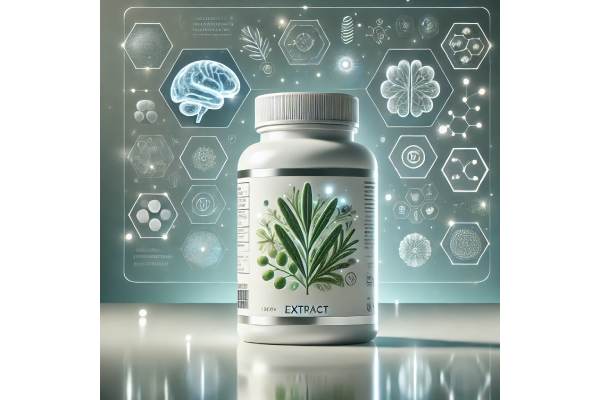
Rosemary extract has moved far beyond the kitchen. Concentrated from the aromatic Mediterranean herb, it is now used in supplements, functional drinks, food preservation, and cosmetic products. People turn to rosemary extract mainly for its potential effects on memory, focus, mood, and antioxidant support, but it also shows promise for digestion, circulation, and metabolic health.
Modern extracts concentrate compounds such as rosmarinic acid and carnosic acid, which appear to protect cells from oxidative stress and support healthy brain signaling. At the same time, rosemary is a biologically active plant: dose, preparation, and individual health conditions all influence its safety. This guide walks you through how rosemary extract works, where the evidence is strongest, realistic benefits you can expect, typical dosage ranges, and the main risks and interactions to keep in mind before adding it to your routine.
Key Insights for Rosemary extract
- Rosemary extract may support cognitive performance, mental energy, and mood in small short-term clinical trials.
- Concentrated extracts typically provide 200–700 mg per day, often standardized for phenolic or diterpene content such as rosmarinic or carnosic acids.
- Mild digestive upset, headaches, or allergic reactions are the most common side effects; long-term high-dose safety is not well established.
- People who are pregnant, trying to conceive, have seizure disorders, bleeding risks, or take multiple medications should avoid unsupervised use of rosemary extract.
Table of Contents
- What is rosemary extract and how does it work?
- Rosemary extract benefits for brain and body
- How to use rosemary extract day to day
- How much rosemary extract per day?
- Rosemary extract side effects and precautions
- What science says about rosemary extract
What is rosemary extract and how does it work?
Rosemary (Salvia rosmarinus, formerly Rosmarinus officinalis) is an evergreen shrub native to the Mediterranean. Rosemary extract is a concentrated preparation made from its leaves, usually using water, ethanol, or a combination of solvents to pull out protective compounds. In supplements, this extract is dried and standardized so each capsule delivers a consistent amount of key molecules.
Chemically, rosemary extract is rich in:
- Phenolic acids such as rosmarinic acid
- Diterpenes such as carnosic acid and carnosol
- Flavonoids and other polyphenols
- Volatile aromatic components like 1,8-cineole and α-pinene
These compounds have been shown in experimental models to act as strong antioxidants and to modulate inflammatory pathways, cell signaling, and neurotransmitters.
Several mechanisms are thought to underlie its potential brain and body benefits:
- Antioxidant defense: Carnosic acid and rosmarinic acid help neutralize reactive oxygen species and may upregulate internal antioxidant enzymes.
- Anti-inflammatory effects: Rosemary constituents can dampen inflammatory mediators that contribute to neurodegeneration, cardiovascular disease, and chronic pain.
- Neuroprotection: Experimental work suggests rosemary compounds may help preserve neurons, support mitochondrial function, and reduce toxic protein accumulation relevant to Alzheimer’s and Parkinson’s disease.
- Cholinesterase inhibition: Some components mildly inhibit enzymes that break down acetylcholine, a neurotransmitter involved in memory and attention.
- Metabolic and vascular actions: Rosemary extracts may influence blood lipids, glucose handling, and blood vessel function, although human data are still limited.
Commercial rosemary extract comes in several forms:
- Standardized dry extracts (capsules or tablets), often labeled with a ratio (for example, 5:1 extract) or a percentage of rosmarinic or carnosic acid.
- Liquid extracts and tinctures, which deliver similar constituents in an alcohol or glycerin base.
- Food-grade antioxidant extracts used by manufacturers to protect oils and meats from oxidation (often listed on labels as “rosemary extract” or “E392”).
It is important to distinguish these products from rosemary essential oil, which is a highly concentrated volatile oil obtained by steam distillation. Essential oil is mainly for aromatherapy or diluted topical use; it is not the same as the standardized oral extracts used in most studies.
Rosemary extract benefits for brain and body
Most people look at rosemary extract for its possible effects on mental clarity, mood, and long-term brain health. Human trials are still relatively small, but several give a consistent picture: modest improvements in certain cognitive and psychological measures, especially in people under stress or with low baseline mental energy.
In one randomized trial, university students took 500 mg of rosemary preparation twice daily for a month. Compared with placebo, they showed better scores on memory questionnaires and reported reduced anxiety, depressive symptoms, and sleep problems. Another trial in working-age adults found that four weeks of rosemary extract improved mood disturbance, mental vigor, and aspects of psychomotor speed in participants who started with poorer mental health.
Based on these and similar studies, potential benefits of rosemary extract may include:
- Memory and attention support – especially subjective memory and everyday lapses, with some objective improvements in cognitive tests.
- Mood and stress relief – reductions in reported anxiety, low mood, and fatigue in stressed populations.
- Sleep quality – better overall sleep scores, though not all aspects of sleep improve equally.
Beyond mental health, rosemary extract is being explored for broader systemic effects:
- Neurodegenerative protection: Experimental work suggests rosemary compounds may help buffer the brain against processes associated with Alzheimer’s and Parkinson’s disease, such as oxidative damage, inflammation, and toxic protein aggregation.
- Metabolic and cardiovascular markers: Animal and early human data indicate possible improvements in blood lipids, oxidative stress markers, and vascular function, but larger trials are needed before drawing firm conclusions.
- Digestive comfort: Traditionally, rosemary has been used for indigestion and gas. Some standardized extracts are included in herbal blends targeted at dyspepsia and bile flow, though rigorous standalone data are still sparse.
- Joint and nerve comfort: Preclinical studies suggest anti-inflammatory and analgesic effects that may be relevant to inflammatory pain and neuropathic pain, but human evidence here is mostly preliminary or indirect.
Overall, the best-supported human benefits of rosemary extract at this stage relate to subjective mental energy, mood, and certain memory measures, with promising but less proven roles in long-term neuroprotection and metabolic health.
How to use rosemary extract day to day
If you decide to try rosemary extract, it helps to think through three questions: the form you prefer, your goal, and how it fits with your current medications and health conditions.
Common supplement forms include:
- Capsules or tablets: The most convenient option. Labels often list a total milligram amount per capsule and may indicate a standardization, such as “20% carnosic acid” or “standardized to rosmarinic acid.”
- Liquid extracts: Droppers containing rosemary in an alcohol or glycerin base. These allow flexible dosing but have a stronger taste.
- Combination formulas: Rosemary paired with other botanicals for “brain,” “liver,” or “immune” support. These can be useful but make it harder to know which ingredient is responsible for any effect or side effect.
For everyday use, many people:
- Take rosemary extract with food to reduce the chance of digestive upset.
- Start at the low end of the suggested dosage range on the label and only increase gradually if needed.
- Use it in cycles, such as several weeks on followed by a break, rather than constant year-round high-dose use, especially at the upper end of supplemental doses.
You can also integrate rosemary in non-supplement ways:
- Culinary use: Cooking regularly with rosemary (fresh or dried) provides smaller, food-level amounts of its protective compounds and can be a gentle long-term strategy.
- Aromatherapy: Inhaling rosemary essential oil from a diffuser or a diluted skin application is being studied separately for potential cognitive and mood effects. Note that this is different from ingesting rosemary extract, and essential oil should never be taken undiluted by mouth.
- Topical products: Lotions, hair tonics, and scalp serums containing rosemary extract or oil are marketed for scalp health and circulation. These products mainly act locally; systemic effects are likely minimal when used as directed.
Practical tips to use rosemary extract more safely:
- Check all labels (including multivitamins, “brain formulas,” and functional beverages) to avoid unintentionally stacking multiple rosemary-containing products.
- Keep a simple log of dose, timing, and subjective effects (focus, sleep, mood, digestion) for a few weeks. This helps you gauge whether the extract is making a meaningful difference.
- If you notice headaches, palpitations, digestive upset, skin reactions, or sleep changes after starting rosemary extract, reduce the dose or stop and seek medical advice.
How much rosemary extract per day?
There is no official recommended daily intake for rosemary extract, and different products can vary in strength. Dosage guidelines must therefore be inferred from clinical trials, traditional use, and modern safety evaluations.
In human studies:
- Some trials in adults used 500 mg of rosemary preparation twice daily (about 1,000 mg per day) for one month to assess memory, mood, and sleep.
- Other work has used lower total daily amounts of standardized extract in functional foods or beverages, generally for several weeks at a time.
Because products differ, dose ranges are usually expressed in terms of total extract per day for generally healthy adults:
- Low range (gentle support):
Approximately 200–300 mg per day of a standardized rosemary extract, split once or twice daily with meals. This may be reasonable for general antioxidant and cognitive support in adults without major medical issues, assuming a high-quality product. - Moderate range (short-term trials):
500–700 mg per day, sometimes up to about 1,000 mg, typically divided into two doses and used for 4–8 weeks in research settings to explore effects on mood, stress, and cognition. - Culinary equivalents:
Cooking with 1–2 teaspoons of dried rosemary (around 2–4 g) in food provides lower, food-level exposure and is generally considered safe for most people, unless they have allergies or specific contraindications.
Because long-term high-dose data remain limited and animal studies show organ and reproductive toxicity at very high exposures, it is prudent to:
- Avoid exceeding about 700–1,000 mg/day of strong standardized extract without medical supervision.
- Limit intensive daily use at the higher end to a few months, followed by a reassessment with your healthcare professional.
- Use the lowest dose that achieves your intended effect, rather than assuming more is better.
People with lower body weight, older age, multiple medications, or chronic illnesses should typically stay at the low end of these ranges or avoid supplemental rosemary extract altogether unless a clinician explicitly recommends and monitors its use.
Rosemary extract side effects and precautions
At culinary levels, rosemary is widely viewed as safe for most people. Concentrated extracts, however, deliver much higher doses of active compounds, and that changes the safety profile. A comprehensive toxicology review of rosemary emphasizes that while normal food use and moderate supplement doses are usually well-tolerated, high or prolonged intakes raise more concern.
Commonly reported mild side effects from oral rosemary extract include:
- Digestive upset (nausea, cramping, reflux, loose stools)
- Headache or dizziness in sensitive individuals
- Skin irritation or rash in people with rosemary allergy, especially with topical products or essential oil
More serious issues have mostly been seen in animal studies using very high doses, but they highlight potential risks:
- Liver and kidney stress: Structural changes and altered lab markers at high doses in animals.
- Reproductive and fetal toxicity: Reduced sperm quality and adverse fetal changes in animal models at high exposures.
- Genotoxicity markers: Cellular DNA damage in some experimental settings.
Because of this, certain groups are advised to avoid supplemental rosemary extract unless specifically supervised:
- People who are pregnant, may become pregnant, or are breastfeeding
- Individuals with known kidney or liver disease
- Those with a history of seizures or epilepsy, as concentrated essential oil and some constituents may lower seizure threshold
- People with bleeding disorders or who take anticoagulant or antiplatelet drugs, because rosemary may theoretically influence clotting or platelet function
- Anyone on multiple medications metabolized by liver enzymes, where herb–drug interactions are more likely
Potential drug interaction concerns (based on mechanistic and preclinical data) include:
- Anticoagulants and antiplatelet agents
- Antihypertensives and diuretics
- Some antidiabetic medications
- Drugs with a narrow therapeutic window that rely heavily on liver metabolism
Rosemary essential oil deserves a special mention: it is much more concentrated than herbal extract. Ingesting undiluted essential oil can provoke severe gastrointestinal symptoms, nervous system effects, and may be dangerous, especially for children. Essential oil should only be used in appropriately diluted forms on the skin or in diffusers, following product instructions.
If you experience chest pain, breathing difficulty, swelling of the lips or face, severe dizziness, or signs of an allergic reaction after exposure to rosemary products, seek emergency medical care.
For most healthy adults using moderate doses of standardized extract under professional guidance, rosemary appears reasonably safe in the short term. The main unknown is long-term high-dose use, which has not been studied thoroughly in humans.
What science says about rosemary extract
Research on rosemary extract sits at an interesting middle stage: more advanced than simple traditional use, but not yet at the level of large, long-term clinical programs.
Several lines of evidence support its potential:
- Phytochemistry and pharmacology reviews show that rosemary is rich in potent antioxidants and anti-inflammatory compounds, with diverse actions on the nervous system, cardiovascular system, liver, and immune function.
- Neuroprotection reviews highlight how these compounds may help counteract processes involved in Alzheimer’s and Parkinson’s diseases, such as oxidative stress, mitochondrial dysfunction, and toxic protein buildup.
- Small randomized trials in students and working-age adults report improved self-rated memory, mood, and aspects of cognitive performance after several weeks of rosemary preparation compared with placebo.
- Modern safety analyses compile animal and in-vitro data on organ toxicity, reproductive effects, and genotoxicity, concluding that normal food use and modest supplement doses appear safe but warning against unchecked high-dose or long-term exposure.
At the same time, there are clear limitations:
- Most human trials involve small sample sizes (often fewer than 100 participants) and relatively short durations (4–8 weeks).
- Studies use different preparations and doses, making it hard to compare results or define one “optimal” protocol.
- Surrogate outcomes, such as questionnaires and cognitive tests, may not translate directly into long-term protection against dementia or cardiovascular events.
- Some research is sponsored or co-authored by ingredient manufacturers, which raises the usual questions about potential bias, even when methods are sound.
Taken together, the current science suggests that:
- Rosemary extract is a promising adjunct for cognitive support and mental well-being in the short term, especially for generally healthy adults experiencing stress or mild fatigue.
- It may have neuroprotective potential, but this remains a hypothesis based on mechanistic and early data rather than definitive human evidence.
- Safety is favorable at usual supplemental doses over weeks to a few months, but long-term high-dose use is not well characterized, and caution is appropriate.
For now, rosemary extract is best viewed as a supportive option that can complement—never replace—evidence-based medical care, healthy sleep, physical activity, and a balanced diet.
References
- Rosmarinus officinalis L.: an update review of its phytochemistry and biological activity 2018 (Systematic Review)
- Neuroprotective Benefits of Rosmarinus officinalis and Its Bioactives against Alzheimer’s and Parkinson’s Diseases 2024 (Systematic Review)
- Effects of Continuous Intake of Rosemary Extracts on Mental Health in Working Generation Healthy Japanese Men: Post-Hoc Testing of a Randomized Controlled Trial 2020 (RCT)
- Effects of Rosmarinus officinalis L. on memory performance, anxiety, depression, and sleep quality in university students: A randomized clinical trial 2018 (RCT)
- Toxicity and safety of rosemary (Rosmarinus officinalis): a comprehensive review 2025 (Systematic Review)
Disclaimer
The information in this article is for general educational purposes only and is not intended to provide medical advice, diagnosis, or treatment. Rosemary extract can interact with medications and underlying health conditions, and its safety at higher doses or with long-term use has not been fully established. Always speak with a qualified healthcare professional before starting, stopping, or changing any supplement, especially if you are pregnant or breastfeeding, have chronic medical conditions, or take prescription or over-the-counter medications.
If you found this guide helpful, you are warmly invited to share it on Facebook, X (formerly Twitter), or any platform you prefer, and to follow our work on social media. Your thoughtful sharing helps support our team in continuing to create clear, evidence-informed content for readers like you.