Runner beans (Phaseolus coccineus) are the showstoppers of the bean world—vigorous vines with scarlet or white blossoms and long, flat pods that cook up tender-crisp. In the kitchen, they behave much like green beans: quick to blanch, excellent for sautés, stir-fries, and salads, and sturdy enough for stews. Nutritionally, runner beans are a light, low-energy vegetable when eaten as young pods, offering fiber, potassium, vitamin K, vitamin C, and small amounts of iron and magnesium. They can also be harvested as mature dry beans, which shifts their profile toward higher protein and fiber—closer to other cooked pulses.
Beyond the plate, runner beans support sustainability. As legumes, they fix nitrogen in the soil, which can reduce synthetic fertilizer inputs in crop rotations. Their vigorous growth makes them a favorite for home gardens, where trellised vines double as ornamental screens. This guide explains what sets runner beans apart, how their nutrition compares, evidence-backed health benefits, and the few safety practices that matter (especially proper cooking). You will also find practical advice for choosing, storing, and cooking runner beans so you get great texture and retain nutrients every time.
Quick Overview
- Young runner bean pods provide fiber, potassium, and vitamin K with ~28–35 kcal per 100 g cooked.
- Thorough cooking neutralizes natural bean lectins; avoid slow-cooking raw beans.
- A typical serving is 1 cup cooked pods (about 135 g), enjoyed several times per week as a vegetable.
- People with legume allergies or on warfarin (vitamin K interactions) should consult a clinician before major changes.
Table of Contents
- Runner beans: detailed overview
- Nutrition profile (per 100 g)
- Evidence-based health benefits
- Risks, allergies and interactions
- Selecting, quality, sustainability and storage
- Preparation, cooking and nutrient retention
- Portions, comparisons and FAQs
Runner beans: detailed overview
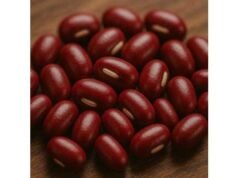
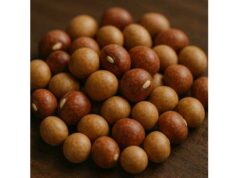
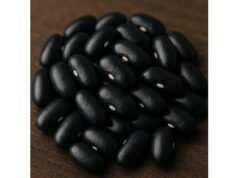
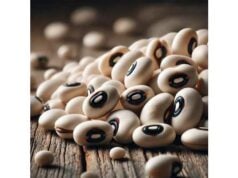
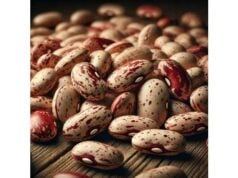
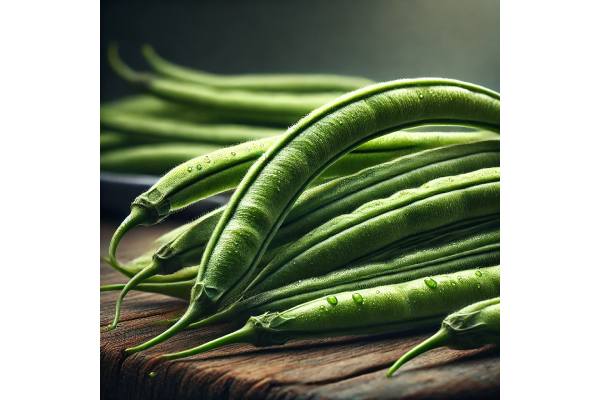
Runner beans are a distinct species from common green beans: Phaseolus coccineus versus Phaseolus vulgaris. What you see in markets are usually the immature pods—long, flat, and slightly fuzzy—with a delicate, beany flavor and a pleasing bite when cooked briefly. In many regions, especially the United Kingdom and parts of Europe, runner beans are a classic side vegetable. Elsewhere, gardeners also let the pods mature and dry, then shell them for large, patterned seeds known as scarlet runner beans; these cook into hearty, creamy beans suitable for soups, stews, and salads.
Taste and texture. Young pods are mild, sweet-green, and less starchy than mature beans. Properly cooked (blanched then sautéed, or simmered to just-tender), they keep a crisp-tender texture. Overcooking leads to dull color and softness, so timing is key.
Where they shine in cooking.
- Quick sides: Blanched, then tossed with olive oil, lemon, and toasted nuts.
- One-pan meals: Stir-fried with aromatics, folded into pasta or noodle dishes.
- Hearty mains: When used as dried beans, they bring substance to chili, minestrone, or grain bowls.
- Cold preparations: Chilled, sliced pods in composed salads with tomatoes, feta, or canned fish.
Nutritional identity. As pods, runner beans are low in calories and carbohydrate, providing a vegetable-scale dose of fiber, potassium, vitamin K, and vitamin C. As mature dry beans, they resemble other pulses with higher protein, fiber, and minerals like iron and magnesium. This dual identity means you can treat them as either a vegetable (pods) or a legume staple (seeds), depending on how you harvest and cook them.
Seasonality and availability. Fresh pods peak from late spring through summer into early autumn where climates allow. In supermarkets you may also find trimmed, prepped runner beans, or frozen packs. Dried runner bean seeds are available year-round from specialty retailers and online.
Sustainability snapshot. Like other legumes, runner beans engage with soil bacteria to fix atmospheric nitrogen, enriching the soil and potentially reducing the need for synthetic fertilizers in rotations. Trellised vines can also provide shade and biodiversity in gardens.
Who might choose runner beans.
- Vegetable-forward eaters wanting a low-energy, high-fiber side.
- People aiming for better glycemic control, since the pods are low in available carbohydrate.
- Plant-based cooks seeking variety—pods for brightness and crunch, seeds for hearty protein.
Nutrition profile (per 100 g)
How to read this section. Values below refer to cooked runner bean pods prepared like green snap beans (boiled, drained). Runner bean pods are nutritionally comparable to cooked green beans; the table uses representative cooked-snap-bean data as a proxy for cooked runner bean pods. Actual values vary with cultivar, growing conditions, and preparation. Percent Daily Values (%DV) use current U.S. reference DVs.
Macros & Electrolytes (per 100 g, cooked pods)
| Nutrient | Amount | %DV |
|---|---|---|
| Energy | ~28 kcal | — |
| Carbohydrate | 6.4 g | 2% |
| Dietary fiber | 3.0 g | 11% |
| Total sugars | 1.9 g | — |
| Protein | 1.5 g | 3% |
| Total fat | 0.2 g | 0% |
| Potassium | 159 mg | 3% |
| Sodium | ~1 mg | 0% |
| Water | ~92 g | — |
Vitamins (per 100 g, cooked pods)
| Vitamin | Amount | %DV |
|---|---|---|
| Vitamin K | ~38 µg | 32% |
| Vitamin C | ~4.1 mg | 5% |
| Folate (DFE) | ~23 µg | 6% |
| Vitamin A (RAE) | ~21 µg | 2% |
| Riboflavin (B2) | ~0.09 mg | 7% |
| Vitamin B6 | ~0.06 mg | 4% |
| Choline | ~13 mg | 2% |
Minerals (per 100 g, cooked pods)
| Mineral | Amount | %DV |
|---|---|---|
| Manganese | ~0.29 mg | 13% |
| Calcium | ~42 mg | 3% |
| Magnesium | ~19 mg | 5% |
| Iron | ~0.66 mg | 4% |
| Phosphorus | ~29 mg | 2% |
| Zinc | ~0.24 mg | 2% |
| Copper | ~0.06 mg | 7% (rounding) |
Bioactives/Phytonutrients (per 100 g, cooked pods)
| Compound | Amount | Notes |
|---|---|---|
| Lutein + zeaxanthin | ~508 µg | Pigments linked to eye health; no official DV. |
Anti-nutrients (natural, reduced by cooking)
- Lectins (notably phytohaemagglutinin, highest in red kidney beans; present in other beans too) are heat-labile and neutralized by proper boiling.
- Phytates and tannins can bind minerals; soaking and boiling the mature seeds reduces these.
About mature seeds. If you cook dried runner bean seeds, expect a pulse-like profile closer to other beans: roughly 130–150 kcal, 8–10 g protein, and 7–9 g fiber per 100 g cooked, plus more iron, magnesium, and potassium than pods. Cooking methods (soaking, boiling time) meaningfully affect texture, digestibility, and anti-nutrient levels.
Footnote: Values given for pods reflect cooked “green bean–style” pods and serve as practical estimates for runner beans prepared as a vegetable. Nutrient content varies by cultivar and maturity stage; fortification is not typical for plain cooked beans or pods.
Evidence-based health benefits
1) Supports steady blood sugar when used as a vegetable side.
Cooked runner bean pods are low in available carbohydrate and provide fiber. When you swap a refined side (for example, fries or white rice) with a fiber-rich vegetable like runner beans, post-meal glucose rises more modestly. In the broader legume category, studies of pulses show improved glycemic control in both acute meal tests and longer randomized trials. For people who enjoy mature beans (including runner beans harvested as dry seeds), the combination of soluble and insoluble fiber slows carbohydrate absorption and supports better day-to-day glucose patterns as part of an overall diet.
2) Contributes to heart-healthy patterns.
Legumes as a group are linked to cardiometabolic advantages. Controlled trials in adults show that regular pulse intake can lower LDL cholesterol modestly—thanks to viscous fibers, plant proteins, and phytochemicals. While young runner bean pods are lower in protein than mature seeds, consistently choosing legumes (pods and seeds) in place of refined or animal options helps shift dietary patterns toward more fiber and fewer saturated fats. The potassium content of cooked pods further supports healthy blood pressure when combined with reduced sodium intake.
3) Helps fill the fiber gap with minimal calories.
Many people fall short of the recommended 25–38 g of fiber per day. A 100 g portion of cooked runner bean pods provides about 3 g, and a generous 1 cup serving provides about 4 g, for very few calories. If you also include cooked seeds (on soup or as a side), you can easily add another 7–9 g per 100 g cooked. Fiber supports bowel regularity, helps with satiety, and feeds the gut microbiota that produce beneficial short-chain fatty acids.
4) Provides vitamin K and plant pigments for everyday maintenance.
A 100 g serving of cooked pods supplies roughly one-third of the daily value for vitamin K, important for normal blood clotting and bone protein activation. The green pigments lutein and zeaxanthin add to overall carotenoid intake. While runner beans are not the most concentrated sources of these compounds, they contribute to cumulative daily totals when combined with leafy greens and other vegetables.
5) Fits sustainable eating patterns.
Legumes—including runner beans—support diversified cropping and can reduce reliance on synthetic nitrogen fertilizers when used in rotations. In home gardens, trellised runner beans offer high yields per square meter, providing a steady supply of fresh pods with very low transportation emissions.
Practical translation.
- Use runner beans as your default “green side” three or more times per week.
- Alternate between pods and other pulses during the week to combine light, low-energy options with higher-protein, high-fiber meals.
- Pair beans with olive oil, nuts, or whole grains to increase satisfaction and nutrient absorption (for fat-soluble vitamins and carotenoids).
Risks, allergies and interactions
Lectins (cooking safety). Raw or inadequately cooked beans can cause acute gastric upset due to phytohaemagglutinin, a lectin naturally present in several beans. Proper boiling in fresh water deactivates lectins. Avoid slow-cooking raw beans in a crockpot; low temperatures may not reliably neutralize lectins. Canned beans are already cooked and safe to eat after rinsing and heating as desired. These precautions apply to mature seeds most of all; the tender pods are typically blanched or boiled and pose minimal risk when cooked through.
Allergy considerations. Legume allergies (for example, peanut, soy, lupin) can coexist, though many people tolerate other legumes. If you have a known legume allergy, discuss runner beans with your allergist before trying them. Symptoms can include oral itching, hives, gastrointestinal distress, or in rare cases, anaphylaxis.
Medication interactions.
- Warfarin and vitamin K: Cooked pods provide notable vitamin K. If you take warfarin, keep your vitamin K intake consistent day-to-day and coordinate changes with your clinician so your INR stays in range.
- ACE inhibitors or potassium-sparing diuretics: While runner bean pods are not high in potassium compared with fruits like bananas, people on these medicines should consider the whole diet and lab values when making large, sudden shifts in legume intake.
Digestive comfort. For some, cooked mature beans can cause gas or bloating. Strategies that help include soaking overnight, discarding the soak water, boiling until very tender, and introducing beans gradually. Using the pods instead of the seeds is typically easier on digestion on days you want a lighter meal.
Contaminants and residues. Wash fresh pods under running water to remove soil and field residues. As with other produce, buying from reputable suppliers and following good storage practices minimize spoilage and reduce the risk of contamination during handling.
Who should limit or avoid.
- People with confirmed legume allergies unless cleared by an allergist.
- Those on warfarin who cannot keep vitamin K intake consistent.
- Anyone without the ability to boil raw mature beans properly (for example, planning to use a slow cooker directly from dry beans without pre-boiling).
Selecting, quality, sustainability and storage
How to choose fresh runner beans.
- Look for firm, straight pods with a bright green sheen. Pods should snap cleanly when bent.
- Prefer younger, slimmer pods (15–25 cm long) for tenderness. Visible seed bulges suggest older pods that may be stringy.
- Avoid pods with limpness, rust-colored spots, or evidence of mildew.
Sustainability notes.
- Nitrogen fixation: As legumes, runner beans form symbioses with rhizobia bacteria, helping fix nitrogen that benefits soils and can reduce synthetic fertilizer needs in rotations.
- Home growing: Trellising maximizes vertical space and yields. Interplant with pollinator-friendly flowers; the red or white bean blossoms are themselves pollinator magnets.
- Food waste reduction: Pods store best when dry and cool; using them promptly avoids quality loss and waste.
Storage guidelines.
- Refrigeration: Keep unwashed pods in a breathable bag in the crisper. Use within 3–5 days for best texture and vitamin retention.
- Freezing: Blanch trimmed, sliced pods in boiling water for 2–3 minutes, chill in ice water, drain well, and freeze in flat layers before packing.
- Cooked leftovers: Refrigerate cooked pods in a sealed container and use within 3–4 days. Reheat just to hot to avoid overcooking.
Quality cues over time.
- Fresh pods: crisp snap, glossy color, minimal strings.
- Aging pods: tough strings along seams; seeds become prominent; flavor dulls.
- Frozen pods: should be free-flowing with no large ice crystals; once thawed, use promptly.
Dried seeds (if buying scarlet runner beans).
- Choose uniform, uncracked seeds from the current harvest.
- Store in a cool, dry pantry in sealed containers to deter moisture and pests.
- Soak before cooking (see next section), and simmer until creamy-tender.
Preparation, cooking and nutrient retention
For young pods (the common way to eat runner beans):
- Trim and string. Cut off both ends. If seams feel tough, pull off any strings along the edges.
- Slice or leave whole. For salads and sautés, slice into thin diagonals or ribbons. For sides, leave in long strips.
- Blanch smartly. Boil in well-salted water 3–5 minutes (depending on thickness) until just-tender and bright green. Immediately transfer to ice water to stop cooking.
- Finish cooking. Toss in a hot pan with olive oil, garlic, and lemon; or fold into a saucy dish in the final minutes so they stay crisp-tender.
Tips to maximize nutrients and flavor.
- Cook just to tender-crisp. Vitamin C and some B vitamins are heat-sensitive; minimal cooking limits losses.
- Use wide pans and enough water. A fast return to the boil preserves color and texture.
- Acid comes last. Add lemon juice or vinegar after the beans are cooked to keep color bright and texture firm.
For mature dry seeds (scarlet runner beans):
- Soak: Cover with plenty of water and soak 8–12 hours. Drain and rinse.
- Boil in fresh water: Bring to a rolling boil for at least 10 minutes, then reduce to a gentle simmer until creamy-tender (often 60–90 minutes, depending on age). This step ensures lectins are neutralized.
- Flavoring: Salt toward the end once skins have softened. Aromatics (onion, bay, garlic), a drizzle of olive oil, and herbs complement their earthy sweetness.
- Texture checks: Beans should smash easily against the pot. If skins are splitting before centers are soft, your beans may be old; keep simmering gently and add a pinch of baking soda only if necessary (it speeds softening but can affect flavor).
Slow cookers and pressure cookers.
- Do not place raw, dry beans straight into a slow cooker; temperatures may not reliably destroy lectins. Pre-boil as above before any slow cooking.
- Pressure cookers are excellent once beans have been soaked; follow manufacturer timing and ensure a full natural release to keep skins intact.
From kitchen to table: ideas that work.
- Lemon–almond runner beans: Blanch sliced pods; sauté with garlic, add lemon zest and juice, sprinkle with toasted almonds.
- Late-summer salad: Chilled blanched pods, cherry tomatoes, new potatoes, olives, and a mustard–herb vinaigrette.
- Hearty soup: Cooked runner bean seeds with farro, kale, and tomatoes; finish with olive oil and grated hard cheese.
Portions, comparisons and FAQs
How much is a serving?
- Pods (vegetable): 1 cup cooked (about 135 g) is a practical serving, contributing ~4 g fiber and around 30–40 kcal depending on thickness and cooking method.
- Seeds (pulse): ½ cup cooked (about 85–90 g) is a standard pulse serving, adding ~7–9 g fiber and 6–9 g protein with ~110–130 kcal (varies by bean and method).
How do runner beans compare with green beans and snow peas?
- Green beans (snap beans): Very similar when eaten as pods. Differences in texture and size are culinary rather than nutritional.
- Snow peas: Lower in fiber and vitamin K per cooked cup, with a sweeter, more tender pod; excellent raw or lightly cooked.
- Runner bean seeds vs other beans: Mature runner beans resemble other cooked pulses in calories, protein, and fiber; choose them for variety and texture.
Are runner beans low FODMAP?
- Pods: More likely to be tolerated in modest portions (for example, ½–1 cup cooked), as they provide less concentrated galacto-oligosaccharides than mature seeds.
- Seeds: Like other beans, they contain fermentable carbs; soaking, thorough cooking, and portion control improve tolerance. Work with a dietitian if following a structured low FODMAP plan.
Can I eat them raw?
- Pods: While very thin, young pods may be tasted raw in small amounts, runner beans are best cooked for texture and digestibility.
- Seeds: Do not eat raw or undercooked. Always boil in fresh water first to ensure safety.
Do runner beans affect iron or zinc absorption?
- Mature seeds contain phytates that can reduce mineral absorption. Soaking and boiling significantly lower phytate levels. Pair beans with vitamin C–rich foods (citrus, tomatoes) to improve non-heme iron uptake.
Best weekly pattern.
- Enjoy the pods freely as a vegetable several times per week.
- Include pulses (runner bean seeds or other beans/lentils) three or more times per week for fiber and protein, according to taste and tolerance.
References
- Phytohaemagglutinin Poisoning 2023 (Government Guidance)
- Pulses and soils: a dynamic duo 2024
- Pulse consumption improves indices of glycemic control in adults with and without type 2 diabetes: a systematic review and meta-analysis of acute and long-term randomized controlled trials 2021 (Systematic Review)
- Legume consumption in adults and risk of cardiovascular disease or type 2 diabetes: a systematic review and meta-analysis 2023 (Systematic Review)
- Nutrition Facts for Cooked Green Beans (Previously Frozen) 2024
Disclaimer
This article provides general nutrition and food safety information about runner beans for educational purposes. It is not a substitute for personalized medical advice, diagnosis, or treatment. If you have a medical condition, take prescription medications (especially warfarin), have food allergies, or follow a therapeutic diet, consult your healthcare professional or a registered dietitian before making significant dietary changes.
If you found this guide useful, please consider sharing it on Facebook, X (formerly Twitter), or any platform you prefer. Your support helps us continue creating clear, evidence-informed articles for readers like you.