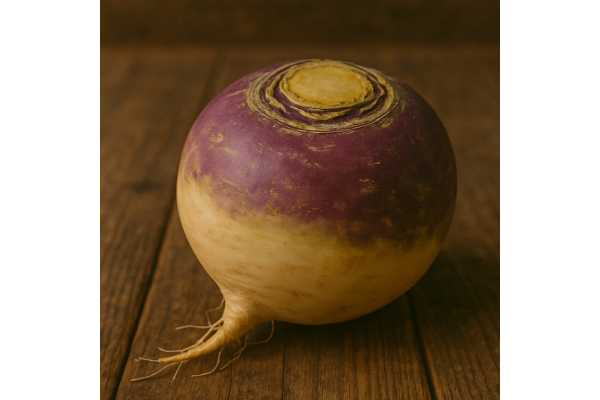
Rutabaga is one of those vegetables that quietly does a lot for you without demanding attention. Also known as swede, neep, or Swedish turnip, it is a hardy root that thrives in cool climates and stores well through winter. Under its thick, often waxed skin, you will find golden flesh with a mildly sweet, peppery taste and a texture that sits between potato and turnip.
Nutritionally, rutabaga is a low calorie, fiber-rich source of vitamin C, potassium, and several B vitamins. As a member of the Brassica (cabbage) family, it also contains protective plant compounds found in other cruciferous vegetables. In the kitchen, rutabaga is versatile: you can roast, mash, boil, steam, or grate it raw, and it works as a lighter stand-in for potatoes in many dishes. This article walks through its detailed nutrition profile, health effects, risks, cooking strategies, and practical portion guidance so you can decide how rutabaga fits into your own way of eating.
Rutabaga At a Glance
- Raw rutabaga provides about 37 kcal, 8.6 g carbohydrate, and 2.3 g fiber per 100 g, plus meaningful vitamin C and potassium.
- As a cruciferous vegetable, rutabaga delivers antioxidants and glucosinolate-related compounds that may support heart, immune, and metabolic health.
- A practical serving is around 100–150 g cooked rutabaga (about ½–1 cup), enjoyed several times per week as part of balanced meals.
- People with sensitive digestion, irritable bowel syndrome, or poorly managed thyroid disease may need to watch portion size and monitor symptoms.
- Individuals with complex medication regimens, significant thyroid or digestive disease, or unusual reactions to cruciferous vegetables should seek personalized medical advice before making major diet changes.
Table of Contents
- Rutabaga Background and Uses
- Rutabaga Nutrition Profile Details
- Health Benefits of Rutabaga
- Rutabaga Risks and Interactions
- Choosing Rutabaga and Storage
- Cooking Rutabaga and Nutrients
- Rutabaga Portions and FAQs
Rutabaga Background and Uses
Rutabaga is a root vegetable in the Brassica family, botanically related to cabbage, kale, and turnips. It likely arose as a natural cross between turnip and cabbage and has long been a staple in Northern European cuisines, where it is valued for its resilience in cold climates and long storage life. Depending on where you live, you may see it labeled as swede, neep, or Swedish turnip.
The root is round to slightly elongated, with a yellowish interior and a skin that ranges from beige to purple near the top. Supermarket rutabagas are often coated in a thin layer of food-grade wax to reduce moisture loss, which is why they feel especially firm and smooth. The flesh has a mildly sweet, earthy, and slightly peppery flavor that becomes softer and sweeter with cooking. Rutabaga greens, when available, are also edible and can be prepared like other leafy brassicas, although they are less commonly sold.
In everyday cooking, rutabaga functions a bit like a more flavorful potato or a sweeter, milder turnip. Common uses include:
- Cubed in soups and stews for body and gentle sweetness.
- Mashed alone or with potatoes or carrots as a side dish.
- Roasted alongside other root vegetables to bring out caramelized notes.
- Grated raw into slaws or salads for a crisp, peppery element.
- Puréed into creamy vegetable soups with less reliance on cream or butter.
Because it is relatively low in calories and provides fiber, rutabaga works well in dishes that aim to be filling but not heavy. It pairs nicely with carrots, onions, leeks, apples, herbs like thyme and rosemary, and warming spices such as nutmeg and cumin. For people exploring more plant-heavy, budget-conscious, or cold-season eating patterns, rutabaga can be a practical and flavorful addition.
Rutabaga Nutrition Profile Details
Rutabaga is nutritionally dense relative to its calorie content. The data below refer to raw rutabaga per 100 g, acknowledging that exact values vary with variety and growing conditions.
Macros and electrolytes per 100 g raw rutabaga
| Nutrient | Amount per 100 g | Approx. % Daily Value* |
|---|---|---|
| Energy | 37 kcal | 2% |
| Carbohydrates (total) | 8.6 g | 3% |
| Dietary fiber | 2.3 g | 9% |
| Total sugars | 4.5 g | – |
| Protein | 1.1 g | 2–3% |
| Total fat | 0.16 g | 0% |
| Saturated fat | 0.03 g | 0% |
| Sodium | 12 mg | 1% |
| Potassium | 305 mg | 9% |
| Magnesium | 20 mg | 5% |
| Phosphorus | 53 mg | 8% |
| Calcium | 43 mg | 4% |
| Iron | 0.44 mg | 5–6% |
| Manganese | 0.13 mg | 5–6% |
*Daily Values are approximate and based on adult reference intakes.
This shows rutabaga as a low fat, low calorie food with modest protein, meaningful fiber, and a useful amount of potassium and several minerals.
Vitamins per 100 g raw rutabaga
Rutabaga does not supply every vitamin in large amounts, but it is particularly notable for vitamin C and several B vitamins.
| Vitamin | Amount per 100 g | Approx. % Daily Value |
|---|---|---|
| Vitamin C (ascorbic acid) | 25 mg | ~28% |
| Thiamin (vitamin B1) | 0.09 mg | ~8% |
| Riboflavin (vitamin B2) | 0.04 mg | ~3% |
| Niacin (vitamin B3) | 0.7 mg | ~4% |
| Vitamin B5 (pantothenic acid) | 0.16 mg | ~3% |
| Vitamin B6 | 0.10 mg | ~8% |
| Folate | 21 µg | ~5% |
| Vitamin E | 0.3 mg | ~2% |
| Vitamin A, D, B12, K | Trace amounts | 0–1% |
Vitamin C supports immune function, connective tissue integrity, and antioxidant defenses. The B vitamins here contribute to energy metabolism and nerve function, although rutabaga is one among many dietary sources.
Carbohydrates, glycemic measures, and fiber
Rutabaga’s carbohydrates come from a mix of natural sugars, starch, and fiber.
| Carbohydrate metric | Value per 100 g |
|---|---|
| Total carbohydrate | 8.6 g |
| Dietary fiber | 2.3 g |
| Net carbohydrate (approx.) | 6.3 g |
| Estimated glycemic index (GI) | ~72 (high) |
| Estimated glycemic load (GL) | ~7 (per 100 g) |
A GI around 72 places rutabaga in the higher range when tested in isolation, meaning it can raise blood sugar relatively quickly if eaten alone in large amounts. However, the glycemic load per typical serving is modest because total carbohydrate content is not very high. When rutabaga is eaten alongside protein, fat, and extra fiber, its real-world impact on blood glucose is usually moderate.
Bioactives and anti-nutrients
As a cruciferous vegetable, rutabaga contains:
- Glucosinolates and their breakdown products (such as isothiocyanates), which have been studied for roles in detoxification pathways, antioxidant activity, and possible cancer-protective effects.
- Raffinose and other fermentable carbohydrates, which can act as prebiotic fibers but may cause gas in sensitive individuals.
- Oxalate in moderate amounts, typically lower than in high-oxalate leafy greens but still relevant for very strict kidney stone diets.
Rutabaga is not usually fortified, and it does not typically contain major additives; most nutrients come from the root itself.
Health Benefits of Rutabaga
Rutabaga’s potential health benefits come from its combination of fiber, vitamins, minerals, and cruciferous plant compounds. It is not a cure for any condition, but it can support broader dietary patterns linked to better health outcomes.
Weight management and satiety
Rutabaga is relatively low in calorie density: 37 kcal per 100 g raw, or about 50–60 kcal per cup of cubes. When you replace part of a high-calorie side (such as creamy potatoes or refined grain dishes) with rutabaga, you can:
- Increase the volume of your meal.
- Add fiber that slows digestion and promotes fullness.
- Reduce overall energy intake without sharply reducing portion size.
This “volume for calories” shift helps many people feel satisfied on fewer calories, particularly when rutabaga is roasted, mashed with a modest amount of healthy fats, or combined with other vegetables in soups and stews.
Digestive health and the gut
The fiber and fermentable carbohydrates in rutabaga, especially when combined with other plant foods, may support digestive health by:
- Promoting regular bowel movements.
- Providing substrate for beneficial gut bacteria.
- Contributing to the production of short-chain fatty acids in the colon, which play roles in gut integrity and inflammation control.
Because rutabaga contains raffinose and other fermentable carbohydrates, some people may experience gas or bloating, especially if they increase their intake suddenly. When introduced gradually and cooked well, many people tolerate it without difficulty.
Cardiovascular and metabolic support
Several aspects of rutabaga’s profile are favorable for heart and metabolic health:
- Fiber can help improve blood lipid profiles by binding some cholesterol and bile acids in the gut.
- Potassium supports normal blood pressure regulation by helping balance sodium’s effects on fluid and vessel tone.
- Low saturated fat and cholesterol-free composition fit well within heart-conscious eating patterns.
- Low to moderate glycemic load per serving makes rutabaga relatively compatible with blood sugar management when portions are measured and meals are balanced.
As a cruciferous vegetable, rutabaga also contributes a range of phytochemicals that research associates with improved vascular function and reduced long-term risk of cardiometabolic conditions when eaten as part of a diverse plant-rich diet.
Immune function and antioxidant defense
Rutabaga is a good source of vitamin C and a contributor of vitamin E and various phytonutrients. These components:
- Help regenerate antioxidant defenses that protect cell membranes and DNA from oxidative stress.
- Support immune cell function and collagen formation in skin, blood vessels, and connective tissues.
- Work alongside other antioxidants in the diet, such as carotenoids and polyphenols from fruits, vegetables, nuts, and whole grains.
Cruciferous vegetables in general have been studied for their potential to modulate detoxification enzymes and reduce risk markers for some cancers. While individual foods cannot guarantee disease prevention, routinely including rutabaga and its relatives can strengthen the overall protective quality of your eating pattern.
Practical perspective
In practice, rutabaga tends to be most helpful when it:
- Replaces more refined or calorie-dense starches.
- Adds variety to vegetable intake, particularly in colder months.
- Forms part of meals rich in other whole plant foods, lean proteins, and healthy fats.
Its benefits are cumulative over time rather than immediate, and they depend on your wider lifestyle, including movement, sleep, and smoking status, as well as other dietary choices.
Rutabaga Risks and Interactions
Rutabaga is safe for most people when eaten in typical food amounts, but certain situations call for extra attention.
Digestive sensitivity and gas
Rutabaga contains raffinose and other fermentable carbohydrates that some gut bacteria digest readily. For many, this is beneficial. For others, especially those with irritable bowel syndrome or sensitive digestion, it can cause:
- Gas and bloating.
- Cramping or discomfort.
- Changes in stool pattern when intake increases quickly.
Cooking methods can influence tolerance. Steaming, boiling, or roasting until tender often makes rutabaga easier to tolerate than raw forms. Introducing small portions and increasing slowly allows gut bacteria and the bowel to adapt.
Thyroid considerations and glucosinolates
Like other brassica vegetables, rutabaga contains glucosinolates. When broken down during chewing and digestion, these compounds can form substances sometimes called goitrogens, which can interfere with thyroid hormone synthesis under specific conditions, particularly:
- Very high intake of raw cruciferous vegetables.
- Low iodine intake or pre-existing iodine deficiency.
- Certain combinations of medications and nutrient deficiencies.
Cooking rutabaga reduces the activity of some enzyme systems involved in forming goitrogenic compounds and can lower potential thyroid impact. For most people with adequate iodine status and a varied diet, moderate portions of cooked rutabaga are not considered a major thyroid risk. Those with poorly controlled hypothyroidism or very low iodine intake should discuss cruciferous vegetable intake with their healthcare professional rather than relying on general advice.
Blood sugar and carbohydrate management
Although rutabaga has a high glycemic index in some test conditions, its glycemic load per typical serving is relatively low. For people with diabetes or prediabetes:
- Small to moderate portions (around ½–1 cup cooked) can usually be included in meals that also contain protein, healthy fats, and additional fiber.
- Total carbohydrate in the meal and overall daily pattern remains more important than the GI of any single ingredient.
- Replacing part of a higher carbohydrate side dish with rutabaga may lower overall carbohydrate intake.
However, large servings of mashed or pureed rutabaga eaten on their own can still raise blood sugar more quickly than desired, so mindful portioning is useful.
Medication and disease interactions
A few groups should take additional care:
- People taking multiple medications: Very high intakes of cruciferous vegetables or concentrated extracts may theoretically influence drug metabolism pathways in the liver. Food-level rutabaga use is unlikely to cause large effects, but individuals on complex regimens should mention significant diet changes to their prescribing clinician.
- Those with advanced kidney disease: Rutabaga is not especially high in potassium compared with some leafy greens and fruits, but 305 mg per 100 g is still meaningful. When potassium restriction is important, serving size and overall daily potassium load need individual adjustment.
- Infants and very young children: Mashed rutabaga can be part of varied weaning foods, but fibrous textures and strong flavors may be challenging. Small amounts, smooth purées, and close observation for tolerance are advisable.
True allergy to rutabaga appears rare, but cross-reactivity with other Brassica vegetables and pollen-related oral allergy syndromes is possible. Symptoms such as tingling, swelling of the lips or throat, wheezing, or generalized hives require prompt medical attention.
Overall risk balance
For most people, the benefits of including modest amounts of cooked rutabaga within a varied diet outweigh potential drawbacks. The main exceptions involve significant digestive disorders, specific thyroid conditions, and certain kidney issues, where personalized guidance is important.
Choosing Rutabaga and Storage
Selecting good-quality rutabaga and storing it correctly will improve taste, texture, and nutrient retention.
How to choose rutabaga
When you shop, look for roots that:
- Feel heavy for their size, a sign of good water content and freshness.
- Are firm all over, without soft spots, shriveling, or large cracks.
- Have smooth, intact skin; minor surface blemishes are acceptable, but deep cuts or areas of decay are not.
Many supermarket rutabagas are coated with a thin layer of wax. This is safe and helps prevent drying during storage. You will peel it off along with the outer skin before cooking. If you buy unwaxed rutabagas at a farmers’ market, expect a slightly rougher surface and perhaps more soil, but similar internal quality.
Smaller to medium-sized rutabagas often have a finer texture and slightly sweeter taste, while very large roots can become more fibrous and may require a little extra cooking time.
If you find rutabagas with greens attached, the leaves should be vibrant and not excessively wilted. Cut them off soon after purchase and treat them like other leafy greens.
Seasonal and sustainability aspects
Rutabaga is a cool-season crop that stores well, making it a classic winter vegetable:
- In many regions, it is harvested in late summer or autumn and kept in cool storage for months.
- Its long shelf life means less food waste when stored properly.
- As a hardy root, it often grows well in relatively low-input systems and can be part of diversified crop rotations.
From a sustainability perspective, rutabaga is appealing because it can substitute for vegetables that travel long distances during winter months. Choosing locally grown roots when possible reduces transport-related emissions and often improves flavor.
How to store rutabaga at home
To extend shelf life and safety:
- Whole, uncut rutabaga
- Store in a cool, dark area such as a root cellar, cool pantry, or refrigerator.
- In a refrigerator, place whole roots in the vegetable drawer, loosely wrapped or in a breathable bag. They can keep for several weeks to a couple of months if conditions are cool and humidity is moderate.
- Cut or peeled rutabaga
- Once you peel and cut rutabaga, store pieces in an airtight container in the refrigerator.
- Use within 3–5 days for best quality and to minimize vitamin C loss.
- For longer storage, you can blanch cubes briefly in boiling water, cool quickly, drain well, and freeze in airtight containers.
- Cooked rutabaga
- Store mashed or roasted rutabaga in sealed containers in the refrigerator for up to 3–4 days.
- Freeze mashed rutabaga or puréed soups for several months; texture may soften, but flavor remains good.
Discard any rutabaga that has a sour or off smell, extensive mold, or large areas of internal browning when cut open.
Cooking Rutabaga and Nutrients
How you prepare rutabaga strongly influences both its culinary appeal and nutrient profile.
Preparation basics
Before cooking:
- Scrub the root under cool running water to remove any soil.
- Trim off the stem and root ends.
- Use a sharp knife to cut away the thick skin and any wax coating, removing a thin layer of flesh underneath if needed.
- Cut into even pieces, usually cubes, slices, or wedges, depending on your recipe.
Because rutabaga is quite firm, using a heavy, stable cutting board and a sturdy knife is important for safety.
Cooking methods and nutrient effects
Common cooking methods include:
- Boiling or simmering
- Cubes can be boiled until tender and then mashed or puréed.
- Some water-soluble vitamins, especially vitamin C and some B vitamins, leach into the cooking water. Using the cooking liquid in soups or sauces helps retain those nutrients.
- Steaming
- Steaming preserves more water-soluble vitamins compared with boiling in large volumes of water.
- It softens texture while maintaining flavor; steamed cubes can be finished with herbs, olive oil, or a simple vinaigrette.
- Roasting
- Toss cubes with a small amount of oil and seasoning, then roast until browned and tender.
- Roasting concentrates flavor and can increase perceived sweetness through caramelization.
- Because little water is lost beyond evaporation, mineral retention is excellent, and fat-soluble nutrients remain in the food.
- Mashing and puréeing
- Cooked rutabaga can be mashed on its own or with potatoes, carrots, or parsnips.
- Using moderate amounts of butter, olive oil, or yogurt instead of large amounts of cream can keep the dish lighter while still satisfying.
- Raw preparations
- Thinly shaved or grated rutabaga can be used in salads and slaws, offering crunch and a peppery note.
- Raw use retains vitamin C fully but may be harder to digest for some people due to fiber and fermentable carbohydrates.
Cooking generally reduces the activity of some goitrogenic compounds, which can be reassuring for people concerned about thyroid function, while still leaving many beneficial phytochemicals intact.
Health-conscious flavor pairings
To make rutabaga dishes both nourishing and enjoyable:
- Combine with other vegetables such as carrots, leeks, or onions in roasted mixes or stews.
- Add herbs and spices like thyme, rosemary, garlic, mustard, or curry blends to highlight its flavor without relying on heavy sauces.
- Pair with protein sources (beans, lentils, poultry, fish) and healthy fats (olive oil, nuts, seeds) to build balanced meals that promote satiety and stable blood sugar.
By adjusting cooking methods, you can tailor rutabaga to many dietary patterns, from classic comfort food to lighter, plant-forward dishes.
Rutabaga Portions and FAQs
Turning general information into practical choices means understanding how much rutabaga to eat, how it compares with other foods, and how to adapt it to your situation.
Practical portion sizes and frequency
For most adults with no specific medical restrictions, a reasonable serving of rutabaga is:
- Around 100–150 g cooked (roughly ½–1 cup of cubes or mash).
This serving provides a meaningful amount of vitamin C, potassium, and fiber, with a modest carbohydrate load. In a varied diet, many people can comfortably enjoy rutabaga:
- A few times per week, especially during cooler months when it is widely available and affordable.
People who are adjusting carbohydrate intake, managing digestive symptoms, or watching potassium may need smaller portions or less frequent servings, depending on medical guidance.
Comparisons with other root vegetables
Understanding how rutabaga compares can help you choose when to use it:
- Rutabaga versus potato
- Rutabaga is generally lower in calories and total carbohydrate per equal weight than white potato.
- Both provide potassium, but rutabaga offers more vitamin C per typical serving and less starch.
- Glycemic index figures suggest both are high-GI, but rutabaga’s lower carbohydrate density yields a lower glycemic load for comparable portions.
- Rutabaga versus turnip
- Turnips are usually slightly lower in calories and have a sharper, more peppery taste.
- Rutabaga tends to be sweeter, denser, and richer in vitamin C.
- In recipes, they are often interchangeable, but cooking time and flavor balance need minor adjustments.
- Rutabaga versus carrot or parsnip
- Carrots and parsnips bring more natural sweetness and different carotenoid profiles.
- Rutabaga sits between them in sweetness, with more vitamin C but fewer orange pigments.
Using a mix of these roots in stews or roasting dishes can create varied textures, colors, and nutrient combinations.
Common questions about rutabaga
Is rutabaga good for people with diabetes?
Rutabaga can fit into many diabetes meal plans when portions are moderate and meals also contain protein, fat, and additional fiber. Its glycemic load is relatively low per 100 g, but very large portions can still raise blood glucose meaningfully.
Can I eat rutabaga raw?
Yes, the peeled flesh can be eaten raw, often grated into slaws or salads. However, the flavor is stronger and more peppery, and raw rutabaga may cause more digestive discomfort in sensitive individuals than cooked forms.
Is rutabaga low carb?
Rutabaga is lower in carbohydrate than many starchy sides but not as low as non-starchy vegetables like leafy greens. It may work for moderate lower carbohydrate approaches when portions are controlled, but it is not typically considered a very low carbohydrate food.
Who should be cautious with rutabaga?
Extra care is warranted for:
- People with irritable bowel syndrome or pronounced sensitivity to fermentable carbohydrates.
- Individuals with poorly controlled hypothyroidism or known issues with high intakes of cruciferous vegetables.
- Those with kidney disease requiring potassium restriction.
All of these situations call for individualized advice rather than strict universal rules.
Are rutabaga greens safe to eat?
Yes, when available, rutabaga greens are edible and nutritious, similar to kale or collard greens. They should be washed thoroughly and cooked to soften their texture and flavor.
References
- 7 Powerful Health Benefits of Rutabagas 2023 (Evidence-Based Overview)
- Rutabaga Nutrition Facts and Health Benefits 2021 (Nutrition Summary)
- Rutabagas: Health benefits, nutrition, FAQs, and more 2022 (Consumer Health Review)
- Do Brassica Vegetables Affect Thyroid Function?—A Comprehensive Systematic Review 2024 (Systematic Review)
- Interaction between iodine and glucosinolates in rutabaga sprouts and selected biomarkers of thyroid function in male rats 2018 (Experimental Study)
Disclaimer
The information provided in this article is for general educational purposes only and is not a substitute for personalized medical advice, diagnosis, or treatment. Rutabaga and other cruciferous vegetables can influence digestion, thyroid function, blood sugar responses, and medication handling in ways that vary from person to person. If you have diabetes, thyroid disorders, kidney disease, digestive conditions, are pregnant or breastfeeding, or take prescription or over-the-counter medicines, consult a qualified healthcare professional or registered dietitian before making substantial changes to your diet or using rutabaga-based products regularly. Never disregard professional medical advice or delay seeking it because of something you have read here.
If you found this article helpful, you are kindly invited to share it on Facebook, X (formerly Twitter), or any platform you prefer. Thoughtful sharing helps others access clear, evidence-informed nutrition information and supports the ongoing work involved in producing high-quality, trustworthy content.