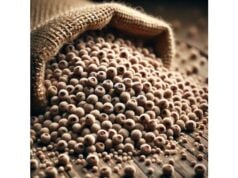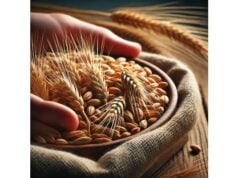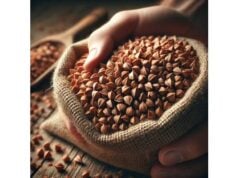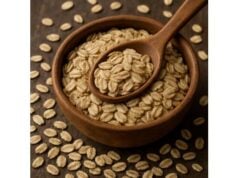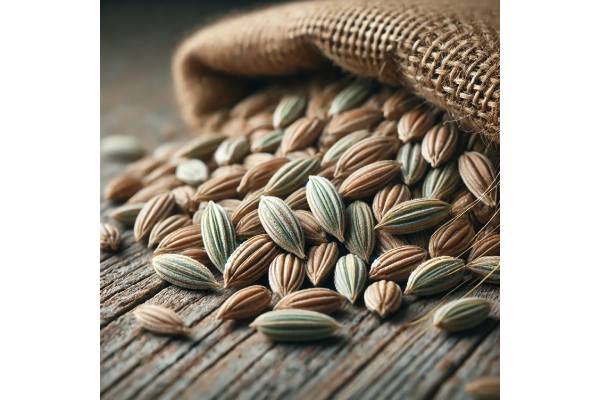
Rye is a hardy cereal grain that delivers dense, earthy flavor along with standout nutrition. Whole rye is naturally rich in fiber—especially the viscous arabinoxylans that support steady energy and digestive regularity. It also supplies B vitamins, minerals like manganese and magnesium, and distinctive phytonutrients found mostly in rye. In the kitchen, rye is versatile: cook the berries for chewy grain bowls, simmer cracked rye into a creamy hot cereal, or bake robust breads and crispbreads. Sourdough fermentation pairs especially well with rye’s chemistry, improving texture and mineral availability. From a health perspective, rye foods are linked with better insulin economy after meals, improved satiety, and modest support for weight management when they replace refined grains. As with all grains, quality and portion size matter. Choosing true whole-grain rye and balancing servings with vegetables, legumes, nuts, and lean proteins helps you get the benefits without overshooting carbs or calories. For most people, rye can be part of an everyday pattern of whole-grain eating.
Quick Overview
- Whole-grain rye offers high fiber (≈15 g per 100 g) that supports satiety and regularity.
- Typical serving: 1 slice whole-grain rye bread (35–50 g) or ½ cup cooked rye berries (90–120 g), enjoyed most days within overall grain targets.
- People with celiac disease or gluten sensitivity should avoid rye; those with IBS may tolerate sourdough rye better than yeasted rye.
- Potential risk: ergot alkaloid contamination is controlled by modern milling standards; buy from reputable brands and discard visibly contaminated grains.
- Individuals on medications with narrow absorption windows (e.g., levothyroxine) should separate dosing from high-fiber meals by several hours.
Table of Contents
- Rye Explained: Detailed Overview
- Rye Nutrition Profile (per 100 g)
- Evidence-Based Health Benefits
- Risks, Allergies and Interactions
- Selecting, Quality, Sustainability and Storage
- Preparation, Cooking and Nutrient Retention
- Portions, Comparisons and FAQs
Rye Explained: Detailed Overview
Rye (Secale cereale) is a cool-season cereal closely related to wheat and barley. It tolerates poor soils and cold climates, which is why it became a staple across Northern and Eastern Europe. As a crop, rye is valued for resilience: deep roots scavenge nutrients efficiently, robust stalks withstand wind, and the plant overwinters well, making it a common cover crop that protects soil and suppresses weeds. As a food, rye is most familiar in breads—think dense dark loaves and snappy crispbreads—but the whole grain also works beautifully in salads, stews, and breakfast bowls.
What distinguishes rye nutritionally is its fiber profile and unique set of phytochemicals. Rye’s cell walls are rich in arabinoxylans, viscous fibers that thicken when hydrated. In the body, these fibers slow gastric emptying and carbohydrate absorption, contributing to steadier post-meal insulin responses compared with many wheat-based foods. Rye also contains lignans and alkylresorcinols—phenolic lipids concentrated in the bran layers—which act as biomarkers of whole-grain rye intake in nutrition research. While rye protein contains gluten and is therefore unsuitable for people with celiac disease, it contributes useful amounts of amino acids for the general population when combined with legumes, dairy, eggs, fish, or meat across the day.
Rye is milled into several flour types. “Light” or “white” rye has most bran and germ removed, yielding lighter color and milder flavor but fewer nutrients. “Medium” rye retains more outer layers. “Dark” rye and whole-grain (wholemeal) rye include the full kernel; pumpernickel grind is very coarse. Because rye gluten forms weaker networks than wheat, bakers rely on higher hydration and acidity (traditionally via sourdough) to create structure. This acidity does more than shape crumb: it can also increase mineral bioavailability by helping degrade phytates that otherwise bind iron and zinc.
Culinary uses extend beyond bread. Whole rye berries cook up pleasantly chewy, replacing farro or barley in recipes. Cracked rye makes a quick porridge. Rye flakes work like oat flakes in muesli or granola. The grain’s flavor is nutty with a subtle tang; toasting or scalding the flour before baking deepens aromatics of cocoa, malt, and fruit. If you enjoy bold, earthy grains that play nicely with smoked fish, mushrooms, caraway, or dill, rye earns a permanent place in the pantry.
Rye Nutrition Profile (per 100 g)
Serving basis: raw whole rye grain (unmilled) unless noted; bread and refined flours differ. %DV values use U.S. Daily Values for adults and children 4+ on a 2,000-kcal diet.
Macros and Electrolytes (per 100 g)
| Nutrient | Amount | %DV |
|---|---|---|
| Energy | 338 kcal | — |
| Carbohydrate | 76.0 g | 28% |
| Dietary Fiber | 15.0 g | 54% |
| Total Sugars | 1.0 g | — |
| Starch | ~60 g | — |
| Protein | 10.3 g | 21% |
| Total Fat | 1.6 g | 2% |
| Saturated Fat | 0.2 g | 1% |
| Sodium | 2 mg | 0% |
| Potassium | 510 mg | 11% |
| Water | ~11 g | — |
Fats and Fatty Acids
| Component | Amount | %DV |
|---|---|---|
| Monounsaturated Fat | ~0.2 g | — |
| Polyunsaturated Fat (mostly linoleic) | ~0.8 g | — |
| Trans Fat | 0 g | — |
| Cholesterol | 0 mg | 0% |
Protein and Amino Acids (overview)
| Component | Amount | %DV |
|---|---|---|
| Protein (total) | 10.3 g | 21% |
| Limiting Amino Acid | Lysine (grain-typical) | — |
Vitamins
| Vitamin | Amount | %DV |
|---|---|---|
| Thiamin (B1) | 0.30 mg | 25% |
| Riboflavin (B2) | 0.25 mg | 19% |
| Niacin (B3) | 4.3 mg | 27% |
| Vitamin B6 | 0.30 mg | 18% |
| Folate (DFE) | 38 µg | 10% |
| Vitamin E (alpha-tocopherol) | 0.85 mg | 6% |
| Vitamin K | 5 µg (approx.) | 4% |
Minerals
| Mineral | Amount | %DV |
|---|---|---|
| Iron | 2.6 mg | 14% |
| Zinc | 2.7 mg | 25% |
| Magnesium | 121 mg | 29% |
| Phosphorus | 332 mg | 27% |
| Manganese | 2.6 mg | 113% |
| Copper | 0.30 mg | 33% |
| Selenium | 14 µg | 25% |
| Calcium | 25 mg | 2% |
Carbohydrate Quality and Glycemic Metrics
- Carbohydrate is mostly starch within an intact fiber matrix; viscous arabinoxylans slow digestion.
- Whole-grain, high-fiber rye breads typically yield a lower post-meal insulin response than refined wheat breads.
- Glycemic impact varies with milling, fermentation (sourdough vs yeasted), and crumb structure; denser whole-grain loaves and crispbreads are generally more favorable than light, refined rye.
Bioactives / Phytonutrients
- Alkylresorcinols (bran-derived phenolic lipids), phenolic acids (notably ferulic), and lignans contribute antioxidant activity and serve as biomarkers of whole-grain rye intake in research.
Anti-nutrients and Processing Notes
- Phytates in bran can reduce iron and zinc absorption; soaking, sourdough fermentation, and sprouting help degrade phytate.
- Commercial breads may be fortified (e.g., iodized salt) or colored with caramel/malt; check labels for whole-grain content.
Footnote: Nutrient values reflect typical ranges for whole rye grain. Specific brands and flours vary with cultivar and milling.
Evidence-Based Health Benefits
Steadier post-meal insulin demand (“rye factor”). Trials comparing rye foods with refined wheat often report lower post-prandial insulin concentrations after rye meals even when glucose curves look similar. This “insulin economy” benefit aligns with rye’s viscous fiber (arabinoxylans), intact grain structure, and sourdough acidity in many traditional rye breads. A lower insulin response can, over time, support metabolic flexibility when paired with an overall healthy dietary pattern.
Satiety and weight-management support. In free-living and controlled settings, rye’s high fiber density and water-binding capacity promote earlier fullness and delayed return of hunger compared with refined wheat controls. In a 12-week randomized trial in adults with overweight or obesity, replacing refined wheat foods with high-fiber rye products within a calorie-reduced plan led to greater reductions in body weight and fat mass. Mechanistically, rye fibers nourish butyrate-producing gut microbes, and short-chain fatty acids (SCFAs) like butyrate interact with appetite-regulating pathways. While effects vary by individual and setting, substituting refined grains with whole-grain rye is a practical strategy for people seeking better appetite control.
Cardiometabolic markers. Rye foods can modestly support a healthier blood-lipid profile, especially when they displace refined grains and ultra-processed snacks. Benefits appear in part from fiber-driven bile-acid binding and fermentation to SCFAs that influence hepatic lipid metabolism. Some trials show small decreases in LDL cholesterol and inflammatory markers with high-fiber rye diets; others are neutral. The direction of effect is most favorable when rye intake is sustained, products are truly whole-grain, and overall diet quality is high.
Digestive regularity and bowel function. With ~15 g fiber per 100 g raw grain and 6–12 g per 100 g in many rye breads and crispbreads, rye helps meet daily fiber targets. People who struggle with regularity often find that switching breakfast toast or crackers to a whole-grain rye option increases stool bulk and frequency within days. For sensitive guts, start with modest portions and plenty of fluids; sourdough fermentation tends to be gentler than yeasted breads.
Micronutrient and phytonutrient package. Rye supplies meaningful amounts of manganese, magnesium, phosphorus, zinc, and B-vitamins. When prepared via sourdough fermentation or sprouting, the mineral bioavailability improves further as phytate is partially broken down. Rye’s alkylresorcinols and lignans contribute to a distinctive phytochemical profile associated in cohort studies with markers of healthier metabolic status.
Who benefits most?
- Individuals replacing refined wheat products with whole-grain alternatives.
- People looking for steadier post-meal energy and improved satiety.
- Those interested in diverse whole-grains to broaden gut-microbe exposures.
Practical ways to get the benefit
- Swap refined sandwich bread for 100% whole-grain rye or traditional sourdough rye 3–5 days per week.
- Add ½–1 cup cooked rye berries to salads or soups in place of white rice.
- Choose rye crispbreads with ≥12% fiber by weight for a high-fiber snack.
Risks, Allergies and Interactions
Gluten content. Rye contains gluten (secalins). It is unsafe for people with celiac disease and generally unsuitable for those with medically diagnosed wheat allergy or non-celiac gluten sensitivity, who should follow clinician guidance. Cross-contamination with wheat during farming or milling is common, so “gluten-free” labeling legally excludes rye.
FODMAPs and IBS. Rye contains fructans—fermentable carbohydrates that can trigger bloating or discomfort in some people with irritable bowel syndrome (IBS). Fermentation reduces fructans: long-fermented sourdough rye is often better tolerated than yeasted rye. If you are on a low-FODMAP plan, work with a dietitian to test personal tolerance and consider small portions of true sourdough rye.
Ergot alkaloids (safety note). Rye is the cereal most prone to field infection by Claviceps purpurea (ergot), which can introduce ergot alkaloids. Modern safety systems set strict maximum levels for ergot sclerotia and alkaloids in grains and milling products. Reputable mills source and clean grain to meet these limits, and retail rye flour and breads comply when produced under good practices. Consumers should discard any home-grown or bulk grain that contains dark, horn-like sclerotia or has an unusually bitter, medicinal taste. Buying sealed, tested products from established brands minimizes risk.
Medication timing and mineral absorption. Large high-fiber meals can reduce absorption of some drugs. For medications with narrow therapeutic windows (e.g., levothyroxine), take them on an empty stomach and separate by several hours from fiber-rich meals including rye. Similarly, phytates in bran can reduce iron and zinc absorption in the same meal; pairing rye with vitamin-C-rich foods (citrus, peppers) and using sourdough methods help counter this effect.
Allergy cross-reactivity and personal triggers. People with established wheat allergy may react to rye due to shared proteins; evaluation with an allergist is advised before trialing rye. Migraines or vascular symptoms after consuming rye are rare; if they occur, stop intake and seek care to rule out sensitivity or contamination.
Who should limit or avoid rye?
- Individuals with celiac disease, wheat allergy, or medically diagnosed gluten sensitivity.
- People with IBS during strict low-FODMAP phases (later reintroduction under guidance may identify a personal threshold).
- Those advised to restrict potassium or fiber should consult their clinician about portions.
Bottom line. For most healthy adults, whole-grain rye is safe and beneficial when eaten as part of a varied diet. Choose trusted products, practice sensible portions, and tailor to your tolerance.
Selecting, Quality, Sustainability and Storage
How to buy true rye.
- Whole grain first: Look for “100% whole-grain rye” or “whole rye flour/wholemeal” as the first ingredient. “Light rye” typically has much of the bran and germ removed; “dark rye” and “pumpernickel” are closer to whole-grain but can still vary—check labeling and fiber per 100 g.
- Percent rye in bread: Many “rye breads” are mostly wheat plus coloring (caramel or malt) with caraway seeds. Choose loaves that disclose rye percentage (aim high) or artisan breads known for rye predominance.
- Crispbreads and crackers: Favor products with ≥12 g fiber per 100 g and short ingredient lists.
- Rye berries/flakes: Choose plump, uniform kernels or intact flakes with a clean, malty aroma. Avoid any presence of dark, horn-like ergot sclerotia.
Quality cues at home.
- Aroma and feel: Fresh rye flour smells clean and nutty; rancid flour smells paint-like. Whole-grain flours spoil faster due to natural oils in the germ.
- Grind and performance: For bread baking, medium to dark rye flours capture rye flavor; mix with some strong wheat flour if you want an airier crumb. For dense European styles, coarse whole-grain or pumpernickel rye plus sourdough gives authentic texture.
Sustainability profile.
- Hardy and input-efficient: Rye thrives on marginal lands with lower nitrogen fertilizer needs than many cereals, reducing runoff risk.
- Cover-crop benefits: Widely used to protect soil over winter, rye reduces erosion, suppresses weeds, and improves spring soil structure—ecosystem services that support regenerative systems.
- Diversification: Adding rye to rotations breaks pest cycles and can reduce overall pesticide pressure compared with monocultures.
Smart storage.
- Whole berries: Airtight container, cool and dark. Pantry: up to 6–12 months; refrigerator or freezer extends shelf life to 1–2 years.
- Whole-grain flour: Pantry: 1–3 months; refrigerator: up to 6 months; freezer: up to 1 year. Keep moisture-free to prevent caking and quality loss.
- Crispbreads/crackers: Reseal promptly; hygroscopic fibers pick up humidity and lose snap.
- Safety practice: Discard any grain or flour with visible mold, off odors, or foreign bodies. Buy from mills that publish testing or certifications where possible.
Budget and availability.
- Rye berries and flours are inexpensive per serving and widely available in European markets; in other regions, look to health-food stores or reliable online sellers. Buying in bulk makes sense if you can freeze flour or store berries airtight.
Preparation, Cooking and Nutrient Retention
Cooking rye berries (basic stovetop).
- Rinse 1 cup (200 g) rye berries; optional: soak 8–12 hours to reduce cook time and increase tenderness.
- Add to a pot with 3 cups (700–750 ml) water and a pinch of salt.
- Bring to a boil, then simmer covered 50–60 minutes (30–35 minutes if pre-soaked) until chewy-tender.
- Drain excess water; rest 5 minutes. Use warm or chilled.
Pressure cooker (quick method).
- 1 cup berries + 2¾ cups water; high pressure 25–30 minutes; natural release.
Cracked rye porridge.
- Simmer 1 cup cracked rye with 3½ cups water 20–25 minutes, stirring toward the end. Finish with yogurt, berries, seeds, and a splash of lemon for iron absorption.
Baking with rye (structure and sourdough).
- Hydration: Start around 70–85% hydration for pan loaves; rye absorbs and binds water strongly via pentosans.
- Acidity matters: Sourdough fermentation lowers pH, stabilizes rye starches, and improves sliceability. It also enhances mineral absorption by degrading phytate.
- Blends for lift: For open-crumb loaves, blend 30–60% rye with strong wheat flour. For classic dense styles, use 70–100% rye with sourdough and a long, low bake.
- Scalds and soakers: Pre-hydrate a portion of rye flour with hot water (“scald”) to coax deep malt, cocoa, and fruit notes.
Retaining nutrients.
- Prefer whole-grain rye over refined types to keep fiber, minerals, and bioactives.
- Use long fermentation (12–24 hours cold bulk or overnight preferments) to improve mineral bioavailability.
- Avoid over-toasting thin crispbreads to prevent unnecessary acrylamide formation; bake to light-gold rather than dark brown.
- Pair rye with vitamin-C-rich foods (citrus, peppers, sauerkraut) to enhance non-heme iron absorption.
Flavor pairings that shine.
- Savory: smoked fish, mushrooms, dill, caraway, mustard, aged cheeses, pickled vegetables.
- Sweet: honey, orange zest, plums, dark chocolate, toasted nuts and seeds.
Meal ideas.
- Nordic bowl: Rye berries, roasted beets, arugula, smoked trout, yogurt-dill dressing.
- Weeknight soup booster: Stir 1 cup cooked rye into vegetable or lentil soup for chew and fiber.
- Open-face sandwich: Sourdough rye, mustard, sauerkraut, and roasted turkey or tempeh.
Portions, Comparisons and FAQs
How much rye is a serving?
- Bread: 1 slice whole-grain rye (35–50 g).
- Crispbread: 2–3 standard pieces (30–45 g total).
- Cooked berries: ½ cup (90–120 g), about ⅓ cup dry.
Aim for whole-grains daily; many adults do well with 2–4 total servings of whole-grain foods spread across the day, using rye as one of several grains.
Who should prioritize rye?
- People seeking higher fiber intake and improved satiety.
- Those wanting variety beyond wheat, oats, and rice while maintaining a whole-grain focus.
- Individuals interested in sourdough breads and traditional European flavors.
Rye vs wheat.
- Fiber density: Rye typically delivers more total and viscous fiber per 100 g than wheat, favoring satiety and insulin economy.
- Gluten structure: Wheat forms stronger gluten; rye breads tend to be denser unless blended with wheat.
- Minerals: Rye often provides more magnesium, manganese, and zinc per 100 g whole grain.
- Tolerance: People with gluten-related disorders cannot consume either; some with IBS tolerate long-fermented rye better than standard wheat breads.
Rye vs oats and barley.
- Oats and barley are richer in beta-glucan (helpful for LDL lowering), while rye leads in arabinoxylans. Using all three across the week diversifies fibers and microbial substrates.
- Texture and uses differ: oats excel in porridge, barley in soups, rye in breads and crispbreads; all work as cooked grains in bowls and salads.
Does rye help with blood sugar?
- Rye foods—especially dense, whole-grain and sourdough styles—tend to lower post-meal insulin demand compared with refined wheat controls. This does not replace medication or overall carbohydrate management but can complement a diabetes-friendly eating pattern when portions are appropriate.
Is pumpernickel the same as rye?
- Pumpernickel refers to very coarse rye flour and a specific low-temperature, long bake that yields a dark, moist loaf with deep molasses-like notes. It is rye, but not all rye breads are pumpernickel.
Storage and leftovers.
- Rye bread keeps well due to lower staling in acidic doughs; store at room temperature for 2–3 days, then slice and freeze. Toast from frozen to revive flavor and texture.
One-minute label check for “real” rye.
- “Whole rye flour” or “whole-grain rye” first.
- Fiber ≥6 g per 100 g (higher is better).
- Limited sweeteners; prefer sourdough leavening.
- Caraway is optional; color alone does not prove rye content.
References
- USDA FoodData Central 2025 (Database)
- Effect of rye consumption on markers of glycemic control: evidence on the “rye factor”: a systematic review and meta-analysis of randomized controlled trials 2025 (Systematic Review)
- The Effects of High Fiber Rye, Compared to Refined Wheat, on Gut Microbiota Composition, Plasma Short Chain Fatty Acids, and Implications for Weight Loss and Metabolic Risk Factors (the RyeWeight Study) 2022 (RCT)
- Commission Regulation (EU) 2021/1399 of 24 August 2021 amending Regulation (EC) No 1881/2006 as regards maximum levels of ergot sclerotia and ergot alkaloids in certain foodstuffs (Text with EEA relevance) 2021 (Regulation)
- Effects of whole grains on glycemic control: a systematic review and meta-analysis 2024 (Systematic Review)
Disclaimer
This article is for educational purposes and is not a substitute for personalized medical advice, diagnosis, or treatment. Nutrition needs and tolerances vary. If you have celiac disease, a wheat or rye allergy, IBS, diabetes, kidney disease, or take medications affected by meal timing, consult a qualified healthcare professional or registered dietitian before making dietary changes.
If you found this guide helpful, please consider sharing it with friends or colleagues on Facebook, X (formerly Twitter), or your favorite platform. Your support helps us keep producing clear, evidence-based nutrition resources.