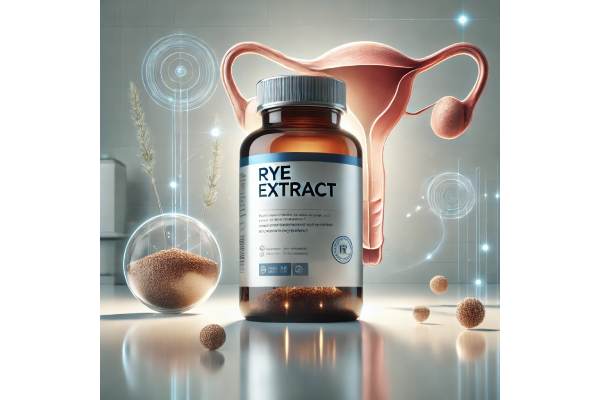
Rye extract has gained attention in nutrition and integrative medicine as a concentrated way to capture the benefits of rye, a traditional cereal grain. Depending on the product, “rye extract” may refer to whole-grain rye concentrates used for metabolic and cardiovascular health, or to standardized rye grass pollen extracts used mainly for prostate and urinary symptoms. Both forms are rich in bioactive compounds such as dietary fiber, lignans, phenolic compounds, and phytosterols that may support cholesterol balance, blood sugar control, and lower urinary tract comfort.
At the same time, these supplements are not risk-free. Rye is a gluten-containing grain, and pollen extracts can trigger allergic reactions in sensitive individuals. Evidence for many marketed uses is still emerging, and doses used in research differ from those on retail labels. This guide walks you through what rye extract is, potential benefits, common uses, typical dosage ranges, known side effects, and who should avoid it, so you can discuss it more confidently with your health professional.
Key Insights about Rye extract
- Rye extract can provide concentrated dietary fiber, lignans, and phenolic compounds that may support cholesterol, blood sugar, and gut health.
- Standardized rye pollen extract is mainly used for lower urinary tract symptoms and chronic pelvic pain in men, with modest but promising evidence.
- Typical rye pollen extract protocols in studies use about 2 tablets taken 2–3 times daily, providing roughly 250–400 mg of standardized extract per day.
- People with celiac disease, gluten sensitivity, or pollen allergy should generally avoid rye extract unless specifically cleared by a clinician.
Table of Contents
- What is rye extract and how is it made?
- How rye extract works in the body
- Evidence based benefits and common uses
- How to take rye extract and typical dosage
- Side effects, risks, and interactions
- Who may benefit and who should avoid it
What is rye extract and how is it made?
“Rye extract” is an umbrella term that covers several related but distinct products. Understanding which type you are looking at is the first step to using it safely and effectively.
- Whole-grain rye extract or concentrate
These products start from rye grain (Secale cereale). Food technologists mill and process the whole grain (endosperm, bran, and germ) to create a concentrated powder or liquid with a standardized content of fiber, lignans, and other phytochemicals. Some extracts focus on:
- High fiber fractions (rich in arabinoxylans and beta-glucans)
- Phenolic-rich fractions (alkylresorcinols, phenolic acids)
- Lignan-rich extracts (precursors of enterolactone produced by gut bacteria) These are usually marketed for cardiometabolic health, digestive support, and general wellness, sometimes added to functional foods or capsules.
- Rye grass pollen extract (Cernilton-type products)
A second major category is rye grass pollen extract, often combined with pollen from timothy and corn grasses. One well-known standardized preparation (often called Cernilton or similar names) is produced by extracting the pollen with water and organic solvents, then concentrating it into defined fractions:
- A water-soluble fraction rich in amino acids, carbohydrates, and some vitamins
- A fat-soluble fraction containing phytosterols and other lipophilic compounds This form is mainly used for benign prostatic hyperplasia (BPH), chronic prostatitis, and chronic pelvic pain syndrome (CP/CPPS) in men.
- Rye bran and rye sprout extracts
Some supplements use rye bran (the outer layers of the grain) or rye sprouts, standardized for fiber, minerals, or antioxidants. These often serve as supportive agents for gut health and lipid metabolism, and may be combined with other grains.
Because labels may simply say “rye extract,” it is important to check:
- Whether it is grain-based or pollen-based
- How much active extract each capsule, tablet, or serving contains
- Any standardization claims (for example, to fiber content, lignans, or pollen fractions)
If you are specifically interested in prostate or urinary symptoms, you are generally looking for standardized rye pollen extract. For blood sugar, cholesterol, or digestive support, you are likely looking for whole-grain rye or bran extracts.
How rye extract works in the body
The mechanisms of rye extract depend on the form used, but several themes repeat across the research: fiber-driven changes in the gut, bioactive plant compounds, and, for pollen extracts, local effects in the urinary tract and prostate.
- Dietary fiber and gut microbiota
Whole-grain rye has one of the highest fiber contents among commonly eaten cereals. Its arabinoxylan-rich fiber is highly fermentable by gut bacteria, leading to production of short-chain fatty acids (SCFAs) such as acetate, propionate, and butyrate. These compounds can:
- Support intestinal barrier function
- Influence appetite and satiety hormones
- Help regulate lipid and glucose metabolism Human intervention trials with high-fiber rye products show changes in gut microbial composition, increased beneficial bacteria (such as Bifidobacterium), and modest improvements in LDL cholesterol and some metabolic markers in certain populations.
- Phenolic compounds and lignans
Rye is rich in phenolic acids, alkylresorcinols, and plant lignans. These molecules have antioxidant and mild anti-inflammatory properties in experimental models. Lignans are converted by gut microbes into enterolignans such as enterolactone, which may exert weak estrogen-like effects and modulate various metabolic pathways. While the clinical impact is still being clarified, higher whole-grain rye consumption is associated in observational research with better lipid profiles and lower inflammation markers. - Pollen extract: prostate and urinary effects
Rye pollen extract appears to act differently from grain-based rye. Laboratory studies suggest several mechanisms that may explain its effects on prostatitis and BPH symptoms:
- Smooth muscle relaxation in the urethra and bladder neck region, which can ease urinary flow.
- Anti-inflammatory activity within prostate tissue, potentially by reducing prostaglandin synthesis and inflammatory cell activity.
- Anti-androgenic or hormonal modulation via phytosterols that may influence local hormone metabolism in the prostate. Clinical trials indicate that standardized pollen extracts can modestly reduce urinary urgency, nocturia, and pelvic pain scores in some men, although they do not consistently shrink prostate size or improve objective urinary flow rates.
- Metabolic and cardiovascular pathways
By combining fiber effects, phytosterols, and phenolic compounds, rye extracts may:
- Reduce bile acid reabsorption, promoting cholesterol excretion
- Slightly improve insulin sensitivity and post-meal glucose response in some individuals
- Favorably shift blood lipid profiles, particularly LDL cholesterol, in the context of a whole-grain-rich diet
These pathways explain why rye extract is often positioned for metabolic health, cardiovascular support, and male urinary comfort, even though the strength of evidence varies across indications.
Evidence based benefits and common uses
Rye extract is not a cure-all, but several potential benefits are supported by human and preclinical research, especially when used as part of a broader lifestyle approach.
- Support for cholesterol and cardiovascular risk factors
Diets rich in whole-grain rye are associated with:
- Modest reductions in total and LDL cholesterol compared with refined wheat in controlled trials.
- Improvements in certain metabolic syndrome markers in men at elevated cardiometabolic risk.
- Favorable changes in blood pressure and inflammatory markers in some observational studies. These benefits likely arise from rye’s viscous fiber and bioactive phytochemicals acting together with an overall heart-healthy diet.
- Blood sugar and weight management support
Rye-based meals often produce a different glycemic and appetite profile than refined wheat. In controlled feeding studies:
- Whole-grain rye products can lead to slower post-meal glucose rises in some participants.
- Participants sometimes report longer lasting satiety after rye-based breakfasts, which may help with calorie control over the day. These effects are modest and vary between individuals, but they form part of the rationale for using rye extracts in metabolic wellness formulas.
- Prostate and urinary symptom relief (rye pollen extract)
Standardized rye grass pollen extracts have been evaluated in men with:
- Benign prostatic hyperplasia (BPH) and lower urinary tract symptoms
- Chronic prostatitis / chronic pelvic pain syndrome (CP/CPPS) Clinical trials and systematic reviews report that rye pollen extract can:
- Improve self-rated urinary symptoms such as frequency and nocturia in some men with BPH.
- Reduce pelvic pain scores and improve quality of life metrics in CP/CPPS.
- Be generally well tolerated, with low rates of serious adverse events in studied populations. However, improvements are usually modest, trials are relatively small and short-term, and not all studies agree. Pollen extract should be seen as a possible adjunct, not a replacement for established evaluation and treatment of prostate disease.
- Digestive and gut health support
Fiber-rich rye extracts can:
- Increase stool bulk and frequency in people with low baseline fiber intake.
- Promote beneficial gut bacteria and SCFA production, which may have downstream benefits for metabolic and immune function. As with other high-fiber supplements, benefits are greatest when paired with adequate fluid intake and a generally healthy diet.
- General antioxidant and anti-inflammatory support
Rye grain contains polyphenols, alkylresorcinols, and other phytochemicals with antioxidant activity in experimental systems. While it is difficult to translate this directly into specific clinical outcomes, these compounds contribute to rye’s appeal as part of an anti-inflammatory dietary pattern.
In practice, people most often use rye extract for:
- Cardiometabolic support (grain-based extracts and functional foods)
- Prostate and urinary comfort (standardized rye pollen extracts)
- General digestive health and regularity (fiber-focused preparations)
How to take rye extract and typical dosage
Because “rye extract” covers multiple product types, there is no single standard dose. Instead, it is helpful to consider two main categories: grain-based extracts and pollen-based extracts.
- Grain-based rye extracts (fiber and metabolic support)
These may be sold as powders, granules, capsules, or as part of rye-enriched foods. Study protocols and product labels typically fall within these ranges:
- Powdered rye fiber or bran extracts
- Common supplemental intakes: 5–15 g per day, divided across meals.
- Often mixed into smoothies, yogurt, or baked goods.
- Usually taken with plenty of water to reduce digestive discomfort.
- Rye extract capsules
- Typical serving sizes: 500–1,000 mg per capsule.
- Daily amounts in marketed products often range from 1–3 g per day, split into 2–3 doses with meals.
Human whole-grain rye studies frequently use rye-rich diets equivalent to 50–100 g of whole-grain rye per day. Extract doses are formulated to approximate some of these fiber and phytochemical intakes, but products differ widely. Always follow the manufacturer’s instructions and your clinician’s guidance.
- Rye pollen extract (Cernilton-type products)
For prostate and pelvic pain indications, clinical trials with rye grass pollen extract have used standardized products at fairly consistent dose patterns:
- Tablet strength
- Many formulations provide about 60–70 mg of standardized pollen extract per tablet (including water-soluble and fat-soluble fractions).
- Typical trial regimens
- 2 tablets, 2–3 times daily, usually with meals.
- This corresponds to a total of roughly 250–400 mg of rye pollen extract per day, depending on the product.
- Treatment durations in studies often range from 3 to 6 months, sometimes longer in chronic conditions.
Because pollen extract is a pharmacologically active substance, it is important not to exceed the dose recommended by your doctor or the product label without medical advice.
- Practical dosing tips
- Start low and go slow
Especially with high-fiber rye extracts, begin at the lower end of the suggested range (for instance, half a scoop or one capsule per day) and increase gradually over one to two weeks to allow your gut to adapt. - Take with food and water
Taking rye extract with meals can improve tolerance and may align better with the way it has been used in studies. Adequate fluid intake is essential when increasing fiber intake to reduce the risk of bloating or constipation. - Coordinate with medications
High-fiber cereals may affect the absorption of some oral medications and thyroid hormones if taken at the same time. As a general rule, separating medications and high-fiber supplements by at least 2 hours is a prudent strategy, but you should confirm timing with your healthcare provider.
There are no official recommended daily allowances for rye extract. Dosing should be individualized based on your health goals, other medical treatments, and tolerance.
Side effects, risks, and interactions
Rye extract is often marketed as a “natural” or gentle supplement, but it still carries potential risks. The nature and likelihood of side effects depend on whether you are using grain-based or pollen-based products.
- Common, usually mild side effects
- Digestive symptoms (grain-based extracts)
- Bloating, gas, and abdominal discomfort, particularly when starting at higher doses.
- Temporary changes in bowel habits (looser stools or, less often, constipation), especially if fluid intake is low. These symptoms often improve as your body adapts to higher fiber intake over several days to weeks.
- Mild nausea or stomach upset (any form)
Some people experience queasiness if they take rye extract on an empty stomach. Taking it with food may help.
- Allergic reactions and intolerance
- Gluten and cereal allergy
Rye is a gluten-containing grain. People with: - Celiac disease
- Non-celiac gluten sensitivity
- Documented wheat or rye allergy should avoid grain-based rye extracts unless specifically evaluated and cleared by a specialist. Even if a product emphasizes “fiber” or “bran,” it can still contain gluten and relevant allergens.
- Pollen allergy (pollen-based extracts)
Rye pollen extract may trigger allergic reactions in individuals sensitive to grass pollens. Possible reactions include: - Itching, hives, or skin rash
- Nasal congestion or wheezing
- In rare cases, more serious reactions Anyone with a history of significant pollen allergies should approach rye pollen extract with caution and only under medical supervision.
- Blood sugar and blood pressure effects
For most people, rye’s impact on blood sugar and blood pressure is either neutral or mildly beneficial. However:
- Individuals on insulin or oral hypoglycemic medications should monitor their blood glucose when making big changes to whole-grain or fiber intake.
- Those with low blood pressure or multiple blood pressure medications should be monitored if using rye extract as part of broader dietary changes that might influence vascular health.
- Drug and nutrient interactions
Potential interactions include:
- Reduced absorption of oral medications when taken at the same time as high-fiber rye products (for example, certain thyroid medications, some antibiotics, and iron supplements). Separating doses by several hours can reduce this risk.
- Theoretical interactions between pollen extract and anticoagulant or antiplatelet drugs, since pollen preparations can contain bioactive compounds that influence inflammation and vascular function. While strong clinical data are limited, it is wise to inform your prescribing physician if you are taking both.
- Safety in pregnancy, breastfeeding, and children
- Pregnancy and breastfeeding
There is insufficient high-quality safety data on concentrated rye extracts—especially pollen-based products—in pregnancy or breastfeeding. Whole-grain rye foods eaten as part of a normal diet are generally considered safe for healthy individuals who tolerate gluten, but supplement-strength extracts should only be used under medical advice. - Children and adolescents
Occasional rye-based foods are normal in many diets, but concentrated rye or pollen extracts are usually not studied in younger populations. They should not be given to children without a clinician’s approval.
If you experience chest pain, new or worsening urinary symptoms, difficulty breathing, rash, or swelling after starting rye extract, stop the supplement and seek medical care immediately.
Who may benefit and who should avoid it
Rye extract can be helpful for some people when used carefully and in the right context. It is not appropriate for everyone, and it should never delay evaluation of serious symptoms such as urinary retention, blood in the urine, unexplained weight loss, or severe pelvic pain.
- People who may benefit from grain-based rye extracts
Rye grain or bran extracts may be worth discussing with your clinician if you:
- Are working on cholesterol or metabolic health and already focusing on diet, exercise, and other medical therapy.
- Have low fiber intake and want a cereal-based way to increase fiber for digestive regularity and gut support.
- Prefer supplement powders or capsules instead of relying entirely on bread and whole-grain foods.
Even in these cases, rye extract works best as part of a broader lifestyle plan that includes whole fruits, vegetables, legumes, and other whole grains.
- People who may benefit from rye pollen extract
Standardized rye pollen extract may be considered (under medical supervision) for:
- Men with mild to moderate lower urinary tract symptoms related to benign prostatic hyperplasia who want to try a phytotherapy adjunct alongside or in place of certain pharmaceuticals.
- Men with chronic prostatitis / chronic pelvic pain syndrome who have persistent pain and urinary discomfort despite other management strategies, and who are open to trialing evidence-informed complementary therapies.
In these situations, pollen extract is typically considered an adjunct, not a primary or emergency treatment. Proper urological evaluation is essential before starting.
- Who should generally avoid rye extract
Rye extract is often not appropriate for people with:
- Celiac disease or confirmed gluten intolerance, especially for grain-based extracts.
- Known allergy to rye, wheat, or grass pollens, especially for pollen-based preparations.
- A history of severe anaphylaxis or multiple food allergies, unless a specialist is closely supervising.
- Significant kidney disease, where sudden large increases in dietary fiber and certain minerals may require careful monitoring.
- Active gastrointestinal disorders that are aggravated by high fiber (for example, certain strictures, severe inflammatory bowel disease flares), unless a gastroenterologist has advised otherwise.
- How to choose a rye extract supplement wisely
If, after consultation, you and your clinician decide that rye extract fits your health plan, look for:
- Clear labeling of the source: grain-based vs pollen-based, with the botanical name Secale cereale and any other plants included.
- Standardized content where possible, such as defined amounts of pollen fractions, fiber, or specific phytochemicals.
- Evidence of quality control, such as adherence to Good Manufacturing Practice (GMP) and third-party testing for contaminants.
- Reasonable dosage that aligns with amounts used in studies, rather than extremely high, untested doses.
Finally, maintain regular follow-up with your health professional to monitor symptoms, lab markers (such as lipids or blood sugar), and any side effects. Supplements should be re-evaluated periodically rather than taken indefinitely without review.
References
- Rye (Secale cereale L.) revisited—nutritional composition, functional benefits, and role in sustainable diets 2025 (Review)
- Metabolic changes in response to varying whole-grain wheat and rye intake 2024 (Randomized Dietary Intervention)
- Effects of whole-grain wheat, rye, and lignan supplementation on cardiometabolic risk factors in men with metabolic syndrome: a randomized crossover trial 2020 (RCT)
- A systematic review of Cernilton for the treatment of benign prostatic hyperplasia 2000 (Systematic Review)
- The role of flower pollen extract in managing patients affected by chronic prostatitis/chronic pelvic pain syndrome: a comprehensive analysis of all published clinical trials 2017 (Systematic Review and Meta-analysis)
Disclaimer
The information in this article is for general educational purposes only and is not intended to provide medical advice, diagnose any condition, or replace a one-to-one consultation with a qualified healthcare professional. Rye extract and rye pollen extract can interact with medical conditions and prescription medicines, and their safety has not been fully established for all populations, including people who are pregnant, breastfeeding, or living with chronic disease. Always discuss any new supplement, including rye extract in any form, with your doctor, pharmacist, or other licensed health professional before starting, changing, or stopping it. Never disregard or delay seeking professional medical advice because of something you have read online.
If you found this guide helpful, you are warmly invited to share it with others on Facebook, X (formerly Twitter), or any social platform you prefer, and to follow our work on social media. Your thoughtful sharing helps support our team in continuing to create clear, evidence-informed health content.