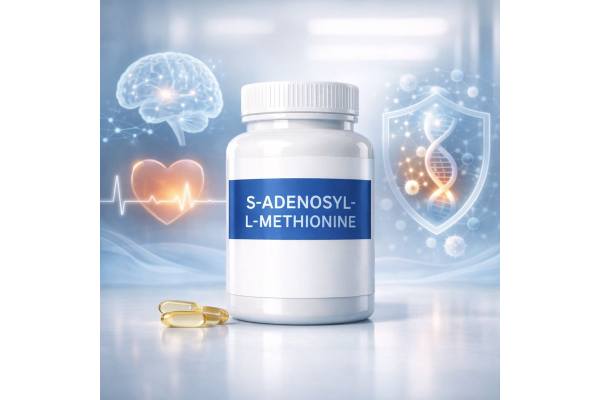
S-adenosyl-L-methionine, often shortened to SAMe, is a naturally occurring compound your body makes from the amino acid methionine. It acts as a universal “methyl donor,” helping switch genes on and off, support neurotransmitter production, and maintain healthy liver and joint function. Because of this central role in metabolism, SAMe has been studied as a supplement for mood support, osteoarthritis pain, and certain liver conditions.
Interest in SAMe has grown as people look for options beyond standard antidepressants and pain medications. Research suggests it may provide moderate relief for depressive symptoms, be roughly comparable to some anti-inflammatory drugs for osteoarthritis pain, and modestly improve liver function markers in specific types of chronic liver disease. At the same time, SAMe is not risk free: it can cause gastrointestinal discomfort and, rarely, trigger manic symptoms in vulnerable individuals. This guide walks you through what SAMe is, what the evidence actually shows, how to take it, and who should avoid it.
Key Insights for S-adenosyl-L-methionine
- SAMe may modestly improve depressive symptoms and support joint comfort and mobility in some people.
- Typical supplemental doses range from 400 to 1600 mg per day, usually divided into two or three doses.
- Common side effects include nausea, gas, diarrhea, constipation, dry mouth, headache, and insomnia at higher doses.
- People with bipolar disorder or a history of manic or psychotic episodes should avoid SAMe unless closely supervised by a psychiatrist.
- SAMe should not be combined with antidepressant or other strongly serotonergic medications without medical supervision because of serotonin syndrome risk.
Table of Contents
- What is S-adenosyl-L-methionine?
- Evidence based benefits of S-adenosyl-L-methionine
- How to take S-adenosyl-L-methionine
- S-adenosyl-L-methionine dosage by condition
- Safety and side effects of S-adenosyl-L-methionine
- Who should avoid S-adenosyl-L-methionine
- Evidence and practical tips for S-adenosyl-L-methionine
What is S-adenosyl-L-methionine?
S-adenosyl-L-methionine (SAMe) is a compound your body synthesizes mainly in the liver from methionine and ATP, the cell’s basic energy currency. Biochemically, SAMe is one of the most important methyl donors in human metabolism. “Methylation” is a core process where a small methyl group is transferred onto DNA, proteins, phospholipids, and neurotransmitters, subtly shifting how cells function.
Through these reactions, SAMe influences gene expression, membrane fluidity, and the production of key brain chemicals such as serotonin, dopamine, and norepinephrine. It is also involved in pathways that produce glutathione, one of the body’s main antioxidant and detoxification molecules. Because of this, SAMe connects mood regulation, liver health, and cellular resilience.
In supplements, SAMe is typically sold as enteric-coated tablets containing a stabilized salt form, often S-adenosyl-L-methionine disulfate monotosylate. This coating helps SAMe survive stomach acid and reach the small intestine, where it can be absorbed. Oral SAMe reaches its peak blood levels about three to five hours after ingestion, with a relatively short half-life of around 1.5 hours.
Commercial products are usually labeled by the “elemental SAMe” content rather than the total salt weight, which can be confusing. Quality products specify both, and the elemental dose is the one that should be compared to study doses.
Because SAMe is both produced by the body and taken as a supplement, it sits at the intersection of nutrition, pharmacology, and psychiatry. The same biochemical flexibility that makes it interesting as a therapy also means it can interact with multiple pathways at once, which is why dosing and safety require careful thought rather than a “more is better” approach.
Evidence based benefits of S-adenosyl-L-methionine
Most research on SAMe focuses on three broad areas: mood disorders, joint pain from osteoarthritis, and chronic liver disease. The strength of evidence is not equal across these conditions, and in each case SAMe should be seen as a possible adjunct, not a cure-all.
For depression and mood symptoms, systematic reviews and meta-analyses of randomized controlled trials indicate that SAMe is more effective than placebo for reducing depressive symptoms, with a moderate effect size in many analyses. However, it does not consistently outperform standard antidepressants or show clear added benefit when combined with them. Overall, the data suggest SAMe may be a reasonable option for some patients who prefer nutraceutical approaches or who have not fully responded to other treatments, but it is not a replacement for comprehensive mental health care.
In osteoarthritis, especially of the knee and hip, randomized trials and reviews indicate that SAMe can reduce pain and improve function similarly to certain nonsteroidal anti-inflammatory drugs (NSAIDs), though it tends to act more slowly. A well-known trial comparing 1200 mg per day of SAMe with celecoxib found that celecoxib provided faster early pain relief, but by later weeks the two treatments had similar outcomes on pain and functional scores. Evidence quality is mixed, and more modern, high-quality trials are still needed.
For liver disease, SAMe has been studied in various forms of chronic liver injury and intrahepatic cholestasis. A systematic review and meta-analysis of chronic liver disease suggests that SAMe can improve some liver function tests and symptoms such as pruritus, but it may be less effective than first-line agents like ursodeoxycholic acid in specific cholestatic conditions. The overall conclusion is that SAMe may have a modest supportive role rather than serving as a primary treatment.
There are also smaller or preliminary studies exploring SAMe in conditions like cognitive symptoms, fibromyalgia, or neuropathic pain, but these areas currently have much weaker data and should be considered experimental.
How to take S-adenosyl-L-methionine
Because SAMe is relatively sensitive to stomach acid and moisture, how you take it affects both its stability and your likelihood of side effects. Most clinical studies use enteric-coated tablets, taken on an empty stomach or between meals to improve absorption. If you are prone to nausea, taking SAMe 30–60 minutes before breakfast with a small amount of water often works better than swallowing it with a heavy meal.
Many practitioners recommend starting with a lower dose and gradually increasing over one to two weeks. A common pattern is to begin with 200–400 mg once daily in the morning and, if well tolerated, increase to 400 mg twice daily, then possibly three times daily depending on the goal and medical advice. Splitting the dose tends to smooth blood levels and may reduce gastrointestinal discomfort.
Because SAMe can influence energy and sleep, it is usually taken earlier in the day. Some people report feeling more alert or even slightly “wired” at high doses. For that reason, late afternoon or evening doses are often avoided unless a clinician specifically recommends them.
Practical tips to improve tolerability and consistency include:
- Using a pill organizer and taking SAMe at the same time each day.
- Storing the blister packs or bottle away from heat and humidity to protect potency.
- Not breaking or crushing enteric-coated tablets, since this can defeat the coating and increase stomach irritation.
- Combining SAMe use with lifestyle measures (sleep, exercise, therapy, joint-friendly movement) rather than seeing it as a stand-alone solution.
Finally, SAMe should always be considered in the context of your full medication list. Because it can affect serotonin and methylation pathways, checking for interactions with antidepressants, antiparkinsonian drugs, and other serotonergic or dopaminergic agents is essential before starting.
S-adenosyl-L-methionine dosage by condition
There is no single “right” dose of SAMe for everyone. Clinical studies use a range of doses depending on the condition, the formulation, and whether SAMe is used alone or alongside other treatments. The ranges below are general educational examples, not prescriptions, and individual dosing should always be guided by a qualified clinician.
For depression and mood symptoms, many trials use daily doses between 800 and 1600 mg of elemental SAMe, typically divided into two or three doses. Some studies start at 400 mg twice daily and increase to 800 mg twice daily if needed and tolerated. Lower doses (for example, 400–800 mg per day) may be inadequate for moderate to severe depression in many patients, which is reflected in guideline statements that caution against underdosing.
For osteoarthritis, most oral studies have used 600–1200 mg per day, often 400 mg three times per day or 600 mg twice per day. In the trial comparing SAMe to celecoxib for knee osteoarthritis, participants took 1200 mg per day of SAMe in divided doses. Pain relief tended to build gradually over several weeks, with comparable results to celecoxib by the end of the study.
In chronic liver diseases and intrahepatic cholestasis, doses in trials range roughly from 800 to 1600 mg per day, sometimes after an initial course of intravenous SAMe in hospital settings. These regimens are more specialized and should be supervised by a hepatologist or gastroenterologist, especially when combined with other liver-directed treatments.
A common practical dosing strategy, if SAMe is appropriate for you and cleared by your clinician, is:
- Start: 200–400 mg once daily in the morning.
- Titrate: Increase by 200–400 mg every 3–7 days based on response and tolerability.
- Typical target: 800–1200 mg per day for most uses; up to 1600 mg per day in select cases under medical supervision.
- Reassessment: Evaluate effect on symptoms after 4–8 weeks. If there is no meaningful benefit at a well-tolerated dose, continuing indefinitely is unlikely to help.
Because SAMe participates in methylation, people with certain inborn metabolic disorders, advanced liver failure, or very complex medication regimens may require lower doses or complete avoidance.
Safety and side effects of S-adenosyl-L-methionine
Overall, SAMe has been relatively well tolerated in clinical trials, with adverse events often comparable to placebo or common medications. However, “well tolerated” at a population level does not mean harmless for every individual, and some side effects are important to understand before starting.
The most frequently reported issues are gastrointestinal and include nausea, gas, diarrhea, constipation, abdominal discomfort, and loss of appetite. Headache, dry mouth, sweating, dizziness, and mild anxiety or restlessness are also reported, particularly at higher doses. In systematic reviews of SAMe for central nervous system symptoms, adverse events were mostly mild and transient, and serious events were rare.
A more specific concern is the potential for SAMe to trigger or worsen manic or hypomanic episodes, especially in individuals with bipolar disorder or those vulnerable to mood switching. Case reports describe the emergence of mania or psychosis shortly after starting SAMe, sometimes in combination with antidepressants. Because SAMe can increase the synthesis of monoamine neurotransmitters and influence serotonergic pathways, this risk is biologically plausible and taken seriously by psychiatric guidelines.
SAMe can also interact with medications that affect serotonin levels. Taking SAMe along with selective serotonin reuptake inhibitors (SSRIs), serotonin–norepinephrine reuptake inhibitors (SNRIs), monoamine oxidase inhibitors, certain opioids, or other serotonergic supplements may increase the risk of serotonin syndrome, a potentially dangerous condition marked by agitation, sweating, tremor, and autonomic instability. While the absolute risk appears low, combinations should only be used under close medical supervision.
Other potential interactions include reduced effectiveness of levodopa used for Parkinson’s disease and theoretical effects on blood clotting due to SAMe’s influence on platelet function, although clinical data remain limited. People with significant cardiovascular, neurological, or hepatic conditions should not self-prescribe SAMe without professional oversight.
In pregnancy and breastfeeding, data are limited and mixed. Some studies have used SAMe for pregnancy-related cholestasis under specialist care, but routine, unsupervised use in pregnancy is not recommended.
Who should avoid S-adenosyl-L-methionine
Even though SAMe is sold as an over-the-counter supplement in many countries, it is not appropriate for everyone. Understanding when to avoid it is as important as knowing when it might help.
People with a current or past diagnosis of bipolar disorder, schizoaffective disorder, or psychotic depression should generally avoid SAMe unless a psychiatrist specifically recommends and monitors it. There are documented cases of SAMe precipitating manic or psychotic episodes, sometimes in patients without a previous psychiatric diagnosis, and the risk is likely higher in those with known vulnerability.
Anyone taking serotonergic medications should be cautious. This includes most antidepressants (SSRIs, SNRIs, MAOIs, tricyclics), some migraine drugs, certain opioids (such as tramadol), and several other agents that raise serotonin levels. The combination of SAMe with these drugs increases the theoretical and, in some cases, documented risk of serotonin syndrome. A pharmacist or physician should review your complete medication list before SAMe is added.
People with advanced liver failure, severe kidney disease, or rare inborn errors of sulfur amino acid metabolism should only use SAMe under specialist supervision, if at all. Although SAMe is often discussed as a “liver support” nutrient, dosing becomes more complex when the organ that normally makes and processes it is severely impaired.
Children and adolescents should not be given SAMe without specialist guidance, as there is little high-quality pediatric safety data. The same caution applies to pregnancy and breastfeeding: while SAMe has been used in some controlled settings for intrahepatic cholestasis of pregnancy, the balance of risks and benefits must be individualized by an obstetrician or hepatologist rather than decided in a supplement aisle.
Finally, anyone who has previously experienced unexplained agitation, insomnia, palpitations, or mood changes after trying SAMe or similar mood-active supplements should avoid re-challenge unless a clinician advises otherwise. In such cases, a thorough review for underlying mood or anxiety disorders is often more helpful than repeated supplement trials.
Evidence and practical tips for S-adenosyl-L-methionine
SAMe is one of the better-studied nutraceuticals in psychiatry and musculoskeletal medicine, but the evidence still has important limitations. Many trials are relatively small, short in duration, and use a variety of doses and formulations, which makes it harder to translate results directly into everyday practice.
For depression, recent meta-analyses suggest that SAMe monotherapy can offer moderate symptom improvement over placebo, with acceptability (dropout rates) comparable to other treatments. However, its advantage over standard antidepressants is not clearly demonstrated, and data on long-term use are limited. For osteoarthritis, SAMe appears to provide pain relief similar to NSAIDs over several weeks but has a slower onset of action and somewhat heterogeneous trial results. In chronic liver disease, SAMe may improve biochemical markers but has not consistently shown improved long-term clinical outcomes.
Given these nuances, a practical way to approach SAMe is to treat it as a structured trial rather than an open-ended commitment. That means:
- Clarifying your primary goal (for example, mood, joint pain, or liver support under medical care).
- Checking for contraindications and drug interactions in advance.
- Choosing a high-quality product with clear labeling of elemental SAMe content and enteric coating.
- Using a time-limited trial, such as 6–8 weeks at a clinically reasonable dose, with specific measures of progress (mood rating scales, pain scores, mobility, lab tests where appropriate).
- Stopping or re-evaluating if there is no clear benefit or if side effects become troublesome.
It is also wise to integrate SAMe into a broader plan: psychotherapy, physical activity, sound sleep routines, anti-inflammatory nutrition patterns, and appropriate medical treatments for underlying conditions. Supplements tend to work best when they are aligned with these fundamentals rather than used in isolation.
If you and your clinician decide to discontinue SAMe after medium- or high-dose use, tapering the dose over one to two weeks instead of stopping abruptly is a cautious approach, especially if you noticed significant mood or energy changes when starting it.
References
- Efficacy and acceptability of S-adenosyl-L-methionine (SAMe) for depressed patients: A systematic review and meta- analysis 2024 (Systematic Review and Meta-analysis).
- S-Adenosylmethionine (SAMe) for Central Nervous System Health: A Systematic Review 2024 (Systematic Review).
- S-Adenosyl-L-Methionine for the Treatment of Chronic Liver Disease: A Systematic Review and Meta-Analysis 2015 (Systematic Review and Meta-analysis).
- S-Adenosyl methionine (SAMe) versus celecoxib for the treatment of osteoarthritis symptoms: A double-blind cross-over trial. [ISRCTN36233495] 2004 (Randomized Trial).
- S-Adenosyl-L-Methionine – Special Subjects – MSD Manual Professional Edition 2025 (Clinical Overview).
Disclaimer
The information in this article is intended for general educational purposes only and is not a substitute for professional medical advice, diagnosis, or treatment. S-adenosyl-L-methionine can interact with medications and health conditions in ways that are not fully predictable from general guidance. Always discuss any new supplement, including SAMe, with your physician, pharmacist, or other qualified health professional who understands your full medical history and current treatment plan. Never delay or disregard professional medical advice because of something you have read online.
If you found this guide useful, you are warmly invited to share it on Facebook, X (formerly Twitter), or any platform you prefer, and to follow our work on social media. Your support through thoughtful sharing helps our team continue to research, write, and update high-quality, evidence-informed health content.