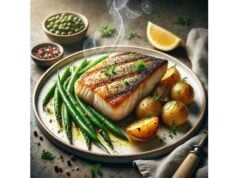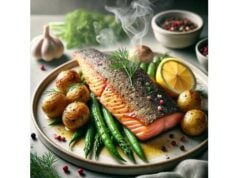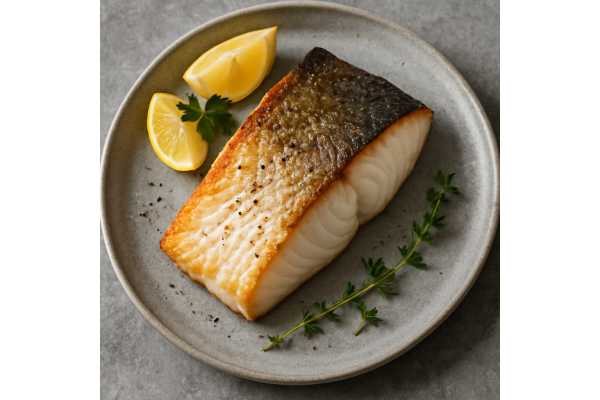
Sablefish—often called “black cod” on menus—is a deep, cold-water fish known for its velvet texture and rich, gently sweet flavor. Thanks to its high natural fat content, sablefish remains succulent even with high-heat methods like roasting or grilling, and it adapts beautifully to miso glazes, lemon-butter sauces, and aromatic broths. Nutritionally, it offers complete protein and an exceptional supply of marine omega-3s (EPA and DHA), alongside vitamin D, selenium, and B vitamins. Its fat is mostly heart-friendly monounsaturated and polyunsaturated fatty acids. Responsibly managed North Pacific fisheries and traceable aquaculture programs mean you can find high-quality, sustainable options year-round. This guide unpacks the details: what sablefish brings to your plate nutritionally, how it may support health goals, key safety points (allergens, mercury, parasites), how to buy and store it well, and the best ways to cook it for flavor, texture, and nutrient retention—plus practical portions and comparisons for everyday meal planning.
Top Highlights
- 100 g raw sablefish provides ~16–20 g protein and is notably high in omega-3s (≈1.5–2.5 g EPA+DHA).
- Naturally rich in vitamin D and selenium; fat profile is predominantly mono- and polyunsaturated.
- Typical serving is 100–120 g cooked fillet, enjoyed 1–2 times weekly within a varied seafood pattern.
- People with finfish allergy should avoid; sensitive groups should follow official fish-consumption guidance.
Table of Contents
- Detailed Overview
- Nutrition Profile
- Evidence-Based Health Benefits
- Risks, Allergies and Interactions
- Selecting, Quality, Sustainability and Storage
- Preparation, Cooking and Nutrient Retention
- Portions, Comparisons and FAQs
Detailed Overview
Sablefish (Anoplopoma fimbria) lives in the cold depths of the North Pacific, from Alaska down the West Coast. Despite the nickname “black cod,” it’s not a true cod; the moniker reflects its cod-like flake and culinary usability. What sets sablefish apart is its luxurious mouthfeel: the flesh is laced with intramuscular fat that keeps it moist, silk-smooth, and forgiving to cook. That fat also carries flavor, so simple seasonings—salt, pepper, lemon, and fresh herbs—become vivid, while bolder profiles like miso, maple-soy, or chili-garlic glaze cling beautifully without drying the fillet.
Culinary personality:
- Texture: Tender, buttery, flakes in large, soft layers.
- Flavor: Mildly sweet and rich, yet clean; it takes on marinades and smoke with ease.
- Versatility: Sear, roast, grill, broil, poach, or hot-smoke. Because it’s rich, modest portions feel satisfying.
Everyday uses:
- Weeknight roasting: A 2–3 cm-thick fillet roasts to perfection in under 15 minutes.
- Miso-marinade classic: A short marinade and a hot broil produce lacquered edges and custard-like centers.
- Poaching or en papillote: Gentle methods create a delicate, aromatic entrée with minimal added fat.
- Soup and stew accents: Chunks added near the end lend silkiness without falling apart.
Nutrition snapshot: Sablefish contains complete protein and particularly high long-chain omega-3s. It’s one of the richer sources of vitamin D in seafood, along with selenium and B vitamins like niacin and B12. Compared with lean white fish (cod, rockfish), sablefish has more calories per gram—largely because of its beneficial fats—but many find a smaller portion just as satisfying.
Sustainability lens: Many North Pacific sablefish fisheries are carefully managed with science-based quotas, observer programs, and gear rules that reduce bycatch. You’ll also find traceable aquaculture options. Ask sellers about origin, harvest method (longline, pot), and handling.
Storage and safety snapshot: Keep fillets very cold (≤4°C / ≤40°F); cook or freeze promptly. Cook to safe doneness—an internal temperature of 63°C (145°F) or until the thickest point is just opaque and flakes easily. Because sablefish is high in fat, it’s best enjoyed fresh or properly frozen to protect texture.
Nutrition Profile
Scope: The tables below report per 100 g raw sablefish (black cod). Cooking changes moisture and density; nutrient values per cooked serving will differ based on method and yield. %DV aligns with U.S. Daily Values for adults and children ≥4 years (2,000 kcal diet). Where no DV exists, an em dash appears.
Macros and Electrolytes (per 100 g, raw)
| Nutrient | Amount | %DV |
|---|---|---|
| Energy | ~190–250 kcal | — |
| Protein | ~16–20 g | 32–40% |
| Total fat | ~15–22 g | 19–28% |
| Saturated fat | ~3–5 g | 15–25% |
| Monounsaturated fat | ~7–10 g | — |
| Polyunsaturated fat | ~3–5 g | — |
| Carbohydrate | 0 g | 0% |
| Fiber | 0 g | 0% |
| Sugars | 0 g | — |
| Sodium | ~60–90 mg | 3–4% |
| Potassium | ~330–450 mg | 7–10% |
Notes: The wide fat range reflects season, feeding, and cut. Sablefish belly (toro) contains more fat than loin.
Fats and Fatty Acids
| Component | Amount | %DV |
|---|---|---|
| Omega-3 (EPA + DHA, total) | ~1.5–2.5 g | — |
| — EPA (20:5n-3) | ~0.6–1.0 g | — |
| — DHA (22:6n-3) | ~0.9–1.5 g | — |
| Omega-6 (total) | ~0.3–0.5 g | — |
| Cholesterol | ~55–70 mg | 18–23% |
Why it matters: Sablefish ranks among the top finfish for EPA+DHA. A typical cooked portion (100–120 g) can deliver over 1 gram of combined omega-3s.
Protein and Amino Acids
| Item | Amount |
|---|---|
| Complete protein | ~16–20 g |
| Essential amino acids | Balanced profile characteristic of marine finfish |
Practical tip: Pair with legumes or whole grains for added fiber and micronutrients.
Vitamins
| Vitamin | Amount | %DV |
|---|---|---|
| Vitamin D | ~10–20 µg (400–800 IU) | 50–100% |
| Vitamin B12 (cobalamin) | ~1.0–2.0 µg | 42–83% |
| Niacin (B3) | ~7–9 mg | 44–56% |
| Vitamin B6 (pyridoxine) | ~0.3–0.5 mg | 18–29% |
| Choline | ~60–90 mg | 11–16% |
| Vitamin A (retinol activity) | Trace–low | — |
Note: Vitamin D varies by season and diet; fatty species like sablefish often provide reliable amounts.
Minerals
| Mineral | Amount | %DV |
|---|---|---|
| Selenium | ~35–55 µg | 64–100% |
| Phosphorus | ~200–250 mg | 16–20% |
| Magnesium | ~25–35 mg | 6–8% |
| Calcium | ~10–25 mg | 1–2% |
| Iron | ~0.3–0.6 mg | 2–3% |
| Zinc | ~0.4–0.7 mg | 4–6% |
| Iodine | ~40–80 µg (region-dependent) | 27–53% |
Bioactives and Processing Notes
- High lipid fraction preserves moisture and carries fat-soluble vitamins.
- Phospholipids and marine omega-3s support membrane fluidity and downstream specialized pro-resolving mediators.
- Some frozen retail packs may include added salt or glazing; check labels if tracking sodium.
Contaminants and Residues
| Category | Typical Considerations |
|---|---|
| Methylmercury | Generally low to moderate for sablefish; varies by size and location |
| Fat-soluble pollutants | Proper trimming and sourcing reduce risk; choose reputable, traceable suppliers |
| Parasites and microbes | Controlled with cold-chain and thorough cooking or validated freezing for raw use |
Footnote: Representative ranges compiled from commonly reported nutrient datasets for North Pacific sablefish. Cooking concentrates nutrients per 100 g cooked due to moisture loss.
Evidence-Based Health Benefits
1) Heart-friendly omega-3s in practical portions
Sablefish delivers roughly 1.5–2.5 g of EPA+DHA per 100 g raw. Regular intake of long-chain omega-3s is associated with favorable triglyceride levels and heart-protective dietary patterns. Because sablefish is rich, smaller cooked portions (100–120 g) still contribute more than a gram of omega-3s—enough to help many people reach weekly targets when combined with other seafood.
2) Vitamin D support from food
With ~10–20 µg vitamin D per 100 g, sablefish provides a meaningful portion of daily needs from a whole-food source. This is especially helpful in winter, at higher latitudes, or for people with limited sun exposure, supporting bone mineralization and normal immune function as part of a balanced diet.
3) High-quality protein with superior satiety
Around 16–20 g protein per 100 g raw (more per cooked 100 g after water loss) supports muscle repair and satiety. Thanks to its fat content, sablefish feels indulgent at modest sizes, which may help some diners manage portions without feeling deprived.
4) Selenium for antioxidant defenses and thyroid hormone metabolism
A typical serving can provide two-thirds to a full day’s selenium, supporting glutathione peroxidases (cell membrane protection) and iodothyronine deiodinases (thyroid hormone activation).
5) B vitamins for energy metabolism
Niacin and B6 participate in carbohydrate and lipid metabolism, while B12 supports neurologic health and red blood cell formation. Sablefish supplies each in useful amounts.
6) Culinary versatility fosters adherence
Enjoyment drives consistency. Because sablefish is nearly “unruinable” when cooked attentively, home cooks can rely on it to stay moist and flavorful—whether broiled with miso, roasted with lemon, or gently poached—making seafood nights easy to sustain.
7) Better nutrient retention with short, hot cooking
The fish’s natural fat shields against drying. Quick roasting or broiling locks in moisture and protects heat-sensitive B vitamins compared with long simmering, while gentle poaching limits oxidation of polyunsaturated fats.
Risks, Allergies and Interactions
Allergy considerations
Sablefish is a finfish; those with confirmed finfish allergy should avoid it unless guided by an allergist. Allergenic muscle proteins are heat-stable and not reliably inactivated by cooking.
Mercury and other contaminants
Sablefish generally shows low to moderate methylmercury, with variability by age, size, and harvest area. Sensitive groups—those who are or may become pregnant, people who are breastfeeding, and young children—should follow official fish-choice guidance emphasizing lower-mercury selections and appropriate serving sizes.
Parasites and food safety
As a wild species, sablefish can host parasites. Risk is controlled by proper cold-chain and by cooking to 63°C (145°F) or using validated freezing protocols when preparing raw or lightly cured dishes. Keep seafood refrigerated at ≤4°C (≤40°F), avoid cross-contamination, and consume leftovers within 2–3 days.
Sodium and additives
Plain fillets are low in sodium, but some frozen packs include brines or seasonings. If you limit sodium, choose additive-free products and season food yourself.
Medication interactions
Food-level omega-3 intake is generally compatible with most medications. Individuals taking anticoagulants alongside high-dose fish oil should coordinate care with a clinician. Typical portions of sablefish do not meaningfully alter bleeding risk for most people.
Who should limit or avoid
- People with finfish allergy
- Sensitive groups following stringent low-mercury guidance (select smaller fish, adhere to advised servings)
- Individuals on strict sodium restriction when purchasing pre-seasoned or brined products
- Immunocompromised individuals should avoid raw or undercooked preparations
Selecting, Quality, Sustainability and Storage
Choosing quality sablefish
- Smell: Clean and oceanic—never sour or ammonia-like.
- Appearance: Lustrous, slightly off-white to ivory flesh; minimal gaping; if skin-on, look for silvery-black, intact skin.
- Texture: Fillets should feel dense and spring back when pressed lightly.
- Cut clues: Loin portions are thicker and a bit leaner; belly (toro) is richer and silkier.
Label reading
- Species and origin: “Sablefish (black cod), Anoplopoma fimbria,” with country or fishery area.
- Handling: “Previously frozen” vs “fresh.” Previously frozen at sea can rival fresh for texture.
- Additives: Check for added salt, phosphates, or marinades if you are monitoring sodium or prefer clean labels.
Sustainability pointers
- Favor traceable sources that disclose harvest area and gear (e.g., longline, pot).
- Many North Pacific fisheries are managed with quotas and monitoring to limit bycatch.
- Rotating seafood choices across the week spreads demand and supports resilient ecosystems.
Storage and handling
- Refrigerate at ≤4°C (≤40°F) on a rack over ice; cook within 1–2 days.
- Freeze promptly in air-tight wrap to prevent oxidation and freezer burn; for best quality, use within 2–3 months.
- Thaw overnight in the refrigerator or in a sealed bag under cold water, changing water every 30 minutes.
- Leftovers: Chill quickly; reheat gently just to steaming hot to avoid drying.
Smart questions for your fishmonger
- Where and how was this fish harvested?
- Was it frozen-at-sea? If so, when?
- Are there any additives or brines?
- Which cut am I buying—belly or loin?
Preparation, Cooking and Nutrient Retention
Safe doneness
Cook to 63°C (145°F) or until the thickest point is just opaque and flakes easily. Because sablefish is rich, it remains tender even if slightly above target, but the best texture arrives when you pull it as soon as it turns opaque.
Prep essentials
- Pat fillets dry to encourage browning.
- Season simply—salt, pepper—and layer flavors with a glaze or sauce at the end.
- If skin-on, score lightly to reduce curling and crisp the skin in a hot pan.
Flavor partners
- Bright and herbal: lemon, lime, orange zest, chive, dill, parsley
- Savory-sweet glazes: white miso, mirin, soy, maple, brown sugar (use lightly)
- Aromatics: ginger, garlic, scallion, black pepper, chili
- Umami boosters: miso-butter, white wine reduction, dashi, roasted mushrooms
Method guide and nutrient notes
- Roast or broil (high heat, short time): 200–230°C (400–450°F) for 8–14 minutes depending on thickness. Quick, hot cooking preserves moisture and B vitamins while crisping edges.
- Pan-sear, oven-finish: Start in a hot pan for color; finish in the oven. The fat content helps avoid sticking.
- Poach gently: In seasoned stock or milk at a bare simmer; preserves delicate texture and minimizes oxidation of polyunsaturated fats.
- Grill: Great for thicker loins; oil grates well and turn once.
- Hot-smoke: The high fat keeps flesh moist; mind sodium in brines if you are salt-conscious.
Retention pointers
- Keep time short and temperatures appropriate; the goal is just-opaque.
- Add acidic elements (citrus, vinegar) to brighten flavors without heavy salt.
- Rest 1–2 minutes off heat to let juices redistribute for a silky bite.
Two reliable recipes
Miso-broiled sablefish (serves 2)
- 2 fillets (120–140 g each)
- 1 tbsp white miso, 1 tsp mirin, 1 tsp soy, 1 tsp maple syrup, 1 tsp neutral oil
Whisk glaze. Pat fish dry, brush lightly, marinate 10–20 minutes. Broil on high 6–8 minutes, until edges char lightly and centers are just opaque. Finish with a squeeze of lemon.
Roasted lemon-herb sablefish (serves 3–4)
- 600 g fillet, lemon zest, minced garlic, chopped parsley, 1 tbsp olive oil, salt, pepper
Heat oven to 220°C (425°F). Rub fillet with oil, zest, garlic, and seasoning. Roast 10–12 minutes until just opaque. Scatter parsley and serve with roasted fennel and farro.
Portions, Comparisons and FAQs
Recommended serving and frequency
- Typical cooked serving: 100–120 g (about a palm-sized fillet).
- Enjoy 1–2 times weekly within a varied seafood plan that also includes lean and oily species.
How does sablefish compare to other fish?
- Sablefish vs salmon: Both are rich in omega-3s; salmon is slightly leaner by percentage of fat in some cuts but often similar per serving. Flavor profiles differ—sablefish is more buttery and delicate.
- Sablefish vs cod: Cod is lean and mild with far fewer calories and less omega-3. Sablefish is richer, silkier, and more forgiving to cook.
- Sablefish vs mackerel: Mackerel is also high in omega-3s but has a stronger flavor. Sablefish offers a milder, dessert-like texture with comparable omega-3 payloads.
- Sablefish vs halibut: Halibut is lean and can overcook quickly; sablefish remains moist thanks to its fat content.
Is sablefish high in mercury?
Typically low to moderate, with variation by size and region. Sensitive groups should follow official fish-choice charts and adhere to suggested portion sizes.
Can I eat sablefish skin?
Yes. When well-scaled and crisped, the skin is flavorful and protects the flesh. Dry thoroughly, sear skin-side down, and finish with citrus and herbs.
What wine or sides pair well?
Aromatic whites (riesling, viognier) or light-bodied reds (pinot noir) complement the richness. Serve with acid-forward sides—lemony greens, pickled vegetables, or herbed grain salads—to balance the fat.
How do I reheat without drying?
Reheat gently in a covered pan or a low oven (150–160°C / 300–325°F) for a few minutes, or flake cold into warm grain bowls so residual heat brings it to temperature.
Budget tips
Sablefish can be pricey. Buy frozen fillets or trim belly portions for value; stretch with vegetables and whole grains. Because it’s rich, smaller portions still satisfy.
References
- Advice about Eating Fish 2024 (Guidance)
- Cook to a Safe Minimum Internal Temperature 2024 (Guidance)
- USDA and MyFoodData Nutrition Data Tools 2025 (Database)
- Levels of Mercury, Methylmercury and Selenium in Fish 2021 (Review)
- Dietary Guidelines for Americans, 2020–2025 2021 (Guideline)
Medical Disclaimer
This article is for general education and is not a substitute for personalized medical advice, diagnosis, or treatment. Consult a qualified healthcare professional about seafood choices, allergies, pregnancy and breastfeeding nutrition, medication interactions, and individualized portion guidance for your health status.
If you found this guide helpful, please consider sharing it on Facebook, X (formerly Twitter), or any platform you prefer. Your support helps us continue creating clear, practical nutrition content.