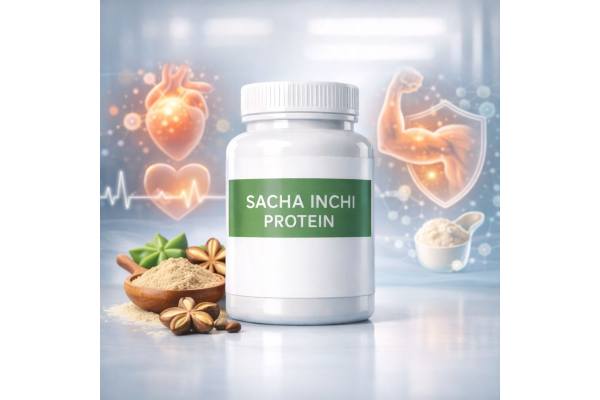
Sacha inchi protein is a plant-based protein powder made from the press cake of Sacha inchi seeds (Plukenetia volubilis), a crop traditionally grown in the Amazon region. Once the oil is pressed out, the remaining seed cake is rich in protein and naturally free from gluten and dairy. This protein is gaining attention as an alternative to soy, pea, and rice protein because it offers a complete amino acid profile, a mild nutty flavor, and good digestibility.
Beyond basic nutrition, Sacha inchi protein contains bioactive peptides and antioxidant components that may support metabolic health, inflammation balance, and gut function. Its production also helps valorize an agricultural by-product, which appeals to sustainability-focused consumers. Whether you are vegan, lactose intolerant, or simply looking to diversify your protein sources, understanding how Sacha inchi protein works, how to use it, and how much to take can help you decide if it fits your nutrition plan.
Quick Summary for Sacha inchi protein
- Sacha inchi protein offers a complete plant-based amino acid profile with good levels of essential amino acids.
- It may support muscle maintenance, metabolic health, and antioxidant defenses when used as part of a balanced diet.
- Typical daily intake ranges from 10–30 g of Sacha inchi protein powder, depending on dietary needs and total protein targets.
- People with nut or seed allergies, kidney disease, or those taking certain medications should speak with a clinician before using it.
- High doses may cause digestive discomfort in sensitive individuals, especially when introduced too quickly.
Table of Contents
- What is Sacha inchi protein and how is it made?
- Nutrition and amino acid profile of Sacha inchi protein
- Benefits of Sacha inchi protein for health and performance
- How to use Sacha inchi protein in meals and shakes
- Sacha inchi protein dosage: how much per day?
- Safety, side effects, and who should avoid Sacha inchi protein
- How Sacha inchi protein compares to other plant proteins
What is Sacha inchi protein and how is it made?
Sacha inchi, sometimes called Inca peanut, is a perennial climbing plant native to the Amazon basin. Its star-shaped pods contain oil-rich seeds that have been consumed for centuries. Commercially, the seeds are pressed to extract Sacha inchi oil, leaving behind a solid press cake. Instead of discarding this by-product, manufacturers mill and refine it into a concentrated protein ingredient: Sacha inchi protein powder.
The basic production steps usually include cleaning the press cake, drying it to a stable moisture level, and grinding it into a fine flour. To obtain higher protein concentrations, the flour may undergo additional processing, such as:
- Sieving or air classification to separate protein-rich fractions.
- Alkaline extraction and isoelectric precipitation to isolate protein, sometimes followed by washing to remove residual oil or antinutritional factors.
- Filtration, concentration, and spray-drying to create a stable powder.
Depending on the process, the final product can range from about 50 percent to over 80 percent protein by weight. Some products remain relatively minimally processed with a nutty, earthy taste, while others are more refined and neutral-flavored for use in shakes and food formulations.
Sacha inchi protein is naturally free of gluten and lactose and is suitable for vegans. It is often marketed as non-genetically modified and can be organic when certified. Because it comes from a seed, its taste profile is more similar to mild nut flours than to earthy legumes like pea protein, which some users find easier to blend into sweet or neutral recipes.
Nutrition and amino acid profile of Sacha inchi protein
From a nutritional standpoint, Sacha inchi protein is notable for its relatively high protein content and balanced amino acid pattern. The original seeds typically contain around 24–33 percent protein, and defatted press cake can reach 50–60 percent protein or more. When processed into isolates, the protein concentration is even higher, making it comparable to other commercial plant protein powders.
Sacha inchi protein provides all nine essential amino acids, which the body cannot synthesize. It tends to be rich in:
- Arginine, which plays roles in nitric oxide production and vascular function.
- Aromatic amino acids such as phenylalanine and tyrosine.
- Branched-chain amino acids (leucine, isoleucine, valine), important for muscle protein synthesis.
Lysine and methionine can be mildly limiting compared with some animal proteins, but they are generally present at levels that support a “complete” classification when appropriate amounts are consumed. For people relying solely on plants, pairing Sacha inchi protein with lysine-rich foods such as legumes or methionine-rich seeds and grains can further round out the amino acid intake.
In addition to amino acids, Sacha inchi protein powders often contain:
- Residual fiber from seed cell walls, which can support digestive regularity.
- Small amounts of residual oil, including omega-3 and omega-6 fatty acids.
- Minerals such as magnesium, phosphorus, and potassium, whose exact levels depend on processing.
Digestibility studies suggest Sacha inchi protein can achieve digestibility scores similar to other high-quality plant proteins when properly processed. Heat treatment and controlled enzymatic hydrolysis can reduce antinutritional factors, such as trypsin inhibitors, and improve both digestibility and solubility.
Because formulations and processing differ, it is wise to read product labels for:
- Protein percentage per serving.
- Added ingredients such as sweeteners, flavors, or gums.
- Allergen information and whether the product is processed in facilities handling common allergens.
Benefits of Sacha inchi protein for health and performance
Sacha inchi protein can support a range of health goals, particularly for people seeking plant-based options. Many of its benefits relate to its role as a high-quality protein source, while others stem from bioactive peptides and antioxidant properties discovered in experimental research.
Key potential benefits include:
- Muscle maintenance and recovery: Like other complete proteins, Sacha inchi protein provides essential amino acids, including leucine, which is a trigger for muscle protein synthesis. When used after resistance exercise or as part of a daily protein plan, it can help preserve or build lean mass in a similar way to other plant proteins, as long as total protein intake is adequate.
- Metabolic and cardiometabolic support: Studies in animals and cellular models suggest that peptides derived from Sacha inchi protein may influence blood sugar regulation, modulate enzymes linked to carbohydrate breakdown, and support lipid metabolism. Some hydrolysates show inhibitory activity against digestive enzymes that raise blood glucose, which might be relevant for metabolic health when combined with lifestyle changes.
- Antioxidant and anti-inflammatory actions: Protein fractions and hydrolysates from Sacha inchi seeds have demonstrated antioxidant capacity in vitro, including scavenging free radicals and protecting cells from oxidative damage. This does not mean Sacha inchi protein replaces fruits and vegetables, but it suggests an additional source of antioxidant peptides within a varied diet.
- Gut microbiota modulation (emerging evidence): Animal studies using Sacha inchi protein have observed shifts in gut microbial populations and metabolites associated with improved intestinal health markers. While human data are limited, these findings support ongoing interest in the gut-related effects of plant protein–derived peptides.
- Sustainability and dietary diversity: Choosing Sacha inchi protein helps diversify protein sources beyond the most common crops. Utilizing press cake aligns with waste-reduction goals in the food system and may be attractive for consumers prioritizing sustainable food choices.
It is important to remember that most mechanistic and disease-focused data come from cell and animal studies. In humans, Sacha inchi protein should be viewed as a high-quality plant protein and a potential source of additional functional peptides, rather than a stand-alone treatment for any medical condition.
How to use Sacha inchi protein in meals and shakes
Sacha inchi protein is versatile and can be integrated into daily eating patterns without major changes to your usual meals. Its mild nutty flavor pairs well with both sweet and savory recipes and tends to be less gritty than some legume-based powders when well processed.
Common ways to use Sacha inchi protein include:
- Smoothies and shakes:
- Blend 10–20 g of powder with water, plant milk, or dairy milk.
- Add fruits, oats, and spices such as cinnamon for additional flavor and carbohydrates.
- Include a small amount of nut butter or seeds if you want extra calories or fat.
- Breakfast bowls:
- Stir a spoonful into cooked oatmeal, overnight oats, or yogurt alternatives.
- Mix with chia seeds, berries, and a drizzle of Sacha inchi oil or other healthy fat.
- Baking and snacks:
- Replace a portion (for example, 10–25 percent) of flour in muffins, pancakes, or energy bars with Sacha inchi protein to increase protein density.
- Combine with dates, cocoa powder, and oats to form no-bake snack balls.
- Savory uses:
- Whisk into soups or pureed vegetable dishes near the end of cooking.
- Add to mashed potatoes or root vegetable mash for extra protein.
- Use small amounts in burger or patty mixtures alongside beans or grains.
To reduce clumping, add the powder gradually while blending or whisking vigorously. Some products dissolve better than others; if a powder is particularly gritty, using it in baked goods or thicker smoothies can improve mouthfeel.
If you are transitioning from animal-based protein powders, consider:
- Starting with half a serving of Sacha inchi protein and combining it with another familiar protein source.
- Gradually increasing the amount over one to two weeks to allow your digestive system to adapt.
- Experimenting with different brands and flavorings, as processing can greatly influence taste and texture.
Because Sacha inchi protein often contains some residual fiber and bioactive compounds, some people notice mild digestive changes at first. Using smaller portions and drinking plenty of water typically helps.
Sacha inchi protein dosage: how much per day?
There is no single “official” dosage for Sacha inchi protein, because it functions primarily as a food-derived protein rather than a drug. The appropriate amount depends on your overall protein needs, body size, and dietary pattern.
General guidelines to consider:
- For most healthy adults:
- Daily protein intake from all sources is often recommended at around 0.8–1.2 g of protein per kilogram of body weight for people with low to moderate activity levels.
- For a 70 kg adult, this corresponds to roughly 56–84 g of total protein per day.
- For active individuals or those doing resistance training:
- Intake in the range of 1.2–2.0 g of protein per kilogram of body weight per day is commonly suggested to support muscle maintenance and growth, again from all protein sources combined.
Within these ranges, Sacha inchi protein can provide part of your daily total. Common supplemental amounts are:
- 10–15 g per day for people who generally meet their protein needs but want a modest boost or a vegan option in smoothies.
- 20–30 g per day as a typical single “serving” for athletes, people on plant-based diets, or those replacing a snack or small meal with a shake.
If you are new to Sacha inchi protein, starting at the lower end (for example, 10 g per day) and slowly increasing over several days can help you monitor tolerance. You can split the intake into two smaller servings rather than taking it all at once.
Timing considerations:
- Taking Sacha inchi protein within a few hours after exercise can support recovery, especially when paired with carbohydrate sources.
- Having a protein-rich snack or drink containing Sacha inchi before bed may help meet total daily protein goals in some individuals, though this is highly individual and should fit your overall calorie and nutrient needs.
People with kidney disease, liver disease, or other chronic conditions that affect protein metabolism should not adjust their protein intake without guidance from a healthcare professional. In those situations, the “right” amount may be lower or more tightly controlled.
Safety, side effects, and who should avoid Sacha inchi protein
Toxicology studies on Sacha inchi powder from seeds and press cake generally show a favorable safety profile at doses much higher than those typically consumed in human diets. In rodent studies, repeated daily administration for several weeks did not produce significant adverse effects on body weight, organ function, or standard blood markers. This supports the view that Sacha inchi seed components, including protein, are relatively low in inherent toxicity when appropriately processed.
However, as with any concentrated food ingredient, side effects can occur, especially when large amounts are introduced suddenly. Possible issues include:
- Digestive symptoms: bloating, gas, or loose stools, particularly in people not used to higher fiber or plant protein intake. Starting with smaller doses and taking the powder with meals can help.
- Taste and aftertaste sensitivity: some individuals find the nutty or slightly earthy flavor challenging, which can affect appetite or enjoyment of food.
- Allergic reactions: although Sacha inchi is botanically distinct from peanuts and tree nuts, it is still a seed. People with known seed or nut allergies should be cautious, as cross-reactivity is possible. Symptoms might include itching, hives, swelling, or more serious reactions.
Groups who should seek professional advice before using Sacha inchi protein include:
- Individuals with chronic kidney disease or significantly reduced kidney function.
- People with liver disease or metabolic conditions requiring restricted protein intake.
- Those taking medications that may interact with high-protein or high-arginine foods, such as certain blood pressure or anticoagulant drugs.
- Pregnant or breastfeeding women, due to limited targeted research on Sacha inchi protein in these specific life stages.
Quality matters for safety as well. Choose products from reputable manufacturers that provide:
- Clear labeling of ingredients and potential allergens.
- Batch testing for contaminants such as heavy metals and microbial load.
- Storage recommendations (typically cool, dry conditions, sealed container).
If you experience unusual symptoms after starting Sacha inchi protein — such as persistent digestive distress, rash, difficulty breathing, or swelling — stop using it and seek medical guidance promptly.
How Sacha inchi protein compares to other plant proteins
When choosing a plant-based protein, many people compare Sacha inchi with better-known options like soy, pea, rice, or hemp. Each has advantages and trade-offs, and the best choice often depends on your priorities.
Protein quality and amino acids
- Sacha inchi protein offers a complete amino acid profile with good levels of essential amino acids, similar in quality to soy and slightly higher in some essential amino acids than many cereal proteins.
- Compared with pea protein, Sacha inchi often has relatively higher arginine and tryptophan, while overall leucine content is in a similar range on a per-protein basis.
- Its protein digestibility and quality scores, when processed effectively, appear comparable to other high-quality plant proteins, though exact values may differ between products.
Digestibility and tolerance
- Many users find Sacha inchi protein easier on digestion than some legume-based proteins, especially if they are sensitive to fermentable carbohydrates.
- Unlike soy, it is not a common allergen at the population level, though individual allergies can occur.
- Compared with hemp protein, which often retains more fiber and can be gritty, Sacha inchi protein isolates tend to have a smoother texture.
Functional and culinary aspects
- Sacha inchi protein can form foams and emulsions, making it interesting for food formulators who want plant-based alternatives for bakery items, dairy substitutes, or bars.
- Its mild nutty flavor can be more acceptable in both sweet and savory recipes than the beany notes of some pea proteins, though this varies by brand and processing.
Sustainability and sourcing
- Using press cake from oil production contributes to waste reduction and adds value to the Sacha inchi supply chain.
- The crop is well adapted to certain tropical and subtropical regions and is often grown by smallholder farmers, which can support rural livelihoods when supply chains are managed responsibly.
- As demand grows, ongoing work is looking at land-use, biodiversity, and fair-trade considerations, similar to what has happened with other high-value agricultural products.
In practice, Sacha inchi protein can be used alone or in blends with pea, rice, or other proteins to balance amino acid profiles, improve texture, and manage cost. For many consumers, rotating among several plant proteins helps diversify nutrient intake and reduce the risk of developing sensitivities to any single source.
References
- The multifaceted Sacha Inchi (Plukenetia volubilis L.) protein: From molecular composition to extraction techniques, techno-functional properties, and food applications, 2025 (Review).
- Isolation and Characterization of Protein Fractions for Valorization of Sacha Inchi Oil Press-Cake, 2023 (Research Article).
- Regulation of Sacha Inchi protein on fecal metabolism and microbiota diversity in mice, 2024 (Research Article).
- The antioxidant activity of protein fractions from Sacha inchi seeds after a simulated gastrointestinal digestion, 2021 (Research Article).
- Sacha Inchi (Plukenetia volubilis L.) powder: acute toxicity, 90 days oral toxicity study and micronucleus assay in rodents, 2018 (Toxicology Study).
Disclaimer
The information in this article is for general educational purposes only and is not intended to replace individualized medical advice, diagnosis, or treatment. Sacha inchi protein may not be suitable for everyone, especially people with underlying health conditions, allergies, or those taking prescription medications. Always consult a qualified healthcare professional before starting, stopping, or changing any supplement or nutrition regimen, and seek immediate medical attention if you experience signs of an allergic reaction or other concerning symptoms.
If you found this guide helpful, you are welcome to share it with others on Facebook, X (formerly Twitter), or any platform you prefer, and to follow our work on social media. Your respectful support by sharing our articles helps our team continue creating thoughtful, evidence-informed content.