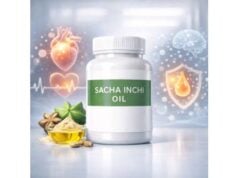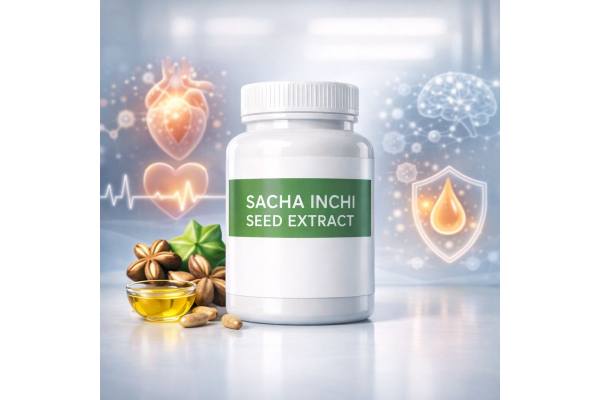
Sacha inchi seed extract comes from the seeds of Plukenetia volubilis, a star shaped plant native to the Amazon. The seeds are unusually rich in essential fatty acids, high quality protein, and a range of antioxidant compounds. Modern extraction techniques can concentrate different parts of this profile: oils rich in omega 3, phenolic rich extracts with antioxidant and antimicrobial activity, or protein fractions with good digestibility. Because of this, sacha inchi seed extract appears in supplements that target heart and metabolic health, joint comfort, blood sugar balance, skin integrity, and general antioxidant support.
At the same time, most human research has focused on sacha inchi oil and whole seeds rather than isolated seed extracts. That means the marketing sometimes runs ahead of the evidence. This guide walks carefully through what is known, what is still speculative, and how to use sacha inchi seed extract in a practical, safety conscious way.
Essential Insights for Sacha inchi seed extract
- Sacha inchi seed extract concentrates omega 3 fatty acids, plant protein, and phenolic antioxidants that may support cardiometabolic and inflammatory balance.
- Phenolic rich seed and husk extracts show promising antioxidant and antimicrobial activity in laboratory models, but human data are still limited.
- Typical oral dosages in supplements range roughly from 500 to 2,000 mg extract per day, often divided, depending on whether the product is oil based or phenolic rich.
- People with nut or seed allergies, bleeding disorders, upcoming surgery, or who take anticoagulant, antiplatelet, or blood pressure medications should avoid unsupervised use.
Table of Contents
- What is Sacha inchi seed extract and how is it made?
- How Sacha inchi seed extract works in the body
- Evidence based benefits of Sacha inchi seed extract
- How to use Sacha inchi seed extract day to day
- Sacha inchi seed extract dosage guidelines
- Safety, side effects, and who should avoid it
- Sacha inchi seed extract versus oil and protein powder
What is Sacha inchi seed extract and how is it made?
Sacha inchi is an Amazonian oilseed sometimes called Inca peanut. The edible seeds look like large peanuts and are naturally high in oil, protein, and biologically active plant compounds. “Sacha inchi seed extract” is a broad term that can refer to several different preparations derived from these seeds and their by products.
The most common commercial forms include:
- Oil based seed extract: Cold pressed or solvent extracted oil, sometimes further refined or microencapsulated. This concentrates omega 3 (alpha linolenic acid), omega 6 (linoleic acid), and omega 9 (oleic acid), along with vitamin E like tocopherols and small amounts of phytosterols.
- Phenolic rich seed and husk extracts: Hydroalcoholic, aqueous, or ultrasound assisted extractions of seed shells, husks, or defatted seeds. These preparations focus on phenolic acids, flavonoids, and tannins with strong antioxidant and antimicrobial properties.
- Protein rich seed extract: Defatted, milled seed material that is further processed to increase protein content and reduce antinutrients, often sold as “sacha inchi protein” or as part of a blend.
Extraction details matter. Temperature, solvent choice, and pre treatment (like roasting) all change what ends up in the final extract. For example, roasting can increase measurable antioxidant activity yet also alter some heat sensitive compounds. Some modern processes microencapsulate the oil in protective carriers to improve stability and shelf life.
Because the term “seed extract” is used loosely in marketing, two products with the same phrase on the label can be quite different. One may act mainly like an omega 3 rich oil, while another behaves more like a concentrated herbal antioxidant. Reading the supplement facts panel and ingredient list is essential to understand what you are actually taking and how to think about dosage and benefit.
How Sacha inchi seed extract works in the body
The effects of sacha inchi seed extract come from several overlapping groups of compounds. Each group influences different physiological pathways, and together they shape the supplement’s potential benefits.
- Essential fatty acids and lipid metabolism
The seed oil is dominated by alpha linolenic acid (omega 3) and linoleic acid (omega 6), with smaller amounts of oleic acid (omega 9). This profile can help rebalance dietary fat intake in people who eat little fish but many omega 6 rich oils. In the body, alpha linolenic acid can be converted to long chain omega 3 fats that influence triglyceride levels, blood vessel function, and inflammatory signaling. Linoleic and oleic acids can affect cell membrane fluidity, cholesterol handling, and hormone like eicosanoid production. - Antioxidant vitamins and phenolic compounds
Sacha inchi seeds provide tocopherols (vitamin E forms) and a complex mix of phenolic compounds and flavonoids. Extracts from seeds, seed shells, and husks show strong radical scavenging activity and can slow oxidation in model systems. In theory, these compounds help neutralize reactive oxygen species, protect lipids from peroxidation, and support endogenous antioxidant defenses such as glutathione systems. - Protein and bioactive peptides
Defatted seed protein contains a complete amino acid profile with good digestibility. When protein is digested or enzymatically hydrolyzed, smaller peptides appear that can modulate inflammatory pathways or influence enzymes related to blood pressure regulation in experimental systems. - Metabolic enzyme and microbial interactions
Phenolic rich extracts from seed by products have demonstrated inhibitory effects on enzymes such as α amylase, α glucosidase, and cholinesterases in vitro. This suggests potential support for blood sugar regulation and neuroprotective mechanisms, although human data are lacking. Antimicrobial activity against several Gram positive and Gram negative bacteria has also been observed in laboratory studies, indicating possible roles in gut or skin formulations.
Overall, sacha inchi seed extract is best viewed as a multi component nutritional ingredient that combines healthy fats, antioxidants, and protein rather than as a single target drug like molecule. Its real world impact will depend heavily on baseline diet, dosage, and whether the product is oil heavy, phenolic rich, or protein focused.
Evidence based benefits of Sacha inchi seed extract
Most of the controlled human data come from trials using sacha inchi oil as an oral supplement, with additional insight from animal and in vitro work on seed and shell extracts. The following potential benefits are supported to varying degrees by current research.
1. Cardiometabolic support
In human studies, sacha inchi oil has improved lipid profiles by lowering triglycerides and raising HDL cholesterol in adults with dyslipidemia, without major adverse effects. Animal work also suggests that alpha linolenic rich oils like sacha inchi oil can increase tissue levels of long chain omega 3 fats and positively influence liver fat metabolism and oxidative stress markers. For seed extracts that are oil based or standardized for omega 3 fatty acids, these findings likely represent the core, most realistic benefit.
2. Antioxidant and anti inflammatory activity
Seed, husk, and shell extracts show robust antioxidant capacity in chemical assays and cell models. They can neutralize several types of free radicals, reduce markers of advanced glycation end products, and protect lipids from oxidation in model food systems. Some extracts modulate inflammatory signaling pathways in cultured cells, suggesting a theoretical role in chronic low grade inflammation. However, it is important to note that these are mostly mechanistic findings rather than clinical outcomes in people.
3. Potential support for blood sugar and metabolic enzymes
Phenolic rich seed extracts, especially from roasted seeds and husks, have inhibited carbohydrate digesting enzymes such as α amylase and α glucosidase in vitro. This is the same general mechanism targeted by certain prescription drugs for diabetes, though the potency of plant extracts is usually milder. Early work also shows inhibition of non enzymatic protein glycation, a process tied to vascular and tissue damage in diabetes. So far, these effects remain preclinical and should be viewed as promising but unproven for human glucose control.
4. Skin and barrier related applications
Sacha inchi oil has been studied in topical and in vitro skin models, where it appears to support barrier function, influence bacterial adhesion, and provide antioxidant protection to skin lipids. Seed and shell extracts with antibacterial and anti tyrosinase activity are being explored for cosmetic and dermatological applications, including brightening and anti aging formulas. Oral seed extracts may contribute indirectly to skin health through systemic antioxidant and fatty acid effects, but strong clinical data are not yet available.
In summary, the best supported benefits of sacha inchi seed extracts relate to lipid balance and antioxidant support, particularly when the product delivers meaningful amounts of seed oil. Phenolic rich extracts extend these effects in the laboratory, yet need more human research before strong health claims are justified.
How to use Sacha inchi seed extract day to day
Because “sacha inchi seed extract” covers a range of preparations, smart use starts with clarifying what kind of product you have and what your primary goal is.
- Identify the extract type on the label
- If the main active is “sacha inchi seed oil” or “sacha inchi oil (seed),” you are essentially taking an omega 3 rich plant oil similar in purpose to flaxseed oil.
- If the label highlights “standardized phenolic content,” “husk or shell extract,” or lists specific phenolics, it is positioned as an antioxidant and metabolic health extract.
- If protein per serving is high and fat is low, you are closer to a protein powder or protein rich extract.
- Match the form to your goal
- For heart and lipid support, oil based extracts in softgels or liquid form are most appropriate.
- For general antioxidant, antimicrobial, or metabolic enzyme support, phenolic rich capsules or mixed extracts are more relevant.
- For plant based protein intake, sacha inchi protein or protein rich extract can be used like other protein powders.
- Ways to incorporate it
- Softgels: Take with meals that contain some fat to improve absorption and reduce any risk of stomach upset.
- Liquid oil: Use as a finishing oil on salads or cooked vegetables rather than for high heat frying, because omega 3 rich oils are sensitive to oxidation.
- Powdered phenolic extract: Swallow capsules with water, or if the manufacturer allows, open and mix into smoothies or yogurt to mask any bitterness.
- Protein extract: Blend into shakes, porridge, or baked goods; start with small amounts to assess digestibility and taste.
- Combine thoughtfully with the rest of your routine
- If you already take fish oil or another omega 3 supplement, adjust total omega 3 intake to avoid excessive doses without medical guidance.
- If you use multiple herbal antioxidants, consider rotating rather than stacking many high dose products at once, especially if you take prescription medications.
- People with sensitive digestion may tolerate smaller divided doses better than a large single dose.
As with any supplement, consistency over weeks to months is more important than high doses over a short time. Pairing sacha inchi seed extract with a generally healthy diet, physical activity, and good sleep will have more impact than relying on the extract alone.
Sacha inchi seed extract dosage guidelines
There is currently no universally accepted, evidence based dosage specifically for “sacha inchi seed extract,” especially for phenolic rich extracts. Available human data rely mainly on sacha inchi oil and whole seeds. Dosage therefore needs to be guided by:
- The type of extract
- The concentration of active compounds
- The context of use and your overall health status
1. Oil based seed extract (omega 3 rich)
Human trials with sacha inchi oil have used daily amounts roughly comparable to other plant omega 3 oils. In practice, supplement manufacturers commonly recommend:
- About 1,000 to 2,000 mg of sacha inchi oil per day from softgels (for example, two to four 500 mg capsules daily), sometimes up to about 3,000 mg in divided doses.
For most adults using the oil purely for nutritional support, this range is reasonable when approved by a health professional. It should be counted alongside any other omega 3 intake from fish oil or flaxseed oil.
2. Phenolic rich seed, husk, or shell extracts
Laboratory and animal studies often use higher relative doses than would be practical for humans, and there are no standardized clinical dosing ranges yet. Commercial products that supply concentrated phenolic extracts typically provide:
- Around 100 to 500 mg extract per day, sometimes divided into two doses.
Given the uncertainty, the safest approach is to follow the product’s serving size and not exceed the recommended amount without guidance from a clinician familiar with botanical extracts.
3. Protein rich seed extract
When used as part of daily protein intake rather than as a pharmacological agent, typical serving sizes resemble other protein powders:
- 10 to 25 g sacha inchi protein powder per day as part of meals or snacks, adjusted to overall protein needs.
4. General dosage principles
- Start at the lower end of the suggested range, especially if you have a sensitive stomach, a history of allergies, or multiple medications.
- Increase gradually only if needed and tolerated, rather than jumping immediately to the upper range.
- Take with food to improve absorption and reduce digestive discomfort.
- For long term use beyond three months, periodic review with a clinician is wise, especially if you also have chronic conditions like hypertension, diabetes, or autoimmune disease.
Because individual products differ widely, always prioritize the dosage information on the specific supplement label and discuss any higher doses or unusual combinations with a health professional.
Safety, side effects, and who should avoid it
Sacha inchi seeds are traditionally consumed as food, and clinical studies using the oil in adults have generally found good tolerability. However, concentrated extracts can behave differently from whole foods, and certain groups should be careful.
Common and mild side effects
At typical supplemental doses, reported side effects are usually minor and transient, such as:
- Digestive discomfort (nausea, soft stools, or mild cramping)
- A sense of fullness or slight indigestion when high fat oil doses are taken at once
- Rarely, headache or a “fish oil like” aftertaste in people sensitive to fatty acid supplements, even though the oil is plant derived
Taking the extract with meals, dividing the daily amount, or lowering the dose often resolves these effects.
Allergy and intolerance
Although sacha inchi is botanically different from peanuts and tree nuts, cross reactivity is possible. People who have:
- A history of serious nut, seed, or legume allergy
- Past anaphylaxis to unknown foods
should avoid sacha inchi seed extract unless carefully evaluated and supervised by an allergist or physician.
Bleeding risk and medication interactions
Omega 3 rich oils can modestly influence platelet function and clotting times in some individuals. While this effect is usually small at nutritional doses, caution is needed if you:
- Take anticoagulant or antiplatelet drugs (for example, warfarin, direct oral anticoagulants, clopidogrel, or high dose aspirin)
- Have a known bleeding disorder
- Are scheduled for surgery or invasive dental procedures
In these cases, do not start sacha inchi oil or high dose seed extract without speaking to your treating clinician, and stop use before surgery if advised.
Blood pressure, blood sugar, and organ disease
Because of potential effects on vascular function and metabolic enzymes, sacha inchi seed extracts may interact with therapies for:
- Hypertension
- Diabetes or insulin resistance
- Significant liver or kidney disease
While serious problems are not commonly reported, people in these groups should only use the extract under medical supervision, with regular monitoring of blood pressure, glucose, and relevant lab work.
Pregnancy, breastfeeding, and children
Research on concentrated sacha inchi seed extracts in pregnant or breastfeeding women and in children is insufficient. In these populations, it is safer to obtain healthy fats and antioxidants from established dietary sources rather than from new, concentrated supplements.
In summary, sacha inchi seed extract appears relatively safe for generally healthy adults at moderate doses, but medical guidance is strongly recommended for anyone with chronic illness, complex medication regimens, or a history of severe food allergy.
Sacha inchi seed extract versus oil and protein powder
Sacha inchi now appears in several different product categories. Understanding how seed extract compares with sacha inchi oil and sacha inchi protein can help you choose the most appropriate option and avoid unnecessary overlap.
1. Sacha inchi seed extract (mixed or phenolic focused)
- Often positioned as a multifunctional supplement that combines fatty acids and phenolic antioxidants.
- May include material from seed shells or husks, which are especially rich in phenolic compounds and show antibacterial and enzyme inhibiting effects in vitro.
- Typically taken in smaller capsule doses because the extract is more concentrated and sometimes more bitter than the oil itself.
- Best suited for people looking for targeted antioxidant support in addition to moderate omega 3 intake.
2. Sacha inchi oil (culinary oil or softgels)
- Primarily an omega 3 rich culinary oil with a favorable omega 3 to omega 6 ratio and a pleasant, nutty flavor.
- Used directly in food or encapsulated for convenience.
- Clinical evidence focuses on lipid profile improvement, potential cardiovascular support, and general anti inflammatory effects linked to fatty acids.
- A good choice when your main goal is to raise plant based omega 3 intake and replace less healthy cooking oils.
3. Sacha inchi protein powder or protein extract
- A plant based protein ingredient derived from defatted seeds, often supplying a complete amino acid profile.
- Low in fat compared with the oil or full seed extract; may contain fiber and residual phenolics.
- Fits well into diets that limit dairy or soy protein and can support satiety, muscle recovery, and general protein needs.
- Not intended as a primary omega 3 or antioxidant supplement, though it still contributes some phytonutrients.
4. Which option is right for you?
- Choose seed extract if you want a compact capsule product that emphasizes antioxidant and potential metabolic enzyme effects, with some omega 3 contribution.
- Choose oil if your priority is heart and vascular health, and you are comfortable adding an oil to meals or taking several softgels daily.
- Choose protein if you mainly need additional plant protein for sports, weight management, or vegan nutrition.
In many cases, it is better to use one well chosen form rather than combining several sacha inchi products, particularly if you already use other fats or protein supplements. Keeping your regimen simple makes it easier to notice what is actually helping and to minimize any risk of unintended interactions.
References
- Sacha Inchi (Plukenetia volubilis): Potential Bioactivity, Extraction Methods, and Microencapsulation Techniques 2025 (Systematic Review)
- Biological Activity of Sacha Inchi (Plukenetia volubilis Linneo) and Potential Uses in Human Health: A Review 2020 (Review)
- The Effects of Different Roasting Methods on the Phenolic Contents, Antioxidant Potential, and In Vitro Inhibitory Activities of Sacha Inchi Seeds 2023 (Experimental Study)
- Sacha inchi (Plukenetia volubilis L.) husks and seed shells are sources of phenolic compounds with potential health benefits 2024 (Experimental Study)
- In-Vitro Screenings for Biological and Antioxidant Activities of Aqueous Extract from Sacha Inchi (Plukenetia volubilis L.) Husks 2023 (Experimental Study)
Disclaimer
The information in this article is intended for general educational purposes and does not replace individual medical advice, diagnosis, or treatment. Sacha inchi seed extract can interact with health conditions and medications, and its long term safety in specific groups has not been fully established. Always consult a qualified healthcare professional before starting, stopping, or changing any supplement, especially if you are pregnant or breastfeeding, have chronic illness, take prescription or over the counter medications, or are planning a medical procedure.
If you found this guide useful, you are warmly invited to share it with others on Facebook, X (formerly Twitter), or any social platform you prefer, and to follow our work on social media. Thoughtful sharing helps our team continue to research and create balanced, high quality content for readers like you.