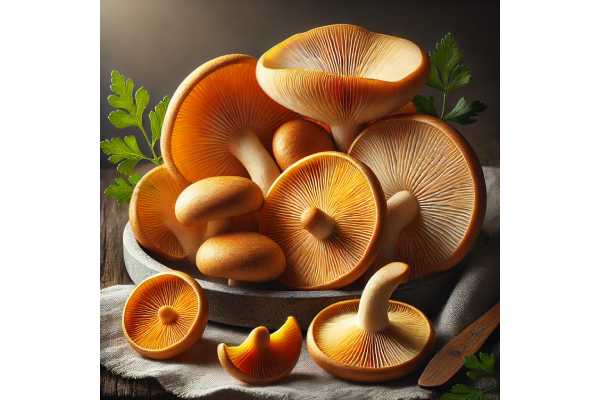
Saffron milk cap (Lactarius deliciosus) is a beloved wild mushroom across Mediterranean and Eastern European cuisines, prized for its carrot-orange color, piney aroma, and meaty bite. In the pan it sears to a deep rust, exuding an orange “milk” that marks the genus and hints at nutty, woodsy flavors. Beyond the plate, saffron milk caps offer a lean nutrition profile with notable minerals, B-vitamins, fiber, and mushroom-specific compounds like ergothioneine and beta-glucans. Early research also points to antioxidant and enzyme-modulating effects from extracts, while culinary traditions showcase their versatility—grilled over charcoal, pan-roasted with garlic and parsley, simmered into stews, or preserved by salting and pickling. Because they’re ectomycorrhizal (symbiotic with pines), they’re not farmed at scale; most are foraged, which makes careful identification and site selection essential. This guide gathers practical know-how—how to choose and store them, the best ways to cook them for flavor and nutrient retention, common risks and look-alikes, and sensible portions—so you can enjoy saffron milk caps confidently and deliciously.
Top Highlights
- Lean, mineral-rich mushroom with fiber, B-vitamins, and ergothioneine per 100 g fresh serving.
- Grilling or microwaving tends to preserve more antioxidants than boiling or deep-frying.
- Typical portion: 100–150 g cooked (about 200–300 g raw) up to 2–3 times weekly in season.
- Safety: avoid specimens from polluted sites; confirm ID to distinguish from irritating or toxic look-alikes.
- People who are pregnant, immunocompromised, or new to wild mushrooms should limit and cook thoroughly.
Table of Contents
- Saffron milk cap essentials
- Saffron milk cap nutrition
- Health benefits: evidence
- Safety, allergies and interactions
- Selecting, sustainability and storage
- Cooking and nutrient retention
- Smart portions, comparisons and FAQs
Saffron milk cap essentials
Saffron milk cap is the common name for Lactarius deliciosus, a pine-associated milkcap recognized by its orange cap with faint concentric zones, decurrent gills, and distinctive orange latex (“milk”) that slowly turns green on bruising. When cut, the flesh may stain green, especially near the gills and stem. The aroma is mildly resinous—some describe it as pine needles and warm spice—and the texture is firm and slightly brittle when raw, becoming tender with cooking.
Culinary profile. In Spain (rovelló/níscalo), the Balkans, and parts of Russia, saffron milk caps are a seasonal staple. Quick, high-heat methods like grilling or pan-searing amplify their savory, nutty notes. They also take well to marinating, confiting in olive oil, and pickling. Unlike delicate cultivated mushrooms, they hold their structure in stews and braises, which makes them a good stand-in for meat in mixed dishes.
Nutritional perspective. Fresh saffron milk caps are about 90% water. The remainder provides fiber (including beta-glucans), B-vitamins, potassium, phosphorus, copper, and selenium, along with specialized compounds such as ergothioneine and phenolics. They are very low in fat and modest in protein, with umami-enhancing nucleotides that enrich broths and sauces.
Foraging notes. Because saffron milk caps are ectomycorrhizal, they appear near compatible pines (often in acidic soils) during cool, moist weather. Check local regulations and foraging ethics; harvest with a knife to keep the mycelium undisturbed and brush away debris in the field. As with all wild mushrooms, correct identification is non-negotiable. Key look-alikes include Lactarius torminosus (woolly milkcap; irritating if eaten) with a shaggy cap and white to pinkish latex, and the orange jack-o’-lantern (Omphalotus illudens), which lacks latex and has non-brittle gills—this latter species causes severe gastrointestinal upset.
Who benefits most. Cooks seeking seasonal, high-flavor, low-calorie ingredients; flexitarians building savory depth without meat; and anyone exploring traditional cuisines of the Mediterranean and Eastern Europe. For nutrition-focused eaters, saffron milk caps contribute micronutrients and unique antioxidants while keeping energy load minimal.
Responsible sourcing. If not foraging, look for reputable wild-food vendors who can confirm identification and harvest location away from roadsides, industrial zones, and contaminated soils. Choose firm, bright orange specimens without sliminess or dark soggy spots; a faint green bruise is normal, but widespread darkening suggests age.
Saffron milk cap nutrition
Below are typical values for fresh saffron milk caps (or closely related wild milkcaps) per 100 g raw edible portion. Natural variation is expected with habitat, maturity, and post-harvest handling. % Daily Value (%DV) is based on adult labels.
Macros & Electrolytes (per 100 g)
| Nutrient | Amount | %DV |
|---|---|---|
| Energy | 22 kcal | — |
| Water | 90.0 g | — |
| Protein | 3.0 g | — |
| Total carbohydrate | 3.5 g | 1% |
| Total sugars | 2.0 g | — |
| Dietary fiber | 1.0 g | 4% |
| Total fat | 0.3 g | <1% |
| Saturated fat | 0.05 g | <1% |
| Sodium | 5 mg | <1% |
| Potassium | 300 mg | 6% |
Carbohydrates
| Component | Amount | %DV |
|---|---|---|
| Starch | ~0.5 g | — |
| Beta-glucans (soluble/insoluble mix) | ~0.2–0.4 g | — |
| Mannitol & trehalose (sugar alcohols/disaccharides) | ~1.5–2.0 g | — |
Fats & Fatty Acids
| Component | Amount | %DV |
|---|---|---|
| Polyunsaturated fat (mainly linoleic acid) | 0.15 g | — |
| Monounsaturated fat (oleic acid) | 0.09 g | — |
| Cholesterol | 0 mg | 0% |
Protein & Amino Acids (selected)
| Amino acid | Amount | Notes |
|---|---|---|
| Glutamic acid | ~0.25 g | Umami contributor |
| Alanine | ~0.12 g | Mild sweetness |
| Essential amino acids (total) | ~0.6 g | About 20–25% of total AA |
Vitamins
| Vitamin | Amount | %DV |
|---|---|---|
| Niacin (Vitamin B3) | 3.5 mg | 22% |
| Riboflavin (Vitamin B2) | 0.4 mg | 31% |
| Pantothenic acid (B5) | 1.3 mg | 26% |
| Folate (DFE) | 30 µg | 8% |
| Vitamin D2* | 0.2–2.0 µg | 1–10% |
*Vitamin D content varies widely. Sun/UV exposure after harvest can boost D2 substantially; see Section 6 for details.
Minerals
| Mineral | Amount | %DV |
|---|---|---|
| Phosphorus | 95 mg | 8% |
| Copper | 0.3 mg | 33% |
| Selenium | 9 µg | 16% |
| Zinc | 0.8 mg | 7% |
| Iron | 0.5 mg | 3% |
| Magnesium | 12 mg | 3% |
| Manganese | 0.1 mg | 4% |
| Calcium | 4 mg | <1% |
Bioactives / Phytonutrients
- Ergothioneine: A sulfur-containing antioxidant abundant in many wild mushrooms; concentrations vary but are typically higher than most plant foods.
- Beta-glucans: Fungal polysaccharides that contribute to viscosity and may support immune function as part of a balanced diet.
- Phenolics & sesquiterpenes: Extracts from saffron milk cap contain phenolic compounds and unique terpenoids linked to antioxidant activity in lab assays.
Contaminants/Residues (contextual)
- Wild mushrooms can accumulate metals (e.g., cadmium, lead) depending on site. Clean provenance reduces risk; see Safety section for guidance.
Footnote on fortification & additives
- Commercial UV treatment of mushrooms can elevate vitamin D2; this is a processing step, not a chemical additive. No fortificants are added to wild saffron milk caps; preserved products may include salt, vinegar, or oil.
Health benefits: evidence
1) Nutrient density with few calories. Per 100 g, saffron milk caps deliver B-vitamins (riboflavin, niacin, pantothenic acid), potassium, copper, and selenium for about 22 kcal. The combination supports energy metabolism (B-vitamins), electrolyte balance (potassium), and antioxidant enzyme systems (copper/selenium-dependent proteins). As a swap for higher-calorie ingredients, they add volume and umami without excess fat or sodium.
2) Antioxidant capacity in extracts. Lab analyses of L. deliciosus have reported antioxidant activity (e.g., DPPH/ABTS scavenging, ferric reducing power) and the presence of phenolics, beta-glucans, and other compounds. While cell-free assays don’t equal clinical outcomes, they indicate a reservoir of antioxidant molecules. Translating this to the table: cooking methods that avoid prolonged submersion (like grilling or microwaving) tend to retain more antioxidant capacity across mushroom species.
3) Potential support for carbohydrate management (preclinical). Ethanolic extracts of L. deliciosus have shown inhibition of carbohydrate-digesting enzymes (α-amylase/α-glucosidase) in vitro, with animal data suggesting antihyperglycemic potential from extracts. Whole cooked mushrooms are not the same as concentrated extracts; however, replacing refined starches or fatty meats with mushrooms can indirectly aid glycemic control by reducing meal energy density and increasing fiber.
4) Ergothioneine and beta-glucans: emerging interest. Ergothioneine is transported in humans by a dedicated carrier (OCTN1), accumulates in tissues prone to oxidative stress, and may contribute to cytoprotective defenses. Beta-glucans from fungi interact with pattern-recognition receptors in the gut; human evidence is stronger for baker’s yeast glucans, but culinary mushrooms add to overall intake without supplements.
5) Vitamin D option with UV exposure. Mushrooms synthesize vitamin D2 from ergosterol when exposed to UV light. Post-harvest sunlight or commercial UV treatment can raise D2 substantially; cooked retention is good to excellent depending on method. While D2 and D3 are not identical, UV-enhanced mushrooms have raised serum 25(OH)D in clinical settings when consumed regularly.
Practical translation. If you cook saffron milk caps two or three times per week using high-heat methods and pair them with legumes, greens, and whole grains, you can meaningfully improve dietary potassium, copper, selenium, and B-vitamins while maintaining a modest energy intake. If vitamin D is a concern, briefly sun-expose sliced mushrooms (see Section 6) before cooking; this can be a food-based complement to standard dietary sources.
Safety, allergies and interactions
Identification first. Only eat mushrooms you have confidently identified. Saffron milk cap features: vivid orange cap with gentle concentric zoning, decurrent orange gills, brittle flesh typical of milkcaps, and orange latex that exudes when cut and often turns greenish with time. Avoid specimens with white or yellow latex, shaggy caps, or non-brittle gills that glow or cluster on wood—those characteristics suggest different genera or irritating species.
Cook thoroughly. Raw or undercooked wild mushrooms are a common source of gastrointestinal upset. Sauté, grill, or roast until fully tender (internal temperature hot, texture no longer squeaky). Salting/pickling preserves texture and flavor but is not a substitute for proper initial cooking.
Site selection matters. Wild mushrooms can accumulate metals from their environment. To reduce exposure:
- Avoid harvest near roadsides, industrial areas, mine tailings, or old orchards treated with lead arsenate.
- Favor clean, remote pine forests.
- Trim soil-contact areas and discard overmature, waterlogged, or heavily insect-damaged specimens.
- Vary species and sources across the season.
Allergy and intolerance. True mushroom allergy is uncommon but possible. Some people experience idiosyncratic GI reactions to certain wild species even when well cooked. Start with a small portion (50–75 g cooked) the first time you try saffron milk caps, and avoid alcohol at the same meal if you are sensitive to flushing reactions with other fungi.
Drug and condition considerations.
- Anticoagulants/antiplatelets: No specific interactions with saffron milk caps are established; still, any new food rich in bioactives warrants conservative portions if your therapy is tightly controlled.
- Gout/uric acid sensitivity: Mushrooms contain purines, but their contribution is modest; monitor your individual tolerance.
- Pregnancy, children, immunocompromised: Prefer commercial supply chains or expert-guided foraging; cook thoroughly; avoid preserved products with unverified processing.
Storage safety. Store fresh mushrooms in a breathable paper bag in the refrigerator and use within 2–4 days. Do not store raw, washed mushrooms tightly sealed; excess moisture encourages spoilage. For cooked leftovers, cool rapidly and refrigerate; reheat to steaming hot before serving.
Selecting, sustainability and storage
Choosing quality. Look for firm caps with saturated orange color and minimal sliminess. Light green bruising is normal; widespread dark olive or rusty spots suggest age. Gills should be intact and not collapsing; stems should be stout without hollowing or mushiness. A fresh piney scent is a good sign; sour or fishy notes indicate decay.
Sustainable harvest.
- Cut, don’t yank: slice at the base to minimize soil disturbance.
- Leave very young buttons and very old, spore-laden caps to maintain the population.
- Spread harvest across a large area; avoid stripping one patch.
- Follow local rules (permits, quotas) and practice leave-no-trace ethics.
Seasonality and regions. In many temperate zones, saffron milk caps fruit in autumn after rains, favoring pine forests on acidic soils. In the southern hemisphere, they appear in late fall to winter in pine plantations. Seasonality means planning: cook fresh during peak weeks, then preserve.
Storage methods.
- Refrigeration (short-term): Unwashed, loosely wrapped in paper; 2–4 days.
- Drying: Slice 5–8 mm, dehydrate at 45–50°C until crisp; store airtight away from light. Rehydrate in warm water or stock. Drying concentrates flavor but toughens texture; best for sauces and broths.
- Freezing: Par-sauté in butter or oil to drive off moisture, cool, then freeze in thin layers; 3–6 months.
- Salting/Pickling: Traditional methods (brine or vinegar) yield long-keeping condiments; always cook first and use clean jars and cold storage unless using validated canning protocols.
Buying guide. When purchasing, ask the vendor for the harvest location (avoid roadside), harvest date, and handling. For pre-packed wild mushrooms, prefer transparent labeling and intact, undamaged product.
Waste-smart tips. Save trimmings for stock; the orange “milk” adds color and umami. If caps are patchy, trim to even pieces and confit in olive oil; the infused oil becomes a flavorful cooking fat.
Cooking and nutrient retention
Flavor-first techniques that also respect nutrients
- Grilling or broiling (best all-round). Brush with olive oil; season simply (salt, cracked pepper, garlic). High dry heat concentrates flavor, browns surfaces, and—based on mushroom studies—tends to preserve more antioxidant activity than boiling or deep-frying.
- Microwaving (surprisingly effective). Toss sliced mushrooms with a teaspoon of oil and aromatics, cover loosely, and microwave in short bursts, finishing in a hot pan for browning. This approach minimizes leaching and preserves glucans and antioxidants well.
- Pan-searing / sautéing. Use wide pans, medium-high heat, and don’t crowd. Let them release moisture, then brown. Deglaze with dry sherry, stock, or lemon to capture fond (caramelized juices) without overcooking.
- Boiling and deep-frying (use sparingly). Boiling can leach water-soluble vitamins and phenolics; deep-frying reduces protein and increases energy density. If boiling for dumpling fillings or pickling, keep times short and reserve the cooking liquid for broths.
How to boost vitamin D—safely at home
- Slice caps 5–8 mm and place gill-side up under midday sun or a UV-B lamp for 30–60 minutes, then cook. Ergosterol converts to vitamin D2 on the surface; retention after cooking is generally high. Keep slices clean and avoid prolonged exposure that risks spoilage.
Retention pointers
- Cut size: Larger pieces lose fewer nutrients to leaching.
- Fat choice: A small amount of oil improves carotenoid and phenolic uptake; olive oil pairs naturally with the piney profile.
- Acidity and salt: Add salt during the browning phase to draw moisture judiciously; finish with lemon or vinegar to brighten umami and balance richness.
- Stock craft: If you do simmer, capture nutrients in the liquid; use concentrated mushroom stock in risotto, sauces, and gravies.
Three reliable, nutrient-respecting recipes
- Charred saffron milk caps with garlic-parsley oil: Grill oiled caps 2–3 minutes per side. Toss with chopped parsley, grated garlic, and lemon zest; finish with flaky salt.
- Quick confit for meal prep: Sear slices in olive oil with bay and allspice until just tender; pack in a jar with the warm oil. Use within a week under refrigeration.
- Foraged-style stew: Sauté onions and celery; add mushrooms and barley; cover with mushroom stock; simmer until grains are tender. Finish with dill and a spoon of sour cream.
Smart portions, comparisons and FAQs
Recommended portion and frequency.
- Cooked portion: 100–150 g (about 1–1½ cups), which starts as ~200–300 g raw.
- Frequency: Up to 2–3 times weekly during season, rotating with other mushrooms and vegetables.
- First-time eaters: Begin with 50–75 g cooked to assess tolerance.
How do saffron milk caps compare to other mushrooms?
- Versus portobello/button: Similar calories; saffron milk caps often deliver more copper and a pine-resin flavor that cultivated varieties lack.
- Versus chanterelles: Both are firm and aromatic; chanterelles skew fruitier, saffron milk caps more resinous and robust.
- Versus porcini: Porcini are meatier and richer in aroma compounds that mimic aged cheese/nuts; saffron milk caps are sturdier than most, but lighter than porcini.
Can I eat the green-stained parts?
Yes—mild green staining in saffron milk caps is a characteristic reaction and not a spoilage sign. Avoid specimens that are generally dark, slimy, or foul-smelling.
Are salted or pickled saffron milk caps healthy?
They preserve seasonal harvests and retain many compounds, but sodium rises substantially. Enjoy them as condiments alongside potassium-rich foods (beans, leafy greens) and fresh produce.
What about drying?
Drying concentrates flavor but toughens texture; rehydrated pieces are best chopped into sauces, pilafs, or fillings rather than served as “steaks.” Save the soaking liquid; it carries soluble nutrients and umami.
Any special tips for pairing?
They excel with olive oil, garlic, parsley, thyme, smoked paprika, pine nuts, walnuts, sherry, lemon, dill, and creamy elements (yogurt, sour cream). Serve alongside polenta, barley, buckwheat, or butter-beans to round out protein and fiber.
Travel and food safety note.
If buying in markets abroad, ensure local rules allow wild mushroom sales and that sellers are licensed or vetted. When in doubt, skip the purchase.
References
- Chemical Composition, Antioxidant and Antihyperglycemic Activities of the Wild Lactarius deliciosus from China 2019 (Laboratory/food composition)
- Effect of different cooking methods on nutritional value and antioxidant activity of cultivated mushrooms 2017 (Human-food preparation study)
- Heavy Metals and Associated Risks of Wild Edible Mushrooms Consumption: Transfer Factor, Carcinogenic Risk, and Health Risk Index 2024 (Systematic environmental risk assessment)
- Vitamin D from UV-Irradiated Mushrooms as a Way for Vitamin D Supplementation: A Systematic Review on Classic and Nonclassic Effects in Human and Animal Models 2023 (Systematic Review)
- Mushrooms: a food-based solution to vitamin D deficiency to include in dietary guidelines 2024 (Position/analysis)
Disclaimer
The information in this article is for educational purposes only and is not a substitute for professional medical advice, diagnosis, or treatment. Always consult a qualified healthcare professional about your specific health questions, especially if you are pregnant, immunocompromised, take prescription medications, or have a history of food allergies. Never consume wild mushrooms unless they have been confidently identified by an expert and cooked properly.
If you found this guide helpful, please consider sharing it on your favorite platform—Facebook, X, or elsewhere—to support thoughtful, evidence-based food writing. Thank you.