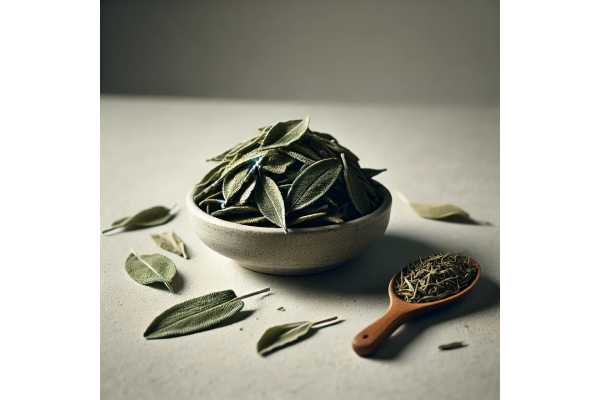
Sage (Salvia officinalis) is a classic kitchen herb with a long history in food and traditional medicine. Its soft, silvery-green leaves bring a warm, pine-like aroma and a slightly peppery, savory flavor that can transform simple dishes such as roasted vegetables, poultry, and bean stews. Beyond taste, sage contains aromatic oils, polyphenols, and other plant compounds that have drawn attention for potential benefits on memory, mood, metabolic health, and menopause-related symptoms.
In everyday cooking, sage is used in small amounts, yet it delivers concentrated flavor and pairs well with other herbs like rosemary and thyme. It can be enjoyed fresh, dried, as herbal tea, or in standardized extracts. At the same time, sage is not risk-free: some preparations are rich in thujone, a compound that can be problematic at high doses, particularly in pregnancy or in people with seizure disorders. This article explains how sage works, when it may be helpful, and how to use it safely.
Essential Insights
- Sage provides aromatic oils and polyphenols that show antioxidant and potential cognitive-supporting activity in experimental and clinical research.
- Standard kitchen use is usually around 1–2 teaspoons (about 0.5–1 g) dried sage or 5–10 fresh leaves per serving, a few times per week.
- Highly concentrated sage essential oils and very large supplemental doses carry risks such as seizures, liver stress, or uterine stimulation.
- People who are pregnant, breastfeeding, have epilepsy or other seizure disorders, or take multiple drugs affecting the brain or liver should avoid strong sage supplements and essential oil use unless medically supervised.
Table of Contents
- Sage background and culinary uses
- Sage nutrient profile and actives
- Sage-supported health benefits
- Safety considerations allergies and sage
- Buying storing and sustainable sage
- Cooking with sage and nutrient retention
- Sage portions comparisons and FAQs
Sage background and culinary uses
Sage is a woody, evergreen perennial herb in the mint family that thrives in dry, sunny conditions. The species used most often in cooking, Salvia officinalis, is sometimes called garden sage or common sage and has been cultivated for centuries in the Mediterranean region. Historically, sage has been valued as both a food plant and a household remedy, associated with memory, longevity, and digestive comfort in various herbal traditions.
Culinarily, sage is best known for its strong, resinous aroma and savory flavor. The leaves contain essential oils that deliver notes of pine, eucalyptus, and citrus, along with a faint bitterness. These properties make sage particularly suitable for rich, fatty foods, where it cuts through heaviness and supports digestion. Typical uses include:
- Seasoning roasted poultry, pork, sausage, or plant-based meat alternatives.
- Flavoring stuffings, breads, and savory pastries.
- Adding depth to bean dishes, lentil stews, and slow-cooked vegetables.
- Infusing brown butter or olive oil for drizzling over pasta, gnocchi, or roasted squash.
There are several culinary types and related species. Common sage has gray-green leaves and a familiar flavor, while purple sage, tricolor sage, and variegated cultivars offer decorative foliage with similar culinary potential. Some other Salvia species, such as Spanish sage (Salvia lavandulaefolia), are used more often in essential oils or supplements than in food.
Sage is available fresh, dried, ground, or as frozen leaves. Fresh leaves offer bright aromatics and a softer texture, while dried whole leaves and rubbed or ground sage provide convenience and a more concentrated taste. Because sage can quickly dominate a dish, most recipes use it in small quantities, often alongside milder herbs like parsley or oregano.
The herb’s cultural footprint extends beyond the kitchen. Sage has been used in traditional practices such as burning dried bundles for ritual or aromatic purposes, as well as in homemade gargles, teas, and tonics. Modern evidence does not support all of these uses, but they reflect sage’s long-standing reputation as a versatile household plant.
In contemporary cooking, sage fits easily into health-conscious patterns. It adds flavor without sodium, encourages home preparation of legumes and vegetables, and can replace some animal fat-based flavorings such as bacon in certain recipes. Understanding sage’s background and culinary strengths provides the foundation for exploring its nutrition, potential health benefits, and appropriate safety boundaries.
Sage nutrient profile and actives
From a nutritional standpoint, sage is extremely concentrated because it is typically dried and used in small amounts. Per 100 g of dried leaves, analyses report around 300–315 kilocalories, with roughly 10–11 g of protein, 12–15 g of fat, 50–60 g of carbohydrate, and very high fiber content. Sage is also rich in several minerals, including calcium, iron, magnesium, and potassium, as well as vitamins such as vitamin K, vitamin A (through provitamin carotenoids), vitamin C, and certain B vitamins. However, culinary portions are tiny, so the absolute contribution to daily intake is modest.
More important for health discussion are sage’s phytochemicals—the bioactive plant compounds that influence flavor, aroma, and physiology. Key groups include:
- Essential oils: The volatile fraction of sage contains monoterpenes and related compounds such as thujone, camphor, 1,8-cineole, and borneol. These molecules contribute to aroma and have been studied for antimicrobial, spasmolytic, and central nervous system effects. Thujone is also the main driver of toxicity concerns at high doses.
- Phenolic acids and polyphenols: Sage provides rosmarinic acid, caffeic acid, and related compounds that exhibit antioxidant and anti-inflammatory properties in experimental systems. Rosmarinic acid is shared with other herbs in the same family, such as rosemary and lemon balm.
- Diterpenes and triterpenes: Compounds like carnosic acid, carnosol, and ursolic acid have been investigated for antioxidant, antimicrobial, and potential metabolic effects.
- Flavonoids: Sage contains flavonoids such as luteolin and apigenin derivatives, which may contribute additional antioxidant and vascular-supporting actions.
The balance of these constituents depends on factors such as species, growing region, harvest time, drying method, and storage conditions. Essential oil content is typically higher in sun-grown plants and can decline with poor storage. Dried sage stored for years in a warm, bright environment may lose much of its aromatic complexity and some of its delicate constituents.
Sage is used in different forms:
- Fresh leaves: Lower in concentrated essential oils per gram than dried sage but still aromatic. Best for quick sautéing, infusing fats, or garnishing.
- Dried whole or rubbed leaves: Convenient for longer-cooking dishes. They have a stronger flavor by weight and are the standard in many recipes.
- Ground sage: Finely milled and very potent, but more prone to oxidation and loss of aroma. It should be used sparingly and stored well.
- Herbal teas: Prepared from fresh or dried leaves, teas extract water-soluble components such as phenolic acids and some essential oils.
- Standardized extracts and essential oils: These are concentrated preparations used in supplements and aromatherapy, with much higher levels of certain compounds per dose than food forms.
In everyday eating, sage’s main “nutrient” contribution is its combination of flavor and plant compounds that may support antioxidant defenses and other subtle physiological pathways when included as part of a varied, plant-forward diet. Even if the microgram or milligram amounts of individual phytochemicals consumed per meal are small, they add to the broader mosaic of bioactives from herbs, spices, fruits, and vegetables across the day.
Sage-supported health benefits
Modern research has examined several possible health roles for sage, particularly in relation to cognitive performance, mood, menopausal symptoms, and metabolic health. Most of this work uses controlled doses of sage extracts or essential oils rather than the small quantities used in cooking, so findings should be interpreted with care.
One of the better-studied areas is cognitive function and memory. Clinical trials in healthy adults and in people with mild to moderate cognitive decline have reported improvements in certain cognitive tasks—such as word recall, attention, and processing speed—after acute or short-term intake of standardized sage preparations. Both Salvia officinalis and related species have been tested, sometimes as encapsulated extracts and sometimes as essential oil aromatherapy. Proposed mechanisms include:
- Modulation of neurotransmitters involved in memory and attention, notably acetylcholine.
- Antioxidant and anti-inflammatory actions that may support neuronal resilience.
- Possible effects on cerebral blood flow and brain energy metabolism.
In these studies, improvements are typically modest but measurable, and they appear within hours to weeks of supplementation. Still, sample sizes are often small, and long-term outcomes are not yet fully understood.
Sage has also been investigated for menopausal symptoms, especially hot flashes and night sweats. Small trials using tablets or liquid preparations of sage leaf have shown reductions in the frequency and severity of vasomotor symptoms over several weeks, along with improvements in related issues such as sleep disturbances and mood changes. The exact mechanisms are unclear but may involve effects on thermoregulation, sweat gland activity, and interactions with neurotransmitter systems.
In traditional herbal practice, sage tea is commonly used for sore throat, excessive sweating, and mild digestive discomfort. Some of these uses align with experimental findings showing antimicrobial activity against certain bacteria and yeasts, as well as mild antispasmodic and astringent effects on smooth muscle and mucous membranes. Gargles and lozenges containing sage are used as supportive measures in mild throat irritation or oral discomfort, although they do not replace medical evaluation when symptoms are severe or persistent.
Early research has explored sage’s influence on metabolic and cardiovascular parameters, such as blood lipids and blood sugar. Small human studies suggest that certain sage preparations may modestly improve fasting glucose, lipid profiles, or markers of oxidative stress, especially when used alongside other healthy lifestyle measures. Animal models and cell studies further support potential antioxidant, anti-inflammatory, and hepatoprotective actions.
It is important to keep these findings in context:
- Most clinical trials involve standardized preparations at doses much higher than culinary use.
- Evidence is strongest for short-term cognitive support and relief of menopausal hot flashes, and weaker or preliminary in other areas.
- Sage should not be viewed as a stand-alone treatment for serious conditions like dementia, diabetes, or major mood disorders.
From an everyday perspective, using sage in cooking and occasional herbal teas can be seen as a way to incorporate an herb with interesting bioactive properties into a balanced diet. Those considering sage supplements for specific health goals should work with a clinician who can weigh potential benefits against contraindications and interactions, particularly for people with complex medical histories.
Safety considerations allergies and sage
Sage is generally well tolerated when used in normal culinary amounts, but higher doses, concentrated extracts, and essential oils bring meaningful safety considerations. Understanding these issues is critical before using sage medicinally or in non-food forms.
A central concern is thujone, a monoterpene found in the essential oil of some sage species, including common sage. At high doses, thujone can overstimulate the nervous system and has been associated with seizures and other neurological symptoms in both animal experiments and human case reports. Children appear particularly vulnerable to essential oil toxicity.
For most people, occasional use of sage in food does not approach these levels. Problems are more likely when:
- Sage essential oil is ingested directly or in large quantities.
- Very strong teas, tinctures, or extracts are used frequently or at high dosage without guidance.
- People with seizure disorders or related neurological conditions are exposed to concentrated products.
Another important issue is pregnancy and lactation. Regulatory monographs on sage leaf note that safety during pregnancy and breastfeeding has not been established and that internal use of medicinal-strength preparations is not recommended in these life stages. Thujone-containing products may stimulate uterine contractions and could theoretically increase the risk of adverse pregnancy outcomes. Sage is also thought to reduce milk supply, so high intake is generally discouraged during breastfeeding.
Possible side effects of sage supplements and high intakes include:
- Nausea, stomach upset, or heartburn.
- Dizziness, fast heartbeat, or feelings of agitation at excessive doses.
- Allergic reactions such as skin rash, itching, or respiratory symptoms in sensitive individuals.
Allergy to sage itself is uncommon but can occur, particularly in people who are already allergic to other plants in the mint family. Those who experience unexplained reactions after exposure to sage-containing products should discontinue them and seek medical evaluation.
Potential drug interactions have not been fully mapped, but caution is reasonable in people taking:
- Anticonvulsants, where thujone-containing products could counteract seizure control.
- Medications that affect cognitive function or mood, since sage extracts can also influence these pathways.
- Drugs that influence blood sugar or blood pressure, given preliminary data suggesting sage may modify these parameters.
External use in cosmetics and topical products appears generally safe for most adults when concentrations are low and products are used as directed, although individuals with very sensitive skin may still react.
To minimize risk:
- Keep sage essential oil and strong preparations out of reach of children.
- Avoid internal use of essential oil; it is primarily intended for aromatherapy, not ingestion.
- People who are pregnant, breastfeeding, have epilepsy or other seizure disorders, or are on complex medication regimens should limit sage to modest culinary use unless their healthcare provider advises otherwise.
- Choose products that provide clear information on species, part of plant, extraction method, and dose.
By respecting sage’s potency and using it in appropriate forms and amounts, most people can enjoy its flavor and potential benefits while maintaining a wide margin of safety.
Buying storing and sustainable sage
Selecting good-quality sage and storing it well helps preserve both culinary value and safety. Because sage is widely grown and relatively hardy, it is often available fresh, dried, or as part of seasoning blends year-round.
When buying fresh sage, look for:
- Leaves that are vibrant gray-green or silvery, with no large brown spots, sliminess, or wilting.
- A strong, pleasant aroma when gently rubbed between the fingers.
- Stems that are firm and not overly woody, especially if you plan to cook with the leaves directly.
Fresh sage is often sold in small bunches or clamshell packs. Once home, trim the stem ends, wrap the bunch loosely in a slightly damp towel, and store it in the refrigerator. It can also be kept upright in a jar with a little water, like a small bouquet, with a loose cover to protect it from drying out. Used this way, fresh sage often keeps for about a week.
For dried sage, you may find:
- Whole leaves or larger pieces, which tend to hold aroma longer.
- Rubbed sage, where leaves are crumbled into soft flakes.
- Ground sage, which is very fine and potent but prone to faster oxidation.
Choose dried sage that still has a rich color and scent. Pale, dusty-looking sage with little aroma is likely old and less flavorful. Buying smaller quantities more frequently is often better than keeping a large container for years.
To store dried sage:
- Keep it in an airtight glass jar or a well-sealed metal tin.
- Place the container in a cool, dark cupboard away from heat, light, and moisture.
- Avoid storing above the stove, where heat and steam can degrade quality.
Properly stored dried sage retains good flavor for about one to three years, though potency slowly declines. Ground sage loses quality faster than whole or rubbed leaves.
From a sustainability perspective, sage is less resource-intensive than many global commodities. It can thrive in dry, marginal soils with relatively low input once established. Growing a small sage plant at home in a pot or garden bed is an accessible way to reduce packaging and transport footprints and to ensure you always have fresh leaves available. Homegrown sage is also easy to dry by hanging small bundles upside down in a warm, well-ventilated, shaded space.
When purchasing packaged sage:
- Look for clear labeling of the botanical name (Salvia officinalis) and country of origin.
- Prefer companies that describe their sourcing and quality-control practices, including testing for contaminants.
- Consider organically grown options if you wish to reduce exposure to synthetic pesticides, while recognizing that both organic and conventional products should meet safety standards.
If you use sage-based supplements or essential oils, sourcing becomes even more important, as these concentrated products magnify any issues with contamination or misidentification. Choose established manufacturers that provide batch testing information and avoid unusually cheap products with unclear origins.
By paying attention to the way sage is grown, harvested, and stored, you support both better flavor on your plate and more responsible use of environmental resources.
Cooking with sage and nutrient retention
Sage’s bold aroma and flavor make it a powerful tool in the kitchen, but its potency means a little goes a long way. Thoughtful cooking techniques can help you capture its best qualities while preserving delicate components.
A few core principles guide using sage in savory dishes:
- Add dried sage early in cooking so its flavors can mellow and integrate into the dish.
- Add fresh sage a bit later or in stages, reserving some for the last few minutes to keep brighter aromatics.
- Pair sage with foods that have some fat (such as olive oil, nuts, or animal fat) to help dissolve fat-soluble compounds and carry flavor.
One classic method is to infuse sage in fat. For example, gently heat butter or olive oil in a pan, add a few whole leaves, and cook over low to medium heat until the leaves become crisp and aromatic. The fat acquires a deep sage flavor that can then be drizzled over cooked vegetables, grains, or pasta. This technique captures volatile oils without prolonged high heat.
In soups and stews, combining sage with aromatics like onion, garlic, and celery creates a layered flavor base. Whole sprigs can be added to the pot and removed before serving, much like bay leaves. This approach allows gentle extraction of compounds into the cooking liquid.
For roasting, sage pairs well with root vegetables, winter squash, and potatoes. Toss cut vegetables with oil, a small amount of chopped fresh or dried sage, salt, and pepper, then roast until caramelized. Because oven temperatures are high, it is wise not to over-concentrate sage or leave small chopped pieces exposed to intense direct heat for too long, which can turn them bitter.
Sage also works in herbal teas and infusions. Steeping 1–2 teaspoons of dried leaves, or a few fresh leaves, in hot (not boiling) water for about 5–10 minutes yields a fragrant drink. Longer steeping or larger quantities make a stronger tea, which some people use for short-term purposes such as supporting throat comfort or reducing heavy sweating. At-home use should remain moderate, especially for those with conditions discussed in the safety section.
From a nutrient-retention perspective, many of sage’s minerals and water-soluble compounds will migrate into cooking liquid or tea. Fat-soluble components are better preserved when sage is cooked with oils and not exposed to very high, dry heat alone. To protect delicate aromatics:
- Avoid burning sage; if it darkens quickly and smells harsh, the pan is too hot.
- Add fresh sage near the end of cooking for dishes with long simmer times.
- Store leftover sage-containing dishes promptly in the refrigerator to limit oxidation.
Sage can also play a role in reducing reliance on salt and heavy sauces. Because it delivers so much flavor, blending sage with lemon, garlic, and other herbs creates vibrantly seasoned dishes without requiring large amounts of sodium or added sugar. This makes sage a valuable ally for people working on blood pressure or metabolic health, as long as overall dietary patterns stay balanced.
If you are experimenting with sage supplements or highly concentrated preparations, remember that these are closer to herbal medicines than seasonings. They should not be treated as just another way to “add more sage” to your diet and are best used under professional guidance.
Sage portions comparisons and FAQs
Because sage is so aromatic, practical serving sizes are small. Understanding typical amounts can help you enjoy its culinary and potential health benefits while maintaining safety.
For everyday cooking, rough guidelines include:
- Fresh sage: about 5–10 medium leaves for a dish serving 4 people, finely chopped or used whole depending on the recipe.
- Dried sage: around 1–2 teaspoons (0.5–1 g) for a dish serving 4 people; dried sage is more concentrated than fresh, so smaller quantities suffice.
- Sage tea: 1–2 teaspoons of dried leaves or a few fresh leaves per cup of hot water, steeped for 5–10 minutes, up to one to three cups on an occasional basis for most healthy adults.
At these levels, sage contributes flavor and small amounts of phytochemicals without approaching the higher doses seen in some supplements. Culinary use several times per week is generally considered reasonable for otherwise healthy adults.
In contrast, supplemental doses used in studies often range from hundreds to a few thousand milligrams of extract per day, standardized to specific constituent levels. These are not equivalent to sprinkling extra sage on dinner. They represent a distinct pattern of use aimed at measurable physiological effects, such as improving specific memory tasks or reducing menopausal hot flashes.
People often ask:
Can I use sage every day?
For most healthy individuals, using modest culinary amounts of sage daily in cooking is acceptable. However, drinking very strong sage tea or taking high-dose supplements every day without supervision is not advised, especially over long periods.
How does sage compare with rosemary or thyme?
All three herbs come from the same plant family and share some phytochemicals, including rosmarinic acid and certain essential oil components. Rosemary tends to have a stronger association with circulatory and cognitive effects in popular writing, while thyme is often highlighted for respiratory support. Sage research focuses more on memory, menopausal symptoms, and sweating, although there is overlap. Using a variety of these herbs broadens the spectrum of flavors and plant compounds in the diet.
Is sage tea safe for children?
Small amounts of weak sage tea used for flavor are usually well tolerated by older children, but essential oil ingestion or strong, frequent teas are not appropriate for infants and young children, especially given the risk of thujone-related toxicity and seizures at high exposures. Parents should consult a pediatric healthcare professional before using sage medicinally in children.
Can sage help me stop sweating at night?
Some people find that sage tea or tablets reduce episodes of excessive sweating, especially related to menopause. Clinical studies suggest there may be real benefits for certain individuals. However, night sweats can have many causes, including infections, endocrine disorders, and medication side effects, so persistent or severe symptoms warrant medical evaluation rather than self-treatment alone.
I am on multiple medications. Can I take sage capsules?
Anyone taking several medications, particularly those affecting brain function, seizures, blood sugar, or blood pressure, should speak with a healthcare professional before adding sage supplements. Culinary use in food is typically a safer starting point.
By focusing on sensible portions, using sage primarily as a culinary herb, and reserving high-dose preparations for supervised situations, you can integrate sage into your routine in a way that respects both tradition and modern evidence.
References
- Salvia officinalis nutrition analysis and phytochemical profile 2018 (Nutrient Profile Summary)
- Sage herb nutrition facts and health-promoting constituents 2024 (Overview)
- Systematic review of clinical trials assessing cognitive effects of Salvia species 2014 (Systematic Review)
- Clinical assessment of a fresh sage preparation in menopausal hot flushes 2011 (Randomized Study)
- European herbal monograph on Salvia officinalis leaf: indications and safety 2016 (Regulatory Monograph)
Disclaimer
The information provided in this article is for general educational purposes and is not intended to replace individualized medical advice, diagnosis, or treatment. Sage, particularly in concentrated extract or essential oil form, can interact with existing health conditions and medications and may not be appropriate during pregnancy, breastfeeding, or in people with seizure disorders. Always consult a qualified healthcare professional before using sage or any herbal product to address specific health concerns, modify prescribed treatment, or start new supplements. If you experience adverse symptoms after consuming sage, seek medical attention promptly.
If you found this article helpful, you are welcome to share it with others on Facebook, X (formerly Twitter), or any social platform you prefer. Your thoughtful support helps our team continue creating clear, evidence-informed resources on food, herbs, and health.