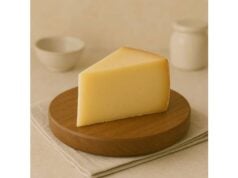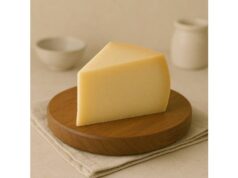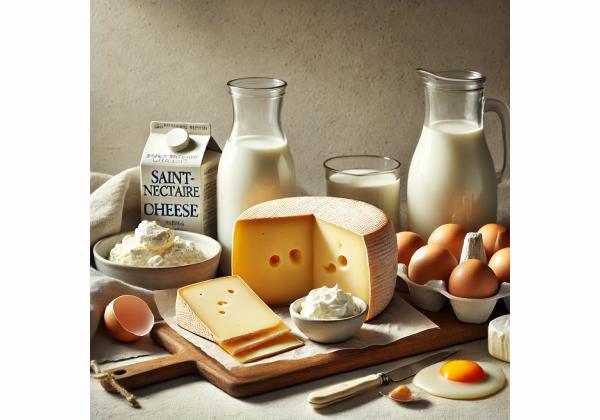
Saint-Nectaire is a semi-soft, washed-rind cow’s milk cheese from the volcanic uplands of Auvergne, France. Its rustic rind and supple, buttery paste carry aromas of hazelnut and damp cellar, thanks to traditional affinage on rye straw and the action of friendly surface microbes. Beyond character, Saint-Nectaire delivers a concentrated package of complete protein, bioavailable calcium, and key B vitamins that support bones, muscles, and energy metabolism. In the kitchen, it melts like a dream and lifts simple meals—from a slice on warm potatoes to a glossy finish on a burger or tartine. You’ll find farmhouse wheels (fermier) and creamery versions (laitier), both protected by a European designation of origin that preserves terroir and craft. Because it’s a soft cheese with moderate moisture and salt, it deserves basic food-safety care, especially for people with higher listeriosis risk. This guide walks you through benefits, nutrition, risks, smart shopping, sustainable storage, and delicious, nutrient-friendly ways to use Saint-Nectaire at home.
Quick Overview
- Provides high-quality protein and around half a day’s calcium per 100 g.
- Typical serving 30–40 g, enjoy 3–4 times weekly within a balanced diet.
- Soft cheeses pose higher listeria risk; choose pasteurized and handle hygienically.
- People who are pregnant, immunocompromised, or on MAOIs should be especially cautious.
Table of Contents
- What is Saint-Nectaire?
- Saint-Nectaire Nutrition Profile
- Evidence-Based Health Benefits
- Risks, Allergies and Interactions
- Selecting, Quality, Sustainability and Storage
- Preparation, Cooking and Nutrient Retention
- Portions, Comparisons and FAQs
What is Saint-Nectaire?
Saint-Nectaire is a protected-origin (AOP/PDO) French cheese made in the Massif Central, historically matured on rye straw in cool cave-like cellars. It’s a semi-soft, washed-rind style: wheels are regularly brushed or washed during aging, encouraging a tawny rind with a fine bloom that carries earthy, mushroomy notes. Inside, the pâte is ivory to pale straw, supple and elastic, dotted with small eyes, and aromatic with toasted nuts and cultured cream.
Two styles dominate:
- Fermier (farmhouse): Small-batch, made on-farm from a single herd’s milk. Expect seasonal variation and pronounced terroir; wheels often carry a green casein tag.
- Laitier (creamery): Collected milk from several farms, standardized for consistency; typically milder and more uniform.
Milk and aging. Saint-Nectaire is made from cow’s milk. Aging is commonly 4–8 weeks, long enough to soften texture and develop flavor while keeping a sliceable body. Some farmhouse wheels age longer for deeper funk and a more undulating paste.
Flavor and texture. Compared with Brie, Saint-Nectaire tastes nuttier and less buttery-sweet; compared with washed-rind powerhouses like Epoisses, it’s gentler, more mushroom-forward, and less pungent. When gently warmed, it becomes oozy and coat-the-palate creamy; when chilled, it remains pliant and snackable.
Culinary uses. It’s versatile: melt on boiled potatoes (a nod to Auvergne), tuck into omelets, layer in croque-style sandwiches, or cube into salads. Its balanced fat and moisture help it melt smoothly without breaking.
Label cues. Look for PDO marks, milk type (pasteurized or raw), and aging clues (affinage notes). Farmhouse labels may note the commune or altitude, signaling micro-terroir.
Who it’s for. Cheese lovers who want character without intense pungency; home cooks seeking a reliable melter; anyone curious about French mountain cheeses with a gentle washed-rind profile.
Saint-Nectaire Nutrition Profile
Below is a representative nutrition snapshot for a semi-soft, washed-rind cow’s milk cheese like Saint-Nectaire. Values are per 100 g with typical % Daily Value (%DV) for adults. Actual values vary by producer, milk season, and ripening. For precise intake, check your package label.
Macros and Electrolytes (per 100 g)
| Nutrient | Amount | %DV |
|---|---|---|
| Energy | 340 kcal | — |
| Water | 47 g | — |
| Protein | 22.0 g | 44% |
| Total Fat | 27.5 g | 35% |
| Saturated Fat | 17.5 g | 88% |
| Carbohydrate | 2.0 g | 1% |
| Total Sugars | 2.0 g | 4% |
| Dietary Fiber | 0 g | 0% |
| Sodium | 720 mg | 31% |
| Potassium | 100 mg | 2% |
Fats and Fatty Acids
| Component | Amount |
|---|---|
| Monounsaturated Fat | 7.5 g |
| Polyunsaturated Fat | 1.0 g |
| Trans Fat (ruminant, natural) | ~1.0 g |
| Conjugated Linoleic Acid (CLA) | ~0.3–0.6 g |
Protein and Amino Acids (highlights)
- Complete protein providing all essential amino acids.
- Casein dominates; whey fraction contributes bioactive peptides.
Vitamins
| Vitamin | Amount | %DV |
|---|---|---|
| Vitamin A (RAE) | 250 µg | 28% |
| Riboflavin (B2) | 0.30 mg | 23% |
| Vitamin B12 | 1.6 µg | 67% |
| Pantothenic Acid (B5) | 0.6 mg | 12% |
| Vitamin K (mostly K2, menaquinones) | Small amounts | — |
Minerals
| Mineral | Amount | %DV |
|---|---|---|
| Calcium | 650 mg | 50% |
| Phosphorus | 440 mg | 35% |
| Zinc | 3.5 mg | 32% |
| Magnesium | 25 mg | 6% |
| Iodine | 35 µg | 23% |
| Selenium | 15 µg | 27% |
Allergens and Intolerance Markers
- Milk proteins (casein, whey): common allergens.
- Lactose: typically ~1–3 g/100 g after ripening; still not suitable for lactose-free diets.
Glycemic and Acid–Base Metrics
- Glycemic impact: negligible (very low carbohydrate).
- Acid load: moderate (protein and mineral profile).
Additives and Fortification
- Traditional PDO Saint-Nectaire is not fortified; surface cultures (e.g., Brevibacterium linens, Geotrichum candidum) shape rind development.
Footnote: The above values reflect typical composition for semi-soft washed-rind cow’s milk cheeses and may vary by producer, milk treatment (raw vs pasteurized), and ripeness.
Evidence-Based Health Benefits
1) Bone and muscle support. Saint-Nectaire supplies a dense package of bioavailable calcium and complete protein. Per 100 g, you’ll often cover about half of daily calcium and nearly half of daily protein needs, supporting bone mineralization and muscle maintenance. The calcium–phosphorus ratio is naturally balanced, which aids skeletal health when paired with vitamin D from other foods or sunlight exposure.
2) B vitamins for energy metabolism. Cheese contributes riboflavin (B2) and vitamin B12, cofactors involved in energy pathways and red blood cell formation. For people limiting meat, a few weekly servings of quality cheese can help cover B vitamin gaps, mindful of total saturated fat.
3) Potential cardiometabolic neutrality in context. Large prospective syntheses suggest that moderate cheese intake (e.g., ~30 g/day on average) is not associated with increased cardiovascular risk and may be neutral or modestly protective as part of an overall healthy pattern. Dairy’s matrix—calcium, milk fat globule membrane, and fermentation—may influence lipid handling and blood pressure. While Saint-Nectaire is higher in saturated fat, portion control and dietary context matter.
4) Fermentation benefits. Surface-ripened cheeses harbor beneficial microbial communities during aging. While most microbes do not survive digestion in large numbers, fermentation can generate bioactive peptides that may modestly affect blood pressure regulation and satiety signals. These effects are small and should complement—not replace—standard diet and lifestyle strategies.
5) Protein quality and fullness. Casein-rich cheeses digest slowly, which can promote satiety and help with appetite regulation when eaten in mindful portions alongside fiber-rich foods (vegetables, whole grains, fruit).
How to apply the evidence.
- Portion smart: 30–40 g (a pair of matchboxes) delivers flavor with fewer calories and less saturated fat.
- Pair wisely: Combine with fiber (salad, roasted vegetables) and unsalted, wholegrain vehicles to balance sodium.
- Rotate fats: On days you enjoy cheese, tilt other meals toward unsaturated fat sources (olive oil, nuts, fish).
Who benefits most. People needing more calcium or protein in small volumes—older adults, athletes in weight-class sports (with sodium awareness), and omnivores reducing red meat—can all use Saint-Nectaire strategically.
Risks, Allergies and Interactions
Allergy and intolerance. Saint-Nectaire contains cow’s milk proteins (casein, whey) and residual lactose. Anyone with milk allergy must avoid it entirely. People with lactose intolerance may tolerate aged cheeses better than fresh ones, but tolerance varies; start with small amounts and assess symptoms.
Foodborne risk—soft cheese care. Soft and semi-soft cheeses hold more moisture and can support microbial growth. Choose pasteurized products, keep cold (≤4 °C), minimize time at room temperature, and maintain clean slicing surfaces. People who are pregnant, older than 65, or immunocompromised face higher risk of severe listeriosis. They should avoid soft cheeses made from unpasteurized milk and treat even pasteurized soft cheeses with extra caution (or heat to steaming before eating).
Sodium and saturated fat. Saint-Nectaire is moderately salty and high in saturated fat. If you manage hypertension, hypercholesterolemia, or heart disease, keep portions modest and balance the day’s saturated fat with unsaturated choices elsewhere.
Medication interactions—MAOIs and linezolid. Aged cheeses contain tyramine, which can trigger hypertensive reactions in people taking monoamine oxidase inhibitors (MAOIs) or linezolid (an antibiotic with MAOI activity). These individuals should avoid mature cheeses during therapy and for several weeks after stopping, per medical guidance.
Pregnancy-specific notes. In pregnancy, avoid cheeses made with raw milk and consider heating soft cheeses until steaming hot to reduce risk. Check labels for “pasteurized,” and observe use-by dates strictly.
Storage safety window. Once opened, consume within 7–10 days if kept properly wrapped and cold. If you see excessive ammonia, sliminess, or pink/black mold on the cut face (distinct from the natural rind flora), discard.
Who should limit or avoid.
- Avoid: Individuals with milk allergy; people on MAOIs/linezolid.
- Limit/choose carefully: Pregnant people and those immunocompromised (choose pasteurized and consider heating); people with high blood pressure or high LDL cholesterol (portion control and overall diet balance).
Selecting, Quality, Sustainability and Storage
Selecting quality.
- Look: Rind should be tawny to gray-brown with a fine, natural bloom; paste should be supple, not runny, with small eyes. Excess pink or black spotting on the cut face can indicate handling issues.
- Feel: Gently springy when pressed; very hard or chalky centers suggest under-ripeness, while extreme ooze may mean over-ripeness.
- Smell: Clean cellar, mushroom, and nutty butter. Sharp ammonia is a red flag.
Labels and origin. For authentic Saint-Nectaire, check for PDO/AOP and style (fermier vs laitier). Pasteurization status must be stated; if you’re pregnant or immunocompromised, choose pasteurized.
Sustainability pointers.
- Season and pasture: Farmhouse producers in mountain zones often integrate grazing that supports biodiversity and traditional landscapes. Buying in-season wheels (late spring to early autumn milk) can reflect pasture-rich diets.
- Packaging: Ask your cheesemonger to wrap in cheese paper or breathable waxed paper; avoid plastic clamshells when possible.
- Waste reduction: Buy portions you’ll finish within a week. Plan meals where leftover cheese can be melted (gratin, frittata), minimizing discard.
Storage best practices.
- Wrap: Use cheese paper or parchment + a loose outer layer (reusable beeswax wrap works) so the rind can breathe. Avoid tight plastic which traps moisture and accelerates off-aromas.
- Where: Keep in the vegetable drawer or a dedicated cheese box where temperature and humidity are stable.
- Temperature: 1–4 °C. Bring to room temp for 30–45 minutes before serving for best flavor and texture, then return leftovers to the fridge promptly.
- Cross-contamination: Dedicate a clean knife; rewrap with fresh paper after each service.
Shelf life clues. Properly stored Saint-Nectaire stays at peak for 7–10 days after cutting. If the paste becomes bitter, the rind excessively sticky/slimy, or aromas harshly ammoniacal, quality has declined.
Preparation, Cooking and Nutrient Retention
Serving temperature. Remove from the fridge 30–45 minutes before eating. Warmer paste unlocks nutty, mushroom notes and a more luscious texture without aggressive heat that can drive off aromas.
Knife skills and rind. The natural rind is edible but stronger. For mixed crowds, slice into wedges and trim rind on half the pieces so guests can choose.
Melting behavior. Saint-Nectaire melts smoothly thanks to its moisture and fat balance. It’s excellent for:
- Tartines: On toasted country bread with roasted mushrooms and thyme.
- Gratins: Layer thin slices over boiled potatoes or cauliflower and bake until bubbling.
- Eggs: Fold into omelets or scramble at the very end to avoid oiling off.
Avoid nutrient losses. Minerals (calcium, phosphorus) are heat-stable. B vitamins are more sensitive; keep melt times short and use gentle heat (190–200 °C baking or low stovetop) to preserve flavor and vitamins. Avoid prolonged high heat that can separate fat.
Smart pairings for balance.
- Vegetables: Peppery greens, leeks, or roasted roots add fiber and potassium, helping offset sodium.
- Acid and crunch: Pickled shallots, apples, or a splash of cider vinegar brighten the richness.
- Whole grains: Buckwheat galettes or wholegrain bread deliver fiber and magnesium.
Food safety when heating. If cooking for someone at higher listeriosis risk, heat cheese until steaming hot throughout. For bakes, target an internal temperature above 74 °C.
Batch prep and leftovers. Pre-slice only what you need; oxidation and off-aromas accelerate on pre-cut surfaces. For leftovers, cool quickly, wrap freshly, and refrigerate; reheat once to minimize repeated chill-heat cycles.
Portions, Comparisons and FAQs
How much is a portion? A practical portion is 30–40 g (one thick slice or two thin matchbox-sized pieces). That delivers satisfying flavor with fewer calories and less saturated fat than larger servings.
How often can I eat it? Enjoy 3–4 times per week within a balanced pattern rich in vegetables, legumes, fruit, whole grains, nuts, and fish. On cheese days, tilt the rest of your fat intake toward unsaturated sources.
How does Saint-Nectaire compare to similar cheeses?
- Versus Brie: Saint-Nectaire is typically nuttier and earthier, slightly firmer, and often a bit saltier. Both melt well; Saint-Nectaire holds shape better on heat.
- Versus Reblochon: Reblochon is richer and more pungent when fully ripe. Saint-Nectaire is usually gentler with a drier rind and subtler wash character.
- Versus Raclette: Raclette is designed to melt and is usually saltier. Saint-Nectaire melts nicely but offers a broader raw eating window with nutty depth.
- Versus Roquefort (blue): Roquefort is a blue-veined sheep’s milk cheese with higher salinity and tang. Saint-Nectaire is cow’s milk, without blue veins, and less sharp.
Is the rind edible? Yes, it’s edible. Expect stronger cellar notes. If you’re new to washed rinds, taste a small piece first.
Can people with lactose intolerance eat it? Many tolerate small portions because lactose is reduced during fermentation and aging. Start with 15–20 g alongside a meal and gauge your own response.
Is raw-milk Saint-Nectaire better? Raw-milk farmhouse wheels can be more complex. However, people who are pregnant, older, or immunocompromised should choose pasteurized and practice careful handling—or heat until steaming.
Wine and beverage pairings. Crisp whites (Jacquère, Aligoté), light reds (Gamay), or cider refresh the palate. Alcohol-free: sparkling water with a lemon twist, cider vinegar spritzers, or unsweetened iced tea.
Budget tip. Buy smaller wedges from an active counter where wheels turn quickly. Faster turnover often means fresher, better-kept cheese.
References
- Cheese consumption and multiple health outcomes: an umbrella review and updated meta-analysis of prospective studies 2024 (Systematic Review)
- How Listeria Spread: Soft Cheeses and Raw Milk 2025 (Guidance)
- Foods to avoid in pregnancy – NHS 2023 (Guideline)
- Composition of foods integrated dataset (CoFID) 2021 (Dataset)
- Saint-Nectaire – PDO dairy products 2025 (Official PDO Information)
Disclaimer
This article is for general education and is not a substitute for personalized medical advice, diagnosis, or treatment. Always consult your healthcare professional about your specific health needs, especially if you are pregnant, immunocompromised, have food allergies or intolerances, or take medications such as MAOIs or linezolid that may interact with aged cheeses. If you have symptoms of foodborne illness, seek medical care promptly.
If you found this guide useful, please consider sharing it on Facebook, X (formerly Twitter), or your favorite platform to help others and support our work in creating clear, reliable nutrition content.