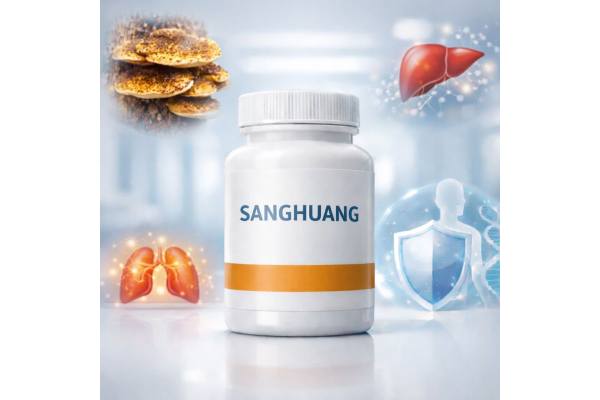
Sanghuang is a traditional medicinal mushroom that has been valued in East Asia for more than 1,000 years. Today, it is usually defined more precisely as species in the genus Sanghuangporus (such as Sanghuangporus sanghuang, S. vaninii, and S. baumii), although you may still see older names like Phellinus linteus on supplement labels. Modern research focuses on its polysaccharides, polyphenols (including hispidin), triterpenoids, and flavonoids, which together appear to influence immune balance, inflammation, oxidative stress, metabolism, and even sleep regulation.
People now use Sanghuang as a capsule, tea, or functional food ingredient for general immune support, healthy blood sugar and lipids, liver protection, and adjunct wellness during periods of high stress. Early clinical and animal studies are promising, but evidence remains limited compared with conventional medicines. This guide walks you through what Sanghuang is, what current research suggests, realistic benefits, how to take it, key safety questions, and who should avoid it or only use it under medical supervision.
Key Insights for Sanghuang Users
- Sanghuang extracts may support immune function, healthy inflammatory responses, and antioxidant defenses.
- Experimental data suggest potential benefits for blood sugar control, liver protection, and sleep quality, but human evidence is still limited.
- Typical supplemental intakes in human trials use about 1,000 mg per day of concentrated extract for 8–12 weeks.
- Mild digestive upset, dry mouth, or sleep changes can occur; anyone experiencing persistent symptoms should stop use and seek medical advice.
- People who are pregnant, breastfeeding, taking immunosuppressants or anticoagulants, or who have mushroom allergies should avoid Sanghuang unless a clinician specifically recommends it.
Table of Contents
- What is Sanghuang and how does it work?
- Sanghuang benefits and practical health uses
- How to take Sanghuang and typical dosage
- Factors that shape your response to Sanghuang
- Side effects, safety, and who should avoid Sanghuang
- What the current science says about Sanghuang
What is Sanghuang and how does it work?
Sanghuang is a group of wood-decaying polypore mushrooms that grow mainly on hardwood trees such as mulberry (Morus), poplar (Populus), and lilac (Syringa). Historically, many of these fungi were referred to as Phellinus linteus or Inonotus linteus. Taxonomy has been clarified in recent years, and the “true” Sanghuang used in traditional medicine is now placed in the genus Sanghuangporus.
The most commonly studied species today include:
- Sanghuangporus sanghuang – often associated with mulberry trees; widely used in East Asian herbal traditions.
- Sanghuangporus vaninii – another important medicinal species, frequently used in modern cultivation.
- Sanghuangporus baumii – sometimes used interchangeably in folk practice, but chemically distinct.
- Legacy materials labeled Phellinus linteus – many of these are now understood to be Sanghuangporus species, though some may be different fungi altogether.
Because of this taxonomic shift, it is possible that older studies on “Phellinus linteus (sanghuang)” were actually conducted on Sanghuangporus strains. This matters for quality and reproducibility: two products sold as “Sanghuang” may not come from the same species or contain the same compounds.
Key bioactive components
Modern analyses show that Sanghuang mushrooms are rich in:
- Polysaccharides (especially β-glucans and related heteropolysaccharides), thought to be the main immune-modulating and anti-inflammatory components.
- Polyphenols, particularly hispidin and related styrylpyrone derivatives, which show strong antioxidant, anti-inflammatory, and potential anticancer activity in laboratory models.
- Triterpenoids, which may support anti-inflammatory, hepatoprotective (liver-protective), and metabolic effects.
- Flavonoids such as morin in certain species, with possible cartilage and joint-protective roles.
Proposed mechanisms
Research suggests several overlapping mechanisms:
- Immune modulation: Sanghuang polysaccharides appear to influence innate and adaptive immune cells (macrophages, natural killer cells, T and B cells). The goal is not constant “stimulation” but better regulation—supporting defense without chronic over-activation.
- Antioxidant support: Hispidin and other phenolic compounds help neutralize reactive oxygen species and upregulate cellular antioxidant pathways (such as Nrf2 in experimental models), which may protect tissues from oxidative stress.
- Anti-inflammatory effects: Both polysaccharides and polyphenols can down-regulate pro-inflammatory mediators (like TNF-α, IL-6, and nitric oxide) in cell and animal models, potentially easing low-grade inflammatory states.
- Metabolic and vascular actions: Preliminary data suggest possible benefits for blood lipids, endothelial function, and glucose metabolism, but these findings are early and mostly preclinical.
- Neuroprotective and sleep-related effects: Hispidin-enriched extracts influence brain oxidative stress and inflammatory signaling in animal studies and may modulate sleep architecture via antioxidant and anti-inflammatory pathways.
Taken together, Sanghuang is best understood as a multi-target functional mushroom with broad “terrain-modifying” effects on immune balance, oxidative stress, and metabolism, rather than as a single-target drug.
Sanghuang benefits and practical health uses
People typically reach for Sanghuang supplements for immune health, healthy aging, metabolic balance, and stress-related complaints. The evidence base is mixed—stronger for some uses, much more preliminary for others. It is important to distinguish what has been shown in animals and cells from what is supported in humans.
1. Immune support and resilience
A double-blind, placebo-controlled clinical trial in healthy adults found that 1,000 mg per day of a Phellinus linteus (sanghuang) mycelium extract for eight weeks increased natural killer (NK) cell activity compared with placebo, without meaningful safety concerns over that time. NK cells are part of the front-line immune response against virus-infected and abnormal cells.
This supports a common traditional use of Sanghuang as a tonic for people who “catch everything” during cold season or feel run down. However, the study was conducted in otherwise healthy adults, and results cannot be automatically extrapolated to people with serious illness, autoimmunity, or on immunosuppressive therapy.
2. Inflammation and antioxidant defense
Across multiple experimental models, Sanghuang components:
- Reduce pro-inflammatory cytokines (such as IL-6 and TNF-α).
- Increase the activity of antioxidant enzymes and Nrf2-related pathways.
- Decrease markers of oxidative damage in tissues.
In practical terms, users often frame this as “supporting healthy inflammation levels” or “helping the body deal with oxidative stress.” These properties may underlie many of the mushroom’s downstream effects on joints, vessels, and metabolic organs, though human confirmation is still limited.
3. Metabolic and cardiovascular support
In cell and animal studies, Sanghuang polysaccharides and polyphenols have been reported to:
- Improve aspects of glucose metabolism and insulin sensitivity.
- Promote cholesterol efflux and healthier lipid handling in macrophages.
- Protect liver cells from toxic insults and reduce markers of liver damage.
Some users take Sanghuang alongside conventional care for fatty liver, insulin resistance, or dyslipidemia. At this stage, it should be considered a supportive nutritional supplement, not a replacement for prescribed drugs or lifestyle interventions. Human trials in these conditions remain small or preclinical.
4. Sleep and stress-related benefits
Fermented, hispidin-enriched Sanghuangporus sanghuang mycelia have shown:
- Improved sleep architecture (more non-REM and REM sleep, less wakefulness) in rodent models.
- Sleep changes that correlate with activation of antioxidant and anti-inflammatory pathways, particularly Nrf2.
Some functional food products now combine Sanghuang with other calm-supporting ingredients, targeting people with mild, stress-related sleep problems. Rigorous human trials are still needed, so any perceived benefit should be viewed as experimental and individualized.
5. Adjunct support in oncology care
Traditional texts and modern laboratory research both describe antitumor and immune-modulating effects for Sanghuang extracts, especially via polysaccharides and hispidin. These include effects on cell cycle regulation, apoptosis (programmed cell death), and tumor microenvironment signaling in cultured cells and animal models.
However, robust human data in cancer are lacking. For anyone with a history of cancer, Sanghuang should be considered only as a possible adjunct, and only with explicit approval from their oncology team, as interactions with chemotherapy or immunotherapy are not fully understood.
Overall, the best-supported benefits at present are modest immune enhancement and broad antioxidant/anti-inflammatory support, with intriguing but still early data for metabolic and sleep-related effects.
How to take Sanghuang and typical dosage
Because commercial products vary widely, there is no single universally accepted dose of Sanghuang. The safest way to dose is to use a reputable, standardized extract and stay within ranges that have been used in research or traditional practice, unless a clinician suggests otherwise.
Common forms
- Capsules or tablets: Often contain powdered fruiting body, mycelium, or concentrated extracts (e.g., “10:1 extract”).
- Powders: Can be mixed into drinks, smoothies, or foods; may be less standardized.
- Teas and decoctions: Traditional method using dried slices simmered in water. Potency depends on mushroom quality and brewing time.
- Functional foods and beverages: Fermented grains with Sanghuang, or drinks containing hispidin-enriched extracts.
Typical daily amounts seen in practice
These ranges are approximate and assume healthy adults unless otherwise stated:
- Standardized extract (capsules):
- Conservative “maintenance” range: about 250–500 mg per day of concentrated extract.
- Research-based range: 1,000 mg per day, usually divided into 500 mg twice daily, for 8–12 weeks in immune-support trials.
- Powdered fruiting body (non-concentrated):
- Often 1–3 g per day, split into two or three servings.
- Traditional decoction:
- Commonly uses 3–9 g of dried mushroom slices per day simmered in water, though this can vary by practitioner.
Because extraction methods and strengths differ, 500 mg of one brand may not equal 500 mg of another. Whenever possible, look for:
- Clear species naming (e.g., Sanghuangporus sanghuang, not just “sanghuang mushroom”).
- Part used (fruiting body, mycelium, or both).
- Extraction type (hot water, hot water plus ethanol, etc.).
- Standardization markers (e.g., total polysaccharides or hispidin content).
Practical dosing guidelines
- Start low and build gradually
- Many people begin at 250–500 mg of extract once daily with food for one to two weeks.
- If well tolerated and under professional guidance, the dose can be increased toward 500–1,000 mg per day, divided with meals.
- Time of day
- For immune or metabolic support, taking Sanghuang with breakfast and/or lunch is common.
- For sleep-focused products that include hispidin-enriched extracts, some protocols use an evening dose. Because sleep effects are not fully predictable, start earlier in the day to assess how you respond.
- Duration of use
- Clinical immune trials commonly run 8–12 weeks, followed by reassessment.
- For longer-term use, many practitioners suggest cycling (for example, 8–12 weeks on, then several weeks off) to periodically review benefits, side effects, and lab work if needed.
- Who should use lower doses or avoid self-experimentation
- People taking immunosuppressants, chemotherapy, or anticoagulants.
- Individuals with autoimmune disease flare-ups.
- Pregnant or breastfeeding women.
- Children and adolescents, unless guided by a pediatric specialist.
In all these situations, dosing should be set by a qualified clinician familiar with both the individual’s medical history and the specific Sanghuang product.
Factors that shape your response to Sanghuang
Not everyone responds to Sanghuang in the same way. Two people taking “1,000 mg of Sanghuang” daily may be ingesting very different preparations and experiencing different biological effects. Understanding the main variables can help you choose more wisely and set realistic expectations.
1. Species and strain differences
- Products may contain Sanghuangporus sanghuang, S. vaninii, S. baumii, or mixtures.
- Some supplements still use the older label Phellinus linteus; this could be a true Phellinus species or a Sanghuangporus reclassified strain.
- Different species and strains have distinct profiles of polysaccharides, triterpenoids, and phenolics, which can shift their emphasis (for example, more immune modulation vs more hepatoprotection vs more sleep-related effects).
If species identity matters to you—for example, you are aiming specifically for hispidin-enriched S. sanghuang—look for products that clearly declare Latin names and ideally include third-party testing.
2. Fruiting body vs mycelium
- Fruiting body extracts tend to be richer in certain polysaccharides and are closer to traditional decoctions.
- Mycelial products, often grown by fermentation, can provide higher levels of specific compounds (such as hispidin) and may be more consistent for large-scale production.
- Some functional foods use fermented grains colonized by Sanghuang mycelia, which adds nutritional complexity but also variability.
Neither form is inherently “better,” but they are not interchangeable. Research on immune function in humans has often used mycelium-based extracts, whereas some hepatoprotective and metabolic studies focus on fruiting bodies or whole-mushroom preparations.
3. Extraction and standardization
Extraction strongly influences potency and what you actually get from each capsule:
- Hot water extracts emphasize water-soluble polysaccharides—often considered central for immune effects.
- Hydroalcoholic or ethanol extracts pull out more polyphenols and triterpenoids (like hispidin), which may be key for antioxidant and sleep-related effects.
- “Double extracts” combine both approaches, aiming for broader coverage.
Look for labels stating:
- Extraction solvent(s) (water, ethanol, both).
- Standardized markers (for example, “30% polysaccharides” or “hispidin-enriched”).
- A clear ratio (such as 10:1), which indicates how much raw material was used per unit of extract.
4. Individual factors
Your own biology affects how Sanghuang works for you:
- Baseline health status: People with chronic inflammation or metabolic issues may notice different effects than already-healthy individuals.
- Medications and supplements: Interactions with immune-targeting therapies, blood thinners, or other mushrooms (like Reishi or Lion’s mane) may alter responses.
- Gut microbiome: As with many botanicals, your microbiota likely participate in transforming and absorbing Sanghuang compounds, though this is still under study.
- Genetics and sex: Some preclinical safety data suggest mild sex-specific differences (for example, platelet count changes within normal ranges in male rats), which may or may not be clinically relevant in humans.
5. Expectations and monitoring
The most common practical pitfalls include:
- Expecting rapid, dramatic changes from a supplement whose primary effects are subtle and cumulative.
- Using Sanghuang in place of medical evaluation for persistent symptoms such as fatigue, weight loss, night sweats, or unexplained pain.
- Ignoring labs and checkups when using multiple immune-modulating agents simultaneously.
A balanced approach is to treat Sanghuang as a supportive tool whose effects are best evaluated over weeks in the context of broader lifestyle and medical care, not as a standalone cure.
Side effects, safety, and who should avoid Sanghuang
Overall, Sanghuang has shown a favorable safety profile in experimental models and short-term human trials when used at typical supplemental doses. However, “low toxicity” does not mean “risk-free,” especially in people with complex medical conditions or when high doses are used long term.
What the safety studies suggest
- Rodent toxicity tests with hispidin-enriched S. sanghuang mycelia have reported no genotoxicity and no mortality at very high single doses, with lethal dose estimates above 12 g/kg body weight. Repeated daily administration up to 5 g/kg in rats did not produce clinically significant organ toxicity, though some hematologic changes (for example, reduced platelet counts in males) remained within reference ranges.
- Preclinical safety work on fermented S. sanghuang mycelia has found no clear signs of toxicity over 28 days, again at doses much higher than those used in human supplements, and established a no-observed-adverse-effect level (NOAEL) above 5 g/kg in rats.
- Human clinical trials using 1,000 mg per day of Phellinus linteus (sanghuang) extract for eight weeks did not detect significant adverse effects on liver, kidney, or basic laboratory markers in healthy adults.
These findings support the view that, for most healthy people, typical supplemental doses are unlikely to cause serious harm. Still, clinical trials have been short, and people with chronic illness may react differently.
Potential side effects
Reported and theoretically plausible side effects include:
- Mild gastrointestinal symptoms (nausea, soft stool, abdominal discomfort).
- Dry mouth or a slightly bitter aftertaste with high-polyphenol extracts.
- Changes in sleep patterns (either more relaxed or, in some individuals, difficulty falling asleep) with hispidin-rich preparations.
- Headache or lightheadedness in sensitive users, which usually resolves with dose reduction or discontinuation.
Severe allergic reactions are rare but possible, especially in individuals with known mushroom allergies. Any signs of rash, swelling, difficulty breathing, or chest tightness require immediate medical attention and permanent discontinuation.
Possible interactions
Because Sanghuang interacts with immunity, inflammation, and possibly platelets, some theoretical or partly documented interaction risks include:
- Immunosuppressive drugs (e.g., after organ transplantation, for autoimmune disease): Sanghuang’s immune-modulating effects could counteract these medicines or unpredictably alter immune tone.
- Immune checkpoint inhibitors and other cancer immunotherapies: Any strong immune-active supplement should only be used under close oncological guidance.
- Anticoagulants and antiplatelet drugs: Preclinical data suggesting mild platelet count changes raise a caution flag; even small shifts could matter in people already at bleeding risk.
- Other potent botanical immunomodulators: Combining multiple immune-targeting mushrooms or herbs may increase the chance of unexpected immune reactions.
Who should avoid Sanghuang or use only with medical supervision
- Pregnant or breastfeeding individuals (due to lack of reliable human safety data).
- Children and adolescents, unless a specialist directs use.
- Anyone with a history of severe mushroom or mold allergy.
- People on immunosuppressants, biologic agents, or undergoing active cancer treatment, unless their specialist approves.
- Individuals with bleeding disorders or on blood-thinning medication, until they have discussed Sanghuang with their clinician.
If you develop unusual bruising, prolonged bleeding, worsening fatigue, new neurological symptoms, or any persistent change in health while using Sanghuang, stop it and seek medical evaluation.
What the current science says about Sanghuang
The research landscape for Sanghuang has grown quickly in the last decade but remains heavily weighted toward laboratory and animal studies. Understanding this context helps you interpret marketing claims and make more informed decisions.
1. Evidence strength by domain
- Strongest area: composition and mechanisms
Detailed analyses now describe the main polysaccharides, polyphenols (including hispidin), triterpenoids, and flavonoids in Sanghuangporus species. Mechanistic studies have mapped out how these compounds interact with antioxidant pathways (like Nrf2), inflammatory cascades, and immune cells. - Intermediate area: preclinical efficacy
Numerous cell and animal models show benefits across domains: antitumor activity, liver protection, blood sugar and lipid regulation, neuroprotection, and sleep modulation. These results are consistent enough to justify interest but do not guarantee similar effects in humans. - Emerging area: human clinical trials
Human trials remain limited in number, size, and diversity. The best-developed line of evidence concerns immune function in healthy adults using mycelium-based extracts. Other clinical domains (sleep, metabolic disease, liver health, cancer adjunctive care) are only beginning to be explored, if at all.
2. Key themes from recent reviews and studies
Recent reviews of Sanghuangporus species emphasize:
- The need to clearly distinguish true Sanghuangporus from misclassified Phellinus or Inonotus species to improve scientific consistency.
- The central role of high-molecular-weight polysaccharides in anti-inflammatory and immunomodulatory effects.
- The importance of hispidin and related phenolics as potent antioxidants and possible mediators of sleep and neuroprotective actions.
- The generally low toxicity of Sanghuang preparations in preclinical testing, alongside the caution that human data over long periods and at higher doses are still sparse.
From a practical standpoint, this means that:
- Claims about Sanghuang are plausible and often mechanistically grounded, but robust human outcome data are missing for many conditions.
- High-quality products that disclose species, extraction, and standardization are more likely to resemble what has been studied.
- Anyone with significant health issues should treat Sanghuang as a potentially helpful adjunct, not a substitute for medical care or evidence-based therapies.
3. How to use the evidence wisely
A balanced approach to Sanghuang might look like this:
- Use it primarily for general wellness, immune resilience during periods of increased stress, and gentle support of healthy inflammatory and antioxidant status.
- Combine it with foundational measures—sleep hygiene, nutrition, movement, and stress management—rather than relying on it to compensate for these.
- For specific medical conditions, involve a clinician who can integrate Sanghuang into a broader care plan and monitor for interactions and measurable outcomes (such as lab tests or symptom scores).
- Stay open to adjusting or discontinuing use as new high-quality evidence emerges.
In summary, Sanghuang sits in the promising but not yet fully proven space of functional mushrooms. It offers a rich profile of bioactive compounds, an encouraging safety record in experimental settings, and early clinical signals—especially for immune support—while still requiring more rigorous human research across most claimed benefits.
References
- Research Progress of Bioactive Components in Sanghuangporus spp. 2024 (Review)
- Effects of Phellinus linteus extract on immunity improvement: A CONSORT-randomized, double-blinded, placebo-controlled trial 2022 (RCT)
- Pilot Study: Nutritional and Preclinical Safety Investigation of Fermented Hispidin-Enriched Sanghuangporus sanghuang Mycelia: A Promising Functional Food Material to Improve Sleep 2022 (Preclinical and Nutritional Study)
- Optimized production and safety evaluation of hispidin-enriched Sanghuangporus sanghuang mycelia 2020 (Safety Study)
Disclaimer
The information in this article is for general educational purposes only and is not intended to provide medical advice, diagnosis, or treatment. Sanghuang and other dietary supplements are not substitutes for professional healthcare, prescription medications, or individualized medical guidance. Always consult a qualified healthcare professional before starting, changing, or stopping any supplement, especially if you are pregnant, breastfeeding, have a medical condition, or take prescription or over-the-counter medications. Never delay seeking medical advice or disregard professional recommendations because of something you have read online.
If you found this guide helpful, you are warmly invited to share it with others on Facebook, X (formerly Twitter), or any platform you prefer, and to follow our work on social media. Your thoughtful sharing helps support our team in continuing to create clear, evidence-informed resources on health and nutrition topics.