Sardines are small, oily fish with a big nutrition profile and a rich culinary history. Because they sit low on the food chain and grow quickly, they’re usually a lower-mercury, sustainability-friendly seafood choice. A single can brings high-quality protein, heart-helping omega-3s, and—if you eat the tender bones—impressive calcium for bone health, plus vitamin D and vitamin B12. In the kitchen, sardines are versatile: fold into pasta with lemon and herbs, mash on whole-grain toast with capers and chili, grill fresh fish for smoky summer dinners, or tuck fillets into grain bowls and salads. They’re budget-wise and shelf-stable, which makes it easier to meet seafood goals on busy weeks. The main watchouts are sodium in some canned products, a moderate purine load for those with gout, and food-safety basics for fresh fish. This guide gives you precise per-100 g nutrient tables, science-backed benefits, smart buying and storage tips, and step-by-step cooking advice that keeps flavor high and nutrients intact.
Core Points
- Typical portion: 85–100 g drained canned sardines (or 120–150 g fresh cooked) 1–3 times per week within varied seafood intake.
- Key benefits: ~20–25 g protein per 100 g, ~1.4–2.2 g EPA+DHA, high vitamin B12 and—if bones are eaten—~300–500 mg calcium.
- Safety caveat: canned varieties may be high in sodium; fresh sardines must be kept very cold to avoid histamine (scombroid) illness.
- Who should limit: people with fish allergy; those with gout (purines); and anyone on strict sodium-restricted diets should choose no-salt-added options.
Table of Contents
- Sardine detailed overview
- Sardine nutrition profile
- Evidence-based health benefits
- Risks, allergies and interactions
- Selecting, quality, sustainability and storage
- Preparation, cooking and nutrient retention
- Portions, comparisons and FAQs
Sardine detailed overview
“Sardine” is a market name for several small, schooling fish in the herring family, commonly Sardina pilchardus (European sardine), Sardinops sagax (Pacific sardine), and various Sardinella species in tropical waters. You’ll find them fresh (whole), frozen, or canned—packed in water, olive oil, tomato sauce, mustard, or regional marinades. Oily by nature, they carry a savory, sea-sweet taste with a delicate, flaky texture when cooked and a firm, meaty bite from canned fillets. Because they’re plankton eaters low on the food web and harvested young, sardines tend to accumulate fewer contaminants than long-lived predators, and well-managed fisheries can be among the most climate-efficient animal proteins per gram.
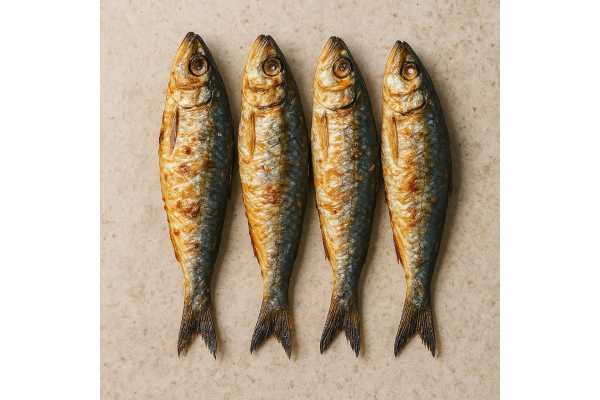
Fresh sardines spoil quickly, so careful handling is key. Look for bright, silver skins with a blue-green sheen, clear eyes, and a clean, briny smell. Whole fish usually range from 12–20 cm long; they can be grilled, broiled, or pan-fried, and the soft bones are edible after cooking. Canned sardines are pre-cooked and safe to eat straight from the tin, which makes them a dependable pantry staple for quick meals at home, at work, or on the trail. Bones in canned sardines are soft and digestible—an underappreciated calcium source—while skin adds minerals and collagen.
Culinarily, sardines are a flavor amplifier. Their natural glutamates and nucleotides deliver umami that anchors simple plates: lemon, parsley, capers, and excellent extra-virgin olive oil are classic companions. Mediterranean cooks fold them into pasta with breadcrumbs, pine nuts, and raisins; Japanese kitchens pair them with ginger and miso; Portuguese and Spanish traditions celebrate them grilled over hot coals with salt, garlic, and paprika. Because sardines are dense with omega-3s and heat-sensitive oils, quick cooking at the right temperature protects both texture and nutrition. For cans, your focus shifts to smart pairing: acid (citrus or vinegar), crunch (radish, celery), and fresh herbs balance richness without extra sodium.
From a health and budget standpoint, sardines check rare boxes at once: nutrient-rich, affordable, widely available, quick to prepare, and compatible with many dietary patterns—from Mediterranean and DASH to lower-carb or sport-focused plans. The remainder of this guide translates those strengths into precise numbers, weekly meal strategies, and safety shortcuts you can trust.
Sardine nutrition profile
Values below reflect per 100 g edible portion. Nutrients vary by species, pack medium, draining, and whether bones and skin are included. % Daily Value (%DV) uses common adult DVs. Canned values refer to drained fillets with bones unless noted.
Macros & Electrolytes (per 100 g)
| Nutrient | Canned in water | Canned in olive oil (drained) | Fresh, cooked | %DV (typical) |
|---|---|---|---|---|
| Energy (kcal) | 140–170 | 200–220 | 180–210 | — |
| Protein (g) | 20–25 | 20–24 | 22–25 | 40–50% |
| Total fat (g) | 7–10 | 11–14 | 10–12 | 14–18% |
| Saturated fat (g) | 1.5–3.0 | 2.0–3.5 | 2.0–3.0 | 10–18% |
| Carbohydrate (g) | 0 | 0 | 0 | 0% |
| Sodium (mg)* | 120–450 | 200–500 | 60–120 | 3–22% |
| Potassium (mg) | 250–380 | 250–380 | 320–420 | 5–9% |
| Water (g) | ~60–70 | ~55–65 | ~60–65 | — |
*No-salt-added cans sit at the low end; sauces or brines trend higher.
Fats & Fatty Acids (per 100 g)
| Component | Amount |
|---|---|
| Omega-3 EPA + DHA (g) | ~1.4–2.2 |
| Monounsaturated fat (g) | ~3–5 |
| Polyunsaturated fat (g) | ~2–3 |
| Cholesterol (mg) | ~80–120 |
Protein & Amino Acids (per 100 g)
| Amino Acid (selected) | Amount |
|---|---|
| Leucine (g) | ~1.8–2.2 |
| Lysine (g) | ~2.0–2.4 |
| Methionine + Cysteine (g) | ~0.9–1.1 |
Vitamins (per 100 g)
| Vitamin | Amount | %DV |
|---|---|---|
| Vitamin B12 (µg) | 7–10 | 292–417% |
| Vitamin D (µg) | 4–8 | 20–40% |
| Niacin B3 (mg) | 4–7 | 25–44% |
| Vitamin B6 (mg) | 0.25–0.45 | 15–26% |
| Choline (mg) | 60–90 | 11–16% |
| Vitamin A (µg RAE) | 15–40 | 2–4% |
Minerals (per 100 g)
| Mineral | Amount | %DV |
|---|---|---|
| Calcium** (mg) | 300–500 | 23–38% |
| Selenium (µg) | 35–70 | 64–127% |
| Phosphorus (mg) | 250–350 | 20–28% |
| Iron (mg) | 2.0–3.0 | 11–17% |
| Iodine (µg) | variable 20–80 | 13–53% |
| Zinc (mg) | 1.0–1.6 | 9–15% |
| Magnesium (mg) | 30–45 | 7–11% |
**Highest when bones are eaten (typical for canned sardines). Fresh fillets without bones provide less calcium.
Bioactives / Phytonutrients (qualitative)
- Coenzyme Q10 (CoQ10): small amounts occur naturally in oily fish.
- Taurine and carnosine: present in marine muscle; potential roles in osmoregulation and antioxidant defense.
- Heme iron: more readily absorbed than non-heme plant iron.
Allergens & Intolerance Markers
- Allergen: finfish parvalbumins (heat-stable).
- Histamine: risk in mishandled fresh fish; canned sardines are cooked and monitored but should be stored properly after opening.
Contaminants / Residues
- Mercury: generally low compared with large predatory fish, reflecting short lifespan and diet.
- Microplastics/PCBs: monitoring varies by region; rotating seafood types and favoring reputable brands helps minimize exposure.
Footnotes: Draining oil reduces calories; rinsing canned fillets under water can reduce surface sodium without meaningfully washing away omega-3s. Cooking fresh sardines concentrates nutrients slightly as water is lost.
Evidence-based health benefits
1) Heart support from marine omega-3s
Sardines provide ~1.4–2.2 g of long-chain omega-3s (EPA and DHA) per 100 g—enough that a single typical portion helps many adults approach weekly targets linked to heart health. Omega-3s support normal heart rhythm, help maintain healthy triglyceride levels, and contribute to flexible cell membranes. For practical coverage, include two seafood meals per week—using sardines for one—and aim for vegetables, legumes, and whole grains around the plate to reinforce cardiovascular benefits.
2) Dense protein for satiety and muscle maintenance
With ~20–25 g complete protein per 100 g, sardines deliver a strong protein-to-calorie ratio. That supports satiety, muscle repair after exercise, and healthy aging. Building meals with 25–35 g protein at a time (for most adults) is a simple way to support muscle protein synthesis; 100–140 g of sardines plus a whole-grain or legume side usually gets you there.
3) Bone health from edible bones and vitamin D
Few convenient foods combine bioavailable calcium and vitamin D like sardines with bones. One 100 g serving often supplies ~300–500 mg calcium and 20–40% DV vitamin D—useful for people who avoid dairy or need portable options. The calcium is in a natural matrix of collagen and minerals; absorption is favorable when paired with vitamin-C-rich vegetables and adequate protein.
4) Vitamin B12 and selenium for cellular protection
Sardines are standouts for vitamin B12 (commonly >300% DV per 100 g) and selenium (often >60% DV). B12 supports red blood cell formation and neurological function; selenium supports antioxidant enzymes that help maintain cellular defenses. Diet patterns low in animal foods can underdeliver B12; sardines offer a compact way to close that gap.
5) Real-world weight and metabolic help
Protein density, omega-3s, and intrinsic umami make sardines a convenient anchor for lower-calorie, higher-satisfaction meals. Replacing processed meats with sardines reduces saturated fat and sodium (especially if you choose no-salt-added cans) while delivering omega-3s. In practice, sardine-based lunches—on whole-grain toast with lemon and herbs or folded into bean-and-greens bowls—are fast, inexpensive, and filling.
6) Nutrient resilience and affordability
Canning locks in omega-3s, calcium, and B-vitamins with almost no prep time. That shelf stability makes it more feasible to meet seafood recommendations even in busy weeks, when fresh fish shopping may fall through. Over a month, rotating sardines with salmon, trout, or mackerel covers both omega-3s and budget constraints.
How to maximize benefits this week
- Plan two seafood meals, using sardines for one and an oily fish (e.g., salmon or mackerel) for the other.
- Choose no-salt-added or lower-sodium cans if you monitor blood pressure.
- Pair sardines with fiber-rich sides (beans, chickpeas, whole grains) and leafy greens to upgrade the meal’s micronutrient balance.
Risks, allergies and interactions
Allergy
Sardines are finfish; allergy to finfish is distinct from shellfish allergy, though some people have both. Reactions can include hives, swelling, wheezing, vomiting, or anaphylaxis. Individuals with known fish allergy should avoid sardines and use prescribed emergency medication if exposed.
Histamine (scombroid) illness
Improperly chilled small pelagic fish can accumulate histamine from bacterial action. Symptoms—flushing, headache, palpitations, rash—often begin within minutes to a few hours. Prevention is simple: buy fresh sardines cold, transport on ice, and refrigerate promptly. Once opened, canned sardines should be refrigerated in a covered container and eaten within 2–3 days.
Sodium
Some canned sardines are high in sodium, especially those packed in brine or sauces. If you’re sodium-sensitive or managing blood pressure, choose no-salt-added cans or varieties packed in water or olive oil and rinse gently before use. Pair with fresh produce and acidic dressings to reduce the need for added salt.
Purines and gout
Sardines contain moderate to high purines. People with gout or high uric acid should discuss individualized limits with a clinician. Practical approaches include smaller portions, rotating with lower-purine proteins, and emphasizing vegetables and whole grains.
Bones and young children
Canned bones are soft and generally safe for adults; for toddlers, mash sardines thoroughly and inspect for any firm fragments. Fresh cooked bones can be more rigid; remove if serving to young children.
Mercury and other contaminants
Sardines are commonly low in mercury. Rotating seafood types and buying from reputable brands and fishmongers helps minimize variable exposures such as microplastics or legacy pollutants.
Medication and condition notes
- Anticoagulants/antiplatelets: normal dietary fish intake is generally acceptable; high-dose fish-oil supplements warrant clinician oversight.
- Warfarin: sardines themselves are low in vitamin K; keep leafy-green sides consistent from week to week.
- Pregnancy and breastfeeding: sardines are typically recommended as a lower-mercury choice; prefer fully cooked preparations from trusted sources and watch sodium.
Selecting, quality, sustainability and storage
How to choose canned sardines
- Read the label: Look for no-salt-added or lower-sodium products if needed. “In olive oil” often tastes richer and protects delicate flesh; “in water” is lighter and flexible for salads.
- Bones and skin: Choose with bones and skin to maximize calcium and micronutrients; select skinless/boneless if texture is a barrier.
- Ingredients list: Prefer short lists—fish, oil or water, salt (or none). Avoid added sugars and unnecessary stabilizers.
- Can lining and date: Select recent pack dates and brands that disclose can lining materials. Rotate stock and store in a cool pantry.
Selecting fresh sardines
- Look: Bright silver skin; clear, convex eyes; red, moist gills.
- Smell: Clean and briny—not sour, fishy, or ammonia-like.
- Touch: Firm flesh that springs back.
- Ask: Harvest area, handling, and whether they were iced immediately after catch.
Sustainability snapshot
- Sardines are small pelagics with fast growth and high productivity. In well-managed fisheries, they can rank among the most sustainable and climate-efficient animal proteins. Look for regional assessments, catch limits, and, where available, credible eco-labels. Diversifying your seafood choices to include sardines relieves pressure on higher-impact species.
Storage and shelf life
- Canned (unopened): Store in a cool, dry pantry; use by the best-by date (quality, not safety).
- Canned (opened): Transfer leftovers to a covered glass or stainless container; refrigerate and use within 2–3 days.
- Fresh: Keep on ice or at ≤4°C (≤40°F); use within 24 hours (36 hours if extremely fresh).
- Freezing fresh: Clean, pat dry, and freeze in airtight bags up to 3 months for best quality; thaw overnight in the refrigerator.
Budget and value tips
- Buy multi-packs when on sale; rotate flavors (olive oil, tomato) to prevent menu fatigue.
- If choosing oil-packed, you can drain and reserve the flavored oil to sauté aromatics, spreading value across the meal.
- Regional brands from sardine-rich countries often offer excellent quality at a fair price—experiment to find your preferred texture and seasoning.
Preparation, cooking and nutrient retention
Safety and doneness targets
- For fresh sardines, cook to an internal temperature of 63°C (145°F) at the thickest part. Flesh turns opaque and flakes easily. Because they’re small, a minute too long can dry them out, so pull as soon as they’re done.
Techniques that protect omega-3s
- Quick, high heat: Grill, broil, or pan-sear 2–4 minutes per side for whole or butterflied fish; finish with lemon and herbs.
- Gentle heat: Poach in olive oil (low and slow) or steam 4–6 minutes; textures stay moist and delicate.
- Canned finishing: Warm briefly—do not fry hard—or serve at room temperature. Over-heating canned fillets can drive off aroma compounds.
Flavor architecture: acid, heat, crunch
- Acid: Lemon juice, sherry vinegar, or pickled onions brighten richness.
- Heat: Crushed red pepper or fresh chili cuts oiliness.
- Crunch: Toasted breadcrumbs, nuts, or crisp vegetables provide contrast.
- Herbs and aromatics: Parsley, dill, mint, basil; garlic and shallot; capers and olives for briny depth.
Five reliable templates
- Pan-seared fresh sardines with lemon-parsley gremolata: Dust cleaned fish with salt and pepper; sear in a hot pan with a thin film of oil; finish with lemon zest, garlic, and parsley.
- Mediterranean sardine pasta: Toast breadcrumbs in olive oil; add garlic, chili, and canned sardines; fold into spaghetti with lemon and parsley; scatter toasted pine nuts and raisins.
- Sardine toast two ways: Mash canned sardines with lemon and capers; spread on whole-grain toast with thinly sliced radish. Or mix with Greek yogurt, dill, and cucumber for a lighter riff.
- Grilled sardines with tomato-pepper salad: Grill 2–3 minutes per side; toss with a salad of tomatoes, roasted peppers, red onion, and sherry vinegar.
- Bean and greens bowl: Warm white beans with garlic; fold in sardines and kale; finish with lemon and a drizzle of olive oil.
Reducing sodium without losing flavor
- Choose no-salt-added cans or drain and rinse briefly. Replace added salt with acid and herbs; use capers or olives sparingly and balance with fresh vegetables.
Avoiding off-odors and bitterness
- For fresh fish, clean thoroughly and cook the day of purchase.
- For cans, open just before serving; if the oil tastes tired, drain and use fresh olive oil and citrus to refresh.
Char and safety
- A lightly charred skin from quick grilling adds aroma and doesn’t meaningfully change risk. Avoid heavy charring and flare-ups to minimize formation of undesirable compounds; cook over controlled heat and turn promptly.
Portions, comparisons and FAQs
What is a sensible serving and frequency?
- Canned: 85–100 g drained (about one standard tin) per serving.
- Fresh cooked: 120–150 g.
Aim for 1–3 sardine meals per week within a varied seafood pattern, adjusting for sodium, purines, and personal goals.
How do sardines compare with other fish?
- Versus tuna (light): sardines usually deliver more omega-3 and more calcium (bones). Tuna can be leaner per serving.
- Versus salmon: salmon often has more omega-3 per 100 g but less calcium unless bones are included; sardines are cheaper and more pantry-friendly.
- Versus mackerel: similar omega-3s; some mackerel species have a stronger flavor and, in rare cases, higher mercury than sardines.
- Versus anchovies: both are salty umami powerhouses; anchovies are typically used as seasoning, while sardines serve as the main protein.
Do I need to eat the bones?
No, but it’s a nutritional bonus. Canned bones are soft and supply 300–500 mg calcium per 100 g. If texture is a barrier, mash them into spreads or sauces to make them less noticeable.
Are sardines low in mercury?
Generally yes, due to their short lifespans and plankton diet. They’re commonly recommended as a lower-mercury choice for most adults, including people who are pregnant, when prepared safely.
Can I eat sardines cold from the can?
Yes. They’re fully cooked and shelf-stable. After opening, refrigerate leftovers and consume within 2–3 days.
What about sustainability?
Sardines are often a sustainable pick when fisheries are well managed. Rotating seafood choices and supporting transparent brands further improves your footprint.
Ideas for fast, balanced meals
- Ten-minute grain bowl: microwave farro, add sardines, cherry tomatoes, arugula, lemon.
- Protein-rich salad: canned sardines, chickpeas, cucumber, olives, red onion, red wine vinegar.
- Breakfast toast: mashed sardines, avocado, chili flakes, and sliced tomato on whole-grain bread.
References
- Advice about Eating Fish 2024 (Guideline)
- Dietary Guidelines for Americans, 2020-2025 2020 (Guideline)
- Omega-3 Fatty Acids – Fact Sheet for Health Professionals 2024 (Guideline)
- Safe Minimum Internal Temperature Chart 2025 (Guideline)
- FoodData Central 2025 (Database)
Disclaimer
This article is for educational purposes and is not a substitute for personalized medical advice, diagnosis, or treatment. Seafood composition varies by species, season, and processing. If you have fish allergy, gout, kidney disease, pregnancy, or specific cardiovascular or metabolic conditions, consult a qualified healthcare professional for tailored guidance on sardine portions and frequency. Seek medical care promptly if you experience concerning symptoms after eating fish, such as hives, wheezing, severe headache, or flushing.
If this guide helped you, please consider sharing it on Facebook, X (formerly Twitter), or any platform you prefer. Your support helps us keep producing clear, trustworthy nutrition content.