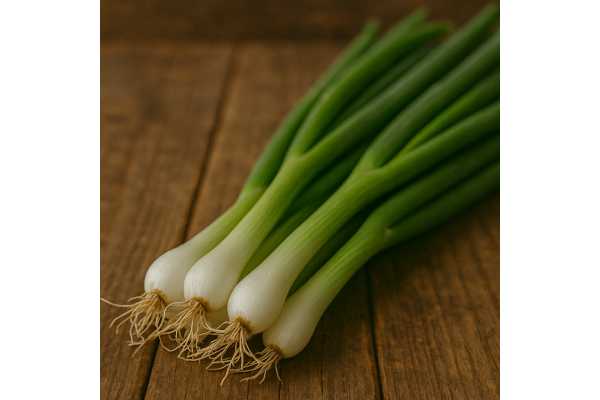
Scallions, also known as green onions or spring onions, are one of the simplest ways to add fresh flavor, color, and crunch to a dish without many extra calories. Both the hollow green tops and the pale white bases are edible, offering a mild onion taste that sits somewhere between chive and bulb onion. In many cuisines, scallions are treated almost like a seasoning: scattered over soups, tucked into dumpling fillings, stirred into stir fries, or folded into salads, dips, and omelets.
Nutritionally, scallions are compact but useful. They are low in energy, provide vitamin K, vitamin C, carotenoids, and small amounts of fiber and minerals, and contain sulfur rich compounds typical of the Allium family. These compounds, along with their prebiotic fructans, may contribute to heart, immune, and gut health when eaten regularly as part of a varied diet. This article looks closely at scallions’ nutrition profile, potential health benefits, risks, and the best ways to buy, store, and cook them safely.
Key Takeaways
- Scallions supply about 32 kcal, 7.4 g carbohydrate, and 2.6 g fiber per 100 g, plus vitamin K, vitamin C, and potassium.
- As allium vegetables, scallions provide sulfur compounds and fructan type fibers that may support vascular, immune, and gut health over time.
- A realistic serving is about 15–40 g (roughly 1–4 whole scallions), used daily or several times per week as a garnish or ingredient.
- People with allium allergies, pronounced sensitivity to fructans, or specific digestive conditions may need to limit or avoid scallions.
Table of Contents
- Scallion Types, Flavor and Culinary Roles
- Scallion Nutrition Profile and Compounds
- How Scallions Support Health
- Scallion Risks, Sensitivities and Interactions
- Buying Fresh Scallions, Quality and Storage
- Cooking Scallions for Flavor and Nutrient Retention
- Practical Scallion Servings, Alternatives and Questions
Scallion Types, Flavor and Culinary Roles
Scallion is a culinary term rather than a strict botanical category. In most markets, “scallion,” “green onion,” and “spring onion” are used somewhat interchangeably for young onions with long, slender green leaves and a small, not fully formed white bulb. Botanically, you most often encounter either:
- Welsh onion (Allium fistulosum), which naturally forms clumps of non bulbing onions.
- Immature bulb onions (Allium cepa) pulled early, before the bulb swells.
In everyday cooking, both are treated the same way. Welsh onions are especially common in East Asian cuisines, while immature bulb onions are more common in Western supermarkets.
The white and light green portion near the root has a more pronounced onion flavor and a crisper bite. The darker green tops are milder and more herb like, adding color and freshness. Both parts are typically eaten, though very dry or wilted tips can be trimmed away.
Scallions show up across global cuisines:
- In East Asia, they are essential in scallion pancakes, stir fries, soups, braised dishes, and dipping sauces.
- In Latin American dishes, they appear in salsas, stews, and as a topping for grilled meats or beans.
- In Middle Eastern and Mediterranean cooking, scallions join herbs, cucumbers, and tomatoes in salads or are served with bread and cheese.
- In Western kitchens, they are common in potato salads, omelets, mashed potatoes, dips, grain bowls, and as a simple garnish.
Because they are milder than mature onions, scallions are often used raw where a sharper onion might dominate. They also cook quickly, becoming sweet and aromatic with only brief heating. This makes scallions useful for:
- Finishing dishes at the last moment.
- Layering onion flavor in recipes without a long cooking time.
- Adding fresh notes in meals where heavy onion would be overwhelming.
For many people, scallions are an accessible way to eat more vegetables: a handful of sliced green onions over a soup, noodle bowl, or salad adds extra nutrients and plant variety with very little effort.
Scallion Nutrition Profile and Compounds
While scallions are often used in small amounts, their nutrition per 100 g helps explain what they can contribute when used generously. Values below are based on raw scallions, including tops and bulb.
Macros and electrolytes per 100 g raw scallions
| Nutrient | Amount per 100 g | Approx. % Daily Value* |
|---|---|---|
| Energy | 32–33 kcal | 2% |
| Carbohydrates (total) | 7.4 g | 3% |
| Dietary fiber | 2.6 g | 9–10% |
| Total sugars | 2.3 g | – |
| Protein | 1.8 g | 3–4% |
| Total fat | 0.2 g | 0% |
| Saturated fat | 0.03 g | 0% |
| Sodium | 16 mg | 1% |
| Potassium | 276 mg | 8% |
| Calcium | 72 mg | 6% |
| Iron | 1.5 mg | 8–10% |
| Magnesium | ~20 mg | 5% |
| Phosphorus | ~37 mg | 3–4% |
*Daily Values are approximate and based on adult reference intakes.
Overall, scallions are low in calories, low in fat, and modest in carbohydrate. They provide small but meaningful amounts of fiber and essential minerals, especially potassium and calcium relative to their energy content.
Vitamins and carotenoids per 100 g raw scallions
| Vitamin | Amount per 100 g | Approx. % Daily Value |
|---|---|---|
| Vitamin K | ~207 µg | 170–175% |
| Vitamin C | ~19 mg | 20–21% |
| Vitamin A (as carotenoid activity) | ~50 µg RAE | 5–6% |
| Folate (vitamin B9) | ~64 µg | 15–16% |
| Vitamin B6 | ~0.07 mg | 5% |
| Thiamin (vitamin B1) | ~0.07 mg | 6% |
| Riboflavin (vitamin B2) | ~0.07 mg | 5–6% |
| Niacin (vitamin B3) | ~0.5 mg | 3% |
Scallions stand out for vitamin K, which plays a key role in blood clotting and bone metabolism, and vitamin C, which supports immune function and tissue repair. They also contribute folate and several B vitamins involved in energy metabolism.
Green onion leaves contain carotenoids such as beta carotene and lutein plus zeaxanthin, pigments associated with eye health and antioxidant activity. Although quantities are modest compared with dark leafy greens, scallions still help diversify carotenoid intake, especially if you eat the darker green parts.
Sulfur compounds, fructans, and other bioactives
As members of the Allium family, scallions contain:
- Organosulfur compounds formed when cell structures are disrupted (chopping, slicing, chewing). These compounds contribute to aroma and have been studied for potential antioxidant, anti inflammatory, and cardiometabolic effects.
- Fructans and fructooligosaccharides (FOS), prebiotic fibers that resist digestion in the small intestine and are fermented by gut bacteria in the colon. These inulin type fructans can promote beneficial bacteria and short chain fatty acid production, which may support gut and metabolic health.
- Polyphenols and flavonoids, including quercetin derivatives and other antioxidants shared with onions.
These bioactive components do not appear on standard nutrition labels but contribute to the broader health profile of scallions and other allium vegetables.
How Scallions Support Health
Scallions are usually eaten in small portions, but regular use across meals adds up. Their potential health effects come from the combination of vitamins, minerals, prebiotic fibers, and sulfur containing phytochemicals.
Cardiometabolic and vascular health
Allium vegetables overall have been linked in observational research to markers of better cardiovascular health and, in some analyses, reduced risk of certain cardiometabolic diseases. These associations appear to be mediated by:
- Antioxidant and anti inflammatory actions of sulfur compounds and flavonoids, which can help protect blood vessel linings from oxidative damage.
- Favorable effects on blood lipids, including possible reductions in total and LDL cholesterol in some onion and garlic trials.
- Support for healthy blood pressure, potentially via improved endothelial function and mild vasodilatory actions.
Scallions contain lower absolute amounts of these compounds than garlic, but they still contribute to overall allium intake when eaten regularly with other vegetables in this family.
Bone, immune and tissue support
Scallions’ very high vitamin K content, along with calcium, magnesium, and vitamin C, supports normal bone turnover and mineralization as part of an overall diet that meets requirements for these nutrients. Vitamin K works with vitamin D and calcium in bone health; scallions contribute K and some calcium, while other foods supply additional calcium and vitamin D.
In terms of immune function, both vitamin C and organosulfur compounds may modulate immune responses. Experimental studies with Welsh onion extracts suggest potential benefits for immune parameters, including natural killer cell activity and some markers of inflammation, although results are still limited and often use concentrated extracts rather than kitchen quantities.
Gut health and microbiome
Fructan type fibers from scallions serve as fermentable substrates for gut bacteria. Research on inulin type fructans indicates they can:
- Increase beneficial bacteria such as bifidobacteria and lactobacilli.
- Enhance production of short chain fatty acids like butyrate, which nourish colon cells.
- Influence markers of metabolic health and stool regularity in some populations.
While data are not specific to scallions alone, onions and related allium vegetables are recognized sources of these fibers. Using scallions frequently—alongside garlic, leeks, and bulb onions—helps raise overall fructan intake for those who tolerate them.
Weight management and dietary quality
Scallions can indirectly support weight management by improving dietary quality:
- They are low in calories but high in flavor, which encourages enjoyment of vegetable rich meals.
- Adding scallions to soups, salads, grains, and stir fries boosts volume and plant diversity without significantly increasing energy intake.
- Their fiber and water content contribute modestly to satiety.
By making healthy meals more appealing, scallions can help people sustain patterns of eating associated with lower risk of chronic disease.
Overall, scallions’ benefits are best understood in context: they are not a standalone “superfood,” but they add valuable nutrients and allium phytochemicals to meals in a very convenient form.
Scallion Risks, Sensitivities and Interactions
For most people, scallions are a safe, everyday ingredient. However, several specific issues deserve attention.
Digestive discomfort and fructan sensitivity
Scallions, like other onions and garlic, contain fructans. These carbohydrates are poorly digested in the small intestine and are fermented by gut bacteria, producing gas. For many people, this is beneficial. For others, especially those with irritable bowel syndrome or a sensitive gut, it can cause:
- Bloating and abdominal distension.
- Cramping or discomfort.
- Changes in bowel habits.
People following a low FODMAP diet are often advised to avoid the white part of onions and scallions during stricter phases because it is particularly rich in fructans. Later, small test portions of the green tops may be reintroduced under guidance, as they tend to contain less. Tolerance varies widely, so individual experimentation with professional support is important.
Allergy and cross reactivity
True allergy to scallions is less common than digestive sensitivity but can occur. Symptoms may include:
- Itching, tingling, or swelling in the mouth or lips after eating raw or cooked scallions.
- Hives, skin rash, or in more severe reactions, respiratory symptoms.
Because scallions are alliums, people who have confirmed allergies to onions, garlic, leeks, or chives may be more likely to react. Any signs of trouble breathing, throat tightness, or widespread hives require immediate medical care.
Medication considerations
Scallions contain vitamin K, which can affect blood clotting. For most people, this is beneficial, but individuals taking vitamin K antagonist anticoagulants (for example, warfarin) need to keep vitamin K intake reasonably consistent from day to day. A sudden increase in very high vitamin K foods can interfere with dose stability.
Scallions are not as vitamin K dense as herbs like parsley or greens like kale, but frequent large servings could still contribute meaningfully. People on these medications should discuss overall vitamin K patterns with their healthcare team rather than trying to eliminate specific vegetables.
Other health conditions
Additional situations where scallions may require attention include:
- Severe reflux or heartburn – Strongly flavored alliums sometimes aggravate symptoms. Cooking scallions thoroughly and limiting portion size may improve tolerance.
- Post surgical or strict low fiber diets – Temporary restrictions may limit all onion family vegetables until the gut has recovered.
- Infants and very young children – Finely chopped cooked scallions are generally safe in small amounts, but their fibrous texture and strong taste may not be well accepted initially.
In summary, scallions are low risk for most people, but those with diagnosed digestive disorders, confirmed allium allergies, or certain medication needs should consider personalized guidance.
Buying Fresh Scallions, Quality and Storage
Selecting good scallions and storing them correctly helps you get the best flavor and preserve nutrients.
How to choose scallions
When you shop, look for bunches that:
- Have crisp, vibrant green tops without yellowing, slime, or significant wilting.
- Show firm, moist white ends with roots that are not overly dried or mushy.
- Are free from strong off odors; a fresh onion aroma is normal, but sour or rotten smells are not.
Avoid bunches with slimy leaves, crushed stems, or extensive browning. Thinner scallions often have a milder, more delicate flavor, whereas thicker ones may be slightly stronger and more fibrous near the base.
Some stores sell pre trimmed scallions in plastic packaging. These can be convenient but may spoil faster if moisture accumulates inside the bag. Check use by dates and inspect the greens carefully.
Seasonality and sustainability
Scallions are widely grown and available year round in many regions, but they are particularly abundant in spring and early summer. Because they grow quickly and can be harvested repeatedly from the same planting, they are a relatively resource efficient crop.
From a sustainability perspective:
- Buying locally grown scallions in season supports shorter supply chains.
- Growing scallions at home in containers or garden beds is easy and can provide a continuous supply of fresh greens.
- Regrowing the root ends in water on a windowsill is a popular way to extend a bunch for several extra uses.
These practices can reduce packaging waste and transport emissions while increasing access to very fresh produce.
Storing scallions at home
To keep scallions fresh:
- Refrigerator storage
- Wrap the root ends in a slightly damp paper towel and place the bunch in a loose bag in the vegetable drawer.
- Alternatively, stand scallions upright in a jar with a little water covering the roots and loosely cover the greens with a plastic bag before refrigerating.
- Use within about 5–7 days for best texture and vitamin content.
- Short term countertop storage
- If you plan to use scallions within a day or two and your kitchen is cool, they can be kept in a jar with a bit of water at room temperature, changing the water daily.
- Freezing
- Wash, dry, and slice scallions, then freeze them in a single layer on a tray before transferring to an airtight container.
- Frozen scallions lose crispness but work well in cooked dishes like soups, omelets, and stir fries.
Signs that scallions have passed their best include extensive slime on the leaves, strong off smells, or mushy bases. Discard any bunches in this condition.
Cooking Scallions for Flavor and Nutrient Retention
Because scallions have both leaf and stem portions, they can be used in many different ways, from raw garnish to cooked vegetable.
Preparation basics
Before use:
- Rinse the bunch under cool running water, separating the stalks gently to remove soil or grit.
- Trim the root tips, removing only the fibrous end.
- Remove any wilted or slimy outer layers.
- Decide how you will use them: thin rounds, bias cut pieces, or longer batons.
A common approach is to separate the white and pale green parts from the dark green tops, as they have different roles in cooking:
- White and light green sections are stronger and more heat tolerant, ideal for sautéing, stir frying, or adding early in cooking.
- Dark green tops are milder and more delicate, perfect for sprinkling over dishes at the end.
Raw versus cooked uses
- Raw scallions add crunch and freshness to salads, grain bowls, tacos, noodle dishes, and soups. Keeping them raw retains all vitamin C and most heat sensitive compounds but may be more challenging for those with sensitive digestion.
- Lightly cooked scallions (for example, in quick stir fries, scrambled eggs, or fried rice) become sweeter and softer while still maintaining some color and bite.
- Well cooked scallions in soups, braises, and roasted dishes contribute a gentler allium flavor and are often easier to tolerate for those sensitive to raw onion.
Cooking inevitably reduces some vitamin C and may alter certain sulfur compounds, but many minerals and fat soluble components remain. In practical terms, using scallions both raw and cooked across meals offers a good compromise between flavor, tolerance, and nutrient variety.
Techniques to maximize flavor and nutrition
To get the most from scallions:
- Add the white parts early in cooking when you want deeper onion flavor, but avoid prolonged high heat that could burn them.
- Reserve the dark green tops for finishing dishes; adding them right before serving preserves color, texture, and vitamin C.
- Combine scallions with healthy fats such as olive oil or sesame oil in stir fries, sautés, and dressings; this can improve absorption of fat soluble carotenoids and enhances flavor.
- Use scallions together with other herbs and vegetables rather than as the only plant ingredient, building a wide spectrum of nutrients and bioactives into each meal.
Simple ideas include scallion and herb omelets, miso soup with sliced scallions, roasted vegetables finished with chopped green onions, grain salads with lemon and scallion, and yogurt based dips or dressings studded with finely sliced greens.
Practical Scallion Servings, Alternatives and Questions
Understanding what counts as a serving and how scallions compare with related vegetables can help you use them more intentionally.
Realistic serving sizes and frequency
Because scallions are often used as a garnish, actual portions are usually small. As a guide:
- About 15 g (one medium scallion) supplies roughly 5 kcal, about 0.4 g fiber, and a notable share of daily vitamin K needs.
- A generous sprinkle over a soup or salad might involve 2–3 scallions, or around 30–45 g.
For most adults without specific medical restrictions, using scallions in this range:
- Most days of the week as part of mixed vegetable intake is reasonable.
- Contributes variety without dramatically altering calorie or carbohydrate intake.
Those on vitamin K antagonist anticoagulants should coordinate scallion and other high vitamin K foods with their healthcare team to keep intake consistent.
How scallions compare with other alliums
- Versus bulb onions
- Bulb onions tend to be denser, with slightly more calories and total carbohydrates per 100 g.
- Yellow and red onions provide more quercetin and other flavonoids in the outer layers.
- Scallions offer more vitamin K and can be easier to use raw due to milder flavor.
- Versus leeks
- Leeks are larger, more fibrous, and usually require more cooking.
- Both provide prebiotic fructans, but leeks are often eaten in larger cooked portions.
- Scallions are more convenient for quick garnish and raw uses.
- Versus chives
- Chives are herb like, with finer leaves and a more delicate, grassy onion flavor.
- Nutritionally, chives are used in such small quantities that their contribution is smaller than that of scallions.
If you need to reduce fructan intake, garlic infused oil, the darker green tops of scallions, and certain herbs can mimic some onion flavors without the same FODMAP load, though individual tolerance still varies.
Common questions
Are scallions healthy enough to matter if I only use them as a garnish?
Yes, especially if you use them generously and often. Multiple small additions of vegetables across the day contribute to total intake, and scallions bring vitamin K, vitamin C, and prebiotic fibers along with flavor.
Can I use scallions if I do not tolerate onions?
Some people who react strongly to bulb onions tolerate small amounts of scallion greens, while others are sensitive to all allium vegetables. If you have a confirmed allergy, you should avoid scallions unless cleared by an allergy specialist. If your issue is mainly digestive, working with a dietitian on careful testing may help clarify your tolerance.
Do I need to worry about pesticide residues on scallions?
Washing under running water and trimming outer layers reduces surface residues and soil. Buying from reputable suppliers and, where feasible, local growers you trust further supports safety. If you prefer, you can choose organically grown scallions, though washing remains important.
Can scallions replace vegetables in my daily servings count?
Scallions contribute to vegetable servings, but because portions are usually small, you still benefit from including more substantial vegetables like leafy greens, cruciferous vegetables, carrots, and others. Think of scallions as a multiplier that makes those other vegetables more appealing.
References
- Green Onions (Spring Onions, Scallions) Nutrition Facts, based on USDA FoodData Central 2023 (Food Composition Database)
- Green Onion (Allium fistulosum): An Aromatic Vegetable Crop Esteemed for Food, Nutritional and Therapeutic Significance 2023 (Review)
- Aqueous and ethanolic extracts of Welsh onion (Allium fistulosum L.) attenuate allergic responses in mice and mast cells 2018 (Experimental Study)
- Allium vegetable consumption and health: An umbrella review of meta analyses 2019 (Umbrella Review)
- The Prebiotic Potential of Inulin Type Fructans 2021 (Systematic Review)
Disclaimer
The information in this article is intended for general educational purposes and does not replace personalized medical advice, diagnosis, or treatment. Scallions and other allium vegetables can affect digestion, gut microbiota, vitamin K intake, and overall diet quality in ways that vary among individuals. If you have conditions such as irritable bowel syndrome, inflammatory bowel disease, known food allergies, bleeding or clotting disorders, diabetes, kidney disease, or if you take prescription medications (especially blood thinners), discuss your diet with a qualified healthcare professional or registered dietitian before making significant changes. Always seek professional guidance with any concerns about symptoms, diet restrictions, or medication interactions.
If you found this article useful, you are kindly invited to share it on Facebook, X (formerly Twitter), or any platform you prefer. Thoughtful sharing helps others access clear, evidence informed nutrition guidance and supports the continued effort required to produce high quality content.