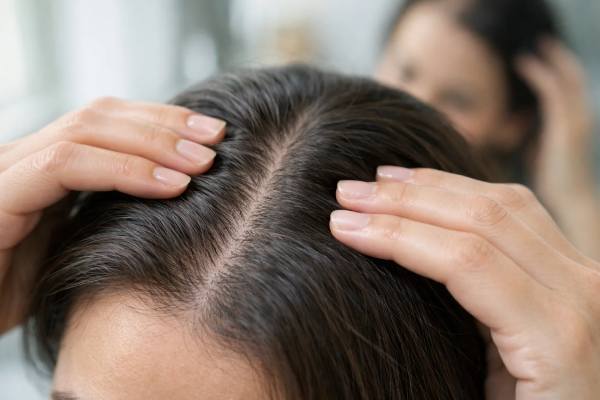
Healthy hair does not begin with the visible strand. It begins below the surface, in a small and highly active ecosystem built around each follicle. That environment includes the skin barrier, oil balance, microbes, immune signals, blood supply, and the habits that either calm or disturb them. When those conditions are stable, the follicle is more likely to stay productive. When they are inflamed, clogged, irritated, or chronically stressed, growth can become less efficient and shedding can look worse.
That does not mean every thinning problem starts on the scalp. Genetics, hormones, nutrition, illness, and age still matter. But the scalp can either support the follicle or make its job harder.
This is why scalp health deserves more respect in hair care. It is not a trend, and it is not only about dandruff. It is the quality of the environment where hair is made, anchored, and protected.
Essential Insights
- A healthy scalp supports better hair retention, comfort, and product tolerance, even when it cannot fully override genetic or hormonal hair loss.
- Barrier damage, chronic inflammation, heavy buildup, and untreated scalp disease can make follicles less efficient and hair look thinner or more fragile.
- Over-treating the scalp with harsh scrubs, frequent acids, or strong oils can backfire if the barrier is already irritated.
- A practical routine usually means regular cleansing, prompt treatment of flakes or itch, and choosing scalp products based on symptoms rather than hype.
Table of Contents
- What Scalp Health Really Means
- Why the Follicle Environment Matters
- Barrier, Sebum, and Microbiome Balance
- How Inflammation Disrupts Growth
- Daily Habits That Support a Healthier Scalp
- When Routine Care Is Not Enough
What Scalp Health Really Means
Scalp health is often reduced to one idea: a scalp without flakes. That is too narrow. A healthy scalp is not simply clean, oil-free, or perfectly matte. It is a skin surface and follicle environment that can protect itself, regulate oil reasonably well, tolerate normal grooming, and support consistent hair anchoring and growth without ongoing itch, burning, tenderness, scaling, or inflammation.
That definition matters because hair quality and scalp comfort do not always move together. Someone can have shiny hair but an irritated scalp under it. Someone else can have no obvious dandruff yet still have chronic tightness, soreness, or product buildup around the follicles. These conditions may not cause dramatic hair loss on their own, but they can make the follicle’s environment less stable and make shedding, breakage, or miniaturization look worse.
A healthy scalp usually has several features working in parallel:
- a reasonably intact skin barrier
- balanced rather than extreme oil production
- a stable microbial community
- low background inflammation
- minimal mechanical or chemical injury
- follicle openings that are not chronically clogged
This is one reason the scalp deserves to be treated as skin, not just as “the place under the hair.” It has its own physiology, its own vulnerabilities, and its own signs of stress. The density of follicles, the presence of sebum, and the repeated exposure to products make it a distinctive environment compared with the forehead or arms.
It also helps to separate support from cure. A healthy scalp supports hair growth, but it does not erase every cause of thinning. Pattern hair loss, postpartum shedding, iron deficiency, thyroid disease, autoimmune conditions, and medication-related shedding can all happen on a scalp that otherwise looks quite normal. The scalp is one part of the story, not the whole story. If you need a refresher on the stages hair moves through before it sheds, the hair growth cycle phases help explain why the follicle environment matters before a hair ever becomes visible above the skin.
In practical terms, scalp health shows up in everyday life as a scalp that feels calm most of the time. It does not sting after washing. It does not demand constant scratching. It does not stay coated in residue for days. It does not repeatedly produce sore bumps, thick scale, or greasy flakes that return as soon as treatment stops.
That may sound simple, but it is a high-value goal. A calm scalp is usually easier to manage, more tolerant of treatment, and better able to support the tissues surrounding the follicle. Hair care often focuses on the fiber because the fiber is visible. Scalp care matters because the fiber is made somewhere, and that somewhere needs stable conditions to do its job well.
Why the Follicle Environment Matters
A hair follicle is not an isolated tube. It is a mini-organ embedded in a living neighborhood. Around it are immune cells, blood vessels, connective tissue, sebaceous glands, microbes, signaling molecules, and the upper follicle barrier that interfaces with the outside world. That neighborhood shapes how well the follicle cycles, how well it protects itself, and how resilient it remains under stress.
This is the core idea behind the phrase “follicle environment.” Hair growth depends not only on what the follicle is genetically programmed to do, but also on the signals it receives from nearby tissue. If inflammation rises, if sebum flow changes, if the barrier becomes leaky, or if the microbial balance shifts, the follicle does not ignore those changes. It responds to them.
Several parts of that environment are especially important:
- Barrier function. The upper follicle and surrounding scalp skin help control water loss, irritant penetration, and local immune signaling.
- Sebum handling. Sebum protects and lubricates, but too much, too little, or altered flow can change microbial growth and follicle comfort.
- Immune regulation. Hair follicles depend on a carefully controlled immune setting, especially in the regions involved in cycling and regrowth.
- Vascular and metabolic support. Active follicles need oxygen, nutrients, and energy to keep producing a growing hair shaft.
- Microbial signaling. The follicle is not sterile. Microbes live in and around it, interact with the barrier, and may influence inflammation and homeostasis.
This helps explain why scalp problems are often felt before they are seen. A person may notice tightness, tingling, tenderness, or increased oiliness before visible thinning becomes obvious. The scalp is not being dramatic. It is signaling that the environment around the follicles is under strain.
The concept also explains why some hair products feel surprisingly important even when they are not “growth products.” A routine that reduces irritation, improves barrier comfort, and controls scale can indirectly support the follicle’s working conditions. That is not the same as claiming a shampoo grows hair like a drug. It means the scalp can become a more favorable place for hair retention and normal cycling.
At the same time, good scalp care has limits. A strong follicle environment does not completely cancel out androgen sensitivity, major nutritional deficits, autoimmune attack, or fever-related shedding. This is why scalp care should be seen as foundational support, not as a universal substitute for diagnosis. The right mental model is similar to soil and plants. Good soil does not change the species of plant, but poor soil can absolutely make that plant perform worse.
In hair care, people often focus on actives that promise stimulation. That can be useful, but it skips a quieter truth: follicles usually perform best in a stable environment, not a chaotic one. A scalp that is repeatedly inflamed, over-exfoliated, occluded, sun-damaged, or chronically colonized in an unhealthy way is asking the follicle to work uphill. That is why the environment matters so much.
Barrier, Sebum, and Microbiome Balance
Three scalp features are closely linked: the barrier, sebum, and microbiome. When they are in reasonable balance, the scalp tends to feel comfortable and function predictably. When they drift out of balance, the result may be itching, flaking, sensitivity, bumps, odor, or inflammation that quietly alters the follicle environment.
The barrier is the scalp’s front-line defense. It helps keep water in and irritants, allergens, and microbes in check. The upper part of the follicle also participates in barrier function, which is important because hair follicles are natural openings in the skin rather than sealed surfaces. A stressed barrier can make the scalp more reactive to fragrance, acids, preservatives, harsh surfactants, heavy environmental exposure, and even products that seemed fine in the past.
Sebum is often treated as the enemy, but it is not. It helps lubricate the scalp and hair and contributes to the surface environment where microbes live. Problems arise when sebum becomes excessive, stagnant, or poorly managed by the routine. Too much can feed oily buildup and flare dandruff-like states. Too little, or aggressive stripping, can leave the scalp tight and reactive. The healthiest target is not zero oil. It is manageable oil.
The microbiome adds another layer. The scalp hosts bacteria and fungi that are part of normal skin life. Under balanced conditions, that community coexists with the barrier. Under less balanced conditions, certain organisms can become more influential and contribute to flaking, irritation, malodor, follicular inflammation, or altered scalp comfort. The field is still evolving, but it is increasingly clear that the scalp is not just skin with random microbes on top. It is a distinct microenvironment with its own ecological pattern. If you want a deeper look at this concept, the scalp microbiome basics make the relationship easier to visualize.
This is why extreme routines often fail. Over-cleansing can damage the barrier and make the scalp sting. Under-cleansing can leave sebum, sweat, and residue sitting too long. Heavy scalp oils may feel soothing in the moment but can be counterproductive for some oily or flaky scalps. Repeated exfoliation can help the right person and irritate the wrong one.
Barrier support often comes from restraint as much as from added products. That may include:
- washing often enough for your scalp type
- avoiding harsh physical scrubs
- limiting root-level occlusive styling products
- treating dandruff and seborrheic symptoms early
- choosing soothing rather than heavily fragranced scalp products
People with dry, tight, or easily irritated scalps may also benefit from routines that respect barrier lipids and reduce transepidermal water loss. In that context, barrier-supporting ingredients such as ceramides can make more sense than another exfoliant.
The practical lesson is that scalp health is not just about removing things. It is about balance. The barrier, sebum, and microbiome work together, and hair tends to benefit when that partnership stays stable.
How Inflammation Disrupts Growth
Inflammation is one of the most important links between scalp health and hair growth. Not all inflammation is dramatic. It does not always look like a bright red rash or painful sores. Sometimes it is low-grade and persistent: recurring itch, mild perifollicular redness, flaky patches, sore roots, or a scalp that never quite feels calm. Even when subtle, that kind of background irritation can change the follicle environment in ways that are not helpful for long-term growth and retention.
Inflammation affects the follicle through several routes. It can alter local immune signaling, disturb the barrier, change microbial behavior, increase oxidative stress, and make the scalp more reactive to routine products or friction. In severe or chronic scalp disease, inflammation can damage the follicle more directly. In milder cases, it may not cause permanent loss on its own, but it can still contribute to poorer hair quality, increased shedding appearance, and reduced tolerance for treatment.
Several common scalp states are inflammation-heavy:
- dandruff and seborrheic dermatitis
- chronic itch with scratching
- folliculitis and recurrent scalp bumps
- irritant or allergic reactions to products
- psoriasis and eczema-type conditions
- sunburn or repeated thermal and chemical injury
This is why a person can use good “hair growth” products and still feel stuck. If the scalp is chronically inflamed, the environment those products are being applied to is already unstable. It is also why tenderness, burning, or persistent root discomfort deserve attention. Those symptoms may seem cosmetic, but they often reflect a scalp that is not in a supportive state.
The link between scalp inflammation and hair concerns is especially clear when symptoms and thinning seem to rise together. A scalp that flakes, itches, stings, and sheds more during flares is offering a useful clue. That does not automatically prove inflammation is the sole cause of thinning, but it strongly suggests that calming the scalp is part of the solution. A closer look at signs of scalp inflammation related to hair loss can help distinguish a bad scalp day from a more meaningful pattern.
One important nuance is that inflammation is not always driven by visible disease. It can also come from routine mismatch. Harsh cleansing, overuse of acids, frequent fragrance exposure, tight styles, heavy sweat left on the scalp, and chronic buildup can all sustain low-grade irritation. The scalp then becomes a little less forgiving each week.
Treating inflammation early matters because hair is a delayed tissue. By the time shedding looks obvious, the follicle may have been dealing with a difficult environment for a while. The scalp’s signals often come first. If you listen to them early, you may prevent a short-lived problem from becoming a chronic one.
Daily Habits That Support a Healthier Scalp
The best scalp routine is not the most elaborate one. It is the routine that keeps the follicle environment calm, clean enough, and low in avoidable stress. That usually means matching habits to scalp behavior instead of copying what works for someone with a completely different oil level, hair texture, or product load.
Start with cleansing frequency. A healthy scalp does not need punishment, but it does need appropriate wash intervals. For some people, that means shampooing several times a week. For others, especially with dry or tightly coiled hair, it may mean less frequent washing with careful scalp focus when they do cleanse. The right question is not “How little can I wash?” It is “How often does my scalp need cleansing to stay comfortable and free of residue?” The answer usually becomes clearer when you compare your routine with your actual scalp type and wash frequency needs.
A supportive routine often includes these basics:
- Cleanse regularly enough to remove sweat, excess sebum, and styling residue.
- Treat flakes, itch, or bumps promptly rather than waiting for them to become chronic.
- Apply conditioner mainly to lengths and ends when buildup is an issue.
- Keep heavy oils, waxes, and dry shampoos off the scalp unless they genuinely help.
- Protect the scalp from repeated sun exposure, harsh chemicals, and tight friction.
Small habits matter more than they seem. Washing brushes, changing pillowcases, rinsing after heavy sweating, and avoiding chronic scratching can reduce repeated stress on the follicle environment. So can using gentler heat practices. While heat mainly damages the hair shaft, aggressive styling can still worsen scalp dryness and irritation in susceptible people.
Clarifying is another useful tool, but only when used with purpose. A clarifying shampoo can help when the scalp feels coated, dull, itchy from buildup, or unresponsive to normal washing. It is less helpful when the scalp is already raw or barrier-impaired. In those cases, over-clarifying may worsen the very sensitivity you are trying to solve. That is why how and when to clarify matters more than simply owning a clarifying product.
Scalp-focused products can be helpful too, but the most useful ones usually address a symptom: flakes, oil, dryness, itch, or sensitivity. A product that claims to “stimulate” hair is less important than a product that stops making the scalp angry.
A final point that often gets overlooked: consistency beats intensity. A scalp that is gently supported week after week usually does better than one that gets occasional treatment bursts followed by neglect. The follicle environment likes stability. Daily habits are where that stability is built.
When Routine Care Is Not Enough
Good scalp care can improve comfort, reduce some forms of inflammation, and create a more supportive setting for hair growth. But it cannot diagnose disease, and it cannot replace medical treatment when the scalp is signaling something more serious. Knowing where that line is can save a great deal of time and frustration.
Routine care is often not enough when symptoms are persistent, painful, or accompanied by visible hair change. A scalp that remains itchy, flaky, sore, or bumpy despite consistent self-care may need a clearer diagnosis. The same is true when the pattern is unusual: patchy loss, thick adherent scale, pustules, bleeding, crusting, burning, or pain that seems out of proportion to what you see.
Several conditions can masquerade as “just a bad scalp”:
- seborrheic dermatitis
- psoriasis
- allergic contact dermatitis
- scalp folliculitis
- tinea capitis
- lichen planopilaris and other scarring alopecias
- discoid lupus or other inflammatory disorders
These conditions do not all damage hair in the same way. Some mainly create symptoms and temporary shedding. Others can threaten the follicle more directly and leave permanent loss if treatment is delayed. That is why repeated inflammation should not be normalized. A scalp that hurts, burns, or sheds more when it flares deserves real attention.
Medical help is especially important when you notice:
- widening patches or localized thinning
- scalp pain or tenderness that keeps returning
- pustules, crusts, or drainage
- intense itch that does not respond to routine changes
- visible scarring or shiny skin
- symptoms that spread beyond the scalp
- no improvement after several weeks of appropriate care
It is also important to remember that some hair loss types are driven mostly from within. Pattern hair loss, nutritional deficiency, thyroid disease, postpartum shedding, and medication-related loss may coexist with scalp symptoms, but scalp care alone will not solve them. In those cases, a calm scalp is still helpful because it improves comfort and treatment tolerance, yet it is only one part of the management plan.
The most practical mindset is this: use scalp care to optimize the environment, not to delay diagnosis indefinitely. When symptoms are mild and responsive, routine care may be enough. When they are persistent, worsening, or changing the way hair looks or feels, professional assessment is the safer choice. If you are unsure where your situation falls, these signs on when to see a dermatologist for hair loss can help frame the next step.
Healthy follicles prefer a stable home. Scalp care helps create that home. When the home becomes inflamed, infected, or structurally compromised, the smartest move is not another serum. It is a better diagnosis.
References
- Insights on the Impact of Scalp Barrier Condition on Hair Health – PubMed 2025 (Consensus Review)
- The Skin Microenvironment: A Dynamic Regulator of Hair Follicle Development, Cycling and Disease – PMC 2025 (Review)
- Hair follicles modulate skin barrier function – PMC 2024 (Mechanistic Study)
- The Potential Relevance of the Microbiome to Hair Physiology and Regeneration: The Emerging Role of Metagenomics – PMC 2021 (Review)
Disclaimer
This article is for educational purposes only and is not a substitute for medical advice, diagnosis, or treatment. Scalp health can influence hair growth and retention, but not all hair loss is caused by scalp problems. Seek medical care for persistent itching, pain, burning, pustules, thick scale, patchy hair loss, visible scarring, or any scalp change that does not improve with appropriate self-care. Use medicated shampoos, acids, and scalp treatments according to their label or a clinician’s guidance.
If this article was helpful, please share it on Facebook, X, or your preferred platform.