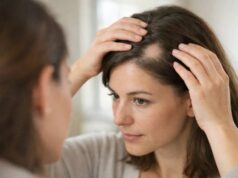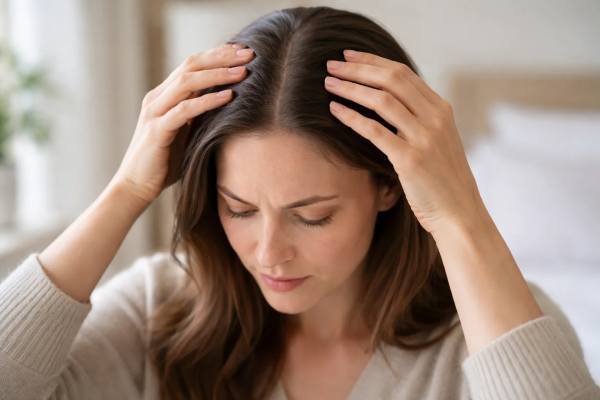
A painful scalp can feel confusing and surprisingly distressing. You may notice soreness when brushing your hair, a burning sensation at the roots, or tenderness when your hair moves. Sometimes the discomfort appears without any visible redness, rash, or injury. This type of scalp pain is often referred to as trichodynia.
Although the word sounds technical, the experience is common. People describe it as tightness, stinging, aching, or a sensitive feeling that makes simple actions—washing, styling, or tying hair back—uncomfortable. In many cases, the scalp itself looks normal.
Understanding trichodynia requires looking beyond the hair strand. Nerve sensitivity, inflammation around follicles, scalp tension, stress responses, and underlying scalp conditions can all contribute. For some people, scalp pain appears during periods of increased shedding or irritation.
The encouraging part is that identifying the cause often leads to practical solutions. With the right approach—whether calming inflammation, adjusting hair routines, or treating scalp disorders—many people see noticeable improvement in comfort.
Quick Overview
- Trichodynia describes scalp pain, burning, or tenderness often linked to nerve sensitivity or inflammation around hair follicles.
- Common triggers include stress, scalp inflammation, tight hairstyles, product reactions, and increased hair shedding.
- Persistent scalp pain may signal underlying scalp conditions that benefit from medical evaluation.
- Gentle scalp care, reducing tension on the hair, and treating inflammation early can significantly reduce symptoms.
Table of Contents
- What Is Trichodynia
- Why the Scalp Can Hurt
- Inflammation and Scalp Disorders
- Stress and Nerve Sensitivity
- Daily Habits That Worsen Scalp Pain
- Ways to Relieve Scalp Pain
- When to Seek Medical Care
What Is Trichodynia
Trichodynia is a term used to describe discomfort, burning, or pain affecting the scalp, particularly around hair follicles. Unlike typical scalp conditions that produce visible redness or scaling, trichodynia often occurs without obvious signs on the skin.
People experiencing this condition commonly describe:
- soreness at the roots of the hair
- burning or tingling sensations
- sensitivity when touching or moving the hair
- aching after tying hair back or brushing
The sensation may affect the entire scalp or appear in localized areas such as the crown or temples.
Dermatologists believe trichodynia involves a combination of factors rather than a single cause. These factors may include nerve sensitivity, inflammation around follicles, and psychological stress responses that influence how pain signals are processed in the scalp.
The scalp contains a dense network of sensory nerves. These nerves detect pressure, temperature, and pain signals. When the surrounding skin becomes irritated or inflamed, the nerves may become more reactive, making even light touch uncomfortable.
Interestingly, trichodynia often appears in people experiencing increased hair shedding. Some individuals notice scalp pain during periods of telogen effluvium, when hair follicles shift prematurely into the resting phase. The biological relationship between shedding and pain is not fully understood, but inflammation around follicles may contribute.
The experience can feel alarming because the scalp is such a sensitive area. Even mild irritation can become noticeable during everyday activities such as brushing or washing hair.
In some cases, scalp pain may occur alongside other symptoms such as itching, flaking, or tenderness. These signs may point toward underlying scalp conditions that require targeted treatment.
Understanding the difference between shedding and actual hair loss is helpful when evaluating symptoms, which is explained further in the distinction between shedding and true hair loss.
Recognizing trichodynia as a real physiological experience—not simply a cosmetic concern—is an important first step toward finding relief.
Why the Scalp Can Hurt
The scalp is one of the most nerve-rich areas of the body. Beneath the hair follicles lies a complex network of sensory nerves, blood vessels, oil glands, and connective tissue. When any part of this environment becomes irritated, the scalp can respond with discomfort or pain.
Several mechanisms may contribute to trichodynia.
1. Perifollicular inflammation
Hair follicles are surrounded by microscopic structures responsible for hair growth and immune regulation. When inflammation develops around these follicles, the surrounding nerves may become more sensitive.
This type of inflammation can occur due to scalp disorders, excessive product buildup, or irritation from cosmetic treatments.
2. Increased nerve sensitivity
Some people have heightened sensitivity in peripheral nerves. Stress, hormonal fluctuations, and neurological factors can amplify how pain signals are perceived.
Even mild scalp irritation may feel more intense when nerve sensitivity increases.
3. Scalp tension and circulation changes
Tension in scalp muscles can affect local circulation and nerve signaling. This may occur during periods of emotional stress or prolonged muscle contraction in the head and neck.
The scalp is connected to facial and neck muscles that respond strongly to stress, which may explain why some people experience scalp pain during emotionally demanding periods.
4. Changes in hair follicle cycling
Hair follicles continuously cycle through growth, transition, and resting phases. During periods of increased shedding, inflammatory signaling around follicles may increase temporarily.
Understanding the timing of hair growth phases can help explain why symptoms appear in waves, as described in the stages of the hair growth cycle.
5. Chemical and environmental irritation
Hair dyes, styling products, and harsh cleansers can irritate the scalp. Repeated exposure to irritants may disrupt the skin barrier and increase nerve sensitivity.
Environmental triggers such as sun exposure, heat styling, and pollution can also contribute to irritation over time.
In many cases, trichodynia arises from several of these mechanisms simultaneously. For example, stress may increase nerve sensitivity while scalp irritation triggers local inflammation.
Because the causes can overlap, identifying the specific trigger for scalp pain often requires looking at both scalp health and daily habits.
Inflammation and Scalp Disorders
One of the most important contributors to scalp pain is inflammation. The scalp contains numerous hair follicles and oil glands, making it particularly vulnerable to inflammatory skin conditions.
When inflammation develops around follicles, nearby nerve endings can become irritated, creating sensations such as burning, tenderness, or aching.
Several scalp disorders are commonly associated with trichodynia.
Seborrheic dermatitis
This condition causes greasy flakes, redness, and itching. Inflammatory signals around the follicles may produce soreness or sensitivity in addition to visible scaling.
In some cases, prolonged inflammation can also contribute to hair shedding, which is discussed in hair loss linked to seborrheic dermatitis.
Scalp psoriasis
Psoriasis produces thick, silvery plaques that may extend beyond the hairline. The underlying inflammation can irritate nerve endings and cause scalp discomfort.
Folliculitis
Inflammation or infection of hair follicles can lead to painful bumps or pustules. Even mild folliculitis can make the scalp feel sore to the touch.
Contact dermatitis
Hair dyes, fragrances, and preservatives may trigger allergic or irritant reactions on the scalp. These reactions can produce burning or tenderness even before visible redness appears.
People who frequently color their hair or use fragranced products may experience scalp sensitivity related to these reactions.
Chronic scratching
Persistent itching can damage the scalp barrier. Scratching creates small injuries that allow inflammation to worsen, creating a cycle of irritation and pain.
Scalp conditions do not always appear dramatic at first. Mild scaling, subtle redness, or intermittent itching may still indicate underlying inflammation.
Treating these conditions early is important because chronic inflammation can affect hair follicles over time. When the scalp environment becomes irritated for prolonged periods, follicles may enter shedding phases more frequently.
Recognizing signs of inflammation is therefore essential when evaluating scalp discomfort. If symptoms persist despite routine scalp care, targeted treatment may be necessary.
Stress and Nerve Sensitivity
Stress plays a surprisingly important role in scalp pain. Many people notice scalp tenderness during periods of emotional strain, sleep disruption, or intense workload. The connection between stress and trichodynia involves several biological pathways.
When the body experiences psychological stress, the nervous system activates protective responses designed to prepare for potential threats. Stress hormones such as cortisol and adrenaline influence circulation, immune activity, and nerve signaling.
These changes can affect the scalp in multiple ways.
Heightened nerve sensitivity
Stress can increase the sensitivity of peripheral nerves. This means normal sensations—such as brushing hair or moving the scalp—may feel uncomfortable or painful.
Muscle tension
The muscles surrounding the scalp, forehead, and neck often tighten during stress. Prolonged tension may compress small blood vessels and irritate nearby nerves.
This is similar to the mechanism behind tension headaches.
Inflammatory signaling
Chronic stress can increase inflammatory activity throughout the body. When this occurs around hair follicles, the scalp environment may become more reactive.
Stress is also a well-known trigger for increased hair shedding. Periods of emotional strain can push more follicles into the resting phase, leading to a temporary shedding condition known as telogen effluvium. This relationship between stress and hair loss is explained in stress-related hair shedding.
Because stress affects both nerves and follicles, scalp pain and hair shedding may appear together.
Managing stress does not eliminate trichodynia entirely, but it can significantly reduce symptom intensity. Improving sleep quality, practicing relaxation techniques, and maintaining consistent routines often help stabilize the nervous system.
Understanding this connection is reassuring for many people. It explains why scalp pain may fluctuate during stressful periods and improve once the body returns to a calmer state.
Daily Habits That Worsen Scalp Pain
Certain everyday hair care habits can aggravate trichodynia. Even when underlying inflammation or nerve sensitivity is present, small changes in routine often make a noticeable difference in comfort.
Tight hairstyles
Styles that pull the hair strongly—such as tight ponytails, braids, or buns—place continuous tension on hair follicles. This tension can irritate the scalp and increase nerve sensitivity.
Over time, repeated tension may even contribute to traction-related hair loss.
Heavy product buildup
Layering styling products on the scalp can clog follicles and trap sweat or oil. This buildup may lead to irritation or inflammation around follicles.
Clarifying shampoos can sometimes help remove accumulated residue. Understanding how to manage product buildup is useful for reducing scalp irritation.
Harsh chemical treatments
Frequent bleaching, coloring, or chemical straightening can disrupt the scalp barrier. Even mild irritation may trigger burning or soreness.
People with sensitive scalps often benefit from spacing chemical treatments further apart.
Aggressive brushing or scratching
Forceful brushing can irritate follicles and worsen pain. Scratching may damage the skin barrier and prolong inflammation.
Overwashing or harsh cleansers
Shampoos containing strong surfactants may strip natural oils from the scalp. This can lead to dryness and increased sensitivity.
Adjusting these habits is often one of the fastest ways to reduce trichodynia symptoms. Gentle hair care, looser hairstyles, and balanced cleansing routines allow the scalp to recover from irritation.
Small improvements in daily routines can significantly improve scalp comfort over time.
Ways to Relieve Scalp Pain
Relieving trichodynia usually involves addressing both scalp health and nerve sensitivity. While the specific approach depends on the underlying cause, several strategies consistently help reduce discomfort.
Gentle scalp care
Switching to mild shampoos and avoiding harsh chemical treatments allows the scalp barrier to recover. Products designed for sensitive scalps often contain soothing ingredients.
Scalp massage
Light massage can improve circulation and relax tense scalp muscles. This technique may reduce discomfort when performed gently and regularly.
A structured approach to massage techniques is outlined in scalp massage practices for hair health.
Reducing inflammation
Treating underlying scalp conditions—such as dandruff or dermatitis—often improves trichodynia symptoms. Medicated shampoos or topical treatments may be recommended depending on the condition.
Stress management
Because stress can amplify nerve sensitivity, relaxation practices such as breathing exercises, yoga, or meditation may indirectly improve scalp pain.
Protecting the scalp
Avoiding tight hairstyles, minimizing heat exposure, and maintaining healthy sleep habits can help the scalp recover from irritation.
Recovery usually occurs gradually. As inflammation decreases and nerve sensitivity stabilizes, the scalp typically becomes less reactive to touch and hair movement.
Consistency with gentle care routines often produces the best results.
When to Seek Medical Care
Most episodes of scalp pain improve once irritation or stress triggers are addressed. However, persistent or severe symptoms may require medical evaluation.
A dermatologist should be consulted if scalp pain occurs alongside:
- persistent redness or scaling
- painful bumps or sores
- sudden hair loss patches
- unexplained hair thinning
- severe itching or burning sensations
These symptoms may indicate underlying scalp disorders requiring targeted treatment.
Medical evaluation may include scalp examination, dermoscopy, or laboratory testing to identify possible causes of hair loss or inflammation.
If hair loss accompanies scalp pain, physicians may investigate conditions affecting follicle health, nutrient levels, or hormonal balance. Understanding when professional care is appropriate can prevent prolonged discomfort and potential hair damage.
Guidance on evaluating unexplained hair loss is discussed in when to consult a dermatologist about hair loss.
Early diagnosis often leads to more effective treatment and faster relief from symptoms.
Persistent scalp pain should never be ignored, especially when it interferes with daily activities or is accompanied by changes in hair density.
References
- Trichodynia Revisited 2020 (Review)
- The Role of Neurogenic Inflammation in Skin Disorders 2020 (Review)
- Trichodynia: A Review of the Literature 2021 (Review)
- Telogen Effluvium: A Comprehensive Review 2022 (Review)
Disclaimer
This article is intended for educational purposes only and should not be considered medical advice. Scalp pain and hair loss can have many causes, and proper diagnosis requires evaluation by a qualified healthcare professional. Anyone experiencing persistent scalp discomfort, sudden hair loss, or severe symptoms should seek medical guidance to determine the underlying cause and appropriate treatment.
If you found this article helpful, consider sharing it on Facebook, X, or your preferred social platform to help others learn more about scalp health.