Hair growth products have evolved far beyond basic oils and shampoos. Today, scalp serums occupy a rapidly expanding space in hair care routines, promising thicker hair, healthier follicles, and stronger strands through targeted ingredients applied directly to the scalp. Unlike traditional conditioners or styling treatments, these formulas are designed to interact with the scalp environment itself—the place where hair growth begins.
Interest in scalp serums has grown alongside the broader trend of “skinification” in hair care. Just as facial skincare relies on active ingredients, scalp treatments increasingly include peptides, botanical extracts, and compounds that aim to support follicles and reduce inflammation. Yet the marketplace can be confusing. Some ingredients are supported by clinical research, while others rely primarily on cosmetic benefits or early laboratory data.
Understanding what scalp serums can realistically do helps set expectations. They may improve scalp health, support thicker-looking hair, and complement medical treatments. But not every serum works the same way, and results vary depending on the underlying cause of hair thinning.
Essential Insights
- Many scalp serums improve the environment around hair follicles, which may support stronger and thicker-looking hair over time.
- Ingredients such as peptides, caffeine, and botanical extracts are commonly used to stimulate follicles or reduce scalp inflammation.
- Results typically take 3 to 4 months to become noticeable because hair growth follows a slow biological cycle.
- Applying serums consistently once or twice daily to a clean scalp improves absorption and increases the likelihood of visible results.
Table of Contents
- What Scalp Serums Do for Hair
- Key Ingredients in Hair Growth Serums
- How Serums Support the Scalp Environment
- Who May Benefit Most from Scalp Serums
- How to Use Scalp Serums Correctly
- Realistic Results and Timelines
- Safety Considerations and Common Mistakes
What Scalp Serums Do for Hair
Scalp serums are lightweight topical formulations designed to deliver active ingredients directly to the scalp and hair follicles. Unlike thicker oils or masks that mainly coat hair strands, serums are formulated to absorb quickly into the skin, allowing ingredients to interact with the follicle environment where hair growth begins.
Hair follicles operate within a complex biological system. Each follicle cycles through growth (anagen), transition (catagen), and resting (telogen) phases. The condition of the surrounding scalp—blood circulation, inflammation levels, sebum balance, and nutrient supply—can influence how efficiently these cycles function. Scalp serums aim to improve that environment.
Most formulas focus on several goals:
- supporting healthy follicle activity
- improving scalp hydration
- reducing irritation or inflammation
- strengthening existing hair fibers
- increasing the appearance of density
The mechanism depends on the ingredients used. Some compounds attempt to stimulate follicle metabolism, while others improve scalp barrier function or deliver antioxidants that protect follicle cells from stress.
One reason these products have gained popularity is their compatibility with broader hair care routines. Many people use scalp serums alongside treatments such as how minoxidil supports hair regrowth. In such cases, the serum does not replace medical treatment but may help improve scalp comfort and hair appearance.
Another advantage is texture. Because serums are typically water-based or contain lightweight carriers, they are less likely to weigh down hair or create greasy buildup compared with oils. This makes them suitable for daily use, including for individuals with fine or thinning hair.
However, scalp serums should not be confused with medications. Most cosmetic serums are designed to support hair health rather than directly treat the underlying causes of hair loss. Conditions such as hormonal hair loss, autoimmune alopecia, or nutritional deficiencies require targeted medical evaluation and treatment.
The most realistic expectation is gradual improvement in hair quality and scalp condition. When follicles are healthy and active, hair strands tend to grow stronger and thicker. Serums contribute by supporting that environment, not by overriding the biological processes that control hair growth.
Key Ingredients in Hair Growth Serums
The effectiveness of any scalp serum depends largely on its ingredients. Modern formulations combine multiple compounds designed to influence different aspects of follicle biology, from circulation to inflammation control.
Peptides are among the most widely used ingredients in hair growth serums. These short chains of amino acids may signal cellular processes within the follicle. Some peptide complexes are designed to support keratin production or improve follicle structure.
Botanical extracts are also common. Many formulas include plant-derived ingredients believed to support hair growth or scalp health. These extracts often contain antioxidants and anti-inflammatory compounds.
Examples frequently found in scalp serums include:
- caffeine
- rosemary extract
- ginseng
- green tea polyphenols
- pumpkin seed oil
- niacinamide
Caffeine is often included because laboratory studies suggest it may stimulate follicle activity and counter certain hormonal signals associated with hair thinning. Some formulations combine caffeine with botanical compounds for a synergistic effect. People interested in these mechanisms often compare topical serums with treatments like caffeine-based hair loss shampoos, although serums typically deliver higher concentrations.
Peptide blends such as Redensyl, Capixyl, and Procapil are also widely marketed in cosmetic hair products. These complexes combine peptides, plant extracts, and supportive ingredients intended to encourage hair growth signaling within follicles.
Humectants and hydration agents play another important role. Ingredients such as hyaluronic acid and glycerin attract moisture to the scalp, helping maintain barrier function and reducing dryness that may irritate follicles.
Some serums also contain anti-inflammatory ingredients designed to calm the scalp. Chronic irritation and inflammation around follicles can interfere with healthy hair growth, so soothing compounds help maintain a more balanced environment.
It is important to recognize that cosmetic ingredient claims sometimes outpace clinical evidence. While certain compounds show promising laboratory data, large clinical trials confirming hair growth benefits are less common.
Because of this, ingredient quality and formulation matter as much as the ingredient list itself. Concentration levels, delivery systems, and the combination of compounds all influence how effective a serum may be.
When evaluating a scalp serum, looking beyond marketing claims and focusing on the ingredient profile provides a clearer picture of what the product can realistically achieve.
How Serums Support the Scalp Environment
Hair follicles are highly sensitive biological structures. Even small changes in the scalp environment—such as inflammation, oil imbalance, or microbial shifts—can influence how follicles function. One of the main goals of scalp serums is to stabilize this environment so follicles can operate more efficiently.
The scalp acts as a protective barrier, much like the skin on the face. It regulates moisture, hosts a community of microorganisms, and produces natural oils that protect hair fibers. When this balance is disrupted, follicles may become stressed.
Several factors can disrupt scalp health:
- excessive oil buildup
- dryness or barrier damage
- inflammation around follicles
- microbial imbalance
- environmental stress
Scalp serums often address these factors through targeted ingredients that hydrate the skin, calm irritation, and support barrier repair.
For example, humectants attract water into the skin, helping prevent dryness that can lead to itching or flaking. Barrier-support ingredients such as ceramides or niacinamide reinforce the scalp’s protective layer, reducing irritation and maintaining moisture balance.
Another important aspect is circulation. Healthy blood flow supplies oxygen and nutrients to follicles. Certain botanical extracts in serums aim to stimulate microcirculation in the scalp, which may improve nutrient delivery.
Scalp microbiome balance has also become an area of growing interest. The scalp hosts bacteria and yeast that normally exist in harmony. When this balance shifts, irritation or dandruff-like symptoms may develop. Products designed to support microbial balance may complement treatments such as managing seborrheic dermatitis and scalp flaking.
Reducing inflammation is another key target. Chronic inflammation around follicles can shorten the growth phase of hair and contribute to thinning. Anti-inflammatory plant extracts and antioxidants help calm the scalp and reduce oxidative stress.
Overall, the goal of a scalp serum is not to force hair growth artificially. Instead, it creates conditions in which follicles can function optimally.
When the scalp environment is balanced—hydrated, calm, and free of excessive buildup—hair growth cycles tend to operate more efficiently. Over time, this may translate into stronger strands, less breakage, and improved hair density.
Who May Benefit Most from Scalp Serums
Scalp serums are not a universal solution for every type of hair loss. However, certain groups of people tend to benefit more noticeably from these treatments.
Individuals with early-stage hair thinning are often the best candidates. At this stage, follicles are still active but may produce finer or weaker strands. Supporting the scalp environment may help these follicles produce healthier hair.
People experiencing stress-related shedding or temporary hair loss may also see benefits. In such cases, improving scalp health and providing supportive ingredients can complement the natural regrowth process. This is particularly relevant in conditions such as stress-related telogen effluvium hair shedding.
Other groups who may benefit include:
- people with sensitive or irritated scalps
- individuals with fine hair that becomes weighed down by oils
- those looking to enhance density alongside medical treatments
- people recovering from seasonal or temporary shedding
Serums may also help individuals who experience scalp dryness or mild inflammation. Hydrating ingredients can soothe the skin and reduce itching, which in turn improves the environment surrounding follicles.
However, certain hair loss conditions require medical intervention rather than cosmetic products. Hormonal hair loss, autoimmune alopecia, and scarring scalp disorders typically involve biological processes that serums alone cannot reverse.
In these situations, serums may still have a role as supportive treatments. They can improve scalp comfort, reduce irritation, and strengthen existing hair fibers while medical therapies address the underlying cause.
Lifestyle factors also influence how well serums perform. Nutrition, stress levels, hormonal balance, and scalp hygiene all contribute to hair growth outcomes. Even the most advanced serum cannot compensate for severe nutrient deficiencies or chronic inflammation.
Another factor is consistency. Because hair growth occurs slowly, individuals who use serums irregularly may not see noticeable improvements.
The best results typically occur when scalp serums are part of a broader approach that includes healthy scalp care, balanced nutrition, and appropriate treatment for any underlying hair loss conditions.
How to Use Scalp Serums Correctly
Using a scalp serum correctly is just as important as choosing the right formula. Proper application ensures the ingredients reach the scalp rather than remaining on the hair shaft.
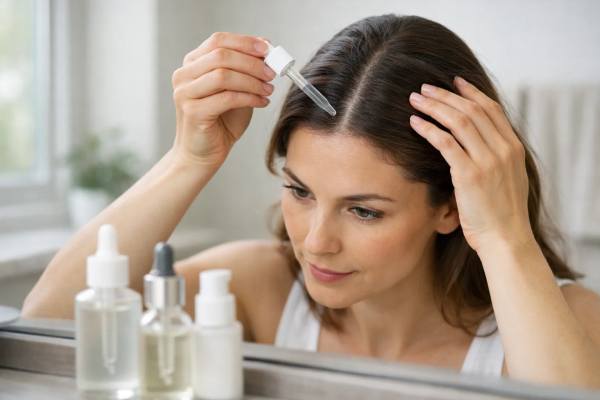
The first step is applying the serum directly to the scalp rather than the hair. Many products include dropper applicators or precision nozzles designed to deliver the formula along the part lines.
A typical application process looks like this:
- Part the hair to expose the scalp.
- Apply a few drops of serum along each part line.
- Gently massage the product into the scalp using fingertips.
- Allow the serum to absorb without rinsing.
Massaging the scalp during application may improve circulation and help distribute the formula evenly. Gentle massage also supports relaxation and may complement routines such as scalp massage for hair growth support.
Frequency depends on the product formulation. Many scalp serums are designed for daily use, often once or twice per day. Consistency is essential because hair follicles respond slowly to environmental changes.
Applying the serum to a clean scalp generally improves absorption. If heavy styling products, oils, or buildup coat the scalp, active ingredients may have difficulty reaching the skin surface.
Timing also matters. Evening applications can be beneficial because the scalp remains undisturbed during sleep, allowing the formula to absorb fully.
However, overuse does not necessarily produce faster results. Applying excessive amounts of serum may lead to buildup or irritation. Following the manufacturer’s recommended amount typically provides the best balance between effectiveness and comfort.
Another practical tip is patience. Hair growth cycles operate over months rather than days. Regular application over several months allows follicles enough time to respond to improved scalp conditions.
With consistent use and realistic expectations, scalp serums can become a useful addition to a long-term hair care routine.
Realistic Results and Timelines
Hair growth is a slow biological process, which means scalp serums rarely produce immediate visible changes. Understanding the typical timeline helps prevent unnecessary frustration.
Each hair follicle cycles through several phases. The growth phase alone can last several years, while resting and shedding phases may last months. Because of this cycle, improvements in follicle health take time to translate into visible changes in hair density.
In most cases, noticeable improvements from scalp serums appear gradually over several months.
A general timeline may look like this:
First month
The scalp may feel more hydrated and balanced. Some individuals notice reduced itching or irritation.
Months two to three
Hair strands may begin to feel stronger and slightly thicker. Reduced shedding may occur in some individuals.
Months three to six
Visible improvements in hair density or fullness may begin to appear as healthier follicles produce new strands.
Results vary depending on the underlying cause of thinning. People with early hair thinning often see more visible improvements than those with long-standing hair loss.
It is also important to differentiate between true regrowth and cosmetic improvements. Some serums strengthen existing hair fibers or reduce breakage, which can make hair appear fuller even if the number of follicles remains unchanged.
Understanding the difference between breakage and shedding can help clarify expectations. Many people confuse these two processes, which is why distinguishing hair breakage and true hair loss is useful when evaluating results.
Another factor influencing results is hair density at the start of treatment. Areas with completely inactive follicles may not respond to cosmetic serums because the follicle itself is no longer producing hair.
Consistency, scalp health, and underlying medical conditions all influence outcomes. For many individuals, the most realistic benefit of scalp serums is gradual improvement in hair strength, scalp comfort, and overall hair appearance rather than dramatic regrowth.
Safety Considerations and Common Mistakes
Although scalp serums are generally safe for regular use, certain precautions can help prevent irritation and maximize their benefits.
One of the most common mistakes is applying too many products simultaneously. Combining multiple serums, oils, and treatments may increase the risk of scalp irritation or ingredient interactions.
Another common issue involves ingredient sensitivity. Some botanical extracts, fragrances, or preservatives can trigger allergic reactions in sensitive individuals. Performing a patch test before full application is a simple way to reduce this risk.
Common safety tips include:
- patch test new products before full use
- avoid applying serums to irritated or broken skin
- discontinue use if persistent redness or itching develops
- avoid mixing multiple active treatments without guidance
People with existing scalp conditions should be particularly cautious. Disorders such as eczema, psoriasis, or folliculitis may react to certain ingredients.
If scalp irritation, persistent itching, or unexplained hair shedding occurs, it may indicate an underlying scalp issue rather than a cosmetic concern. Understanding when itchy scalp symptoms require attention can help determine whether medical evaluation is appropriate.
Another safety consideration involves expectations. Cosmetic serums are not regulated as medical treatments, which means marketing claims may sometimes exceed scientific evidence.
Choosing products from reputable brands with transparent ingredient lists and realistic claims improves the likelihood of a positive experience.
Ultimately, scalp serums work best when used thoughtfully as part of a balanced scalp care routine rather than as a quick solution to complex hair loss conditions.
References
- Peptides and growth factors in the treatment of hair loss: current evidence and future directions 2023 (Review)
- Role of cosmetic ingredients in promoting hair growth and scalp health 2022 (Review)
- Botanical compounds and natural products for hair growth promotion 2021 (Review)
- Advances in understanding the scalp microbiome and its role in hair disorders 2023 (Review)
Disclaimer
This article is for educational purposes only and does not constitute medical advice. Scalp serums are cosmetic products that may support scalp health and hair appearance but are not substitutes for medical diagnosis or treatment of hair loss conditions. Individuals experiencing persistent hair shedding, scalp irritation, or rapid hair thinning should consult a qualified healthcare professional to determine the underlying cause and appropriate treatment.
If you found this guide helpful, consider sharing it on Facebook, X, or your preferred platform to help others better understand how scalp serums fit into modern hair care routines.