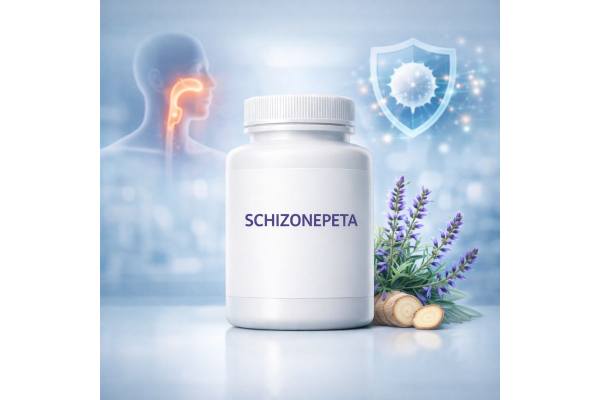
Schizonepeta, most often referring to Schizonepeta tenuifolia and known in Chinese medicine as Jing Jie, is a traditional herb that has begun to appear in modern supplement formulas for immune support, seasonal allergies, and skin health. The aerial parts of the plant are rich in aromatic oils and polyphenols that have been studied for anti-inflammatory, antiallergic, antiviral, and antioxidant actions. Traditionally, Schizonepeta is used at the first sign of a cold, for itching skin rashes, and to support normal sweating during fever.
Today it may be sold as dried herb, standardized extracts, or combined with other botanicals for respiratory or dermatologic support. At the same time, most of the scientific data come from laboratory and animal research rather than large, high-quality human trials, and there are important safety questions around bleeding risk and liver health at high doses. This guide walks through what Schizonepeta may offer, how it seems to work, how people typically use it, and when it may not be appropriate.
Key Insights for Schizonepeta Use
- Schizonepeta appears to have anti-inflammatory, antiallergic, and antiviral properties that may support respiratory and skin health.
- Most evidence comes from preclinical or combination-herb studies, so benefits for humans taking Schizonepeta alone remain uncertain.
- Common oral doses range roughly from 3–10 g dried herb daily in decoction or about 300–900 mg extract daily, following product directions.
- Possible side effects include digestive upset, allergic reactions, and increased bleeding tendency due to antiplatelet activity.
- People who are pregnant, have bleeding disorders, take blood-thinning medicines, or have significant liver disease should avoid Schizonepeta unless closely supervised by a clinician.
Table of Contents
- What is Schizonepeta and how is it used?
- How does Schizonepeta work in the body?
- Evidence based benefits of Schizonepeta
- How to take Schizonepeta in practice
- Schizonepeta dosage guidelines and forms
- Side effects of Schizonepeta and who should avoid it
What is Schizonepeta and how is it used?
Schizonepeta is an aromatic member of the mint family (Lamiaceae). In East Asian medicine, the above-ground parts of Schizonepeta tenuifolia (stems, leaves, and flower spikes) are collected, dried, and used as “Herba Schizonepetae” or Jing Jie. It is traditionally classified as a warm, acrid herb that helps “release the exterior,” meaning it is taken early in the course of a cold or flu, especially when there is mild fever, chills, and little or no sweating.
Traditional uses include:
- Early-stage colds, influenza-like illnesses, and mild fever
- Headaches and body aches associated with external infections
- Itchy skin conditions such as eczema, hives, and allergic rashes
- Postpartum or menstrual discomfort in some regional practices
The herb can also be charred (carbonized) before use. This “charred Schizonepeta” is used in some traditional formulas to support control of minor bleeding, such as nosebleeds or prolonged menstrual spotting.
Modern supplement products may label the plant as Schizonepeta, Schizonepeta tenuifolia, Jing Jie, or Herba Schizonepetae. It appears in:
- Single-herb capsules or tablets
- Powdered herb for decoction (boiled tea)
- Tinctures and fluid extracts
- Topical creams or lotions for itchy or inflamed skin
- Multi-herb formulas for seasonal allergies, colds, or skin conditions
In practice, Schizonepeta is still most commonly used in combination formulas rather than alone. This makes it difficult to separate its individual contribution to clinical outcomes in human studies. Most modern research focuses on its isolated extracts in cell cultures or animal models, exploring anti-inflammatory, antiallergic, antiviral, antiplatelet, and antioxidant properties.
Because of this research pattern, Schizonepeta should be viewed as a potentially useful adjunct for carefully selected cases rather than a proven stand-alone therapy. Its effects can be meaningful but are not fully characterized, and they must be weighed against possible safety concerns and interactions with medications.
How does Schizonepeta work in the body?
The activity of Schizonepeta arises from a complex mixture of compounds in its essential oil and non-volatile fractions. Laboratory analyses show that key constituents include:
- Volatile monoterpenes such as (+)-pulegone, (-)-menthone, limonene, and related molecules
- Flavonoids and flavonoid glycosides (for example, luteolin and apigenin derivatives)
- Phenolic acids including rosmarinic acid
- Triterpenoids and other minor components
These compounds appear to act on several biological pathways:
- Anti-inflammatory modulation
Extracts of Schizonepeta have been shown in preclinical models to reduce the production of inflammatory mediators such as nitric oxide, prostaglandin E2, and proinflammatory cytokines. Mechanistically, this is linked to inhibition of signaling pathways like NF-κB and MAPK. By dampening these pathways, Schizonepeta may lessen inflammation in tissues such as skin, airways, and joints. - Allergy and immune balance
In mast cell and basophil models, Schizonepeta extracts can reduce histamine release and lower the production of allergy-related cytokines. Studies in mice suggest effects on T-helper cell balance (Th1/Th2), which may influence allergic sensitivity and immune regulation. This provides a plausible explanation for its use in itching, hives, and seasonal allergy formulas. - Antiviral and antimicrobial actions
Laboratory experiments have shown that Schizonepeta extracts can inhibit replication steps of certain viruses and may interfere with viral attachment or entry into host cells. Some data also suggest antibacterial properties. These findings support, but do not prove, its traditional use during colds and flu-like illnesses. - Antioxidant and tissue-protective effects
Polyphenols and volatile components of Schizonepeta exhibit antioxidant activity, scavenging reactive oxygen species and limiting oxidative damage to lipids and DNA in cell cultures. Animal studies indicate protective effects in models of UV-induced skin damage and oxidative stress in various tissues. - Effects on blood clotting and vessels
Extracts of Schizonepeta can inhibit platelet aggregation in experimental systems, likely through modulation of MAPK and PI3K/Akt signaling in platelets. While this suggests potential cardiovascular benefits, it also raises concerns about increased bleeding risk, especially in people taking antiplatelet or anticoagulant medications.
Overall, Schizonepeta seems to act as a multi-target modulator of inflammation, immunity, oxidative stress, and platelet function. These effects are promising but mostly documented in preclinical work. Human responses can differ significantly, and the clinical significance of these mechanisms at typical supplement doses remains uncertain.
Evidence based benefits of Schizonepeta
When considering Schizonepeta as a supplement, it is important to distinguish between traditional claims, preclinical evidence, and human data.
Respiratory infections and colds
Schizonepeta is a core component in several classic cold formulas in East Asian medicine, where it is combined with herbs like fang feng (Saposhnikovia), jing jie sui (charred Schizonepeta spikes), and other botanicals. Observational reports and traditional texts describe benefits such as reduced chills, headache relief, and improved comfort during early viral infections. Modern controlled trials generally evaluate complex formulas rather than Schizonepeta alone. Some report shorter duration or reduced severity of symptoms, but it is not possible to attribute changes to Schizonepeta specifically, and the overall evidence quality is modest.
Allergies, itching, and atopic conditions
In animal models of acute allergy, Schizonepeta extracts have reduced mast cell degranulation, histamine release, and scratching behavior. Mouse models of atopic dermatitis show improvements in redness, swelling, and inflammatory markers when treated with water or alcohol extracts. Cell studies also suggest stabilization of mast cells and down-regulation of key allergy-related cytokines. These findings align with traditional use for hives and itchy rashes but still require more robust human trials. Small or uncontrolled clinical observations hint at possible benefits for seasonal allergies or allergic rhinitis when Schizonepeta is part of multi-herb formulations.
Skin health and photoaging
Recent animal research has explored Schizonepeta extracts in UV-induced skin damage. In hairless mice exposed to ultraviolet B radiation, oral Schizonepeta extract reduced wrinkle formation, preserved collagen structure, and improved measures of skin hydration. These effects appear tied to reduced expression of matrix metalloproteinases (which break down collagen), increased tissue inhibitors of metalloproteinases, modulation of hyaluronan metabolism, and down-regulation of MAPK and NF-κB signaling in skin. While encouraging for cosmetic and dermatologic uses, these results come from animal models and do not directly translate into proven benefits in humans.
Inflammation and pain
Traditional indications include headaches, muscle aches, and generalized body pain associated with colds or wind-cold patterns. Preclinical studies show anti-inflammatory effects in macrophages and other immune cells, which may partially explain these uses. However, there is little high-quality human research evaluating Schizonepeta as a stand-alone analgesic or anti-inflammatory supplement.
Platelet function and cardiovascular implications
Animal and ex vivo experiments show that Schizonepeta extract can significantly inhibit collagen-stimulated platelet aggregation, reduce intracellular calcium signaling in platelets, and decrease the release of pro-thrombotic mediators. This suggests a potential role as an antiplatelet agent and raises theoretical interest in cardiovascular risk reduction. At the same time, such effects are a safety concern for individuals already taking blood-thinning medications or with bleeding disorders.
In summary, Schizonepeta has a broad and intriguing preclinical profile, particularly in allergy, skin, and inflammatory models. However, well-designed human trials of Schizonepeta alone are scarce. For now, it should be viewed as experimental and adjunctive, not as a proven treatment for any specific disease.
How to take Schizonepeta in practice
If you and your clinician decide that Schizonepeta may be appropriate, a structured, cautious approach can help maximize potential benefits while reducing risks.
1. Clarify your main goal
Common reasons people consider Schizonepeta include:
- Support during early colds or flu-like illnesses
- Additional help for seasonal allergy symptoms such as sneezing, runny nose, and itchy eyes
- Adjunctive support for chronic itchy skin conditions, under dermatologic care
- General immune or inflammatory balance as part of a wider herbal plan
Defining a clear goal makes it easier to evaluate whether Schizonepeta is helping and to avoid unnecessary long-term use.
2. Choose an appropriate form
Typical options include:
- Traditional decoction (herbal tea) made from dried aerial parts
- Encapsulated dried herb powder
- Standardized extracts (water, alcohol, or mixed solvents) in capsules or liquid form
- Topical creams, gels, or lotions containing Schizonepeta extract, usually combined with other ingredients
For respiratory or systemic immune support, oral forms are standard. For localized itching or inflammation, a topical preparation may be more suitable and may reduce systemic exposure.
3. Start with low doses and short durations
Because there is no universally accepted standard dose, it is wise to:
- Begin at the lower end of the dose range suggested on the product label.
- Use Schizonepeta for focused periods (for example, at the onset of a cold for several days, or during a specific allergy season) rather than continuously year-round.
- Track symptoms, side effects, and any changes in other medications or lab values (such as clotting parameters or liver tests, when relevant).
4. Use it as part of a broader plan
Schizonepeta should not replace:
- Evidence-based treatments for infections, asthma, or severe allergies
- Prescribed anticoagulants or antiplatelet drugs
- Recommended therapies for chronic inflammatory or autoimmune diseases
Instead, it may be integrated into a broader plan that also includes lifestyle measures (sleep, nutrition, stress resilience), conventional medications when indicated, and other non-pharmacologic strategies.
5. Work with a qualified professional
Because Schizonepeta affects inflammation, immunity, and platelet function, professional guidance is strongly recommended if you:
- Take any prescription medications, particularly blood thinners or immune-active drugs
- Have chronic health conditions
- Are pregnant, planning pregnancy, or breastfeeding
- Intend to use Schizonepeta regularly for more than a few weeks
A practitioner familiar with both herbal medicine and conventional pharmacology can help you weigh benefits against risks and monitor for side effects or interactions.
Schizonepeta dosage guidelines and forms
There is no single standardized dosage for Schizonepeta, and products can vary widely in strength and preparation method. The following ranges are based on traditional use patterns and modern supplement practice, and they should always be interpreted in light of individual health status and professional guidance.
Traditional decoction doses
In traditional practice, the dried aerial parts of Schizonepeta are commonly used at approximately 3–10 g per day in decoction, often divided into two doses. The herb is typically simmered in water for 10–20 minutes, sometimes together with other botanicals such as those used for wind-cold patterns or for itchy skin.
Points to keep in mind:
- Lower doses (around 3–6 g per day) are often used for mild symptoms or in combination formulas.
- Higher doses (toward 9–10 g per day) may be reserved for short-term use under close supervision.
- Duration is usually limited to the symptomatic period (for example, the first several days of a cold or a defined flare of skin symptoms).
Capsules and tablets
Commercial supplements may contain:
- Powdered whole herb, often 400–600 mg per capsule
- Standardized extracts, where a smaller amount (for example, 150–300 mg per capsule) is concentrated to provide a more consistent amount of active constituents
Common label directions fall roughly in the ranges below:
- 300–900 mg total extract per day, divided into one to three doses
- For whole-herb powders, 1–3 capsules (about 400–600 mg each) once or twice daily
Because extract concentrations differ, it is crucial to follow the specific product’s instructions and not exceed the manufacturer’s recommended daily amount without professional input.
Topical preparations
For skin applications, Schizonepeta may appear in:
- Lotions or creams for itchy, dry, or irritated skin
- Gels or sprays for localized inflammation or photodamage support
Exact topical doses are not standardized. The product should be used as directed, and a small test area is advisable to check for sensitivity, especially in individuals with reactive or damaged skin barriers.
Duration of use
Given the limited long-term safety data:
- Short-term use (days to a few weeks) for acute issues is generally preferred.
- For repeated or seasonal use, many clinicians recommend taking breaks and reassessing periodically.
- Continuous, long-term daily use without medical supervision is not advisable, especially at higher doses or in people with underlying health conditions.
People with liver disease, bleeding disorders, use of blood thinners, or complex medication regimens should only use Schizonepeta at individualized doses under close medical guidance, if at all.
Side effects of Schizonepeta and who should avoid it
Schizonepeta is sometimes perceived as a gentle herb because of its long traditional history, but modern research highlights important safety considerations.
Common or mild side effects
These are not universal but have been reported anecdotally or are plausible based on its pharmacology:
- Digestive upset, including nausea, stomach discomfort, or loose stools
- Headache or lightheadedness
- Dry mouth or throat irritation
- Local redness, itching, or rash with topical use
Discontinuation usually leads to resolution of mild reactions. Any persistent or severe symptom warrants medical evaluation.
Bleeding and clotting concerns
Preclinical work shows that Schizonepeta extracts can significantly inhibit platelet aggregation and alter platelet signaling pathways. In practice, this might:
- Increase bruising or bleeding tendency in susceptible individuals
- Interact with antiplatelet drugs (such as aspirin, clopidogrel) or anticoagulants (such as warfarin or direct oral anticoagulants)
- Increase bleeding risk during and after surgery or invasive procedures
As a precaution, Schizonepeta is generally not recommended for people with known bleeding disorders or those on blood-thinning medications unless specifically approved and monitored by a specialist. Many clinicians also advise stopping Schizonepeta at least one to two weeks before elective surgery.
Liver safety and essential oil components
The volatile oil of Schizonepeta contains pulegone, a monoterpene that has been linked to liver toxicity at high doses in other mint-family plants. In animal models, typical herbal-dose exposure has not consistently caused liver damage, but high or concentrated doses may pose a risk, particularly in individuals with pre-existing liver disease or concurrent exposure to other hepatotoxic substances.
For this reason:
- People with chronic liver disease or significantly elevated liver enzymes should avoid Schizonepeta unless their hepatology team is directly involved.
- Excessive doses, prolonged use, or use of highly concentrated essential oil preparations should be avoided.
Allergy and immune effects
As a member of the mint family, Schizonepeta may cause allergic reactions in individuals sensitive to Lamiaceae plants. Symptoms could include:
- Skin rash or hives
- Swelling of lips, tongue, or throat
- Wheezing, chest tightness, or difficulty breathing
Any sign of systemic allergic reaction is a medical emergency.
Because Schizonepeta modulates immune pathways, people with autoimmune disease on immunosuppressive therapy should only use it under specialist guidance, as its impact on disease activity is not fully known.
Who should avoid Schizonepeta or use it only with close supervision
- Pregnant or breastfeeding individuals
- Children, especially under 12 years, unless directed by a pediatric specialist
- People with bleeding disorders or on antiplatelet or anticoagulant drugs
- Individuals with significant liver disease or heavy alcohol use
- Those with a history of severe allergies to mint-family plants
- Patients with complex autoimmune diseases or organ transplants receiving immunosuppressive medications
In all these groups, safer and better-studied options are usually available. For others, careful dosing, limited duration, and good communication with healthcare professionals remain essential.
References
- Review on Chemical Constituents of Schizonepeta tenuifolia Briq. and Their Pharmacological Effects 2022 (Systematic Review)
- Protective effect of Schizonepeta tenuifolia Briq. ethanolic extract against UVB-induced skin aging and photodamage in hairless mice 2023 (RCT-equivalent animal model)
- Systematic Review of Preclinical Evidence on Parenteral Administration of Schizonepeta Tenuifolia Sole Extract 2025 (Systematic Review)
- Schizonepeta tenuifolia inhibits collagen stimulated platelet function via suppressing MAPK and Akt signaling 2019 (Preclinical Study)
- Schizonepeta tenuifolia: chemistry, pharmacology, and clinical applications 2002 (Review)
Disclaimer
The information in this article is for educational purposes only and is not a substitute for personal medical advice, diagnosis, or treatment. Schizonepeta and other herbal supplements can interact with medications and underlying health conditions and may not be safe for everyone. Always consult a qualified healthcare professional who knows your medical history before starting, stopping, or changing any supplement, especially if you are pregnant, breastfeeding, managing a chronic illness, scheduled for surgery, or taking prescription or over-the-counter medications. Never delay or disregard professional medical advice because of something you have read here.
If you found this guide helpful, please consider sharing it on Facebook, X (formerly Twitter), or any platform you prefer, and follow our work on social media. Your support in sharing our articles helps our team continue creating careful, evidence-informed health content.