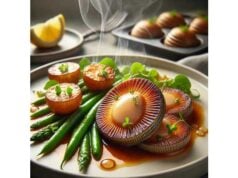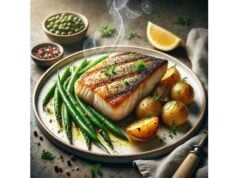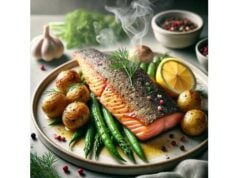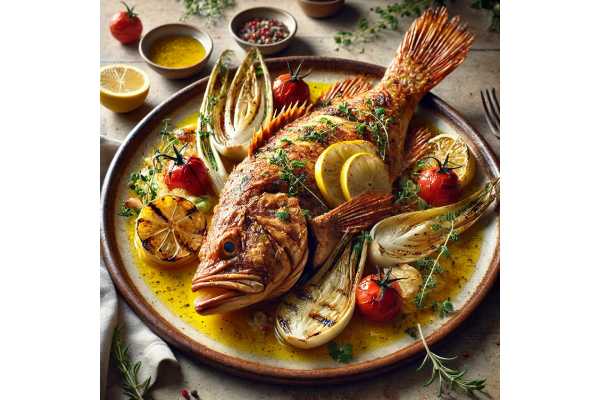
Scorpionfish are flavorful, firm-fleshed reef dwellers known to chefs for their sweet, clean taste and to divers for their venomous spines. While that reputation sounds intimidating, properly handled and cooked scorpionfish are safe and delicious—ideal for roasting whole, pan-searing fillets, or simmering into aromatic stews. Nutritionally, they deliver high-quality protein with modest fat, along with selenium, phosphorus, vitamin B12, and marine omega-3s. The fillets hold their shape in high heat, making them a reliable centerpiece for Mediterranean, Latin, or Asian seasonings. Because many species are small and short-lived, they can be lower in mercury than large pelagic fish; still, species and location matter. This guide explains how to source scorpionfish wisely, handle them safely (especially around dorsal spines), cook them for peak texture, and fit them into a balanced seafood routine with clear, practical advice.
Essential Insights
- Typical serving: 120–150 g cooked (about one fillet), 1–2 times per week within varied seafood intake.
- Key benefits: ~20 g complete protein per 100 g with selenium, phosphorus, vitamin B12, and useful omega-3s.
- Safety caveat: dorsal spines can be venomous when raw; careful handling and trimming are essential before cooking.
- Limit or avoid: individuals with fish allergy, those advised to restrict reef fish due to ciguatera risk in certain regions, and pregnant people should prefer lower-mercury species and always eat fish fully cooked.
Table of Contents
- Detailed Overview of Scorpionfish
- Scorpionfish Nutrition Profile
- Evidence-Based Health Benefits
- Risks, Allergies and Interactions
- Selecting, Quality, Sustainability and Storage
- Preparation, Cooking and Nutrient Retention
- Portions, Comparisons and FAQs
Detailed Overview of Scorpionfish
“Scorpionfish” refers to several genera in the Scorpaenidae family (for example, Scorpaena, Sebastapistes, and their cousins). You may encounter them under local names such as scorfano (Italy), rascasse (France), cabrilla (Spain/Mexico), or rockfish in some markets. While appearances vary—from mottled reds and browns to spiky camouflage—the culinary thread is consistent: firm, white to off-white flesh with a delicate sweetness and a faint shellfish-like aroma when very fresh. That profile makes scorpionfish a cook’s ally for fast weeknight meals and slow, aromatic stews alike.
Scorpionfish are demersal (bottom-associated) predators that feed on small fish and crustaceans. Many market species are modest in size (often 300–800 g whole), which contributes to their gentle flavor and manageable fillets. In Mediterranean cuisines, they star in brodetto, bouillabaisse, or cacciucco, where their bones yield gelatin and depth for broth. In Latin American and Asian kitchens, they shine grilled or fried whole with citrus, chili, and herb-laden sauces. Because the flesh is compact and slightly resilient, it tolerates searing and grilling without breaking apart, yet becomes silky when poached or steamed.
The headline caution is their dorsal, anal, and pelvic spines, which may contain heat-labile venom when the fish is raw or freshly caught. In commerce, reputable fishmongers trim spines or sell filleted fish, dramatically reducing risk. Once the spines are removed and the fish is cooked, the venom is denatured and no longer a concern from the edible portion. Still, gloves, fish tweezers, and kitchen shears are good insurance if you’re breaking down a whole fish at home.
On nutrition, scorpionfish fit squarely into the “lean fish” category: high protein, low saturated fat, and negligible carbohydrate. Like other marine fish, they supply long-chain omega-3s (EPA and DHA) in modest amounts and contribute selenium, phosphorus, potassium, magnesium, and vitamin B12. With mindful sourcing and handling, scorpionfish offer a compelling mix of taste, texture, and nutrient density that’s easy to slot into healthy, varied menus.
Scorpionfish Nutrition Profile
Values below reflect typical raw scorpionfish fillet composition per 100 g from lean Scorpaenidae species. Actual values vary by species, season, and diet. % Daily Value (%DV) uses adult U.S. DVs.
Macros & Electrolytes (per 100 g, raw)
| Nutrient | Amount | %DV |
|---|---|---|
| Energy | 95–110 kcal | — |
| Protein | 19–21 g | 38–42% |
| Total fat | 1.5–3.0 g | 2–4% |
| Saturated fat | 0.4–0.8 g | 2–4% |
| Carbohydrate | 0 g | 0% |
| Sodium | 50–80 mg | 2–3% |
| Potassium | 300–420 mg | 6–9% |
| Water | ~76–80 g | — |
Fats & Fatty Acids (per 100 g, raw)
| Fatty Acid | Amount |
|---|---|
| Monounsaturated fats | ~0.5–0.9 g |
| Polyunsaturated fats (total) | ~0.5–1.0 g |
| EPA (20:5n-3) + DHA (22:6n-3) | ~0.3–0.8 g |
Protein & Amino Acids
Complete protein with all essential amino acids; leucine typically ~1.6–1.8 g/100 g and lysine ~2.0–2.2 g/100 g contribute to muscle protein synthesis.
Vitamins (per 100 g, raw)
| Vitamin | Amount | %DV |
|---|---|---|
| Vitamin B12 (cobalamin) | 1.5–3.0 µg | 62–125% |
| Niacin (B3) | 4–6 mg | 25–38% |
| Vitamin B6 (pyridoxine) | 0.25–0.45 mg | 15–26% |
| Vitamin D (cholecalciferol)* | 2–6 µg | 10–30% |
*Vitamin D varies widely with species, season, and diet.
Minerals (per 100 g, raw)
| Mineral | Amount | %DV |
|---|---|---|
| Selenium | 30–45 µg | 55–82% |
| Phosphorus | 180–230 mg | 14–18% |
| Magnesium | 25–35 mg | 6–8% |
| Iron | 0.4–0.8 mg | 2–4% |
| Zinc | 0.4–0.7 mg | 4–6% |
| Calcium | 10–30 mg | 1–2% |
Allergens & Intolerance Markers
- Allergen: finfish parvalbumins (heat-stable), relevant for fish-allergic individuals.
- Histamine formation risk: low in fresh, well-chilled fish; rises with mishandling.
- Contaminants: mercury generally lower than large pelagics; ciguatera risk depends on region and species (see Safety).
Footnotes:
- Cooking (searing, baking, steaming) concentrates protein and minerals slightly by reducing water content.
- Farmed vs. wild feeding can shift fat content and omega-3 levels; check producer information when available.
Evidence-Based Health Benefits
1) Lean, complete protein that satisfies
With ~20 g protein per 100 g and minimal saturated fat, scorpionfish helps meet daily protein goals while keeping calories modest. That combination supports satiety, muscle repair after exercise, and weight-management strategies centered on higher-protein, lower-energy-density meals. A typical 150 g cooked portion delivers ~30 g high-quality protein for roughly 170–200 kcal (depending on added fats).
2) Marine omega-3 support
Although not as omega-3-dense as salmon or sardines, scorpionfish contributes EPA and DHA—long-chain fats involved in triglyceride control, cell-membrane function, and inflammation resolution pathways. Rotating scorpionfish with one oily fish meal each week is a practical way to reach common omega-3 guidance without relying on supplements.
3) Selenium for antioxidant defenses
Selenium—often 55–80% DV per 100 g—supports selenoproteins (e.g., glutathione peroxidases) that help maintain redox balance. Diets low in seafood can fall short on selenium; adding one or two seafood meals weekly can close that gap efficiently.
4) B vitamins and phosphorus for energy metabolism
Niacin (B3), vitamin B6, vitamin B12, and phosphorus play key roles in energy production, neurological function, and red blood cell formation. When paired with whole grains and vegetables, scorpionfish helps round out a micronutrient-forward plate.
5) Culinary flexibility encourages vegetable-rich meals
Because scorpionfish is mild and slightly sweet, it pairs easily with herb-citrus dressings, tomato stews, fennel-orange salads, or ginger-scallion sauces—flavor anchors that naturally increase vegetable variety and fiber around the plate. That “halo effect” makes seafood nights an easy win for overall diet quality.
6) A responsible choice, when sourced well
Short-lived, small-bodied species harvested in responsible fisheries can deliver lower environmental impact per portion than many larger predatory fish. Invasive lionfish (a scorpionfish relative) are both edible and ecologically beneficial to harvest in parts of the Atlantic and Caribbean, offering a sustainability co-benefit when available from trusted suppliers.
How to stack the benefits during the week
- Plan two seafood dinners: one lean white fish (e.g., scorpionfish), one oily fish (e.g., salmon/sardines).
- Keep side dishes high in potassium (beans, leafy greens, roasted squash) and whole grains for fiber and micronutrients.
- Season with citrus, herbs, and olive oil to reduce reliance on added salt and to improve fat-soluble nutrient absorption.
Risks, Allergies and Interactions
Venomous spines (handling risk)
Raw scorpionfish possess venomous spines along the dorsal, pelvic, and anal fins. The venom is protein-based and heat-labile, meaning it is neutralized by cooking—but it can cause painful stings if you are punctured during handling. To protect yourself at home: wear cut-resistant or thick rubber gloves, use kitchen shears to trim spines away from the body before scaling or filleting, and handle the fish with a towel for a firm grip. If stung, immerse the area in tolerably hot water (not scalding) and seek medical care; watch for signs of allergic reaction.
Parasites and raw consumption
Wild fish can host nematodes such as Anisakis. Thorough cooking to 63°C (145°F) in the thickest part eliminates parasite hazards. If you intend to serve raw or undercooked scorpionfish, source fish that have been frozen under validated parasite-destruction protocols; home freezers typically do not achieve the necessary time-temperature combination reliably.
Ciguatera toxin (regional)
Some reef fish in tropical and subtropical regions can carry ciguatoxins from microalgae in the food chain. Risk varies by location and species. Toxins are not destroyed by cooking or freezing. Travelers or coastal foragers in high-risk zones should seek local guidance, avoid large, older reef predators, and buy from reputable suppliers that monitor source regions. If you have a history of ciguatera illness, clinicians may advise avoiding reef fish from endemic areas.
Mercury and contaminants
Compared with long-lived, large pelagic species (e.g., swordfish), many scorpionfish are smaller and may contain lower mercury levels. Still, geography and food webs matter. Pregnant or breastfeeding individuals and young children should favor lower-mercury choices, limit portions to ~113 g (4 oz) per serving, and rotate species across the week.
Allergy
Fish allergy is a major food allergy driven by muscle proteins (parvalbumins). Reactions can range from hives to anaphylaxis. People with known fish allergy should avoid scorpionfish and carry prescribed emergency medications.
Scombroid (histamine) illness
Any fish held at warm temperatures after harvest can develop high histamine. Buy from trusted sellers, keep fish cold (≤4°C), and avoid fish with sour odor, slimy texture, or a peppery/metallic taste. Symptoms (flushing, headache, rash) usually begin quickly; seek care if severe.
Medication considerations
- Anticoagulants/antiplatelets: normal dietary fish intake is generally acceptable; high-dose omega-3 supplements warrant clinician oversight.
- Sodium-restricted diets: fresh scorpionfish is low in sodium; monitor added salt and brined or smoked preparations.
- Warfarin: fish itself does not supply vitamin K; pair with consistent vitamin-K vegetable intake to avoid large swings.
Selecting, Quality, Sustainability and Storage
How to choose quality scorpionfish
- Eyes & gills (whole fish): clear, convex eyes; bright red gills without slime.
- Flesh: firm, elastic, and moist with tight flakes; avoid gaping or dryness on edges.
- Smell: clean and briny—never sour or ammonia-like.
- Skin: intact scales with natural sheen; vivid mottling is a freshness cue in many species.
- Fillets: translucent, slightly pink to off-white; minimal purge in packaging.
Ask your seller
- Exact species name and harvest area.
- Harvest method (trap, hook-and-line, handline) and date.
- Whether spines were trimmed and by whom.
- For farmed options, feed composition and certification.
Sustainability pointers
- Small, short-lived species harvested in managed fisheries are often a responsible choice.
- Invasive lionfish (a scorpionfish relative) is excellent to eat and ecologically helpful to remove where invasive—seek verified supply to avoid mislabeling.
- Prefer suppliers that provide traceability and third-party eco-labels or strong fishery management credentials.
Storage and handling checklist
- Transport: keep fish cold from store to fridge (use an insulated bag with ice packs).
- Refrigerate (≤4°C): store on a rack or plate over ice for 24 hours (up to 48 if extremely fresh). Replace ice as it melts; keep flesh out of meltwater.
- Freeze (≤-18°C): vacuum-seal or double-wrap; best quality for 2–3 months.
- Thaw: overnight in the refrigerator or under cold running water in sealed packaging. Never thaw at room temperature.
- Cross-contamination: sanitize boards, knives, and hands after trimming spines and before handling other foods.
- Odor test: sour or ammonia notes indicate spoilage—discard.
Buying value tips
- Whole fish are often cheaper per kilogram and yield bones for broth (great for bouillabaisse-style soups).
- Ask the fishmonger to trim spines and scale the fish if you plan to roast it whole.
- Choose modest, market-size fish (not oversized) for tenderness and lower contaminant risk.
Preparation, Cooking and Nutrient Retention
Safety first: trimming spines
If working with a whole fish, don heavy kitchen gloves. With sturdy shears, trim the dorsal spines (from head to tail), then the anal and pelvic spines close to the body. Discard trimmings safely. Rinse, then pat dry thoroughly before scaling or filleting. Once trimmed, handle as you would any other lean white fish.
Core cooking methods (with time cues)
- Pan-sear, skin-on fillets: Heat a heavy pan until hot. Add a thin film of oil. Place fillet skin-side down, press gently 10–15 seconds, and cook until the fish is ~70% done on the skin side. Flip for 30–60 seconds to finish.
- Roast whole: Stuff cavity with lemon, garlic, and herbs. Roast at 220°C (425°F) for 18–22 minutes for a 500–600 g fish, until flesh flakes and the thickest part reaches 63°C (145°F).
- Poach/steam: Gentle heat (simmering aromatics or steam) keeps fillets silky and minimizes moisture loss—excellent for delicate sauces and nutrient retention.
- Brodetto/bouillabaisse: Brown bones and aromatics, add tomatoes, fennel, saffron, and stock; simmer bones first to build body, then add fillets in the last 5–8 minutes to avoid overcooking.
Seasoning strategies
- Mediterranean: olive oil, garlic, fennel, cherry tomatoes, olives, capers, lemon zest.
- Pacific/Asian: ginger, scallion, white pepper, a touch of rice wine; finish with hot oil and herbs (keep soy to modest splashes to manage sodium).
- Latin: achiote, citrus, herbs, and mild chili; grill and finish with a squeeze of lime.
Maximizing nutrient retention
- Cook just to doneness: pull fillets when the center turns opaque and flakes with gentle pressure.
- Short heat + covered pans reduce drying and protect sensitive vitamins in side dishes.
- Use the fond: deglaze with lemon juice and a splash of broth to reclaim minerals and flavor for the plate.
- Serve with plants: vitamin C-rich sides (citrus salad, roasted peppers) can enhance non-heme iron absorption from legumes and grains in the meal.
Common pitfalls (and fixes)
- Dry fillets: heat too high or overcooked—use an instant-read thermometer and finish in the oven.
- Sticking skin: pan not hot, or surface too wet—pat very dry and preheat longer.
- Lingering “spiky” hazard: missed spines—scan the fish with fingertips before cooking and trim any sharp remnants.
- Cloudy broth: boil too vigorously—simmer gently for clear, gelatin-rich stock.
Five quick templates
- Crispy-skin scorpionfish with fennel and orange: pan-sear, serve over shaved fennel and orange with olives.
- Tomato-saffron stew: simmer bones for stock, add aromatics, then nestle fillets for the final minutes.
- Ginger-scallion steam: set fillet on sliced ginger, steam 6–8 minutes; finish with hot oil and scallion.
- Grilled whole with chili-lime: score skin, grill over medium-high heat 6–8 minutes per side, finish with lime.
- Herb crust roast: breadcrumbs, parsley, lemon zest, and olive oil pressed onto fillets; roast until just cooked.
Portions, Comparisons and FAQs
What is a sensible portion and frequency?
For most adults, 120–150 g cooked (one good-sized fillet) 1–2 times per week fits well within varied seafood guidance. If you are pregnant or breastfeeding, choose known lower-mercury, responsibly sourced fish and keep servings around 113 g (4 oz), rotating species.
How does scorpionfish compare to other white fish?
- Versus cod or haddock: similar protein and calories; scorpionfish tends to be slightly richer in flavor and holds shape better in stews.
- Versus snapper or grouper: comparable texture; contaminant considerations depend on region (reef fish can carry ciguatera in some areas).
- Versus salmon or mackerel: scorpionfish is leaner and lower in omega-3; use it to complement, not replace, oily fish in the week.
Can I eat scorpionfish raw?
Only with fish specifically prepared for raw service and handled under validated parasite controls. Even then, confirm that the species and region do not carry elevated ciguatera risk. When in doubt, cook to 63°C (145°F).
Is the skin edible?
Yes—scaled and crisped skin is flavorful. Dry the surface thoroughly, score lightly to prevent curling, and cook skin-side down most of the way.
Bones and pin bones
Fillets are usually well-trimmed, but feel along the centerline for pin bones and pull with tweezers. Bones and heads are excellent for stock in stews and soups.
What about budget and availability?
Whole fish can be cost-effective, especially outside peak restaurant seasons. Ask for locally abundant species or invasive lionfish where available—both budget-friendly and sustainability-positive options.
Athletes and active people
Pair scorpionfish with carbohydrates (roasted potatoes, rice, whole grains) post-training to replenish glycogen and deliver ~30 g complete protein per fillet. Season with citrus and herbs for flavor with minimal sodium.
Zero-waste tip
After trimming spines and filleting, roast bones with aromatics to make a deeply flavored stock. Freeze in small containers for quick soups and pan sauces.
References
- Advice about Eating Fish 2024 (Guideline)
- Food Poisoning from Marine Toxins 2025 (Guideline)
- Safe Minimum Internal Temperature Chart 2025 (Guideline)
- Invasive Lionfish 2024 (Guideline)
Disclaimer
This article is for educational purposes and does not replace personalized medical advice, diagnosis, or treatment. Seafood choices, portion sizes, and safety considerations vary by health status, medications, pregnancy, and age. Consult a qualified healthcare professional or registered dietitian for recommendations tailored to you. If you experience concerning symptoms after eating fish—such as numbness, vomiting, rash, or breathing difficulty—seek medical care promptly.
If this guide was useful, please consider sharing it on Facebook, X (formerly Twitter), or your preferred platform to support our work in creating clear, trustworthy nutrition resources.