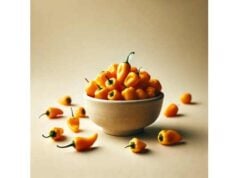
Scotch bonnet peppers are among the most distinctive and beloved hot chiles in Caribbean and West African cooking. Small, lantern-shaped, and vividly colored, they offer an intense heat level paired with a surprisingly fruity, tropical aroma. Beneath that fiery bite, Scotch bonnets provide vitamin C, provitamin A, and a range of plant compounds that may support antioxidant defenses, metabolic health, and overall dietary variety when used in sensible amounts.
Home cooks and chefs use Scotch bonnets to build layered flavor in jerk marinades, pepper sauces, stews, and pickles. A single pepper can season an entire pot, which makes them a practical way to add complexity without relying on heavy salt or fat. At the same time, their high capsaicin content means they are not suitable for everyone and must be handled with care.
This guide walks through the nutrition, potential benefits, safe use, and practical tips for cooking with Scotch bonnet peppers.
Fast Facts
- Scotch bonnet peppers are very hot chiles that also provide vitamin C, provitamin A, and antioxidant plant compounds in small servings.
- A typical culinary portion is about 1–5 g (from a few thin slices up to one small pepper) used a few times per week, adjusted to personal tolerance.
- Capsaicin in Scotch bonnets can irritate the mouth, stomach, and skin; gloves and careful handling are important when preparing them.
- People with reflux, irritable bowel conditions, or a known sensitivity to spicy foods should limit or avoid Scotch bonnet peppers.
Table of Contents
- Scotch Bonnet Pepper Profile
- Scotch Bonnet Nutrition and Compounds
- Health Effects of Scotch Bonnet Peppers
- Scotch Bonnet Risks and Sensitivities
- Buying, Quality and Storage Tips
- Cooking Scotch Bonnets for Best Nutrition
- Scotch Bonnet Portions and Questions
Scotch Bonnet Pepper Profile
Scotch bonnet is a type of Capsicum chinense, the same species as habanero, but with its own distinct shape, aroma, and culinary culture. The peppers are typically small and squat with a top that resembles a Scottish tam o’ shanter cap, which is how they gained their name. Colors range from green when immature to shades of yellow, orange, and red at full ripeness.
In terms of heat, Scotch bonnets are considered very hot. They usually fall in a range similar to habanero peppers and can be dozens of times hotter than a jalapeño. Despite that intensity, many cooks prize them for their complex flavor: bright, fruity, and slightly floral, often described as having notes reminiscent of tropical fruit.
Scotch bonnets are central to many Caribbean cuisines, especially Jamaican, Trinidadian, and Barbadian cooking. They are a defining ingredient in jerk seasoning, pepper sauces, escovitch fish, and deeply flavored stews and curries. In West Africa, related hot peppers play a similar role in soups and sauces, and Scotch bonnets may be used where available.
You will commonly find Scotch bonnets sold:
- Fresh, whole peppers at markets and grocery stores
- Frozen, often whole or sliced, for long-term storage
- As part of bottled hot sauces or pepper sauces
- Minced or puréed in refrigerated or shelf-stable condiments
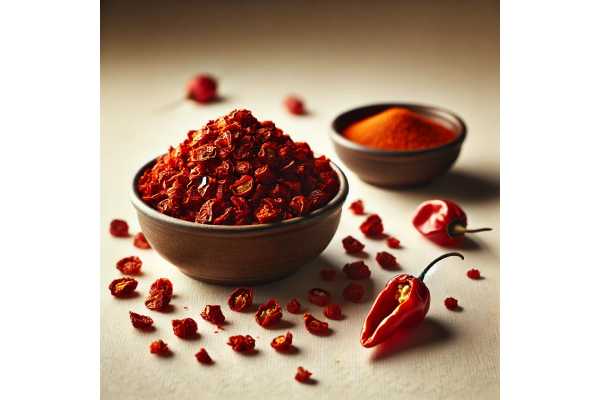
- Occasionally dried or made into chili flakes, though this is less common than with some other chiles
Because they are so hot, cooks often start with very small amounts. Some recipes call for adding a whole pepper to a pot and removing it before serving, to contribute aroma and gentle heat without making the dish overwhelmingly spicy.
While Scotch bonnets are best known for flavor, they also contain vitamins, minerals, and a range of bioactive plant compounds. Understanding this combination of culinary and nutritional qualities can help you use them more confidently and safely in your own kitchen.
Scotch Bonnet Nutrition and Compounds
Like most fresh chili peppers, Scotch bonnets are low in calories but surprisingly rich in certain vitamins and phytonutrients. The exact nutrient content can vary with growing conditions and ripeness, but some general patterns are consistent.
A small fresh Scotch bonnet pepper (about 10 g) provides roughly:
- Very few calories (usually under 5 kcal)
- A modest amount of carbohydrates, with negligible fat and protein
- Small amounts of fiber
- Vitamin C in meaningful quantities relative to the tiny weight
- Provitamin A carotenoids that contribute to the pepper’s bright color
Because the serving size is small, Scotch bonnets are rarely a major source of any single nutrient in the diet, but they can still contribute.
A simplified snapshot of key nutrients per approximately 10 g fresh pepper might look like:
| Nutrient | Approximate amount | Notes |
|---|---|---|
| Energy | < 5 kcal | Very low, mainly from natural sugars |
| Vitamin C | 15–20 mg | Supports immune function and collagen |
| Vitamin A (RAE) | 10–20 mcg | From carotenoids like beta-carotene |
| Vitamin B6 | Small amount | Involved in energy and amino acid metabolism |
| Potassium | 30–40 mg | Helps maintain fluid and electrolyte balance |
| Fiber | < 1 g | Minimal, but present |
Beyond vitamins and minerals, Scotch bonnets contain several important plant compounds:
- Capsaicinoids: A group including capsaicin and dihydrocapsaicin. These compounds give peppers their heat and have been studied for effects on pain signaling, metabolism, and blood vessel function.
- Carotenoids: Pigments such as capsanthin, beta-carotene, zeaxanthin, and others that provide color and may act as antioxidants.
- Polyphenols and flavonoids: These contribute additional antioxidant capacity and may help modulate inflammation at a cellular level.
- Volatile aroma compounds: Esters and other molecules that create the characteristic fruity, tropical scent associated with Scotch bonnets.
Capsaicin is concentrated mainly in the white inner membranes and to a lesser extent in the seeds, rather than in the colored flesh. Removing some or all of these inner parts can significantly reduce heat while still retaining much of the pepper’s flavor and nutrients.
Most of the vitamin C is in the fresh flesh and is sensitive to prolonged heat. Carotenoids, on the other hand, are generally more stable during cooking and may even become more available when cooked with a small amount of fat.
Overall, Scotch bonnets are not a standalone “superfood,” but in realistic amounts they offer useful micronutrients and bioactive compounds that can complement a balanced diet.
Health Effects of Scotch Bonnet Peppers
The potential health effects of Scotch bonnet peppers come mainly from two sources: classic nutrients like vitamin C and carotenoids, and capsaicin-rich capsaicinoids. While most research looks at chili peppers in general rather than Scotch bonnets specifically, the findings still offer guidance for how these peppers may fit into a healthy eating pattern.
Antioxidant support
Vitamin C and carotenoids help neutralize reactive oxygen species, which can otherwise contribute to cellular damage over time. Including a variety of colorful vegetables, including hot peppers when tolerated, is one way to support overall antioxidant intake. Because Scotch bonnets are used in small amounts, they work best as part of a broader pattern that includes fruits, vegetables, nuts, and whole grains.
Metabolic and weight management effects
Capsaicin has been studied for modest effects on energy expenditure and appetite regulation. In some trials with chili or capsaicin-containing foods and supplements, people experienced slight increases in calorie burning or reductions in energy intake. These effects are small and not a replacement for changes in diet quality and physical activity, but using hot peppers thoughtfully may make reduced-calorie meals feel more satisfying for some people.
Cardiometabolic health
Observational studies in different populations have found that regular consumption of chili-containing foods is sometimes associated with lower rates of certain cardiovascular events or mortality. These studies cannot prove cause and effect, and they often look at overall spicy food intake rather than Scotch bonnets alone. Still, they suggest that incorporating moderate amounts of chili peppers into an otherwise balanced diet is compatible with, and may support, cardiometabolic health in many people.
Several mechanisms have been proposed:
- Mild improvements in blood vessel function and blood flow
- Potential support for healthier blood lipid profiles
- Effects on body weight and body fat distribution over time
These insights remain an active area of research, and dose, duration, and individual tolerance all matter.
Digestive and microbiome considerations
In small amounts, chili peppers may help stimulate saliva and gastric secretions, which can support digestion for some individuals. Capsaicin and other compounds also show antimicrobial activity in laboratory settings, which may contribute to the traditional use of spicy foods in warm climates. However, these same irritant properties can worsen symptoms for people with gastrointestinal conditions, which is discussed in the risks section.
Mood and sensory experience
Finally, the experience of eating spicy foods is itself relevant. Capsaicin triggers receptors that send “heat” signals to the brain, which can lead to a release of endorphins in some people. While this does not make Scotch bonnets a treatment for mood disorders, it helps explain why some individuals enjoy spicy foods and can be part of the pleasure of eating when used responsibly.
In summary, moderate intake of Scotch bonnet peppers, as part of a varied diet, can contribute to antioxidant and phytochemical intake and may support metabolic and cardiovascular health for many people, provided they are well tolerated.
Scotch Bonnet Risks and Sensitivities
Despite their potential benefits, Scotch bonnet peppers are not suitable for everyone. Their very high capsaicin content means that even small amounts can cause discomfort, particularly in sensitive individuals.
Immediate irritation
The most common reactions are local and happen quickly:
- Burning sensation in the mouth, lips, and throat
- Runny nose, tearing, coughing, or hiccups while eating
- Stomach discomfort, cramping, or a feeling of warmth in the chest
These reactions are not usually dangerous but can be extremely unpleasant. Drinking milk or eating yogurt or other dairy products may help relieve the burning sensation better than water, because capsaicin is more soluble in fat.
Gastrointestinal conditions
People with certain digestive issues are more likely to experience problems:
- Gastroesophageal reflux disease (GERD), heartburn, or peptic ulcers
- Irritable bowel syndrome (IBS) or other functional gut disorders
- Inflammatory bowel diseases when symptoms are active
In these groups, spicy foods may trigger or worsen symptoms such as pain, burning, diarrhea, or urgency. Some people with these conditions learn that they can tolerate small amounts, while others need to avoid hot peppers entirely.
Skin and eye contact
Handling Scotch bonnets can cause skin irritation, especially on sensitive areas. Capsaicin can remain on the fingers and later be transferred to the eyes, nose, or other delicate skin, causing intense burning.
Practical precautions:
- Wear disposable gloves while chopping or seeding peppers.
- Avoid touching your face, contact lenses, or other sensitive areas.
- Wash cutting boards, knives, and hands thoroughly with soap after handling.
- If capsaicin contacts the eyes, seek medical advice; rinse with plenty of clean water and do not apply oils or ointments without guidance.
Allergic reactions
True allergy to chili peppers is relatively uncommon but possible. Symptoms can include:
- Itching, hives, or swelling of the lips, tongue, or face
- Wheezing, chest tightness, or difficulty breathing
- Anaphylaxis in severe cases
Anyone who experiences these symptoms after eating or handling Scotch bonnets should seek immediate medical care and avoid peppers until evaluated by a healthcare professional. People with allergies to other nightshade plants (such as tomatoes or eggplants) might also need to be cautious.
Medication and health interactions
Capsaicin and spicy foods can interact with health conditions or medications indirectly:
- They may irritate the lining of the mouth and gut in people taking medicines that already increase bleeding risk or affect the stomach (such as some anti-inflammatory drugs).
- Sensitivity can be higher in individuals undergoing certain cancer treatments or with mucosal damage from other causes.
- Large amounts of very spicy food in a short period can rarely cause more serious reactions, such as severe abdominal pain, vomiting, or, in extreme cases, temporary blood pressure changes.
Children, older adults, pregnant individuals, and people with chronic illness should take a conservative approach, starting with tiny amounts if they wish to include Scotch bonnet peppers and stopping if any concerning symptoms appear.
Buying, Quality and Storage Tips
High-quality Scotch bonnet peppers are not only more flavorful but also more predictable in heat and safer to store. Paying attention to how you select, handle, and store them can reduce waste and support both food safety and sustainability.
How to choose fresh Scotch bonnets
Look for peppers that are:
- Firm and heavy for their size, with smooth, glossy skin
- Vibrantly colored (yellow, orange, or red) without large green patches unless intentionally buying underripe peppers
- Free of soft spots, mold, dark bruises, or wrinkling
- With intact stems and no signs of insect damage
Peppers that are overly shriveled or dull in color may be older, with reduced vitamin content and less bright flavor. If you buy pre-packaged Scotch bonnets, check for condensation or broken skins inside the package, which can encourage mold.
Forms beyond fresh peppers
Depending on your location, you may see Scotch bonnets sold as:
- Frozen whole or sliced peppers
- Bottled hot sauces and pepper sauces listing Scotch bonnet as a key ingredient
- Minced or puréed peppers in jars
- Occasionally dried or smoked peppers, though this is less traditional
Frozen peppers retain much of their flavor and heat and can be an efficient option when fresh peppers are not available. However, bottled sauces may include added salt, sugar, and sometimes preservatives, so they should be used with the rest of your diet in mind.
Storage for safety and quality
To store fresh Scotch bonnets:
- Keep them in the refrigerator, ideally in the crisper drawer, in a breathable bag or container.
- Avoid tightly sealed plastic without ventilation, as trapped moisture can speed spoilage.
- Use fresh peppers within 1–2 weeks, discarding any that develop mold or a strong off-odor.
For longer storage:
- Wash, dry thoroughly, and freeze whole or sliced peppers in airtight containers or freezer bags. They can typically be kept for several months; use directly from frozen in cooked dishes.
- Drying is possible using a dehydrator or low oven. Once fully dried and brittle, peppers should be stored in airtight jars away from light and heat.
- Homemade pickles or pepper sauces must be prepared using reliable recipes that follow safe preserving practices.
Sustainability considerations
Scotch bonnets are often grown in tropical and subtropical regions and shipped abroad. More sustainable choices include:
- Buying from local or regional growers when possible
- Choosing peppers that are in-season and not excessively packaged in plastic
- Storing and using them efficiently to minimize food waste
- Experimenting with growing your own if climate and space allow
By selecting high-quality peppers and storing them properly, you can enjoy Scotch bonnets safely while respecting the effort and resources that go into producing them.
Cooking Scotch Bonnets for Best Nutrition
Cooking with Scotch bonnet peppers requires balancing flavor, heat, and nutrition. Thoughtful preparation can preserve beneficial compounds while making dishes enjoyable for different spice tolerances.
Handling and preparation basics
Before you begin:
- Wear gloves when cutting or seeding Scotch bonnets, especially if you have sensitive skin.
- Use a sharp knife to reduce the risk of slipping.
- Decide how much heat you want; leaving membranes and seeds increases heat, while removing them makes the pepper milder.
If you are new to cooking with Scotch bonnets, consider:
- Adding a whole, pierced pepper to a pot of soup or stew and removing it before serving.
- Starting with thin slices or a small piece of the pepper and tasting as you go.
Cooking methods and nutrient retention
Different cooking methods can change both the flavor and nutrient profile:
- Raw or minimally cooked: Adding very finely chopped Scotch bonnet at the end of cooking or in fresh sauces preserves more vitamin C and some delicate aroma compounds. This is ideal in salsa-style condiments, fresh pepper sauces, or as a last-minute garnish in very small amounts.
- Sautéing in oil: Briefly cooking the pepper in a bit of oil can help release fat-soluble flavors and make carotenoids more accessible. Avoid prolonged high heat, which can scorch the pepper and create harsh bitterness.
- Simmering in liquids: Slow cooking in stews, curries, and braises allows heat and flavor to spread evenly through the dish. Vitamin C levels will decline with long cooking, but capsaicin and many carotenoids remain relatively stable.
- Grilling or roasting: These methods bring out a smoky, complex flavor. However, charring should be moderate, as heavily blackened surfaces may introduce unwanted compounds.
Pairing Scotch bonnets with ingredients like onions, garlic, herbs, and acid (lime juice or vinegar) helps round out their intensity and create depth of flavor without needing large quantities of pepper.
Classic ways to use Scotch bonnets
Examples of common culinary uses include:
- Jerk marinades for chicken, pork, tofu, or vegetables, combined with allspice, thyme, scallions, and citrus
- Pepper sauces featuring Scotch bonnet, vinegar, salt, and sometimes carrots or tropical fruits
- Caribbean stews and soups where a whole pepper is simmered for fragrance and gentle heat
- Spicy bean dishes or rice and peas, where small amounts of finely chopped pepper season a large volume of food
Managing heat for different diners
In households with varying spice tolerance, you can:
- Prepare a mild base dish and serve Scotch bonnet sauce or slices on the side for those who want more heat.
- Use only a small piece of pepper in the main dish, then add extra at the table for those who enjoy intense spice.
- Blend Scotch bonnet with milder peppers to spread flavor while keeping overall heat at a manageable level.
Remember that capsaicin is not destroyed by reheating, so leftovers will usually retain similar heat. In some dishes, the perceived heat can even increase slightly as flavors meld.
Using these strategies, you can make the most of Scotch bonnet peppers’ flavor and potential nutritional benefits while tailoring spice levels to your own comfort.
Scotch Bonnet Portions and Questions
Because Scotch bonnet peppers are so hot, realistic serving sizes are small. Most people will not eat an entire pepper directly; instead, a single pepper seasons a whole recipe.
Typical portion and frequency
For everyday cooking, a reasonable range might be:
- About 1–5 g per serving, which corresponds to a few thin slices up to roughly one small pepper shared across a dish
- Used occasionally to regularly, such as a few times per week, depending on personal preference and tolerance
People who are very accustomed to spicy foods may consume more, while those who are sensitive might only tolerate a trace amount. Listening to your body and adjusting is more important than aiming for a specific numeric target.
Comparisons with other chili peppers
Scotch bonnets are often compared with:
- Habanero: Similar heat range and species, but Scotch bonnets are frequently described as more fruity and aromatic, while habaneros can be sharper.
- Jalapeño and serrano: Much milder than Scotch bonnets. These are better entry-level peppers for people beginning to explore spice.
- Bird’s eye and other small chiles: Some of these can also be very hot, but flavor profiles and typical culinary uses differ by region.
From a nutrition standpoint, most hot peppers share broad similarities: low calories, some vitamin C and carotenoids, and capsaicinoids. Differences in health impact are more about total intake and preparation than about specific varieties.
Common questions
Are the seeds the hottest part?
The highest concentration of capsaicin is usually in the inner white membranes (placenta) that hold the seeds, not in the seeds themselves. However, seeds are coated in capsaicin, so they still taste very hot.
Can Scotch bonnet peppers help with weight loss?
Capsaicin may slightly increase energy expenditure and reduce appetite for some people, but the effect is modest. Scotch bonnets can support a satisfying, lower-calorie eating pattern when they make simple, nutrient-rich meals more appealing, but they are not a standalone weight-loss solution.
Are they safe in pregnancy?
In many cultures, people continue to eat spicy foods, including hot peppers, during pregnancy without apparent harm. That said, pregnancy can increase heartburn and digestive sensitivity, so comfort often limits intake. Anyone with concerns or significant symptoms should discuss spice use with their prenatal care provider.
Can children eat Scotch bonnet peppers?
Children are generally more sensitive to capsaicin, and Scotch bonnets can easily be too intense. If parents choose to offer spicy foods, it is safer to start with much milder peppers and very small amounts. Scotch bonnets are best reserved for older children and adults who are accustomed to spicy flavors.
Do Scotch bonnets interact with medications?
Scotch bonnet peppers do not have well-established direct interactions with specific medications in typical food amounts. However, their irritant nature can worsen digestive side effects of some drugs or make swallowing uncomfortable for individuals with mouth or throat irritation. If you take medication and notice consistent problems after eating spicy food, discuss this with your clinician.
Used thoughtfully, Scotch bonnet peppers can fit into a wide range of eating patterns. The key is matching portion size and frequency to your own tolerance and health status.
References
- The multifaceted chemistry of chili peppers: A biodiversity treasure for nutrition and biomedicine 2025 (Systematic Review)
- Antioxidant, Anti-Obesity, Nutritional and Other Beneficial Effects of Different Chili Pepper: A Review 2022 (Systematic Review)
- Peppers and their constituents against obesity: Mechanisms of action and therapeutic perspectives 2023 (Systematic Review)
- Chili pepper intake and all-cause and disease-specific mortality: A meta-analysis of prospective cohort studies 2022 (Systematic Review)
- Chilli peppers and chilli products, very hot and extremely hot – health evaluation and maximum levels of total capsaicinoids 2024 (Guideline)
Disclaimer
The information in this article is intended for general educational purposes and is not a substitute for professional medical advice, diagnosis, or treatment. Individual responses to spicy foods such as Scotch bonnet peppers can vary widely, especially in the presence of medical conditions or medications. Always speak with a qualified healthcare provider about your personal health situation, dietary choices, and any questions you have about how specific foods may affect you. Never ignore or delay seeking professional advice because of something you have read here.
If you found this guide helpful, you are welcome to share it with others on Facebook, X (formerly Twitter), or any platform you prefer. Your support in sharing the article helps our team continue creating clear, evidence-informed nutrition and food safety content.