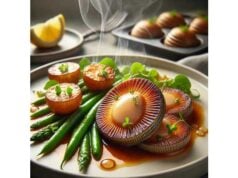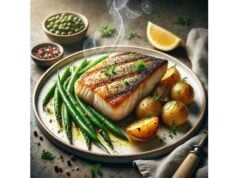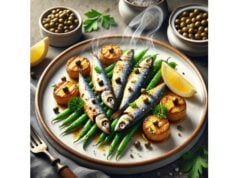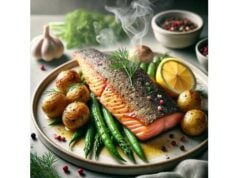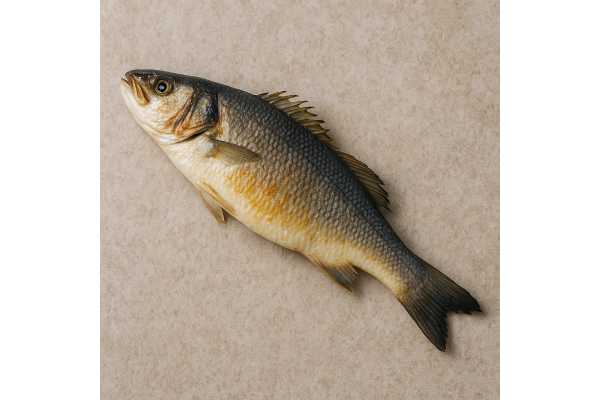
Sea bass is a mild, versatile white fish that cooks up tender and flaky, making it a reliable choice for weeknight dinners and special meals alike. It covers a family of different species—such as black sea bass from the Atlantic, European seabass from aquaculture, and the unrelated “Chilean sea bass” (Patagonian toothfish)—that share a clean flavor, a lean profile, and a good supply of high-quality protein and essential minerals. Many consumers prefer sea bass because it takes well to quick, high-heat methods like roasting and grilling, but it is equally at home poached or steamed for delicate dishes. When sourced thoughtfully, sea bass can offer a favorable balance of nutrition, sustainability, and culinary flexibility. This guide walks you through the benefits, detailed nutrition facts per 100 grams, evidence-based health insights, safety notes like mercury and marine toxins, best-buying and storage practices, and practical cooking tips to help you get great results—every time.
Fast Facts
- Lean protein choice with about 18 g protein and 2 g fat per 100 g.
- Source of essential minerals, notably selenium and magnesium, with naturally low sodium.
- Typical cooked portion is 85–115 g (3–4 oz) twice weekly as part of varied seafood intake.
- People who are pregnant should choose lower-mercury species (e.g., black sea bass) and limit Chilean sea bass.
- Allergy to fish or history of ciguatera exposure are reasons to avoid or seek medical advice.
Table of Contents
- Sea bass types and traits
- Sea bass nutrition profile
- Health benefits of sea bass
- Risks, allergies and interactions
- Buying, sustainability and storage
- Cooking and nutrient retention
- Portions, comparisons and FAQs
Sea bass types and traits
When people say “sea bass,” they may mean several different fish with similar culinary qualities:
- Black sea bass (Centropristis striata) is an Atlantic species from U.S. waters. It tastes mild and slightly sweet, with a tender, firm texture that holds well to searing, roasting, and grilling. The flesh is white and turns snow-white when cooked.
- European seabass (Dicentrarchus labrax) is widely farmed in the Mediterranean and often sold as “branzino.” It has a delicate, refined flavor and a fine, flaky texture, ideal for whole-roasted or salt-baked preparations.
- Chilean sea bass (Patagonian toothfish, Dissostichus eleginoides) is not a true bass. It is a deep-water species prized for rich, buttery flesh with a higher fat content, producing a luxurious, melt-in-the-mouth texture.
Despite differences in habitat and fat content, these fish share a set of kitchen advantages: neutral flavor that pairs with many cuisines, a forgiving texture if cooked properly, and consistent results across cooking methods. The fillets are generally boneless, and the skin crisps nicely when pan-seared. Their leaner varieties (black sea bass and most branzino) are excellent for light meals and quick prep; the richer Chilean sea bass suits simple, high-heat techniques that highlight its natural butteriness.
Nutritionally, sea bass species are typically low in total fat and provide complete protein. Most have negligible carbohydrates and supply useful amounts of minerals like selenium, phosphorus, and magnesium. Mercury levels vary by species and size. Black sea bass is typically in the lower-mercury category and is often listed among “best choice” seafood options for frequent consumption. Chilean sea bass, while nutritious, is larger and tends to carry more mercury; guidelines typically advise less frequent intake.
From a sustainability lens, well-managed wild fisheries (e.g., U.S. black sea bass) and responsible aquaculture (e.g., certified European seabass) can both be good choices. Check the label for origin and any certifications to align with your preferences for wild-caught or farm-raised fish.
If you are new to sea bass, start with skin-on fillets from a trusted fishmonger. They cook fast, are easy to portion, and their mild baseline lets you explore global flavors—from Mediterranean lemon-herb to miso-ginger glazes—without overpowering the fish.
Sea bass nutrition profile
All values below are for raw sea bass per 100 g. Values may vary by species and season. Use these numbers as practical benchmarks when planning meals.
Macros and key electrolytes (per 100 g)
| Nutrient | Amount | %DV* |
|---|---|---|
| Energy | 97 kcal | — |
| Protein | 18.4 g | 37% |
| Total Fat | 2.0 g | 3% |
| Saturated Fat | 0.5 g | 3% |
| Carbohydrate | 0 g | 0% |
| Fiber | 0 g | 0% |
| Total Sugars | 0 g | — |
| Water | ~79 g | — |
| Sodium | 68 mg | 3% |
| Potassium | 256 mg | 5% |
Fats and fatty acids (per 100 g)
Sea bass is a lean fish with modest amounts of long-chain omega-3s (EPA and DHA). While the totals vary by species and diet, a typical serving contributes toward weekly omega-3 goals even if it is not among the very highest omega-3 fish.
| Fatty Acids | Amount | Notes |
|---|---|---|
| Saturated Fatty Acids | ~0.51 g | Low overall saturated fat |
| Mono- and Polyunsaturated Fats | ~1.3 g (combined) | Includes EPA and DHA in modest amounts |
Minerals (per 100 g)
| Mineral | Amount | %DV* |
|---|---|---|
| Selenium | 36.5 µg | 66% |
| Phosphorus | ~190–200 mg | 15–16% |
| Magnesium | 41 mg | 10% |
| Calcium | ~10 mg | 1% |
| Iron | ~0.3 mg | 2% |
| Zinc | ~0.4–0.5 mg | 4% |
Cholesterol (per 100 g)
| Component | Amount | %DV* |
|---|---|---|
| Cholesterol | 41 mg | 14% |
*%DV is based on a 2,000-kcal diet and current U.S. Daily Values. Individual needs vary.
What these numbers mean for you
- High-quality protein: Around 18–19 g per 100 g supports muscle repair and satiety with minimal saturated fat.
- Selenium standout: A 100 g portion provides roughly two-thirds of the daily selenium value, contributing to antioxidant enzymes (e.g., glutathione peroxidases).
- Electrolyte balance: Potassium is present and sodium is naturally low, which suits heart-smart cooking when you also season thoughtfully.
- Omega-3 contribution: Sea bass adds EPA and DHA to your weekly tally; vary species (and include higher-omega fish like salmon or sardines) to meet most health recommendations.
Footnote on data sources and variation: The table reflects raw, wild black sea bass nutrition as a representative baseline. Actual composition can differ by species (e.g., European seabass vs. Chilean sea bass), whether the fish is wild or farmed, and seasonal factors.
Health benefits of sea bass
1) Supports heart-smart patterns
Incorporating seafood twice per week is linked with better cardiometabolic outcomes when it replaces higher-saturated-fat proteins. Sea bass is naturally low in saturated fat and supplies omega-3 fatty acids (EPA and DHA), which contribute to triglyceride management and support vascular function. While sea bass is not the most concentrated source of omega-3s, it meaningfully adds to your weekly intake, especially when alternated with oily fish.
2) High-quality protein for muscle and fullness
Sea bass provides complete protein with essential amino acids in a lean package. A typical cooked portion (85–115 g, or 3–4 oz) offers roughly 18–25 g of protein for under 150 kcal if you cook with modest added fat. That makes it a smart choice for appetite control and active lifestyles.
3) Selenium for antioxidant defense
Selenium is an essential cofactor in antioxidant enzymes that help manage oxidative stress. A 100 g portion of sea bass can cover about two-thirds of the daily value, supporting cellular protection pathways. Many people under-consume selenium; seafood helps fill the gap without excessive calories.
4) Nutrient density with culinary flexibility
Because sea bass is mild, it works with herb, citrus, miso, or spice-forward approaches that encourage eating more vegetables and whole grains alongside it. The neutrality of the fish lets you build balanced meals—grain bowls, sheet-pan dinners with seasonal produce, or light soups—without relying on heavy sauces.
5) Family-friendly texture and flavor
For eaters who find “fishy” tastes off-putting, sea bass offers an approachable on-ramp to seafood because the aroma is clean, the flakes are tender, and the mouthfeel is satisfying yet light. That ease can make it simpler to meet weekly seafood recommendations.
How sea bass compares
- Versus salmon or sardines, sea bass is leaner and lower in omega-3s; use it to round out variety rather than replace oily fish entirely.
- Versus white fish like cod or haddock, sea bass has a slightly richer mouthfeel and often a higher selenium content per portion.
- Versus red meat, sea bass reduces saturated fat intake while delivering complete protein.
Practical tip: Plan seafood variety across the week. For instance, pair sea bass one night with a salmon, trout, or sardine dish later to balance omega-3 goals while maintaining culinary variety.
Risks, allergies and interactions
Mercury
Mercury exposure depends on species and size. Black sea bass is generally considered a lower-mercury option that can be eaten more frequently. Chilean sea bass (Patagonian toothfish) tends to accumulate more mercury because it grows large and lives long; for people who are pregnant or breastfeeding and for young children, limit or avoid high-mercury choices and favor lower-mercury fish. Everyone benefits from varying species across the week.
Marine toxins
Ciguatera toxin, produced by microalgae in tropical and subtropical reef ecosystems, can bioaccumulate in larger reef predators and has been reported in several species labeled as “sea bass” in tropical regions. While ciguatera is not destroyed by cooking or freezing, it is geographically associated and uncommon in mainstream retail channels for temperate species like U.S. black sea bass. Travelers consuming local reef fish in tropical destinations should exercise caution, especially with large predatory fish.
Histamine (scombroid) poisoning
Improper temperature control after harvest can allow histidine in fish muscle to convert to histamine. Although scombroid events are more typical in tunas and mackerel, any fish that is mishandled can be implicated. Practical signs can include a peppery or metallic taste, facial flushing, or hives soon after eating. Buy from reputable sellers, keep fish cold (≤4°C), and avoid fish that smells sour or has slimy flesh.
Parasites and raw consumption
Wild fish may host nematodes (e.g., Anisakis). Thorough cooking to 63°C (145°F) measured in the thickest part renders parasites nonviable. If serving raw or undercooked preparations, use fish that has been properly frozen according to food safety guidance (commercial suppliers manage this), and understand that parasite destruction by freezing is specific to strict time-temperature controls. Home freezers are not always adequate for validated destruction.
Allergy
Fish allergy is a major food allergy. Typical symptoms include hives, swelling, wheezing, vomiting, or anaphylaxis. Cross-contact can occur when sea bass is cooked or handled near shellfish or other fish. People with diagnosed fish allergy should avoid sea bass and discuss emergency plans with their clinician.
Medication and nutrient interactions
- Anticoagulant therapy: Normal dietary omega-3 intake from sea bass is unlikely to significantly affect bleeding risk, but anyone on anticoagulants should follow clinician guidance about fish oil supplements and very high omega-3 intakes.
- Sodium-restricted diets: Sea bass itself is low in sodium; monitor added salt and brined or processed products.
- Pregnancy and breastfeeding: Emphasize lower-mercury species, keep portions around 113 g (4 oz) per serving, and focus on variety across the week.
Bottom line: Buy from dependable suppliers, handle fish cold, cook to a safe internal temperature for general consumption, and rotate species to manage mercury and environmental exposures.
Buying, sustainability and storage
How to choose quality sea bass
- Appearance: Fillets should look moist, with clean, translucent flesh; whole fish should have bright eyes and metallic-sheen skin.
- Smell: A fresh, ocean-clean scent—never sour or ammonia-like.
- Texture: Flesh should feel firm and spring back when pressed.
- Skin-on fillets: Skin helps hold structure during cooking and can be crisped for extra texture.
- Labeling: Check the exact species name and country of origin. “Chilean sea bass” is Patagonian toothfish; “branzino” is European seabass; “black sea bass” is a U.S. Atlantic species.
Sustainability cues
- Well-managed U.S. fisheries: Wild black sea bass from U.S. waters is typically harvested under science-based quotas and is a strong sustainability choice.
- Responsible aquaculture: Farmed European seabass (branzino) can be a good option when sourced from farms with strong environmental practices and third-party certifications.
- Bycatch and habitat: Gear types like traps and hook-and-line tend to be gentler on habitats than some alternatives.
- Certification and traceability: Look for credible eco-labels and ask your fishmonger about harvest methods and traceability.
Price and seasonality
- Black sea bass is available year-round with regional peaks; pricing reflects fish size, cut (whole vs. fillet), and whether it was line-caught.
- Branzino is widely available due to aquaculture and is often sold whole in the 300–600 g range.
- Chilean sea bass commands a premium price; consider it an occasional splurge rather than a weekly staple, particularly if you are limiting mercury.
Storage and handling
- Refrigeration (≤4°C): Use within 24 hours for best quality, up to 48 hours if extremely fresh. Store fillets on a plate over ice with paper towels to absorb meltwater.
- Freezing (≤-18°C): For best texture, freeze tightly wrapped fillets up to 2–3 months. Press out air, double-wrap, and label date/species.
- Thawing: Defrost overnight in the refrigerator or under cold running water in sealed packaging. Do not thaw at room temperature.
- Cross-contamination: Keep raw fish and juices away from ready-to-eat foods; wash hands, boards, and knives thoroughly.
- Smell test: A sharp, sour, or ammonia-like odor indicates spoilage—discard.
Smart shopping checklist
- Decide on species (lean and delicate vs. rich and buttery).
- Verify source and harvest method.
- Choose firm, moist fillets with a clean scent.
- Plan cooking within 24 hours or freeze promptly.
- Buy only what you can keep cold from store to fridge.
Cooking and nutrient retention
Safe doneness and texture
Cook sea bass to an internal temperature of 63°C (145°F), measured at the thickest part. Properly cooked sea bass will flake easily with a fork, turn opaque, and feel moist—not dry. Because fillets are usually thin, temperature rises quickly; pull them from heat just as the center turns opaque and rest briefly to finish carryover cooking.
Methods that protect moisture
- Pan-sear and oven-finish: Sear skin-side down in a hot pan until crisp, then finish in a 180–200°C (350–400°F) oven for even heating without overcooking.
- Roast on vegetables: Place fillets over sliced fennel, tomatoes, or zucchini to create a moisture “cushion” and a complete, nutrient-dense meal.
- Steam or en papillote: Cooking in packets or a steamer minimizes nutrient loss, adds no extra fat, and keeps delicate textures intact.
- Broil or grill: High heat browns the surface fast; oil lightly and monitor closely to avoid drying.
Seasoning strategies that add nutrition
- Citrus and herbs (lemon, parsley, dill) provide brightness without salt.
- Olive oil adds heart-healthy fats and enhances absorption of fat-soluble nutrients in side dishes (e.g., greens).
- Spice rubs (paprika, coriander, cumin) offer polyphenols and flavor with minimal sodium.
Minimizing nutrient loss
- Keep cooking times short; overcooking lowers moisture and can reduce heat-sensitive nutrients in accompaniments.
- Use the pan fond: deglaze with lemon and a splash of broth to keep any released minerals and juices in the final sauce.
- Avoid repeated reheating. If you expect leftovers, cook portions to order or undercook slightly and finish gently when reheating.
If preparing raw or lightly cooked dishes
Use fish specifically intended for raw consumption from reputable suppliers who manage parasite and temperature controls. At home, maintain strict cold-chain handling, and consider lightly curing (salt, acidity) as a flavor step, not a safety guarantee.
Quick recipe ideas
- Lemon-herb sheet pan: Sea bass with asparagus and baby potatoes, finished with lemon zest and parsley.
- Mediterranean roast branzino: Whole fish stuffed with lemon, thyme, and garlic, roasted and drizzled with olive oil.
- Miso-ginger glaze: Brush fillets with white miso, grated ginger, and a touch of honey; broil until caramelized.
- Tomato-olive skillet: Sauté cherry tomatoes, olives, and capers; nestle in sea bass to poach gently.
Portions, comparisons and FAQs
Typical portion and weekly frequency
A standard cooked portion is 85–115 g (3–4 oz). As part of a varied diet, many adults aim for seafood about twice per week. People who are pregnant or breastfeeding should choose lower-mercury fish and keep individual servings around 113 g (4 oz), emphasizing variety.
How does sea bass compare nutritionally to other fish?
- Versus cod or haddock: Similar calories and protein; sea bass may be slightly higher in selenium and often perceived as richer due to texture.
- Versus salmon or mackerel: Sea bass is leaner with less omega-3; balance your week with at least one oily fish meal.
- Versus tilapia: Sea bass typically has a firmer, flakier texture and a cleaner flavor; minerals differ by farming conditions.
Is the skin safe to eat?
Yes—if properly scaled and cooked, sea bass skin crisps nicely and adds texture. It contains some fat, which enhances flavor. Make sure it is cooked thoroughly and sourced from clean waters.
What about bones?
Fillets are usually well-trimmed, but pin bones can remain. Run fingertips along the flesh before cooking and remove any bones with tweezers.
Can I eat sea bass if I am pregnant?
Choose lower-mercury species such as black sea bass and enjoy them in appropriate portions. Limit or avoid higher-mercury fish like Chilean sea bass. Prioritize variety and safe handling. When in doubt, discuss personalized guidance with your clinician.
Any special considerations for children?
Children can benefit from seafood’s nutrients. Serve age-appropriate portions (about 28–113 g, or 1–4 oz, depending on age), ensure bones are removed, and cook thoroughly.
Freezing versus fresh:
Frozen sea bass can be excellent if processed soon after harvest. Look for vacuum-sealed packs with minimal ice crystals. Thaw in the refrigerator and cook promptly.
Meal planning tip:
If you plan seafood twice a week, pair one sea bass night with one oily fish night (e.g., salmon, trout, sardines) for a balanced omega-3 pattern.
References
- Advice about Eating Fish 2024
- Black Sea Bass 2025
- Safe Minimum Internal Temperature Chart 2024
- Food Poisoning from Marine Toxins 2025
Disclaimer
The information in this article is for general education and is not a substitute for professional medical advice, diagnosis, or treatment. Nutrition and safety needs vary by individual health status, medications, pregnancy, and age. Always seek the advice of your physician or a qualified health provider with questions about diet, allergies, mercury exposure, or symptoms after eating seafood. If you think you may be experiencing a medical emergency, call your local emergency number immediately.
If you found this guide useful, please consider sharing it on Facebook, X (formerly Twitter), or your favorite platform to support our work in creating reliable, helpful nutrition content.