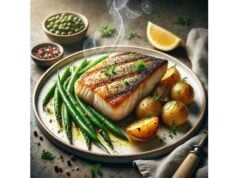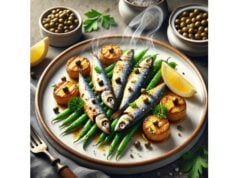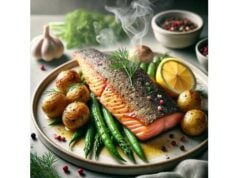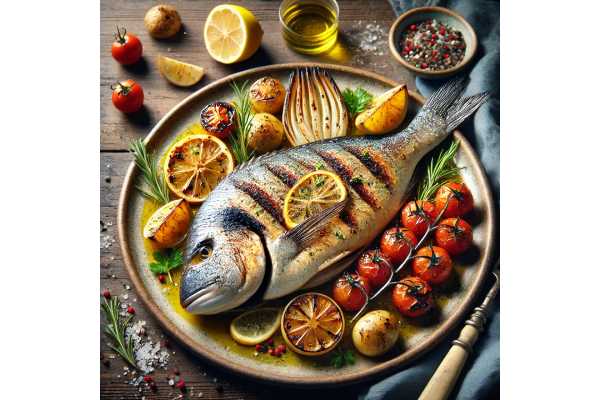
Sea bream—especially the Mediterranean favorite gilthead sea bream—offers a mild, slightly sweet flavor with firm, pearly flakes that stand up well to grilling, roasting, and pan-searing. Beyond taste, it delivers lean, high-quality protein, marine omega-3s, and essential micronutrients like selenium, iodine, and vitamin B12. Home cooks appreciate its versatility: whole on the grill, filleted for weeknight dinners, or cured for elegant starters. Sustainability has also improved thanks to well-managed aquaculture, making sea bream widely available year-round with consistent quality. This guide brings together practical buying and cooking tips with an evidence-based look at benefits and risks—so you can enjoy sea bream confidently, whether you’re planning a quick 20-minute meal or a special occasion centerpiece.
Fast Facts
- Typical serving: 120–150 g cooked (about 1 fillet), 1–2 times per week as part of varied seafood intake.
- Key benefits: lean protein (~20 g/100 g) and marine omega-3s for heart health and reduced triglycerides.
- Safety caveat: fish allergy, rare parasite risk in raw/undercooked fish, and mercury considerations for sensitive groups.
- Limit or avoid: individuals with confirmed fish allergy; pregnant people should choose lower-mercury seafood and eat it cooked.
- Storage: use within 24 hours of purchase (refrigerated at ≤4 °C) or freeze promptly for longer keeping.
Table of Contents
- Detailed Overview of Sea Bream
- Nutrition Profile (per 100 g)
- Evidence-Based Health Benefits
- Risks, Allergies and Interactions
- Selecting, Quality, Sustainability and Storage
- Preparation, Cooking and Nutrient Retention
- Portions, Comparisons and FAQs
Detailed Overview of Sea Bream
Sea bream is a common name for several sparid species; in markets, “gilthead sea bream” (Sparus aurata) is the best-known and most widely farmed. It has a compact oval body, golden band on the forehead, and clean, delicate flavor prized across Mediterranean cuisines. Compared with richer fish like salmon, sea bream is leaner but still supplies meaningful amounts of long-chain omega-3 fatty acids (EPA and DHA). That balance makes it appealing to diners seeking a lighter, high-protein fish that cooks quickly and pairs with bright herbs, citrus, fennel, or tomatoes.
From a culinary standpoint, sea bream is forgiving. The firm texture allows for cross-hatch scoring and high-heat cooking without falling apart, while the thin skin crisps beautifully when pan-seared. Whole fish can be stuffed with aromatics and roasted on a bed of sliced lemon; fillets are excellent for weeknight sautés or parchment-baked with olive oil and vegetables. Raw preparations (e.g., crudo, carpaccio) showcase its sweetness, but they require careful sourcing and parasite control (freezing protocols) to be safe.
Availability has broadened thanks to aquaculture in Greece, Spain, Turkey, and other coastal countries, supplying consistent sizes (typically 300–600 g whole) with mild flavor and low variability. Responsible farms focus on feed efficiency, water quality, and welfare; certification schemes (e.g., BAP, ASC) help identify better-managed producers. Wild-caught sea bream appears seasonally and may have slightly firmer texture and more pronounced mineral notes, though differences are subtle once cooked properly.
Nutritionally, sea bream sits in the “lean fish” category: high in complete protein with all essential amino acids, modest total fat, and negligible carbohydrate. It contributes selenium (antioxidant functions), iodine (thyroid hormones), phosphorus (bone health), vitamin D (variable), and vitamin B12 (red blood cell formation and neurological function). Like most marine fish, it is naturally low in saturated fat and provides omega-3s that many diets lack.
Who is sea bream best for? It’s a strong choice for people who want to raise protein quality without excessive calories, those aiming to increase omega-3 intake without the stronger flavor of sardines or mackerel, and families looking for an approachable “first fish” for kids. The main caveats are standard to seafood: fish allergy, undercooking risk, and species-dependent contaminant guidance for pregnancy and early childhood (where variety and moderation are key).
Nutrition Profile (per 100 g)
The following values reflect typical raw gilthead sea bream fillet averages. Cooking changes moisture and nutrient density; pan-searing or baking concentrates protein and minerals slightly. % Daily Value (%DV) uses U.S. reference DVs for adults.
Macros & Electrolytes (per 100 g, raw)
| Nutrient | Amount | %DV |
|---|---|---|
| Energy | 105 kcal | — |
| Protein | 20.0 g | 40% |
| Total fat | 4.5 g | 6% |
| Saturated fat | 1.2 g | 6% |
| Monounsaturated fat | 1.5 g | — |
| Polyunsaturated fat (total) | 1.7 g | — |
| Omega-3 (EPA + DHA) | 0.6–1.0 g | — |
| Cholesterol | 55 mg | 18% |
| Carbohydrate | 0 g | 0% |
| Sodium | 60 mg | 3% |
| Potassium | 350 mg | 7% |
| Water | 74 g | — |
Protein & Amino Acids
| Metric | Amount |
|---|---|
| Complete protein | Yes |
| Leucine | ~1.6 g |
| Lysine | ~2.0 g |
| Methionine + Cysteine | ~0.9 g |
| Tryptophan | ~0.25 g |
Vitamins
| Vitamin | Amount | %DV |
|---|---|---|
| Vitamin B12 (cobalamin) | 2.0–2.5 µg | 83–104% |
| Vitamin D (cholecalciferol) | 3–8 µg | 15–40% |
| Niacin (B3) | 5.0 mg | 31% |
| Vitamin B6 (pyridoxine) | 0.35 mg | 21% |
| Riboflavin (B2) | 0.10 mg | 8% |
| Thiamin (B1) | 0.05 mg | 4% |
Minerals
| Mineral | Amount | %DV |
|---|---|---|
| Selenium | 30–40 µg | 55–73% |
| Iodine | 30–60 µg | 20–40% |
| Phosphorus | 220 mg | 18% |
| Magnesium | 30 mg | 7% |
| Iron | 0.6–0.8 mg | 3–4% |
| Zinc | 0.5–0.7 mg | 5–6% |
| Calcium | 20–30 mg | 2–3% |
Fats & Fatty Acids (approximate per 100 g, raw)
| Fatty Acid | Amount |
|---|---|
| EPA (20:5n-3) | 0.2–0.4 g |
| DHA (22:6n-3) | 0.3–0.6 g |
| Omega-6 (total) | ~0.2 g |
Allergens & Contaminants (Context)
- Allergen: finfish proteins (parvalbumins) may trigger IgE-mediated reactions.
- Parasites: raw or undercooked wild fish can harbor anisakid nematodes; approved freezing or thorough cooking mitigates risk.
- Mercury: sea bream is generally considered a lower-to-moderate mercury fish relative to large predatory species; choose varied, lower-mercury options, especially for pregnancy and young children.
Footnote: Micronutrient values vary with species, habitat, feed, and season. Fortified products are uncommon for fresh sea bream; sodium increases in brined or processed items.
Evidence-Based Health Benefits
1) Supports heart health through marine omega-3s and lean protein.
Regular seafood intake—about one to two meals per week—has been associated with lower risk of coronary heart disease and related events when it displaces less healthy proteins (e.g., processed meats). Sea bream contributes EPA and DHA, which help reduce triglycerides, modestly lower resting heart rate and blood pressure, and support endothelial function. Because sea bream is lean and low in saturated fat, it fits well in cardioprotective dietary patterns that also emphasize vegetables, whole grains, and olive oil.
2) Nutrient density with fewer calories.
At ~105 kcal per 100 g raw (roughly 150–170 kcal per cooked 120–150 g fillet), sea bream delivers ~24–30 g of complete protein per typical serving with negligible carbohydrate. This high protein-to-calorie ratio can assist appetite control and preservation of lean mass in weight-management plans, especially when paired with fiber-rich sides.
3) Key micronutrients for metabolic and thyroid function.
Sea bream supplies selenium (antioxidant selenoproteins), vitamin B12 (methylation, red blood cell formation), phosphorus (energy metabolism), and iodine, which is required for thyroid hormone synthesis. Diets with a few weekly seafood servings help meet iodine needs in regions where iodized salt use is inconsistent.
4) Brain and visual development across the life course.
For pregnancy and early childhood, DHA intake from seafood supports fetal and infant brain and eye development. Guidance emphasizes choosing lower-mercury species and eating them cooked. Sea bream, when prepared safely, can contribute to this pattern alongside salmon, sardines, trout, and cod.
5) Anti-inflammatory potential from LC-n3 PUFA.
EPA and DHA are incorporated into cell membranes, where they give rise to specialized pro-resolving mediators and modulate inflammatory pathways. While clinical outcomes depend on overall diet and dose, routine seafood consumption is a practical way to increase LC-n3 PUFA compared with infrequent fish intake or reliance on conversion from plant ALA.
6) Useful swap for higher-saturated-fat meats.
Replacing some red or processed meats with sea bream can reduce saturated fat and sodium while maintaining protein quality and culinary satisfaction. This “smart swap” approach is one of the simplest ways to move a weekly menu toward cardiometabolic health without feeling restrictive.
How much is “enough”?
Most adults benefit from aiming for 1–2 seafood meals per week (roughly 170–340 g cooked total), with variety across species. People with very low baseline fish intake may see the greatest incremental benefits from adding even one consistent serving weekly. For athletes or those with higher protein needs, sea bream fillets (120–180 g) offer a clean, easily digested protein source for recovery meals.
Practical pairing for maximum benefit
- Olive oil + herbs for extra polyphenols and flavor.
- Whole grains and legumes to add fiber and magnesium.
- Leafy greens and citrus to pair vitamin C with iron for better absorption, and to cut richness while keeping sodium modest.
Risks, Allergies and Interactions
Allergy (finfish).
Sea bream is a common finfish allergen due to heat-stable parvalbumin proteins. Symptoms range from hives and oral itching to anaphylaxis. Anyone with a known finfish allergy should avoid sea bream unless an allergist confirms tolerance to specific species. Note cross-contamination risks at seafood counters and restaurants.
Parasites and raw consumption.
Wild-caught fish can carry anisakid nematodes. Proper controls include:
- Freezing for raw service: −20 °C (−4 °F) or below for ≥7 days, or −35 °C (−31 °F) or below for ≥15 hours (blast-freezing), depending on regulation.
- Cooking: an internal temperature of 63 °C (145 °F) measured at the thickest part.
Farmed sea bream raised on formulated feeds have a lower parasite risk, but retail labeling and vendor practices vary; ask your fishmonger how the product was handled if you plan crudo, carpaccio, or ceviche.
Pathogens and spoilage.
As with all seafood, time–temperature control is critical. Keep fish cold (≤4 °C), minimize time at room temperature, and cook promptly. Discard fish with ammonia-like odor, slimy surface, or gaping, dry flesh.
Chemical contaminants (mercury and others).
Sea bream is typically lower in mercury than large predatory fish like shark or swordfish. Even so, guidance for pregnant or breastfeeding individuals and young children prioritizes lower-mercury species and variety across the week. If you eat seafood daily, rotate species (e.g., salmon, trout, sardines, pollock, cod, mussels) rather than repeating the same fish every day.
Medication and condition considerations.
- Anticoagulants/antiplatelets: normal dietary portions of seafood are safe; very high supplemental omega-3 doses may interact with some regimens—discuss supplements with a clinician.
- Thyroid disease: iodine intake should align with healthcare advice; seafood contributes beneficially but seaweed products can be excessive.
- Histamine sensitivity (scombroid poisoning): rare with sea bream but possible if temperature control fails; rapid onset flushing, headache, and rash respond to antihistamines—seek medical care if severe.
Bones and choking risk.
Even expertly filleted fish may contain pin bones. Check portions intended for children or older adults and remove bones before serving.
Pregnancy and early childhood.
Choose fully cooked sea bream from lower-mercury sources, avoid raw preparations, and keep portions consistent with age-appropriate serving sizes. Two to three seafood meals per week, spread out, is a common target for this group.
Selecting, Quality, Sustainability and Storage
How to choose fresh sea bream
- Eyes: clear, bulging, and glossy—not sunken or cloudy.
- Gills: bright red to pink without slime or browning.
- Flesh: firm and elastic; it should spring back when pressed.
- Smell: clean and briny, never sharp or ammonia-like.
- Fillets: look for moist, pearly flesh with tight muscle fibers and minimal gaping.
Whole vs. fillets
Whole fish provides superior moisture and flavor, especially when grilled or roasted on the bone. Fillets are convenient and quick-cooking, ideal for weeknights. Ask for skin-on fillets if you like crispy-skin preparations; the skin protects delicate flesh and crisps attractively with proper heat.
Farmed vs. wild
- Farmed sea bream (common in Europe): consistent size and year-round availability; flavor is mild and clean when farms manage feed and water well. Look for third-party certifications or reputable retailers with transparent sourcing.
- Wild sea bream: often seasonal with slightly firmer flesh and more variable flavor; excellent when very fresh.
Sustainability cues
- Favor producers with credible eco-labels or suppliers who share farm location, feed composition, stocking densities, and water monitoring.
- Diversify seafood choices across species and sources. Variety spreads demand and reduces pressure on any single stock or region.
- Opt for in-season, local options when available to minimize transport and maximize freshness.
Storage and handling
- Refrigerate on crushed ice or the coldest shelf at ≤4 °C; use within 24 hours (fillets) or 24–48 hours (whole, well-iced).
- Freeze at −18 °C or lower for up to 2–3 months for best quality. Wrap tightly (plastic + freezer paper or vacuum-seal) to prevent freezer burn.
- Thaw overnight in the refrigerator, not on the counter; for speed, use sealed-bag cold-water thawing (change water every 30 minutes).
- Marinating should be done in the refrigerator; discard used marinade or boil it if you want to serve as a sauce.
- Cooked leftovers keep 1–2 days refrigerated; reheat to steaming hot.
Red flags at purchase
Dry or browning edges on fillets, excessive drip (purge) in packaging, fishy or sour aromas, or flaccid flesh signal poor handling. If buying pre-frozen, check for thick ice glaze (good) versus frost or dehydration (bad).
Preparation, Cooking and Nutrient Retention
Smart prep for texture and flavor
- Pat dry + score the skin (two or three shallow slashes) to prevent curling.
- Salt 15–30 minutes ahead (a light dry brine) to season evenly and help the surface crisp.
- Bring close to room temperature for 10–15 minutes before cooking to reduce overcooking at the edges.
Core methods (with target doneness)
- Pan-sear, skin-on: Heat a heavy pan until hot, add a thin film of oil, place the fillet skin-side down, and press gently for 10–15 seconds. Cook ~70% through on the skin side, then flip 30–60 seconds to finish. Aim for just-opaque in the center and crisp skin.
- Grill, whole or fillets: Oil grates well. For whole fish (400–600 g), grill 6–8 minutes per side over medium-high direct heat, then rest 5 minutes.
- Roast, whole: Stuff cavity with lemon, fennel, garlic, and herbs. Roast at 220 °C (425 °F) for 18–22 minutes for a 500 g fish.
- Steam or parchment-bake (en papillote): Gentle methods that preserve moisture and heat-sensitive vitamins.
- Poach in olive oil (confît-style): Low-temperature poaching (around 60–70 °C) keeps flesh silky and minimizes oxidation.
Food safety target
Cook fish to an internal temperature of 63 °C (145 °F) at the thickest part. If serving raw or lightly cured, only use fish that has been previously frozen under parasite-control protocols and keep cold at all times.
Maximizing nutrient retention
- Gentle heat preserves omega-3s better than intense frying; pan-searing in minimal oil or baking/steaming are good compromises.
- Avoid overcooking to keep proteins tender and minimize nutrient losses into cooking juices.
- Use the pan fond: Deglaze with lemon and white wine; you’ll reclaim minerals and flavor.
- Pair with vitamin C-rich sides (e.g., citrus salad, roasted peppers) to enhance non-heme iron absorption from plant sides.
Flavor builders with a health edge
- Mediterranean herb rub: minced garlic, parsley, thyme, lemon zest, and a small pinch of chili.
- Salsa verde: parsley, capers, anchovy, lemon, and good olive oil—bright, salty, and packed with polyphenols.
- Fennel-orange salad: shaved fennel, orange segments, olive oil, and mint for contrast and fiber.
Common pitfalls and fixes
- Rubbery texture: heat too high or overcooked—pull earlier and rest a minute.
- Sticking skin: pan not hot enough or surface moist—dry thoroughly and preheat longer.
- Watery fillets: previously frozen without proper glaze—choose better-handled product or switch to roasting/steaming.
Portions, Comparisons and FAQs
How much sea bream counts as a serving?
- Adults: 120–150 g cooked (about one typical fillet) is a practical serving.
- Children 1–3 years: ~28–56 g cooked; 4–7 years: ~56–85 g; 8–10 years: ~85–85+ g—scale portions to hand size and appetite. Spread servings throughout the week rather than all at once.
How often should I eat sea bream?
Aim for 1–2 seafood meals per week, rotating species. Sea bream can be one of those meals, paired with lower-mercury choices like salmon, trout, sardines, pollock, mussels, or cod.
How does sea bream compare to other fish?
- Versus salmon: sea bream is leaner (less total fat) and provides fewer omega-3s per 100 g, but still contributes EPA/DHA with a lighter taste and lower calories.
- Versus cod/haddock: sea bream has slightly more fat (and thus more omega-3s) and a richer mouthfeel while remaining mild.
- Versus sardines/mackerel: those oily fish provide much higher omega-3s and vitamin D, but stronger flavor; sea bream is a gentler introduction to marine fats.
Is sea bream good for muscle and recovery?
Yes. A 150 g cooked fillet delivers ~30 g protein with a strong essential amino acid profile, supporting muscle repair. Pair with carbohydrate (e.g., roasted potatoes or whole grains) after training to replenish glycogen.
Can I eat sea bream raw?
Only if it has been previously frozen according to parasite-control standards and handled hygienically. At home, the safest approach is cooked preparations. When dining out, choose reputable venues that follow freezing rules for raw fish.
What about bones and skin—should I remove them?
Pin bones can remain in fillets; run fingers along the center line and pull with clean tweezers. The skin crisps well and is edible; scale thoroughly and score lightly to prevent curling.
Budget tips
Buy whole fish and ask the fishmonger to fillet and return bones/heads for stock. Frozen, vacuum-sealed fillets offer good value and reduce waste.
Quick meal ideas (balanced plates)
- Tray-bake: sea bream fillets with cherry tomatoes, olives, red onion, and oregano; finish with lemon.
- Brothy beans: garlic-rosemary white beans with wilted greens and seared sea bream on top.
- Citrus-herb salad: arugula, orange, fennel, and almonds alongside crispy-skin fillet for texture and vitamin C.
Who should limit or avoid sea bream?
People with diagnosed finfish allergy should avoid unless cleared by an allergist. Pregnant people and young children should follow lower-mercury seafood guidance and fully cook sea bream. Individuals on anticoagulants should be cautious with high-dose fish oil supplements; normal dietary portions of fish are acceptable for most but always confirm with a clinician.
References
- Advice about Eating Fish (2024) (Guideline)
- Omega-3 Fatty Acids – Health Professional Fact Sheet (2022) (Guideline)
- Seafood Long-Chain n-3 Polyunsaturated Fatty Acids and Cardiovascular Disease (2018) (Guideline)
- Safe Minimum Internal Temperature Chart (2025) (Guideline)
- Scientific Opinion on risk assessment of parasites in fishery products (2010) (Guideline)
Disclaimer
This article is informational and is not a substitute for personalized medical advice, diagnosis, or treatment. Dietary needs and safety considerations vary by age, health status, medications, and life stage. Always consult a qualified healthcare professional or registered dietitian for guidance tailored to you.
If you found this helpful, we’d appreciate your support—please share this article on Facebook, X, or your preferred platform to help others make informed choices.