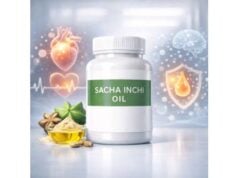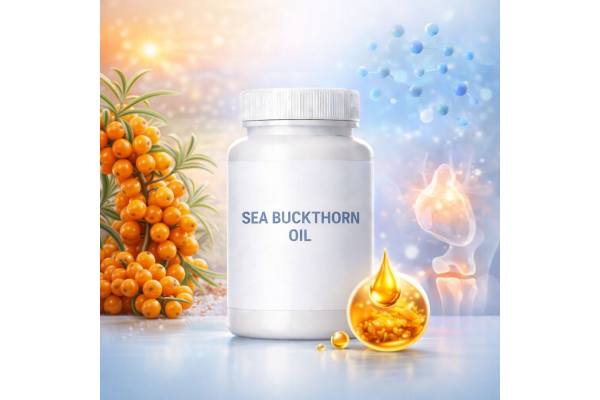
Sea buckthorn oil has moved from traditional remedies in Asia and Eastern Europe into mainstream nutrition, skincare, and integrative medicine. Pressed from the bright orange berries and seeds of the shrub Hippophae rhamnoides, this oil is unusually rich in omega-7 (palmitoleic acid), carotenoids, vitamin E, plant sterols, and other bioactive compounds. Together, these nutrients are being studied for their effects on skin health, dry eyes and mucous membranes, metabolic markers, and cardiovascular risk factors.
People use sea buckthorn oil in capsules, liquid oil, and topical products, often to support dry or aging skin, sensitive mucosa, or overall antioxidant status. Early clinical research suggests benefits for dry eye symptoms, skin hydration and elasticity, and some blood lipid parameters, although evidence is still growing. This guide explains what sea buckthorn oil is, how it works, the most studied benefits, practical dosage ranges, safety considerations, and how to decide whether it fits into your routine.
Key Facts about Sea buckthorn oil
- Sea buckthorn oil provides omega-7, carotenoids, and vitamin E that may support skin, eye, and mucosal health.
- Clinical studies suggest possible benefits for dry eye symptoms, skin hydration, and some cholesterol markers.
- Typical oral supplemental intakes range from 1,000 to 2,000 mg (1–2 g) per day, often divided with meals.
- Mild digestive upset, orange-tinted urine or skin, and possible interactions with blood pressure or blood sugar drugs can occur.
- Individuals who are pregnant, breastfeeding, have bleeding disorders, or take anticoagulant or antiplatelet medication should avoid sea buckthorn oil unless advised otherwise by a clinician.
Table of Contents
- What is sea buckthorn oil?
- How does sea buckthorn oil work?
- Main benefits of sea buckthorn oil
- How to use sea buckthorn oil daily
- Sea buckthorn oil dosage guidelines
- Side effects of sea buckthorn oil
- What research says about sea buckthorn oil
What is sea buckthorn oil?
Sea buckthorn oil is a plant oil obtained from the berries and seeds of the sea buckthorn shrub (Hippophae rhamnoides), a hardy plant that grows in cold, dry, and coastal regions across Europe and Asia. Unlike many single-source oils, sea buckthorn oil actually refers to two related but distinct oils: pulp oil and seed oil.
- Pulp (berry) oil is pressed from the soft orange flesh and skin. It is especially rich in carotenoids, including beta-carotene and lycopene, which give the oil its deep orange colour, as well as high levels of palmitoleic acid (omega-7).
- Seed oil is pressed from the small seeds and tends to be higher in omega-3 (alpha-linolenic acid) and omega-6 (linoleic acid), with a profile closer to other nutraceutical plant oils.
Commercial supplements may contain only seed oil, only pulp oil, or a blend of both. Labels sometimes highlight “omega-7” or use branded ingredients that standardise key fatty acids and antioxidants. Reading whether the product uses seed, pulp, or a mix is important, because it can subtly change the balance of fatty acids and carotenoids you receive.
Sea buckthorn oil is most often sold in softgel capsules for oral use, liquid oils for internal or culinary use, and concentrated oils added to creams, serums, and ointments for skin and mucosal application. In traditional medicine systems, the plant has long been used for wounds, digestive complaints, and respiratory support. Modern research focuses more on skin, eyes, mucous membranes, metabolic markers, and cardiovascular risk.
How does sea buckthorn oil work?
Sea buckthorn oil is not a single active substance. Its effects arise from a dense combination of fatty acids, vitamins, carotenoids, plant sterols, and polyphenols that act on overlapping pathways in the body. Several mechanisms are especially relevant.
1. Fatty acid composition
Sea buckthorn oil contains a broad spectrum of fatty acids:
- Omega-7 (palmitoleic acid) in pulp oil, which is naturally found in skin and mucous membranes and may support barrier repair and hydration.
- Omega-3 (alpha-linolenic acid) and omega-6 (linoleic acid) in seed oil, which participate in anti-inflammatory and structural lipid pathways.
- Omega-9 (oleic acid), a monounsaturated fat that supports cell membrane fluidity.
Together, these fatty acids are incorporated into cell membranes, influence eicosanoid production, and may modulate inflammatory signalling and barrier integrity in skin, ocular surfaces, and mucosa.
2. Antioxidant and anti-inflammatory activity
Carotenoids (such as beta-carotene and zeaxanthin), vitamin E (tocopherols and tocotrienols), and flavonoids in the oil neutralise reactive oxygen species and help limit oxidative stress. This is relevant for tissues exposed to environmental stress, including skin and ocular surface tissues. Experimental work suggests sea buckthorn components can influence pathways such as NF-κB and Nrf2, which coordinate inflammatory and antioxidant responses.
3. Effects on mucosal and skin hydration
The combination of omega-7 and other lipophilic compounds may help stabilise lipid layers of mucosal surfaces (such as tear film and vaginal mucosa). Clinical studies report improvements in subjective dryness of eyes and some measures of skin hydration after several weeks of oral supplementation, consistent with enhanced barrier function and altered lipid composition.
4. Metabolic and cardiovascular markers
Sea buckthorn oil also contains phytosterols, which can partially block intestinal cholesterol absorption, and bioactive lipids that may influence triglycerides, HDL cholesterol, and blood pressure. Preliminary trials show modest improvements in some of these markers in selected populations, although results are not uniform and doses vary.
Overall, sea buckthorn oil appears to act as a multi-target, nutrient-dense oil that supports cell membranes, modulates inflammation, and provides antioxidant protection rather than as a single-pathway drug.
Main benefits of sea buckthorn oil
Research on sea buckthorn oil is still developing, but several potential benefits are supported by clinical and preclinical data. Effects vary between individuals, and not all outcomes are consistently replicated, so it is best viewed as supportive rather than as a stand-alone treatment.
1. Skin health and appearance
Sea buckthorn oil is widely used in skincare because of its carotenoids, vitamin E, and omega-7 content. Human studies suggest that oral sea buckthorn oil capsules can improve skin hydration, elasticity, and subjective dryness over several weeks. Mechanisms likely include improved barrier lipids, reduced oxidative stress, and modulation of inflammatory mediators in the skin. Topical preparations, often combined with other plant oils or hyaluronic acid, are used to support wound healing, scars, radiation-induced skin injury, and various dermatoses, although high-quality data in many of these indications are still limited.
2. Dry eyes and ocular surface comfort
Multiple studies have explored oral sea buckthorn oil in individuals with dry eye symptoms. In a typical trial, adults with dry eye consumed around 2 g of sea buckthorn oil per day for about three months. Results showed attenuation of seasonal increases in tear film osmolarity and modest reductions in symptom scores compared to placebo. Other work using eyelid sprays with sea buckthorn oil has shown improvements in symptom indices and perceived dryness. These findings suggest that the oil may support the oily layer of the tear film and reduce inflammation at the ocular surface.
3. Mucosal dryness (oral, vaginal, and other mucosa)
Because of its omega-7 and antioxidant content, sea buckthorn oil is being studied for mucosal dryness beyond the eyes, including oral and vaginal mucosa. Early clinical data indicate potential improvements in subjective dryness and comfort, particularly in women experiencing atrophic changes or systemic conditions that impair mucosal lubrication. Evidence remains limited, but the biological rationale is strong.
4. Metabolic and cardiovascular markers
Sea buckthorn oil may modestly influence lipid and metabolic markers. Trials in people with elevated cholesterol or blood pressure have reported reductions in triglycerides or total and LDL cholesterol in some studies, as well as small increases in HDL and slight decreases in blood pressure. These effects, when present, tend to be moderate and are not a substitute for established medical therapy but may complement diet and lifestyle interventions.
5. Antioxidant and general wellness support
Given its high content of carotenoids, tocopherols, and flavonoids, sea buckthorn oil contributes significantly to dietary antioxidant intake. Some individuals use it for general wellness, immune support, or resilience during periods of environmental or lifestyle stress. While broad wellness claims are difficult to verify scientifically, the nutrient profile justifies its use as a supportive oil in appropriately selected people.
How to use sea buckthorn oil daily
Sea buckthorn oil can be introduced into a routine in several ways, depending on your goals and tolerance. The most common approaches are oral supplementation and targeted topical use.
1. Oral capsules and liquid oil
For systemic effects on skin, eyes, and mucosa, oral intake is typically preferred. Options include:
- Softgel capsules: Often contain 500–1,000 mg of seed oil, pulp oil, or a blend. These are convenient and help mask the strong colour and taste of the oil.
- Liquid oil: Supplied in dropper bottles or larger containers. Some products are designed as dietary supplements, while others are marketed as culinary oils or for cosmetic use. Check the label to confirm suitability for internal use.
Practical tips for oral use:
- Start with a lower daily amount (for example, 500–1,000 mg per day) to assess tolerance.
- Take capsules or liquid oil with meals to reduce gastrointestinal discomfort and improve absorption of fat-soluble compounds.
- If your goal is skin or eye comfort, be prepared to continue for at least 6–8 weeks before judging the effect, as changes in cell membranes and mucosal tissues are gradual.
2. Topical skin application
Sea buckthorn oil is intensely coloured and can stain clothing and temporary stain skin. For facial or body use, many people dilute it:
- Mix a few drops of sea buckthorn oil into a neutral carrier oil (such as jojoba, almond, or sunflower oil) or a plain cream.
- Apply to clean skin, ideally in the evening at first, to monitor any irritation or staining.
- Focus on dry, flaky, or photo-damaged areas, or on small scars, while avoiding direct contact with eyes.
3. Combination strategies
For some goals, such as dry eyes or dry skin, clinicians sometimes combine approaches: oral capsules to support systemic lipid and antioxidant status, plus targeted topical products (for example, creams or eyelid sprays that include sea buckthorn oil). If you rely on other ocular or dermatological medications, discuss combined use with your healthcare professional to avoid interference.
4. Storage and quality
Because sea buckthorn oil is rich in unsaturated fats, it is prone to oxidation. Store it in a cool, dark place, always close the container tightly, and note expiry dates. Prefer products that specify standardised content of key fatty acids or antioxidants and that use dark glass packaging or other protective solutions.
Sea buckthorn oil dosage guidelines
There is no universal, officially established dose for sea buckthorn oil. Most practical guidance is drawn from clinical studies, traditional use, and manufacturer recommendations. Doses vary by purpose, body size, and individual sensitivity.
1. Typical oral supplemental ranges
For healthy adults, commonly used daily intakes are:
- General skin or mucosal support: 1,000–2,000 mg (1–2 g) per day, usually in divided doses with meals.
- Dry eye support in research settings: around 2,000 mg (2 g) per day for about three months.
- Metabolic and cardiovascular markers: 1,000–2,000 mg per day in trials targeting cholesterol or blood pressure parameters.
Many people respond well within the 1–2 g per day range. Higher intakes, up to around 3 g per day, have been used short term in some studies, but any dose beyond labelled recommendations should be supervised by a health professional.
2. Topical usage amounts
For skin, very small quantities are sufficient because the oil spreads easily:
- Face: 1–3 drops diluted into a teaspoon of carrier oil or cream.
- Body or scars: a slightly larger amount, still diluted.
- Frequency: once or twice daily, adjusting based on tolerance and cosmetic acceptability.
Undiluted application of concentrated pulp oil can be too intense in colour and may cause temporary orange staining. Sensitive individuals should always patch test on a small area first.
3. Adjustments for specific groups
- Older adults: may benefit from starting at the lower end of the dosing spectrum, such as 500–1,000 mg per day, especially if taking multiple medications.
- People with low body weight or digestive sensitivity: can begin with 250–500 mg per day and slowly increase to minimise stomach discomfort.
- Children: sea buckthorn oil is not routinely recommended for children due to the lack of robust dosing data. Any use should be guided by a paediatric clinician.
4. Duration of use
For chronic concerns like dry skin or dry eyes, trials often run for 8–12 weeks. It is reasonable to evaluate the response after two to three months, then decide whether to continue, adjust the dose, or discontinue. Long-term safety data are generally reassuring for moderate doses, but periodic review with a healthcare provider is prudent.
Side effects of sea buckthorn oil
Sea buckthorn oil is generally well tolerated when used in typical supplemental amounts. However, like all bioactive products, it can cause side effects and may not be suitable for everyone.
1. Common, usually mild reactions
- Digestive upset: nausea, soft stools, or abdominal discomfort may occur, especially at higher doses or when taken on an empty stomach. Taking the oil with food and starting at a lower dose reduces this risk.
- Changes in urine or stool colour: due to the high carotenoid content, some people notice a darker yellow or orange tint. This is usually harmless and resolves when intake is reduced or stopped.
- Skin staining with topical use: concentrated pulp oil can temporarily stain skin, clothing, and bedding.
2. Less common concerns
- Blood pressure and blood sugar: animal and human data suggest that sea buckthorn preparations may modestly lower blood pressure and influence glucose regulation. For most healthy users this is not problematic, but in individuals already taking antihypertensive or antidiabetic medications, combined effects could lead to low blood pressure or low blood sugar.
- Bleeding risk: sea buckthorn oil contains components that may have mild antiplatelet effects. In people taking anticoagulants, antiplatelet drugs, or with bleeding disorders, there is a theoretical risk of increased bleeding, particularly at higher doses.
3. Who should avoid or use with extra caution
It is advisable to avoid sea buckthorn oil or seek personalised medical advice in the following situations:
- Pregnancy or breastfeeding, because robust safety data are lacking for concentrated oil supplements.
- Known allergy to sea buckthorn or related plants; any history of reaction to products containing Hippophae rhamnoides should be considered a contraindication.
- Use of anticoagulant or antiplatelet medication, or a history of bleeding disorders.
- Uncontrolled low blood pressure or unstable blood sugar, particularly when on medication for these conditions.
- Upcoming surgery, where many clinicians recommend stopping supplements with potential bleeding effects at least one to two weeks beforehand.
4. Drug and supplement interactions
Sea buckthorn oil may theoretically interact with:
- Anticoagulants or antiplatelet agents (for example, warfarin, direct oral anticoagulants, aspirin, clopidogrel).
- Blood pressure medications, when combined effects could lower blood pressure more than intended.
- Blood sugar medications, potentially increasing the risk of hypoglycaemia in sensitive individuals.
Because interaction data are still limited, people on long-term medication should discuss sea buckthorn oil with their prescribing clinician or pharmacist before starting.
What research says about sea buckthorn oil
The evidence base for sea buckthorn oil has expanded in recent years. It includes in vitro studies, animal models, human observational research, and an increasing number of clinical trials and systematic reviews. Overall, findings are promising but not definitive, and quality varies between studies.
1. Clinical studies on skin and mucosal health
Randomised trials have examined oral sea buckthorn oil capsules in adults with concerns such as dry skin, photo-damage, or general skin aging. Many report improvements in hydration, elasticity, and subjective dryness after several weeks of supplementation. Imaging and biochemical markers in some studies suggest enhanced antioxidant capacity and reduced inflammatory markers in the skin.
For mucosal health, trials have evaluated sea buckthorn oil for dry eye symptoms, and early work has explored benefits for oral and vaginal dryness. In dry eye studies, participants typically consumed around 2 g per day and experienced smaller seasonal increases in tear film osmolarity and improvements in symptom scores relative to placebo. Eyelid sprays containing low concentrations of sea buckthorn oil and hyaluronic acid have also shown improvements in subjective dryness and symptom indices.
2. Cardiometabolic markers and digestive health
Systematic and narrative reviews highlight modest but potentially meaningful changes in lipid profiles, blood pressure, and some markers of glucose metabolism in people using sea buckthorn products. Improvements are usually additive to, not a replacement for, conventional diet and lifestyle changes. Sea buckthorn extracts and oils have also been studied in digestive system conditions, including gastric ulcer models and inflammatory gastrointestinal disorders, with preclinical data supporting antioxidant, mucosal protective, and anti-inflammatory actions.
3. Mechanistic and safety reviews
Recent reviews summarise how sea buckthorn components act on multiple biological targets, including inflammatory cytokines, transcription factors linked to oxidative stress, enzymes involved in lipid metabolism, and pathways that regulate tissue repair. These multi-target actions are consistent with the broad pattern of benefits reported in smaller clinical trials.
Safety reviews generally consider sea buckthorn preparations to have a favourable profile when used in customary doses. Adverse effects are usually mild and reversible. However, most long-term data involve traditional dietary use rather than high-dose, multi-year supplementation, so caution is still appropriate for prolonged, high-intake regimens or for people with complex medical histories.
4. Evidence gaps
Despite encouraging results, several gaps remain:
- Many trials sample relatively small numbers of participants and run for only a few months.
- Studies vary widely in the type of oil used (seed, pulp, or mixed), dosage, and outcome measures, making direct comparisons difficult.
- Robust data in children, pregnant or breastfeeding individuals, and people with serious chronic illnesses are limited.
For now, sea buckthorn oil is best understood as a supportive supplement with promising evidence for specific applications, particularly skin and mucosal health, rather than as a primary treatment for major disease.
References
- The impact of sea buckthorn oil fatty acids on human health 2019 (Systematic Review)
- Phytochemistry, health benefits, and food applications of sea buckthorn (Hippophae rhamnoides L) 2022 (Review)
- Oral sea buckthorn oil attenuates tear film osmolarity and symptoms in individuals with dry eye 2010 (RCT)
- The impact of oral sea-buckthorn oil on skin, blood markers, ocular, and vaginal health: A randomized control trial 2023 (RCT)
- The role of sea buckthorn in skin and mucosal health: A review from an anti-inflammatory perspective 2025 (Systematic Review)
Disclaimer
The information in this article is for educational purposes only and is not a substitute for personalised medical advice, diagnosis, or treatment. Sea buckthorn oil is a bioactive supplement that can interact with medications and may not be appropriate for everyone, especially individuals who are pregnant, breastfeeding, have chronic illnesses, or take anticoagulant, blood pressure, or blood sugar–lowering drugs. Always discuss new supplements with a qualified healthcare professional who is familiar with your medical history and current medications. Never stop or change prescribed treatments without professional guidance.
If you found this guide useful, please consider sharing it with others on Facebook, X (formerly Twitter), or any platform you prefer, and follow our work on social media. Your support by sharing helps our team continue to research and publish clear, evidence-informed content on nutrition and supplements.