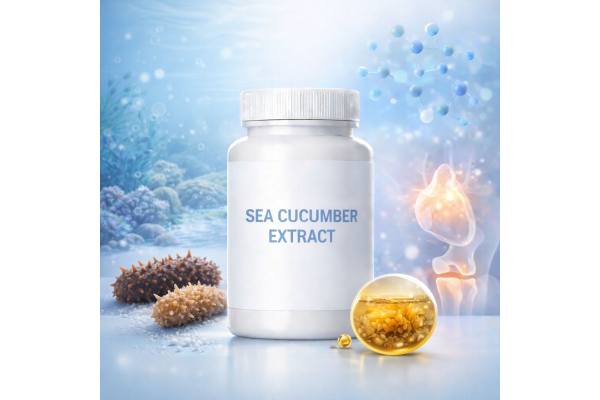
Sea cucumber extract has moved from traditional Asian tonics into modern supplement shelves, promising support for joints, skin, immunity, and even brain and metabolic health. It is made from marine invertebrates in the Holothuroidea class and concentrates a mix of bioactive compounds: collagen-derived peptides, sulfated polysaccharides, and triterpene saponins. Early laboratory and animal studies suggest antioxidant, anti-inflammatory, anticoagulant, and anticancer properties, while recent reviews highlight potential roles in neuroprotection, wound repair, and lipid or glucose regulation.
At the same time, human clinical data are still limited, and sea cucumbers are long-lived marine animals that can accumulate contaminants if not harvested and processed carefully. This guide walks you through what sea cucumber extract is, what the evidence actually shows, how people typically use it, sensible dosage ranges, and who should avoid it. The goal is to help you talk with your healthcare provider and make informed, realistic decisions instead of relying on marketing claims.
Essential Insights
- Sea cucumber extract provides peptides, polysaccharides, and saponins that may support joint comfort, skin repair, and metabolic and immune balance.
- Most benefits are based on laboratory and animal studies; high-quality human trials are still sparse, so effects in real-world use remain uncertain.
- Typical oral supplement ranges are about 300–1000 mg of standardized extract daily or 1–3 g of dried sea cucumber powder, usually divided with meals.
- People with seafood allergy, bleeding disorders, or those taking anticoagulant or antiplatelet medicines should avoid sea cucumber extract unless a clinician supervises its use.
Table of Contents
- What is sea cucumber extract?
- Does sea cucumber extract really help health?
- How to take sea cucumber extract in daily life
- How to choose a quality sea cucumber extract product
- Side effects, interactions and who should avoid sea cucumber extract
- What the science says and where evidence is still weak
What is sea cucumber extract?
Sea cucumbers are soft-bodied echinoderms related to sea stars and sea urchins. In coastal cuisines and traditional medicine, dried sea cucumber (often called bêche-de-mer or trepang) has long been used as a strengthening food and a remedy for joint weakness and fatigue. Modern supplements take this a step further by concentrating selected components into capsules, powders, and topical products marketed as sea cucumber extract.
Manufacturers typically use the body wall and longitudinal muscles, which are rich in structural proteins and polysaccharides. Common extraction methods include hot-water extraction, enzymatic hydrolysis, and alcohol-based extraction. These processes yield several groups of bioactive molecules:
- Collagen-derived peptides and proteins – small protein fragments with potential antioxidant, anti-fatigue, and tissue-repair actions.
- Sulfated polysaccharides – especially fucosylated chondroitin sulfate and other glycosaminoglycans, which can influence blood clotting, inflammation, and immune activity.
- Triterpene glycosides (saponins) – unique marine saponins that show strong bioactivity in laboratory and animal models, including anticancer and lipid-lowering effects.
- Other components – cerebrosides and other lipids, minor omega-3 fatty acids, minerals, and vitamins.
Not all sea cucumber extracts are the same. Composition depends heavily on:
- Species (for example, Cucumaria frondosa, Holothuria scabra, Stichopus japonicus).
- Body part used (body wall, viscera, skin, coelomic fluid).
- Processing (raw vs cooked before extraction, type of solvent, temperature, and time).
Some products focus on whole-tissue extracts that retain a broader nutrient mix, while others are enriched in polypeptides, polysaccharides, or saponins. A growing niche also includes topical creams using sea cucumber oil, collagen, or exosome-like vesicles for skin repair.
Because these extracts come from marine animals, there is an additional layer of concern about contaminants (heavy metals, microplastics, microbes) and sustainability. This makes sourcing, quality testing, and transparent labelling especially important when you choose a supplement.
Does sea cucumber extract really help health?
Most of what we know about sea cucumber extract comes from laboratory and animal research, complemented by a small number of human studies. Overall, the evidence is promising but preliminary, and it varies by health area.
1. Joint and connective tissue support
Sea cucumber tissues are rich in type I collagen and chondroitin-like glycosaminoglycans. In cell and animal models, collagen peptides from sea cucumber can:
- Stimulate cartilage and connective-tissue repair.
- Reduce markers of inflammation and oxidative stress.
- Improve biomechanical properties of healing tissue.
Human trials directly testing sea cucumber extract for osteoarthritis or joint pain remain limited, but based on its composition, many practitioners view it as a potential adjunct to standard joint-support regimens that include exercise, weight management, and established treatments.
2. Skin repair and wound healing
Recent dermatology research has examined sea cucumber-derived compounds and exosome-like vesicles for their effects on skin:
- Improving antioxidant defences in skin cells exposed to UV or pollution.
- Supporting collagen production and extracellular matrix repair.
- Accelerating wound closure and reducing scar formation in animal models.
This is why you may see sea cucumber listed in creams and serums promoted for scar care, burns, or post-procedure skin recovery. Human clinical evidence is still early but growing, particularly for formulations targeting oxidative skin damage.
3. Metabolic and cardiovascular markers
Animal studies have reported that sea cucumber saponins and polysaccharides can:
- Lower total cholesterol and triglycerides.
- Improve insulin sensitivity and glucose tolerance in high-fat diet models.
- Reduce fatty liver changes and improve liver enzymes.
These effects appear to involve inhibition of intestinal lipid absorption, modulation of key metabolic signalling pathways, and antioxidant action. However, human data are limited to small trials using sea cucumber–containing foods or extracts, so it is too soon to rely on these effects for treating conditions such as diabetes or dyslipidaemia.
4. Immune and anti-fatigue effects
Polypeptides and polysaccharides from sea cucumber viscera and body wall have shown:
- Enhanced activity of certain immune cells in animal models.
- Anti-fatigue effects in mice, with longer exercise tolerance and improved energy-related markers.
These findings support traditional claims that sea cucumber acts as a “tonic,” but again, high-quality human trials are scarce.
5. Anticancer and brain-health research
Certain saponins (such as frondoside A) and other sea cucumber compounds show potent anticancer effects in cell and animal experiments, reducing tumour growth, invasion, and metastasis. A small phase II trial of a sea cucumber–based product (TBL-12) in multiple myeloma patients explored safety and feasibility, but did not establish clear clinical benefit or standard dosing.
More recently, reviews have highlighted potential neuroprotective effects of sea cucumber bioactives in experimental models of Alzheimer’s disease, Parkinson’s disease, and brain injury, involving antioxidant pathways, anti-inflammatory signalling, and synaptic protection. These are encouraging directions but remain far from proven therapies.
In short, sea cucumber extract is best viewed as experimental support, not a stand-alone treatment. Any use for serious conditions such as cancer, cardiovascular disease, or neurodegenerative disorders should remain under specialist supervision and never replace evidence-based care.
How to take sea cucumber extract in daily life
There is no officially established therapeutic dose for sea cucumber extract. Products on the market vary widely, and most dosage suggestions come from traditional use, manufacturer formulations, and limited research. A cautious, stepwise approach is essential.
Common forms
- Capsules or tablets – usually containing dried sea cucumber powder or a standardized extract (for example, “10:1 extract, 300 mg per capsule”).
- Loose powder or granules – for mixing into drinks or foods.
- Liquid extracts or tinctures – less common, sometimes combined with other marine or herbal ingredients.
- Functional foods – such as jellies, beverages, or soups incorporating sea cucumber.
- Topical products – creams, gels, or ointments for skin or scar care.
Typical oral ranges used in practice
For generally healthy adults, under professional guidance:
- Standardized extract capsules: about 300–1000 mg per day, often split into 1–2 doses with food.
- Dried powder: approximately 1–3 g per day, taken in divided doses or mixed into food or drinks.
These amounts are conservative approximations based on typical label instructions and the levels explored in functional food studies. Individual products may recommend higher or lower amounts depending on concentration.
Practical steps for starting
- Clear it with your clinician
- Especially important if you have a chronic condition, take prescription medicines (notably blood thinners), are pregnant, breastfeeding, or scheduled for surgery.
- Start at the low end of the range
- For example, 300 mg of standardized extract once daily with your main meal.
- Maintain this for one to two weeks while monitoring for digestive upset, rash, or other unexpected effects.
- Adjust only if tolerated
- If no problems occur, your clinician may approve moving toward 600–1000 mg per day (or 2–3 g of dried powder), still taken with meals to limit stomach irritation.
- Set a trial window
- Agree on a 4–8 week trial period, then reassess with your clinician whether there is any meaningful benefit relative to your goals (for example, joint comfort, perceived energy, or skin recovery).
Timing and combinations
- Taking sea cucumber extract with food can reduce nausea and improve absorption of fat-soluble components.
- Avoid combining it on your own with other strong anticoagulant or antiplatelet supplements (for example, high-dose fish oil, ginkgo, nattokinase) without medical input.
- If you are using it as part of a skin or joint protocol, coordinate it with other supplements and medicines to avoid duplication or unexpected interactions.
Topical use
For creams and gels that contain sea cucumber extract:
- Perform a patch test on a small area of skin once daily for two days.
- If no redness, itching, or burning occurs, you can apply a thin layer once or twice daily to the target area, following product directions.
- Do not apply to deep, infected, or heavily contaminated wounds unless a clinician explicitly advises it.
Always follow the instructions on the specific product label, and treat any higher-dose or long-term use as something that should be monitored like a medication.
How to choose a quality sea cucumber extract product
Because sea cucumber extract is sourced from wild or farmed marine animals and processed in many different ways, product quality can vary dramatically. A careful selection process reduces the risk of contamination and increases the chance of a consistent, useful product.
1. Transparency about species and source
Look for labels that clearly state:
- The species (for example, Cucumaria frondosa, Holothuria scabra, Stichopus japonicus).
- The origin (region or country of harvest) and whether animals are wild-caught or farmed.
- The part used (body wall, whole animal, viscera).
This matters because different species and tissues have different profiles of saponins, polysaccharides, and peptides, and some regions may carry higher burdens of pollutants.
2. Extraction method and standardization
High-quality products often describe:
- The extraction method (water extract, hydrolyzed peptides, alcohol extract, or a combination).
- The extraction ratio (for example, 10:1, meaning 10 parts raw material to 1 part extract).
- Any standardized markers – such as total saponins, polysaccharides, or peptide content, expressed in mg per dose.
Standardization does not guarantee efficacy, but it suggests a more controlled manufacturing process and helps you and your clinician compare products or adjust dosing.
3. Purity and contaminant testing
Marine products should ideally undergo third-party testing for:
- Heavy metals (mercury, lead, cadmium, arsenic).
- Microbial contamination (pathogenic bacteria, moulds, yeasts).
- Potential residues (such as residual solvents from extraction).
Choose brands that provide independent lab certificates of analysis on request or through their websites, with clear batch numbers matching the label.
4. Sustainability and ethics
Sea cucumbers are heavily harvested in many parts of the world, and overfishing is an ecological concern. Consider:
- Products that highlight sustainable fisheries, responsible aquaculture, or recognized eco-certifications.
- Companies that provide information about their supply chains and harvesting practices instead of generic marketing language.
Supporting responsible sourcing helps protect marine ecosystems and maintains long-term access to this resource.
5. Realistic claims and professional oversight
Be cautious with products that:
- Claim to “cure” cancer, Alzheimer’s disease, or any serious illness.
- Suggest you can stop prescribed medicines if you take their extract.
- Offer extremely high doses without medical context or monitoring.
Supplements should complement, not replace, medical treatment. If a company’s marketing conflicts with this principle, it is a red flag.
In practice, it is wise to shortlist a few brands, review their documentation, and then choose together with a healthcare professional who understands both your medical history and the evidence base for marine nutraceuticals.
Side effects, interactions and who should avoid sea cucumber extract
Sea cucumber has a long history as a food, but concentrated extracts can behave differently in the body. Understanding potential side effects and interactions is essential before you start.
Common side effects
Most reported side effects are mild and digestive, especially when people first begin taking capsules or powders:
- Nausea or stomach discomfort.
- Loose stools or mild diarrhoea.
- Fishy or marine-like aftertaste or burping.
Taking the supplement with meals and starting at a low dose can help limit these issues. If symptoms persist or worsen, the product should be stopped.
Allergic reactions
Sea cucumber is a marine animal, and people with known seafood or shellfish allergies may be at higher risk of allergic reactions, which can include:
- Rash, hives, or itching.
- Swelling of lips, tongue, or face.
- Breathing difficulties or wheezing (medical emergency).
Anyone with a history of serious food allergy should avoid sea cucumber extract unless an allergy specialist and physician agree that the risk is acceptable and monitoring is in place.
Bleeding risk and anticoagulant effects
Sulfated polysaccharides in sea cucumber, especially fucosylated chondroitin sulfate, have anticoagulant and antithrombotic activity in experimental models. This can be beneficial in controlled pharmaceutical settings but raises safety questions for supplements:
- Combined use with warfarin, direct oral anticoagulants (DOACs), heparin, or antiplatelet drugs (aspirin, clopidogrel, etc.) could theoretically increase bleeding risk.
- High doses or long-term use in people with underlying bleeding disorders or low platelet counts may be unsafe.
Because clinical data are limited, it is safest to treat sea cucumber extract as a potential blood-thinner and avoid it if you are on significant anticoagulant therapy unless your prescribing doctor explicitly approves and monitors it.
Other groups who should avoid or use great caution
- Pregnant or breastfeeding individuals – there are no robust safety data for concentrated extract use in these groups.
- Children and adolescents – food-level intake in traditional diets is one thing, but routine supplement use is not well studied.
- People with upcoming surgery or invasive dental procedures – it is prudent to stop sea cucumber extract one to two weeks before procedures where bleeding control matters, in line with your clinician’s advice.
- People with severe liver or kidney disease – metabolism and elimination of bioactive compounds could be altered, so professional supervision is essential.
Topical use considerations
For creams and gels that contain sea cucumber components:
- Avoid applying to large areas of broken skin unless advised by a clinician.
- Stop immediately if you notice worsening redness, burning, or signs of infection.
- People with very sensitive skin or multiple contact allergies should patch test first.
Overall, when used thoughtfully in appropriate individuals, sea cucumber extract appears reasonably well tolerated. The main risks centre on allergy, possible bleeding tendencies, and the lack of long-term safety data at higher doses.
What the science says and where evidence is still weak
In recent years, sea cucumber has attracted considerable attention in marine pharmacology and nutraceutical research. Several comprehensive reviews have assembled data on its chemical composition and biological activities, spanning cell culture, animal studies, and a handful of human investigations.
What is relatively well supported
- Sea cucumber tissues contain a diverse portfolio of bioactives: collagen-derived peptides, unique triterpene saponins, sulfated polysaccharides, cerebrosides, and other lipids.
- In laboratory and animal models, these compounds show robust antioxidant and anti-inflammatory effects, often reducing oxidative markers and inflammatory cytokines.
- Specific saponins and polysaccharides exhibit strong anticoagulant and antithrombotic activities, comparable in some assays to established drugs, although dosing and safety margins for humans are not defined.
- Multiple animal studies indicate metabolic benefits, including reduced weight gain on high-fat diets, improved lipid profiles, better glucose tolerance, and reduced fatty liver changes.
- Experimental data also support anticancer properties in various tumour models and promising neuroprotective effects in models of neurodegenerative disease.
These findings make sea cucumber a rich source of drug leads and functional food ingredients, and they support its traditional role as a tonic food in certain cultures.
Where evidence is weak or incomplete
- Human clinical trials are few. Reviews summarizing in-vivo and clinical work highlight only a small number of trials and pilot studies, often with modest sample sizes and heterogeneous formulations.
- Doses used in animal experiments are often much higher, sometimes given by injection or as purified compounds, making it difficult to extrapolate to oral supplement doses in humans.
- There is no consensus on optimal human dosing, treatment duration, or best-characterized extract type for specific indications such as osteoarthritis, fatty liver, or neurodegenerative diseases.
- Long-term safety data, especially for high-dose or multi-year use, are lacking. Given the anticoagulant potential and complex bioactive mix, this is an important gap.
- Many products combine sea cucumber with other ingredients (herbs, vitamins, other marine extracts), which makes it hard to attribute any observed benefit to sea cucumber alone.
What this means for practical use
For now, sea cucumber extract is best considered:
- A nutritional and functional food–based support rather than a primary treatment for any disease.
- Potentially helpful for people aiming to support joint comfort, skin repair, or general resilience, especially when combined with lifestyle changes, but not a substitute for standard medical care.
- A research-active area where future standardized extracts, better-designed human trials, and clearer safety profiles may justify more targeted therapeutic use.
If you choose to use sea cucumber extract, doing so under guidance, at conservative doses, and with realistic expectations is key. Keep your clinician informed, monitor for side effects, and regularly reassess whether the supplement is providing enough value to justify continued use.
References
- In Vivo and Clinical Studies of Sea Cucumber-Derived Bioactives for Human Health and Nutrition From 2012-2021, 2022 (Systematic Review)
- Research progress on the chemical components and biological activities of sea cucumber polypeptides, 2023 (Systematic Review)
- Therapeutic Potential of Sea Cucumber-Derived Bioactives in the Prevention and Management of Brain-Related Disorders: A Comprehensive Review, 2025 (Systematic Review)
- Antioxidative and Regenerative Potential of Sea Cucumber: Focus on Bioactive Compounds and Exosome-Based Strategies for Combating Skin Oxidative Stress, 2025 (Systematic Review)
- Components and Bioactivities of Sea Cucumber: An Update, 2025 (Review)
Disclaimer
The information in this article is for general educational purposes only and does not replace individual medical advice, diagnosis, or treatment. Sea cucumber extract is not approved as a drug for preventing or treating any disease, and its safety and effectiveness in many health conditions have not been fully established. Always consult a qualified healthcare professional before starting, stopping, or changing any supplement, especially if you have underlying medical conditions, take prescribed medicines, are pregnant or breastfeeding, or are considering sea cucumber extract for a serious diagnosis such as cancer or a neurological disorder. Never discontinue or alter prescribed therapy based on supplement information alone.
If you found this guide helpful, you are warmly encouraged to share it with others—whether on Facebook, X (formerly Twitter), or any platform you prefer—and to follow our work on your favourite social channels. Your support in sharing our articles helps our team continue to research, write, and refine high-quality health content for readers around the world.