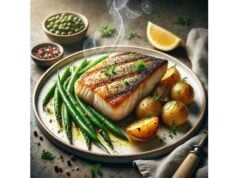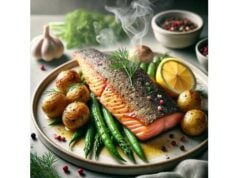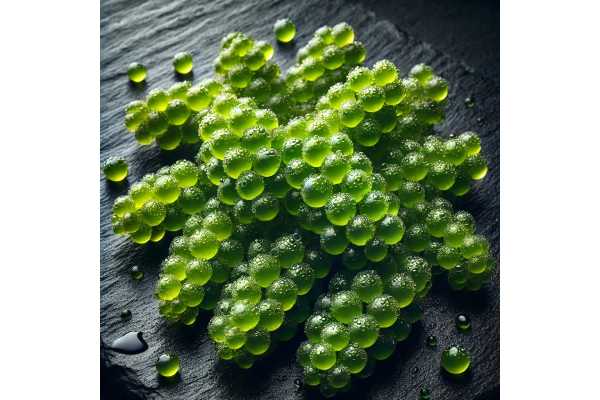
Sea grapes—also called “green caviar” and known to scientists as Caulerpa lentillifera—are a crisp, bead-like green seaweed prized across Okinawa, the Philippines, Indonesia, and coastal Australia. Eaten raw for their salty pop or quickly blanched to mellow the brine, they deliver hydration, minerals, and umami while adding almost no calories. As a farmed sea vegetable, sea grapes can be grown with modest inputs, help absorb nutrients from seawater, and provide a climate-friendly crop when responsibly managed. In the kitchen, they shine as a garnish over grilled fish, a texture-boost in salads and poke, or a luxurious accent for chilled noodles. Interest in sea grapes has surged thanks to their refreshing snap, gentle ocean flavor, and promising bioactive compounds now being studied for wellness. This guide walks through the nutrition profile, evidenced benefits, safety concerns, sustainable sourcing, and simple methods to prepare sea grapes at home.
At a Glance
- Low-calorie sea vegetable with minerals (iodine, magnesium) and fiber per 100 g fresh.
- Briny crunch adds salt and umami; brief rinsing or blanching reduces sodium.
- Typical serving: 50–80 g fresh, 1–2 times per week alongside varied seafood and vegetables.
- Safety note: high iodine and sodium; pregnant people and those with thyroid or blood pressure concerns should moderate.
- Avoid if you have a confirmed seaweed allergy or are advised to limit iodine.
Table of Contents
- Detailed Overview
- Nutrition Profile
- Evidence-Based Health Benefits
- Risks, Allergies and Interactions
- Selecting, Quality, Sustainability and Storage
- Preparation, Cooking and Nutrient Retention
- Portions, Comparisons and FAQs
Detailed Overview
Sea grapes are a cultivated green macroalga native to tropical Indo-Pacific waters. The “grapes” are tiny, fluid-filled vesicles that line slender fronds, creating the signature snap—similar to tobiko or fresh caviar—when bitten. In local cuisines, fresh clusters are served on ice with calamansi or citrus, dipped in soy and vinegar, tossed with tomatoes and onions, or folded into chilled noodle salads. Their appeal is twofold: a clean ocean aroma with bright salinity and a juicy pop that contrasts creamy or fatty dishes.
From a nutrition standpoint, sea grapes are mostly water and provide modest energy with trace protein, minimal fat, and small amounts of digestible carbohydrate alongside dietary fiber. Their standout nutrients are minerals naturally concentrated from seawater—particularly iodine, magnesium, calcium, and potassium—plus vitamin C and a spectrum of antioxidant phenolics and sulfated polysaccharides typical of green algae. Because mineral content depends on salinity, season, and post-harvest rinsing, values vary; thoughtful preparation helps you tailor the saltiness and mineral load to your needs.
In aquaculture, sea grapes are farmed in coastal ponds and tanks, often integrated with finfish or shellfish operations to capture excess nutrients—an approach that can improve water quality when well managed. As a fast-growing sea vegetable that requires no arable land, soil tillage, freshwater irrigation, or synthetic fertilizer, they exemplify low-input, ocean-based agriculture. Responsible producers test for heavy metals and microbiological safety, harvest at peak crispness, and ship chilled.
Culinarily, think of sea grapes as a last-minute topping rather than a cooked vegetable. Heat causes beads to deflate and lose snap, so brief blanching (10–15 seconds) or a cool rinse is preferred. Their natural salinity makes them a built-in seasoning: pair with mild tofu, avocado, cucumbers, raw or lightly cured fish, or sweet fruit (mango, pear) to balance brine with creaminess or sweetness. A drizzle of neutral oil (or sesame for a toasty accent) helps carry aromatic compounds and rounds the flavor.
Finally, sea grapes’ bioactive profile is attracting research interest. Early laboratory and animal studies suggest antioxidant, anti-inflammatory, and metabolic effects consistent with other edible seaweeds. While preliminary, this supports enjoying sea grapes as part of a varied diet rich in seafood, vegetables, and whole grains.
Nutrition Profile
How to read these tables: Values reflect typical fresh, raw sea grapes prepared by rinsing and draining. Natural variation is large across regions and seasons. Use the numbers as representative rather than absolute; when moderating sodium or iodine, apply the safety guidance in later sections.
Daily Values (%DV) are based on U.S. adult DVs (energy 2,000 kcal; sodium 2,300 mg; calcium 1,300 mg; iron 18 mg; potassium 4,700 mg; iodine 150 µg; vitamin C 90 mg, etc.).
Per 100 g fresh (rinsed, drained): Macros & Electrolytes
| Nutrient | Amount | %DV |
|---|---|---|
| Energy | 15 kcal | — |
| Water | 95 g | — |
| Protein | 0.8 g | 2% |
| Total fat | 0.2 g | 0% |
| Carbohydrate | 3.1 g | 1% |
| Dietary fiber | 1.0 g | 4% |
| Sugars | 0.0 g | — |
| Sodium | 520 mg | 23% |
| Potassium | 110 mg | 2% |
| Magnesium | 30 mg | 7% |
| Calcium | 40 mg | 3% |
Fats & Fatty Acids (per 100 g)
| Component | Amount |
|---|---|
| Saturated fat | 0.03 g |
| Monounsaturated fat | 0.04 g |
| Polyunsaturated fat | 0.06 g |
| Omega-3 (ALA, SDA, minor LC-PUFA) | ~0.03 g |
Vitamins (per 100 g)
| Vitamin | Amount | %DV |
|---|---|---|
| Vitamin C (ascorbic acid) | 8 mg | 9% |
| Vitamin A (RAE) | 50 µg | 6% |
| Folate (DFE) | 30 µg | 8% |
| Vitamin K | 22 µg | 18% |
| Vitamin B12 | 0.0–0.2 µg (variable) | 0–8% |
Minerals & Trace Elements (per 100 g)
| Mineral | Amount | %DV |
|---|---|---|
| Iodine | 150 µg (typical) | 100% |
| Iron | 1.5 mg | 8% |
| Zinc | 0.3 mg | 3% |
| Copper | 0.04 mg | 4% |
| Manganese | 0.1 mg | 4% |
Bioactives / Phytonutrients
- Sulfated polysaccharides (e.g., ulvan-like fractions), phenolics, chlorophylls, carotenoids (lutein/β-carotene), and small amounts of phytosterols.
- Composition fluctuates with light exposure, salinity, and post-harvest handling.
Allergens & Intolerance Markers
- Seaweed proteins can trigger rare seaweed allergies.
- High sodium and iodine are the key dietary constraints for sensitive individuals.
Contaminants / Residues (contextual)
- As with other seaweeds, cadmium, arsenic, and microplastics can be detectable depending on growing waters and processing. Purchase from producers who publish periodic lab tests and adhere to regional limits; rinse and soak to reduce surface salt and sand.
Footnote: Nutrient values reflect unfortified, fresh sea grapes. Packaged products may include desalting steps or seasonings that alter sodium and micronutrient levels.
Evidence-Based Health Benefits
1) Supports iodine adequacy and thyroid hormone synthesis
Sea grapes naturally concentrate iodine from seawater. For most adults without thyroid disease, an occasional 50–100 g serving can help meet daily iodine needs that support the thyroid in producing T3 and T4. Because seaweed iodine can vary widely, moderation and variety remain wise.
2) Contributes minerals and mild alkalinity
Magnesium, calcium, and potassium in sea grapes complement intake from legumes, dairy, and fruits. Although absolute amounts per serving are modest, the combination with very low calories gives sea grapes a favorable nutrient density. In mixed meals—think tofu, edamame, cucumbers, and citrus—they provide both taste and mineral diversity.
3) Adds fiber and hydration
Sea grapes are ~95% water with soluble and insoluble fibers that may help soften stool and modestly slow post-meal glucose rise when eaten as part of a balanced plate. Their succulence encourages mindful, slower eating and naturally boosts water intake.
4) Early evidence for metabolic support
Preclinical studies using sea grape extracts have shown effects consistent with improved lipid handling and insulin sensitivity in models of diet-induced metabolic stress. While extracts are not the same as food, these findings align with broader seaweed research on sulfated polysaccharides and polyphenols that may modulate inflammation and oxidative stress.
5) Culinary pathway to lower-sodium cooking
Paradoxically, strategic use of a salty ingredient can reduce overall salt. Because sea grapes deliver salt + glutamates + texture, small amounts can replace heavier shakes of table salt. Rinse or short-soak first to remove surface brine, then use a measured handful to season larger bowls of unsalted vegetables or noodles.
6) Sustainable seafood synergy
As a low-input ocean crop, sea grapes pair well with sustainable fish and shellfish. Integrated sea farms can recycle nutrients and diversify income for coastal communities. Choosing farmed sea grapes from verified operations supports these circular practices.
What this does not mean
Sea grapes are not a cure or treatment for disease. Their benefits are best realized as part of a diverse pattern—plenty of vegetables and fruits, seafood, whole grains, legumes, and regular movement.
Risks, Allergies and Interactions
Iodine load and thyroid considerations
- Sea grapes can supply around a day’s iodine in 100 g fresh, but levels vary by harvest water and desalting. Too much iodine—especially from frequent, high-iodine seaweeds—may aggravate thyroid disorders.
- People with Hashimoto’s thyroiditis, Graves’ disease, a history of thyroid surgery, or those on levothyroxine should discuss seaweed intake with their clinician. For most, 50–80 g fresh once or twice weekly is a conservative rhythm.
Sodium management
- Fresh sea grapes taste salty because of surface brine. A 1–2 minute rinse and 10–15 second blanch in unsalted water can substantially reduce sodium and grit while preserving snap. Use them as a garnish, not the bulk of a dish, if you manage blood pressure or fluid retention.
Heavy metals and microplastics
- Like other seaweeds, sea grapes can accumulate cadmium and other metals from local waters and may capture microplastics. Choose brands or farms that publish contaminant testing and comply with regional limits; avoid wild-harvests from polluted areas. Rinsing removes sand and surface residues but does not eliminate bound metals—sourcing is key.
Allergy and intolerance
- Primary allergy to seaweed is rare but documented. Symptoms may include hives, itching, swelling, or wheeze; seek care immediately if they occur. Cross-reactions with other seafood are uncommon because seaweed is not shellfish, but individuals with multiple food allergies should introduce cautiously.
Medication and nutrient interactions
- High-iodine foods can interact with amiodarone and iodinated contrast exposure; coordinate timing and intake with your care team.
- Seaweed fiber may bind small amounts of minerals and drugs in the gut; taking medications at a different time from a large seaweed meal is prudent.
Food safety
- Consume fresh, refrigerated sea grapes promptly. Discard if beads appear collapsed, slimy, or sour. Keep raw sea grapes separate from raw meats and thoroughly wash prep surfaces.
Selecting, Quality, Sustainability and Storage
What to look for at purchase
- Plump, firm beads tightly spaced along bright green stems; avoid yellowing or mushy fronds.
- Clean ocean scent, not sour or fishy.
- Producer transparency: origin, harvest date, and mention of desalting, testing for metals/microbes, or quality certifications.
- Packaging types include fresh chilled, salted (to rehydrate and desalt before use), and vacuum-packed. Salted forms last longer but require soaking.
Sustainability lens
- Favor farmed sea grapes from operations that:
- Monitor water quality and avoid sensitive habitats.
- Publish periodic lab tests (metals, pathogens).
- Use integrated multi-trophic aquaculture (IMTA) where possible to reuse nutrients.
- Because sea grapes need no freshwater irrigation or fertilizers and grow rapidly, their footprint can be lower than many land vegetables per serving. Shipping and cold-chain handling remain the main impacts—buy local/regional when possible.
Storage tips
- Fresh chilled: Keep between 4–8 °C (39–46 °F). Do not submerge for long periods in plain water (beads collapse). Hold on a damp paper towel in a ventilated container. Eat within 2–3 days.
- Salted/dry-salted: Store sealed at cool room temperature away from light. Before use, rinse, then soak 3–5 minutes in cold water until beads plump; drain well.
- Vacuum-packed: Refrigerate unopened; use within label date. Once opened, treat as fresh.
Quality troubleshooting
- Beads deflate after rinsing: Water is too warm or soaking too long—use colder water and shorter dips.
- Excess brine: Rinse, then 10–15 second blanch in unsalted, barely simmering water; immediately chill.
- Sandy texture: Rinse under gentle running water while agitating fronds; inspect base of stems where sand collects.
Preparation, Cooking and Nutrient Retention
Sea grapes are best raw or barely blanched. Heat collapses beads and dulls color. Use them as a finishing element for texture and ocean brightness.
Basic prep (for fresh or rehydrated salted sea grapes)
- Rinse under cold running water for 30–60 seconds to remove sand and excess brine.
- Optional: Blanch 10–15 seconds in barely simmering unsalted water; transfer to ice water and drain thoroughly.
- Dry gently on a towel; keep chilled until serving.
Flavor-building principles
- Contrast brine with fat or acid: avocado, silken tofu, olive or sesame oil, citrus, rice vinegar.
- Highlight crunch: add at the table to hot rice, miso soup, or grilled fish—let the residual heat wake aromas without cooking the beads.
- Use sparingly as seasoning: a small handful seasons a whole salad bowl; taste before adding salt.
Applications
- Lime–tomato salad: tomatoes, cucumbers, red onion, sea grapes, lime, a touch of sugar, and neutral oil.
- Green caviar poke: steamed rice or quinoa, diced raw tuna or tofu, edamame, mango, sea grapes, scallions, and yuzu or citrus-soy dressing.
- Chilled somen with sea grapes: noodles with a light tsuyu; top with grated ginger, shiso, and a nest of sea grapes.
- Sea grape tartine: toasted bread, labneh or ricotta, sliced pear, sea grapes, lemon zest, and black pepper.
Retaining nutrients and managing sodium
- Short rinses lower surface salt with minimal mineral loss; prolonged soaking can leach iodine and potassium if that is your goal.
- Blanching reduces microbial risk and sodium but also softens texture—keep it brief.
- Dressings with vitamin C-rich citrus may enhance iron absorption from plant foods served alongside.
What not to do
- Do not cook sea grapes in boiling water or hot pans for long periods—beads collapse and texture is lost.
- Avoid long soaks in plain water unless intentionally lowering iodine for medical reasons under guidance.
Portions, Comparisons and FAQs
Suggested portion and frequency
- Portion: 50–80 g fresh (roughly a loose cup of fronds) as a garnish or side.
- Frequency: 1–2 times weekly fits well for most healthy adults when overall iodine and sodium intake are balanced across the week.
How do sea grapes compare to other seaweeds?
- Versus nori (red): nori sheets are denser in protein and certain B-vitamins but lack the fresh, juicy texture of sea grapes.
- Versus wakame (brown): wakame offers more soluble fiber (fucoidan) and often more calcium per cooked serving; sea grapes deliver a unique crunch and are typically eaten raw.
- Versus land salads: sea grapes contribute oceanic flavor, minerals, and hydration with very few calories; they replace part of the salt you might otherwise add.
Can children eat sea grapes?
- In small amounts, yes—especially after rinsing to reduce sodium. Beads can be a choking hazard for toddlers; chop finely or avoid for children under 4.
Are they vegetarian and halal/kosher friendly?
- Yes. Sea grapes are plant-based. As always, check packaged seasonings for fish sauces or alcohol-containing mirin in prepared dishes.
Can I lower iodine and sodium at home?
- Yes. Rinse well and briefly blanch, then shock in ice water. This lowers surface brine and some iodine. Pair with unsalted foods and acids (lime) to keep flavor vivid without more salt.
Do sea grapes contain vitamin B12 like some seaweeds?
- B12 in green seaweeds is inconsistent and may reflect inactive analogs. Do not rely on sea grapes as a B12 source if you follow a vegan diet—use fortified foods or supplements as advised.
What if I am pregnant or lactating?
- Sea grapes can be included in modest portions after a rinse/blanch, factoring iodine from prenatal vitamins and other foods. If your supplement already contains full iodine, keep seaweed servings small and infrequent unless your clinician advises otherwise.
Shelf life once opened?
- Fresh, refrigerated sea grapes are best within 48–72 hours. Salted forms rehydrate within minutes but should be eaten the same day for best snap.
References
- Scientific Opinion on Dietary Reference Values for iodine 2014 (Guideline)
- Effects of seaweed intake on microbial metabolite production: a systematic review 2024 (Systematic Review)
- Anti-obesity and lipid-lowering effects of sea grapes (Caulerpa lentillifera) in rats fed a cholesterol- and coconut oil-rich diet 2020
- Differential concentration of phthalates, microplastics, and an array of heavy metals in edible seaweeds 2024
- Phytochemical composition and health properties of edible seaweeds from Papua 2025 (Review)
Disclaimer
This article is for general information and education. It does not provide medical advice and is not a substitute for professional diagnosis, treatment, or individualized nutrition counseling. Always speak with your healthcare professional about your specific health needs, medications, and how seaweed fits into your diet, especially if you have a thyroid condition, are pregnant, or need to manage sodium.
If you found this guide helpful, please consider sharing it on Facebook, X (formerly Twitter), or your favorite platform to support our work in creating reliable, reader-first nutrition resources.