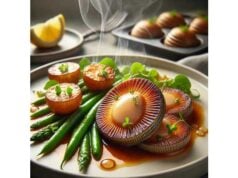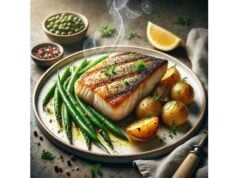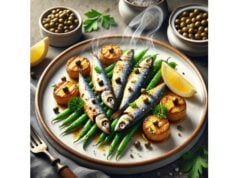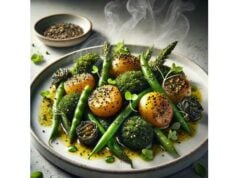
Sea kale (Crambe maritima) is a hardy coastal vegetable with a long culinary history along the Atlantic shores of Europe. Its pale spring shoots, traditionally blanched under pots, were prized like asparagus; the frilly leaves and tender flower buds cook much like kale and broccolini. As a wild halophyte—a plant adapted to salty environments—sea kale offers a crisp, mineral-forward flavor and a notable micronutrient profile rich in vitamin C, folate, and calcium. Gardeners also value it as a perennial brassica: once established, it sends up harvestable shoots each spring with minimal inputs, and its deep roots help stabilize sandy soils. In the kitchen, sea kale is versatile: shave raw leaves into salads, steam the shoots with butter and lemon, sauté the florets with garlic, or pickle the flower buds as a coastal “capers” stand-in. This guide explains what sea kale offers nutritionally, how it may benefit health, where risks lie, and how to select, store, cook, and portion it.
At a Glance
- Spring shoots and leaves provide vitamin C (≈24–56 mg/100 g) and folate (≈60–99 µg/100 g).
- Common serving: 75–100 g (about 1 packed cup leaves or 6–8 blanched shoots), 2–3 times weekly.
- Safety caveat: avoid foraging near polluted shorelines; halophytes can accumulate contaminants.
- People who should limit: those on low-iodine or low-sodium diets if intake is high; confirm with a clinician.
Table of Contents
- Detailed Overview
- Nutrition Profile
- Evidence-Based Health Benefits
- Risks, Allergies and Interactions
- Selecting, Quality, Sustainability and Storage
- Preparation, Cooking and Nutrient Retention
- Portions, Comparisons and FAQs
Detailed Overview
Sea kale is a perennial member of the cabbage family (Brassicaceae) native to shingle and sand dunes of Atlantic Europe. Botanically distinct from garden kale (Brassica oleracea), it thrives where few vegetables will, tolerating salt spray, wind, and poor soils. The plant forms thick, fleshy roots that overwinter and send up shoots in early spring. Gardeners often blanch these shoots with upturned pots or buckets to yield pale, tender spears that resemble asparagus in appearance and cooking behavior. As the season progresses, curly blue-green leaves emerge for harvesting, followed by clusters of small white flowers; the unopened flower buds and young seedpods are also edible.
Flavor is clean and savory with a hint of ocean minerality—think broccoli meets asparagus with a saline lift. Texture depends on the part used: shoots are crisp-tender; leaves are delicate when young and pleasantly firm when larger; flower buds cook like broccolini florets. Because sea kale is a halophyte, its mineral profile reflects coastal growing conditions. In controlled analyses of edible inflorescences, typical values per 100 g include vitamin C in the mid-tens of milligrams and meaningful amounts of folate, calcium, and magnesium. As with other wild and perennial vegetables, composition varies by season, plant part, and soil salinity, so ranges are more realistic than single fixed numbers.
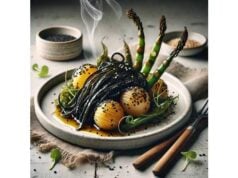
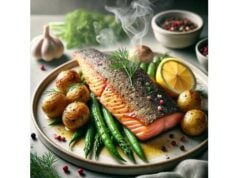
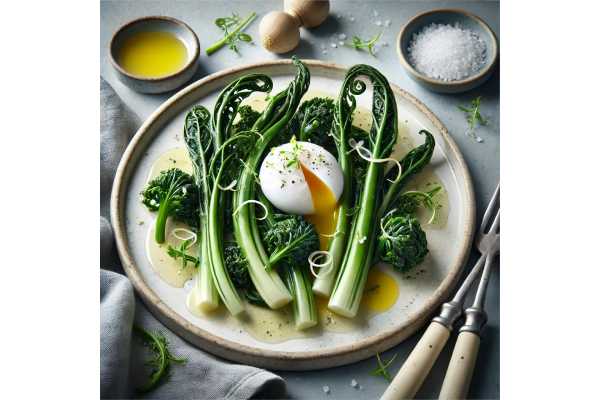
Culinary uses are broad. Serve blanched shoots with hollandaise; toss young leaves with citrus and olive oil; quickly steam the florets with butter and herbs; grill older leaves for a smoky side; or pickle buds for a briny garnish. Sea kale pairs well with lemon, mustard, capers, olive oil, new potatoes, spring onions, eggs, and seafood. It can play both starring and supporting roles—an elegant seasonal special or a nutrient-dense green folded into everyday meals.
From a sustainability perspective, sea kale shines: a perennial bed can produce for years, limiting tillage and fertilizer needs. If you forage, follow local rules and harvest modestly to protect fragile coastal habitats. If you garden, give plants a sunny, well-drained spot and mulch to suppress weeds; the crown appreciates winter protection in colder climates.
Nutrition Profile
How to read these tables
Values below are per 100 g edible portion and use adult Daily Values (DV) for context. Sea kale’s composition varies by plant part and environment; where ranges are shown, they reflect measured samples of edible flower clusters (inflorescences) grown without chemical inputs. Percent Daily Values are approximate.
Macros and Energy (typical for leafy brassicas)
Sea kale is very low in calories, with modest protein and carbohydrate and negligible fat. Because peer-reviewed macronutrient data specific to sea kale are limited, many cooks treat its macronutrient profile as comparable to tender brassica greens.
- Energy: ≈20–40 kcal
- Protein: ≈2–3 g
- Carbohydrate: ≈3–7 g (fiber contributes a portion of this)
- Fat: ≈0.3–0.7 g
- Sodium: variable by site and storage (halophyte effect)
Vitamins
| Nutrient (per 100 g) | Amount | %DV |
|---|---|---|
| Vitamin C (Ascorbic acid) | 24.4–55.7 mg | 27–62% |
| Folate (Dietary folate equivalents) | 60–99 µg | 15–25% |
| Vitamin A (Retinol activity equivalents, from provitamin A carotenoids; measured in one sample) | ≈1,220 µg RAE | ≈136% |
| Vitamin E (α-tocopherol) | trace–low | — |
| Vitamin K | data limited for sea kale; present in many brassicas | — |
Minerals
| Mineral (per 100 g) | Amount | %DV |
|---|---|---|
| Calcium | 96–125 mg | 7–10% |
| Magnesium | 21–31 mg | 5–8% |
| Iron | 0.8 mg (sample) | 4% |
| Zinc | 0.38 mg (sample) | 3% |
| Potassium | variable; not consistently reported | — |
Fiber and Plant Compounds
| Component | Amount (per 100 g) | Notes |
|---|---|---|
| Dietary fiber | ~3.3 g (sample) | Contributes to satiety and regularity. |
| Glucosinolates (GLS) | present | Brassica-typical sulfur compounds that convert to isothiocyanates; levels vary with season, stress, and preparation. |
Allergens and Intolerance Markers
| Marker | Relevance |
|---|---|
| Brassicaceae cross-reactivity | Rare; individuals with cabbage/mustard allergies may react. |
| FODMAPs | Raw brassicas can bother sensitive IBS sufferers; cooking reduces fermentable load. |
Footnote: Reported micronutrient values above reflect measured, unfortified plants; no additives used in analyses referenced. Natural variability is expected across wild and cultivated lots.
Evidence-Based Health Benefits
1) Supports immune health with vitamin C
Sea kale’s vitamin C—a typical 24–56 mg per 100 g—contributes meaningfully to daily needs. Vitamin C aids normal immune function and collagen formation and enhances non-heme iron absorption from plant foods. Because it is water-soluble and heat-sensitive, gentle cooking helps preserve it (see cooking section).
2) Provides folate for cell renewal
Each 100 g serving delivers roughly 60–99 µg of folate (15–25% DV). Folate supports DNA synthesis and cell division—key during growth, pregnancy, and tissue repair. Pairing sea kale with legumes or whole grains builds a folate-rich plate.
3) Delivers glucosinolates, a hallmark of brassicas
Like other cabbage-family vegetables, sea kale contains glucosinolates. When plant tissue is chopped, chewed, or lightly cooked, the enzyme myrosinase can form bioactive isothiocyanates. Research on brassica vegetables links these compounds to cellular defense pathways (e.g., Nrf2 activation) and suggests potential roles in cardiometabolic and chemoprotective mechanisms. Cooking choices influence the formation and retention of these molecules; light steaming often outperforms boiling for preserving them.
4) Gentle on the planet and diet quality
As a perennial that thrives in marginal coastal soils, sea kale can diversify gardens and local food systems with fewer inputs. Dietary patterns rich in vegetables—including brassicas—are consistently associated with better overall diet quality and long-term health markers. Sea kale’s mineral density and fiber add to those advantages without adding many calories.
5) Practical culinary benefits
Blanched shoots cook in minutes and hold shape on the plate; young leaves bring texture to salads; flower buds sauté quickly like broccolini. This versatility makes it easier to meet weekly vegetable targets: add to pasta, fish, eggs, and grain bowls without menu fatigue.
Risks, Allergies and Interactions
Foraging and environmental contaminants
Halophytes can take up minerals and, in polluted sites, may accumulate heavy metals or other residues. Avoid harvesting near marinas, storm outlets, industrial shores, or areas with advisories. Choose clean coasts, or grow your own.
Iodine and sodium considerations
Sea kale is a land vegetable, not seaweed; its iodine content is generally far lower than kelps. Still, coastal soils and sea spray can raise iodine and sodium modestly. People on low-iodine or low-sodium diets should keep portions moderate and vary greens through the week.
Goitrogens and thyroid health
Brassicas contain compounds that can interfere with iodine uptake if eaten in very large amounts uncooked. Normal culinary portions—especially when cooked and in the context of adequate iodine intake—are not a concern for most people with healthy thyroids. Individuals with diagnosed thyroid disorders should follow personalized guidance.
Allergy and GI tolerance
Allergies to cabbage-family plants are uncommon but possible. Those with mustard or cabbage allergies should introduce sea kale cautiously. Raw brassicas can cause gas in sensitive IBS patterns; brief steaming or sautéing and smaller portions often help.
Medication interactions
Vitamin K content is not well characterized for sea kale shoots and buds; many brassicas do contain vitamin K, which can interact with warfarin dosing. If you use warfarin, keep leafy green intake consistent and consult your clinician for INR monitoring.
Food safety
As with other greens, wash thoroughly to remove sand and grit. Keep chilled after harvest; use within a few days or blanch and freeze for later use. When fermenting or pickling the buds, follow tested recipes and salt concentrations.
Selecting, Quality, Sustainability and Storage
Choosing the best
- Shoots: Look for firm, pale spears 10–20 cm long with tight tips. Avoid limp or greened shoots (over-exposed to light during forcing).
- Leaves: Choose small to mid-size frilly leaves that are crisp and blue-green; thick, very mature leaves can be fibrous unless braised.
- Flower buds (florets): Seek tight, bright clusters without yellowing.
Sourcing responsibly
- Cultivated: Prefer farmed or homegrown sea kale to protect fragile wild dunes. Perennial beds can produce for many seasons, reducing soil disturbance.
- Foraged: If legal in your area, harvest sparingly—never uproot crowns; take only a small portion from abundant stands, and avoid protected sites.
Storage
- Refrigeration: Wrap unwashed leaves and shoots in a breathable bag; store in the crisper 2–4 days.
- Freezing: Blanch shoots and leaves 1–2 minutes, chill in ice water, drain, and freeze for up to 8 months.
- Pickling: Flower buds hold texture when quick-pickled; refrigerate and use within several weeks.
- Drying: Not typical for sea kale; if drying, expect vitamin C losses. Frozen or pickled preparations better protect nutrients.
Seasonality
- Shoots: Early to mid-spring (forced shoots come earliest).
- Leaves: Spring through summer with best tenderness in spring.
- Buds: Late spring to early summer before flowers open.
Environmental notes
As a perennial, sea kale improves resilience in coastal gardens, stabilizing light soils with its deep rootstock. Mulch to conserve moisture and deter weeds; avoid synthetic fertilizers near waterways. In containers, choose large, well-drained pots and a sunny aspect.
Preparation, Cooking and Nutrient Retention
Cleaning and prep
- Shoots: Trim tough bases; keep tips intact.
- Leaves: Rinse well, spin dry; stack and slice for quick wilting or leave whole for braising.
- Buds: Rinse in a colander; shake free of sand.
Best cooking methods for nutrients
Water-soluble nutrients such as vitamin C and some glucosinolates leach into boiling water. To retain more, favor steaming, microwaving, or quick sautéing. Gentle steaming often preserves glucosinolates better than boiling and maintains a pleasant bite. If you prefer boiling for shoots, keep time brief, use minimal water, and serve with the cooking liquid when possible (e.g., as a sauce base).
Technique playbook
- Light steam (shoots and buds): 3–5 minutes until crisp-tender. Finish with butter, olive oil, or lemon.
- Quick sauté (leaves or buds): 2–4 minutes in a hot pan with garlic and oil; deglaze with a splash of stock or wine.
- Blanch and shock (shoots): 1–2 minutes in boiling water, ice bath, then grill or pan-sear for char and flavor.
- Braise (mature leaves): 15–25 minutes with aromatics, stock, and a lid; add vinegar or mustard at the end for balance.
- Pickle (buds): Pack warm brine (3–5% salt plus vinegar) over cleaned buds; chill 24 hours before serving.
Retention tips you can use tonight
- Cut just before cooking to limit vitamin C oxidation.
- Keep total heat time short; stop at crisp-tender.
- Pair with a vitamin C-friendly method (steam or microwave) and avoid prolonged boiling.
- Add a little fat (olive oil, butter) to help absorb fat-soluble carotenoids when present.
- Serve with iron-rich foods (beans, lentils) to leverage vitamin C’s boost to iron absorption.
Flavor partners
Lemon, capers, dill, chives, tarragon, brown butter, Dijon mustard, new potatoes, poached eggs, white fish, smoked mackerel, anchovy, crème fraîche, toasted almonds, and hazelnuts.
Portions, Comparisons and FAQs
Suggested serving sizes
- Everyday portion: 75–100 g (about 1 packed cup sliced leaves or 6–8 short shoots).
- Weekly frequency: 2–3 servings of sea kale within a mixed rotation of greens and brassicas.
Who benefits most?
- Vegetable-light eaters seeking a flavorful entry point to leafy greens.
- Pregnant individuals (folate), within an overall prenatal plan.
- Coastal gardeners wanting a perennial, low-input crop.
Who should limit or ask a clinician first?
- People with thyroid disease who consume large amounts of raw brassicas.
- Those on warfarin who must keep vitamin K intake consistent.
- Individuals on low-sodium or low-iodine diets when sea kale is a frequent, large-portion choice.
- Anyone foraging in uncertain or polluted environments.
How does sea kale compare to…
- Garden kale: Similar brassica family benefits; sea kale shoots are milder and more asparagus-like than curly kale leaves.
- Broccolini: Comparable cooking uses for buds; sea kale’s flavor is more mineral and coastal.
- Sea beet (Beta spp.): Sea beet leaves are spinach-like; sea kale is firmer and more cabbage-leaning.
- Asparagus: Similar presentation for blanched shoots; sea kale offers brassica aromatics and vitamin C rather than asparagus’s distinctive asparagusic notes.
Answers to common questions
- Is sea kale the same as seaweed? No. Sea kale is a land plant (a coastal cabbage), not a marine alga.
- Can I eat it raw? Yes—young leaves are good raw; shoots and buds are best lightly cooked.
- Does it regrow after cutting? Yes. As a perennial, it pushes successive leaves; harvest modestly to keep the crown vigorous.
- Can I grow it in containers? Yes, in large pots with sharp drainage and full sun.
- Is it sustainable to forage? Only where legal and abundant. Never uproot crowns; take small amounts and leave plenty for pollinators and plant regeneration.
References
- Evaluation of Nutritional and Bioactive Profiles of Alternative Specialty Vegetables 2021 (Report)
- Risks for public health related to halophytes consumed as food 2023 (Assessment)
- Crambe maritima L. (sea kale) 2021 (Biological Flora Account)
- Cultivation of the Perennial Vegetable Crambe maritima (Sea Kale) 2015 (Horticultural Study)
- Influence of Cooking Methods on Glucosinolates and Glucosinolate-Derived Compounds 2019 (Systematic Review)
Disclaimer
This article is for general education and is not a substitute for personalized medical advice, diagnosis, or treatment. Nutrient needs and health considerations vary widely. If you have a medical condition (including thyroid disease or coagulation disorders), are pregnant or breastfeeding, take prescription medications (such as warfarin), or plan to forage wild foods, consult a qualified health professional before making dietary changes. If you suspect contamination at a harvest site, do not consume the plant.
If you found this guide useful, please consider sharing it with friends or colleagues on Facebook, X (formerly Twitter), or any platform you prefer. Your support helps us continue creating clear, high-quality nutrition content.