Sea palm (Postelsia palmaeformis) is a distinctive brown seaweed native to the wave-swept Pacific coast of North America. Chefs prize its subtly briny, sweet-umami taste and tender crunch, which holds up in quick sautés, noodle dishes, and sea-vegetable salads. Like other edible seaweeds, sea palm delivers minerals that many diets lack—especially iodine—as well as fiber and unique polysaccharides (such as alginates) that behave like gentle prebiotics. Although fresh sea palm is rare outside specialty coastal markets, dried strips and flakes are increasingly available from sustainable harvesters. Because sea palm grows in a narrow intertidal band and is sensitive to overharvest, responsible sourcing is essential. If you enjoy kombu, wakame, or nori, sea palm offers a more delicate texture with similar culinary versatility. This guide explains what to know—from nutrition and evidence-based benefits to sustainability, safe preparation, and sensible portions.
Fast Facts
- Provides iodine for thyroid support and soluble fiber for gut health.
- Potential contaminants (e.g., arsenic, cadmium) vary by species and waters; choose tested, reputable sources.
- Typical serving: 10–20 g dried (about ½–1 cup rehydrated), one to three times per week.
- People with thyroid disease, on iodine-containing supplements, pregnant, or on thyroid meds should limit high-iodine seaweeds and seek clinical advice.
Table of Contents
- Sea palm detailed overview
- Sea palm nutrition profile
- Sea palm health benefits
- Risks, allergies and interactions
- Buying, sustainability and storage
- Cooking and nutrient retention
- Portions, comparisons and FAQs
Sea palm detailed overview
Sea palm is a cold-water brown alga in the kelp order (Laminariales). It thrives only where surf is strong and rocks are clean, forming small “groves” of palm-like fronds on exposed headlands from central California to British Columbia. In season, the young, tender fronds develop a mild, sweet ocean flavor with notes of green bean and shiitake. Unlike leathery kelps used mainly for stocks (kombu), sea palm is palatable as a vegetable—great briefly blanched and dressed, or flash-seared like green beans.
Availability and forms
- Fresh fronds: Short season, sold near the harvest areas. Best for quick cooking.
- Dried strips/flakes: Shelf-stable, easy to ship, and ideal for stocks, salads, stir-fries, and breading mixes.
- Powder: For seasoning salt substitutes or smoothie pinches (iodine-dense—use sparingly).
Culinary profile
- Texture: Crisp-tender when briefly cooked; pleasantly chewy when dried and rehydrated.
- Flavor: Briny and umami without pronounced fishiness; complements citrus, sesame, ginger, miso, mushrooms, and toasted nuts.
- Techniques: Soak (to rehydrate and reduce salinity), blanch (10–30 seconds), sauté/stir-fry, grill, or add late to soups for snap.
Nutrition and diet patterns
Sea palm is low-calorie, low-fat, and naturally sodium-containing but still far less salty per serving than soy sauce or miso. Like other brown seaweeds, it provides soluble fiber (alginates and laminarins), small amounts of plant protein, and a spectrum of minerals—most notably iodine, magnesium, calcium, and iron. Many consumers use sea vegetables a few times per week to add variety and trace nutrients to pescetarian, flexitarian, or plant-forward diets.
Sourcing note
Because Postelsia grows in limited habitats and populations are vulnerable to overharvest, choose products from licensed, science-based harvests or aquaculture, and avoid foraging unless you are fully aware of local regulations and protected areas. Responsible producers test lots for heavy metals and provide batch traceability.
Sea palm nutrition profile
Values below use commonly analyzed brown seaweeds (kelp/wakame) as reasonable proxies when species-specific data are unavailable for sea palm. Composition varies widely by species, season, and waters. Where ranges vary too much (e.g., iodine), a note is provided.
Macros & Electrolytes (per 100 g, raw seaweed)
| Nutrient | Amount | %DV* |
|---|---|---|
| Energy | 45 kcal | — |
| Water | 80 g | — |
| Protein | 3.0 g | 6% |
| Total fat | 0.6 g | 1% |
| Carbohydrate | 9.1 g | 3% |
| Dietary fiber | 1.3 g | 5% |
| Sodium | 230 mg | 10% |
| Potassium | 180 mg | 4% |
*Daily Values (DV): adult reference intakes; percent DV rounded.
Vitamins (per 100 g, raw brown seaweed)
| Vitamin | Amount | %DV |
|---|---|---|
| Vitamin A (RAE) | 5 µg | 1% |
| Vitamin C | 3 mg | 3% |
| Folate (DFE) | 85 µg | 21% |
| Vitamin K | 2 µg | 2% |
Minerals (per 100 g, raw brown seaweed)
| Mineral | Amount | %DV |
|---|---|---|
| Calcium | 150–170 mg | 12–13% |
| Magnesium | 120 mg | 29% |
| Iron | 2.5–3.0 mg | 14–17% |
| Zinc | 0.4 mg | 4% |
| Manganese | 0.2 mg | 9% |
Iodine (per 100 g)
- Highly variable (species, season, waters, processing). Commercial seaweeds have been measured from ~16 µg/g to nearly 3,000 µg/g (dry weight). Because sea palm is a brown seaweed, its iodine can be high; soaking and blanching reduce levels.
- %DV benchmark: Adult DV is 150 µg/day. A small serving of some brown seaweeds can exceed the DV—see Safety and Portions sections for practical guidance.
Fats & Fatty Acids (per 100 g, raw)
| Fatty Acid | Amount |
|---|---|
| Saturated fat | 0.1 g |
| Monounsaturated fat | 0.1 g |
| Polyunsaturated fat | 0.2 g |
| Omega-3 (ALA/EPA trace) | ~0.05–0.1 g |
Protein & Amino Acids
Seaweeds provide 1–3 g protein/100 g raw with a broad amino acid spread; total protein density increases after drying. Pairing with grains or tofu yields complete amino acid coverage in meals.
Bioactives/Phytonutrients
- Fucoxanthin (carotenoid): Pigment associated with antioxidant activity.
- Alginates, laminarins, fucoidans: Soluble fibers that may support satiety, glycemic control, and gut health.
Footnote: Values reflect typical raw brown seaweeds used as proxies; iodine varies widely, so %DV is not shown for that nutrient in table format. Processing (drying, soaking, blanching) changes nutrient levels—see Section 6.
Sea palm health benefits
1) Nutrient density with minimal calories
A small portion adds minerals—especially iodine, magnesium, and iron—along with soluble fiber, while contributing little energy or saturated fat. For people limiting sodium, controlled soaking and brief blanching further reduce salt content without erasing flavor.
2) Thyroid-relevant iodine (with caveats)
Iodine is essential for making thyroid hormones. Many diets provide inconsistent iodine, depending on iodized salt use and dairy intake. A modest seaweed serving can contribute meaningfully to daily iodine; however, excess intakes can disrupt thyroid function in susceptible individuals. The goal is moderation and variability—not daily large portions.
3) Soluble fiber and gut support
Brown seaweeds supply alginates and laminarins, viscous fibers that help form softer gels in the gut. These can slow gastric emptying, enhance fullness in meals (useful for appetite control), and provide fermentable substrates for colonic bacteria. People with sensitive digestion usually tolerate small amounts well when introduced gradually with adequate fluids.
4) Metabolic and cardiovascular markers
Human and animal studies on edible seaweeds and isolated fucoidans report trends toward lower post-meal glucose, modest LDL-cholesterol reductions, and anti-inflammatory signaling. While results vary and dose/formulations differ, regularly using sea vegetables in place of higher-sodium condiments or high-fat sides supports overall cardiometabolic patterns.
5) Micronutrient diversity for plant-forward diets
Plant-based eaters who avoid dairy and eggs may welcome sea vegetables for iodine and iron. Seaweed iron is non-heme; pairing with vitamin-C-rich ingredients (citrus, peppers) can aid absorption. Magnesium and small amounts of zinc add further breadth.
6) Culinary substitution and sodium strategy
Chopping rehydrated sea palm into salads, grain bowls, or stir-fries delivers savory depth (natural glutamates) so you can season with less added salt. A teaspoon of seaweed flakes, used like an herbal salt, often replaces ¼–½ teaspoon of table salt in dressings or rubs.
Practical bottom line: Eat sea palm as an occasional mineral-rich vegetable—delicious and useful in rotation with other seaweeds—rather than a daily iodine supplement.
Risks, allergies and interactions
Iodine excess and thyroid effects
- Some brown seaweeds are extremely iodine-dense. Regular large servings can exceed the 150 µg/day adult DV by many fold. Excess iodine may trigger hypo- or hyper-thyroid symptoms in sensitive people, especially those with autoimmune thyroid disease, older adults, or infants.
- Practical limits: Aim for 10–20 g dried sea palm per serving (about ½–1 cup rehydrated), no more than 1–3 times per week, unless your clinician advises otherwise. Avoid daily high-iodine seaweed snacks if you have thyroid disease or take thyroid medications.
Heavy metals and contaminants
- Seaweeds can accumulate inorganic arsenic, cadmium, lead, and mercury, depending on species and water quality. Reputable producers test harvests and provide certificates of analysis. Soaking and blanching lower some soluble contaminants (and iodine) but do not guarantee safety if the raw material is contaminated.
Allergies and cross-reactivity
- True seaweed allergy is rare but reported. Individuals with severe shellfish allergies sometimes worry about cross-reactivity; the allergens differ, but cross-contact can occur if processed in mixed seafood facilities. Choose certified, single-ingredient suppliers and read labels.
Sodium sensitivity
- Sea vegetables contain natural sodium. If you manage high blood pressure or must reduce sodium, rehydrate with two changes of water and blanch briefly; taste before salting dishes.
Medication considerations
- Thyroid medications (levothyroxine): Keep iodine intake consistent; large fluctuations can confound dose titration.
- Anticoagulants: Seaweeds contain variable vitamin K (generally low in brown species); keep intake pattern steady and inform your clinician if you eat sea vegetables regularly.
- Pregnancy and lactation: Iodine needs are higher, but excess iodine can harm maternal and fetal thyroid; avoid high-iodine seaweeds and discuss any seaweed supplements with your obstetric provider.
Foraging and legal status
- In many regions along the U.S. West Coast and British Columbia, unlicensed harvest of sea palm is restricted; commercial harvest is license-controlled with seasonal and method rules. Buy from permitted sources or aquaculture rather than wild-collecting.
Buying, sustainability and storage
How to choose quality sea palm
- Label transparency: Look for scientific name (Postelsia palmaeformis when applicable), harvest region, harvest date/season, and producer contact.
- Testing: Prefer brands that publish batch testing for heavy metals (arsenic, cadmium, lead, mercury) and list iodine awareness guidance.
- Form: Dried strips hold shape for salads and sautés; flakes and powders work as condiments. Avoid products that smell strongly of ammonia or taste harshly bitter.
Sustainability cues
- Permitted harvest: Coastal states regulate kelp harvests, often requiring licenses and limiting cutting to fronds only, seasonal windows, and conservative quotas to protect populations and habitats.
- Low-impact processing: Sun- or low-temperature drying preserves nutrients and reduces energy use.
- Diversify species: Rotate sea palm with cultivated species (e.g., Atlantic sugar kelp) to spread demand and reduce pressure on limited wild stands.
Storage and shelf life
- Dried: Store in an airtight container away from light and humidity; typical shelf life is 12–24 months. If clumping occurs, gently dry at low oven temperature (≤80 °C / 175 °F) to restore crispness.
- Rehydrated: Use within 1–2 days refrigerated; keep submerged in clean water and change water once.
- Frozen: Blanched sea palm freezes well for up to 3 months; drain thoroughly before freezing in portions.
Budget tips
- Buy larger bags of dried sea vegetables and share among friends. Because the product expands 3–6× on rehydration, a little goes a long way. Save soaking water (if not overly salty) to season grains or broths for extra umami.
Cooking and nutrient retention
Hydration and desalting
- Rinse briefly to remove surface salts and sand.
- Soak in cool water 5–10 minutes; change water once if desired.
- Taste: if still too saline, blanch 10–30 seconds in boiling water, then cool quickly. This step reduces iodine and sodium and softens texture.
Heat and texture
- Quick heat keeps snap. Stir-fry or sauté 1–3 minutes with aromatics (garlic, ginger, scallion) and a splash of citrus or rice vinegar to brighten.
- In soups: Add in the final 3–5 minutes to prevent over-softening.
- Grilling: Brush with neutral oil and grill over high heat 30–60 seconds per side; finish with sesame seeds and chile.
Flavor partners
- Acid (citrus, vinegar), toasted sesame, miso, soy/tamari (use lightly), mushrooms, toasted nuts, chilies, fresh herbs, and fermented elements (kimchi, pickled radish).
Retaining and balancing nutrients
- Iodine management: Soaking and short blanching lower iodine substantially while maintaining mineral variety and flavor—ideal for routine meals.
- Minerals: Some water-soluble minerals leach into cooking water; recover flavor and minerals by using the soaking or blanching liquid in broths (adjust for saltiness).
- Fat-soluble pigments: A small amount of oil in the pan enhances fucoxanthin uptake and mouthfeel.
Three quick applications
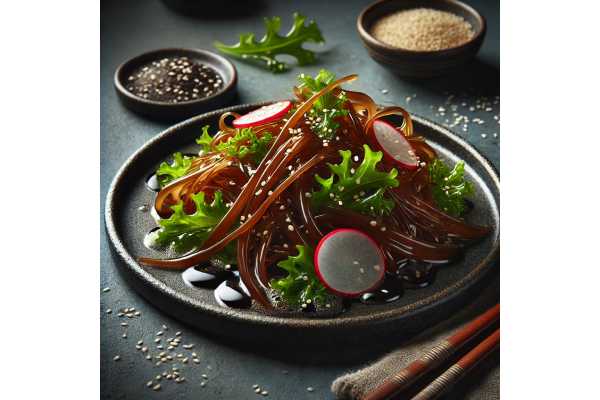
- Sea-palm sesame salad: Blanch 20 seconds; dress with lemon, rice vinegar, neutral oil, sesame seeds, and sliced cucumber.
- Crisp-tender stir-fry: Sauté with mushrooms and snap peas; finish with ginger and a few drops of soy/tamari.
- Brothy noodles: Add rehydrated strips to miso-ginger broth in the last minutes; top with scallion and soft-boiled egg (or tofu).
Food-safety handling
- Keep rehydrated seaweed refrigerated and use clean utensils to avoid spoilage. If an off-odor develops, discard.
Portions, comparisons and FAQs
How much sea palm is a sensible serving?
For most adults, 10–20 g dried (about ½–1 cup rehydrated) 1–3 times per week fits well within a varied diet, assuming no thyroid disorder and no additional high-iodine supplements.
How does sea palm compare with other seaweeds?
- Versus kombu (kelp): Sea palm is more tender and better as a vegetable; kombu excels for broths and can be very high in iodine.
- Versus wakame: Texture is similar, flavor slightly sweeter; wakame is more widely cultivated and often lower in iodine than kombu.
- Versus nori: Nori (red seaweed) is used for sheets and has lower iodine on average; sea palm offers a thicker bite and stronger mineral presence.
Can I eat sea palm every day?
Daily small pinches are unlikely to cause problems for healthy adults, but routine daily full servings are not advised due to iodine variability. Rotate sea vegetables and keep servings modest.
Is it safe during pregnancy?
Limit to occasional small portions and avoid high-iodine species. Because iodine needs and safety margins change in pregnancy and lactation, discuss seaweed intake with your obstetric provider.
Any tips for reducing saltiness?
Yes—double soak and briefly blanch. Use acid (lemon, vinegar) and aromatics to lift flavor instead of added salt.
Can children eat sea palm?
Small amounts folded into soups, rice, or omelets can be a fun way to introduce ocean flavors. Keep portions small and infrequent to avoid excess iodine, and avoid if there is a history of seaweed allergy.
What should I look for on labels?
Harvest location and date, scientific name, lot testing for heavy metals, and storage guidance. Choose suppliers that share test results and sustainable harvest practices.
References
- Risks and benefits of consuming edible seaweeds 2019 (Systematic Review)
- Seaweeds as a Functional Ingredient for a Healthy Diet 2020 (Systematic Review)
- Elevated Concentrations of Metal(loids) in Seaweed and Seagrass from Coastal Areas: A Review 2021 (Systematic Review)
- Iodine – Health Professional Fact Sheet 2022 (Guideline)
- Commercial Harvest of Kelp and Other Marine Algae 2024 (Guideline)
Disclaimer
The information in this article is for general education and is not a substitute for personalized medical advice, diagnosis, or treatment. Seaweed composition varies by species and harvest conditions. If you have thyroid disease, are pregnant or breastfeeding, take thyroid or blood-thinning medications, or have food allergies, seek advice from a qualified healthcare professional before changing your diet or using seaweed products regularly.
If you found this guide helpful, please consider sharing it with friends or colleagues on Facebook, X, or anywhere you connect online. Your support helps us continue creating practical, trustworthy nutrition content.