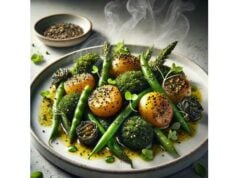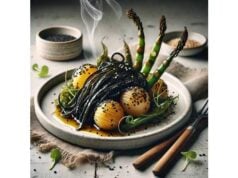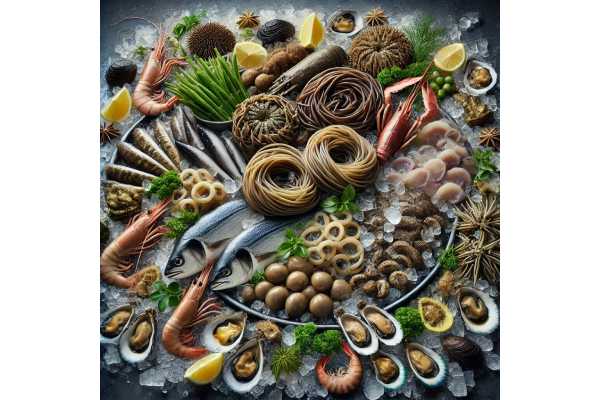
Sea spaghetti (Himanthalia elongata) is a naturally long, ribbon-like brown seaweed gathered from clean Atlantic coasts. After soaking or brief blanching, its strands look and twirl like pasta—yet bring almost no fat, modest calories, and a distinct set of minerals and bioactives you won’t find in wheat noodles. Per 100 g prepared (rehydrated), sea spaghetti is rich in iodine, a helpful source of magnesium and calcium, and supplies soluble fibers such as alginates and fucoidans that support satiety and gut health. Its flavor sits between the sea-briny snap of capers and the rounded umami of mushrooms, so it plays well in grain bowls, salads, and quick sautés. Because brown seaweeds can concentrate iodine and small amounts of heavy metals, smart buying and mindful portions matter. This guide covers the full picture—per-100 g nutrition with % Daily Value, evidence-based benefits, who should limit intake, and step-by-step ways to prepare sea spaghetti so it stays tender, vibrant, and nutrient-savvy.
Quick Overview
- Per 100 g prepared: roughly 20–40 kcal, 1–2 g protein, 3–7 g carbohydrate, and 2–6 g dietary fiber.
- Notable nutrients: iodine (variable, often high), magnesium, calcium, potassium, vitamin K, and polyphenols like phlorotannins.
- Safety: excess iodine and inorganic arsenic are the main concerns; rinse and blanch, choose tested products, and keep portions modest.
- Typical serving: 40–60 g prepared, 1–2 times weekly within a varied diet.
- Avoid or limit: people with iodine-sensitive thyroid disease, on low-iodine protocols, or infants and young children.
Table of Contents
- Sea Spaghetti Detailed Overview
- Sea Spaghetti Nutrition Profile
- Evidence-Based Health Benefits
- Risks, Allergies and Interactions
- Selecting, Quality, Sustainability and Storage
- Preparation, Cooking and Nutrient Retention
- Portions, Comparisons and FAQs
Sea Spaghetti Detailed Overview
Sea spaghetti is a wild brown macroalga that grows in long, flat ribbons from a small button-like base. Harvesters gather it during low tides when fronds are at peak length and tenderness. After rinsing, the seaweed is sun-dried or gently dehydrated for storage, then rehydrated before use. In the kitchen, it behaves like a savory vegetable: springy when blanched, pleasantly chewy when sautéed, and softly silky if stewed. Its flavor is clean and marine, with natural glutamates that bring umami without needing much salt.
Why cooks reach for it
- Pasta-like form, far fewer calories: a simple swap for part of your noodles in ramen or linguine stretches volume and fiber with minimal energy.
- Deep savory backbone: bolsters vegan and pescatarian dishes without cured meats or bouillon.
- Quick prep: dried ribbons soften in 10–20 minutes of soaking; a short blanch can be enough for salads.
How it compares to other seaweeds
Unlike nori (paper-thin sheets) or wakame (short fronds), Himanthalia elongata comes in long strands that can be twirled around a fork. Nutritionally it sits with other brown seaweeds—naturally high in iodine, providing soluble fiber (alginates) and unique polyphenols (phlorotannins) and pigments (fucoxanthin). Mineral content is influenced by water chemistry, season, and processing—another reason to favor brands that test their lots.
Forms you’ll find
- Dried ribbons: the most common; store-cupboard stable and easy to portion.
- Pickled or marinated: ready to eat; check sodium and acid balance.
- Fresh/refrigerated: offers a softer bite and brighter color; short shelf life.
- Powdered flakes: used as a seasoning for soups and breads; concentrated flavor.
Taste and texture tips
A quick blanch tames assertive brine and iodine notes, while a warm sauté with olive oil, garlic, and lemon rounds any bitterness. In salads, pair with juicy ingredients (tomatoes, citrus segments) and crunchy vegetables. In hot dishes, add near the end to keep color and snap.
Bottom line
Sea spaghetti is a culinary tool and a functional food: it adds volume, umami, and minerals while keeping calories light. With simple handling—soak, rinse, blanch—it slots into everyday meals without dominating the plate.
Sea Spaghetti Nutrition Profile
How to read this section: Values below refer to prepared (rehydrated and drained) sea spaghetti per 100 g unless stated. Ranges reflect season, origin, and processing. %DV uses adult reference values. If using dried seaweed, multiply most minerals several-fold. Brined or pickled products raise sodium and may dilute some minerals.
Macros and Electrolytes (per 100 g prepared)
| Nutrient | Amount | %DV |
|---|---|---|
| Energy | 20–40 kcal | — |
| Protein | 1.0–2.0 g | 2–4% |
| Total Fat | 0.2–0.6 g | 0–1% |
| Saturated Fat | 0.05–0.2 g | 0–1% |
| Carbohydrate | 3–7 g | 1–3% |
| Total Sugars | 0–1 g | — |
| Dietary Fiber | 2–6 g | 7–21% |
| Sodium* | 120–400 mg | 5–17% |
| Potassium | 150–350 mg | 3–7% |
| Water | 85–92 g | — |
*Rinsing and blanching can lower sodium substantially.
Carbohydrates
| Component | Amount | Notes |
|---|---|---|
| Starch | ~0 g | Seaweeds store carbs as alginates, fucoidans, laminarin, not starch. |
| Soluble fiber (alginates, fucoidans) | 1.5–4.0 g | Gel-forming; supports viscosity and satiety. |
| Insoluble fiber | 0.5–2.0 g | Adds bulk to stool. |
Fats and Fatty Acids
| Component | Amount | Notes |
|---|---|---|
| Total omega-3 (ALA + trace LC n-3) | ~0.05–0.2 g | Minor contributor vs. fish; dietarily useful but small. |
| Fucoxanthin-rich fraction | — | Carotenoid associated with brown seaweeds (see Bioactives). |
Protein and Amino Acids
| Component | Amount | Notes |
|---|---|---|
| Protein | 1.0–2.0 g | Includes glutamate and aspartate—sources of umami. |
| Taurine and betaine | Trace | Osmolytes; small amounts may occur. |
Vitamins
| Vitamin | Amount | %DV |
|---|---|---|
| Vitamin K | ~25–90 µg | 21–75% |
| Folate | ~20–60 µg | 5–15% |
| Vitamin B12 | 0–1.0 µg | 0–42%* |
| Vitamin A (as carotenoids, incl. fucoxanthin precursors) | ~50–200 µg RAE | 6–22% |
| Vitamin C | ~1–8 mg | 1–9% |
*B12 in seaweeds can include inactive analogs; rely on reliable sources (animal foods or fortified products) if you need B12.
Minerals
| Mineral | Amount | %DV |
|---|---|---|
| Iodine† | 150–1000+ µg | 100–667% |
| Calcium | 60–160 mg | 5–12% |
| Magnesium | 40–120 mg | 10–29% |
| Iron | 0.5–4.0 mg | 3–22% |
| Zinc | 0.3–1.0 mg | 3–9% |
| Phosphorus | 30–90 mg | 2–7% |
†Highly variable; soaking and blanching reduce iodine markedly.
Bioactives/Phytonutrients
- Alginates: gel-forming soluble fibers that raise meal viscosity.
- Fucoidans: sulfated polysaccharides studied for immunomodulatory properties.
- Phlorotannins: brown-seaweed polyphenols with antioxidant capacity.
- Fucoxanthin: orange-brown carotenoid characteristic of Phaeophyceae.
Allergens & Intolerance Markers
- True allergy to brown seaweeds is rare but possible. Those with sensitization to other seaweeds should exercise caution.
- High FODMAP sensitivity is uncommon here; texture rather than fermentability limits tolerance for some people.
Contaminants/Residues
- Iodine: often very high; manage with soaking/blanching and modest portions.
- Inorganic arsenic: typically low to moderate in Himanthalia; product testing and rinsing reduce risk.
- Heavy metals (lead, cadmium): choose brands with batch testing; young children should not consume large amounts.
Footnotes
- Values are for rehydrated, ready-to-eat sea spaghetti. Dried weights will concentrate nutrients several-fold; brined products elevate sodium.
Evidence-Based Health Benefits
1) Supports satiety and meal satisfaction with soluble fiber
Alginates and fucoidans form viscous gels that slow gastric emptying and thicken the contents of the small intestine. In practical terms, adding 40–60 g prepared sea spaghetti to bowls, soups, or pasta can increase fullness and help moderate portions of higher-calorie ingredients. Because that fiber displaces refined starches and adds minimal energy, it’s a smart tool for weight-conscious menus.
2) Adds iodine for thyroid hormone synthesis—when managed wisely
Iodine is essential for thyroxine (T4) and triiodothyronine (T3) production. Many inland diets under-deliver iodine; sea spaghetti can help, provided you keep serving sizes modest and use rinsing/blanching to avoid overshooting. A small portion can cover daily needs, especially if your salt is not iodized. People on low-iodine protocols or with iodine-sensitive thyroid conditions should choose alternatives.
3) Contributes magnesium, calcium, and vitamin K for bone and muscle
Brown seaweeds offer meaningful magnesium and some calcium alongside vitamin K—nutrients that support neuromuscular function and bone metabolism. Sea spaghetti won’t replace dairy or legumes for calcium, but it can complement them, particularly in plant-forward diets.
4) Brings unique marine polyphenols and carotenoids
Phlorotannins and fucoxanthin add antioxidant capacity distinct from land plants. While cooking and soaking reduce some compounds, gentle handling preserves enough to matter. Pairing sea spaghetti with olive oil or other lipids improves absorption of fat-soluble pigments.
5) Sodium-savvy flavor building
Umami-rich glutamates and nucleotides in seaweeds make dishes taste more seasoned without heavy salt. Using ribbons in stocks, beans, and tomato sauces lets you cut added sodium while keeping depth of flavor—useful for heart-conscious cooking.
6) Diversity for dietary adherence
Variety improves compliance with healthy patterns. Sea spaghetti’s different texture and flavor keep plant-forward meals interesting, which can help people stick with higher-fiber, lower-sodium habits over time.
What it does not do
Sea spaghetti is not a high-protein food and does not deliver large omega-3 doses. Treat it as a fiber-and-mineral accent that helps you eat more plants and season more intelligently.
Risks, Allergies and Interactions
Iodine excess
Brown seaweeds can contain very high iodine. For most adults, the daily requirement is modest, and the tolerable upper intake is not far above it. Overshooting repeatedly—especially without rinsing or blanching—can aggravate thyroid dysfunction in susceptible people. If you use sea spaghetti more than once weekly, keep portions modest (see Section 7) and consider iodized-salt use elsewhere in your diet before relying on seaweed.
Inorganic arsenic and heavy metals
Seaweeds can accumulate trace metals from seawater. Himanthalia generally contains lower inorganic arsenic than hijiki but sourcing matters. Choose brands with batch testing; rinse and blanch to reduce surface residues. Very young children should avoid frequent seaweed portions due to their lower body mass and developing organs.
Sodium load
Natural sodium plus brine from pickled products can add up. Rinsing and a brief blanch in unsalted water cut sodium meaningfully. When cooking, lean on acids (lemon, vinegar) and aromatics (garlic, herbs) rather than extra salt.
Allergy and intolerance
True seaweed allergy is uncommon but documented. If you’ve reacted to sea vegetables before, avoid until evaluated by an allergist. Seaweed fibers can cause bloating in some individuals, especially if introduced quickly; start with small amounts and drink water.
Medication and condition notes
- Thyroid disease or low-iodine protocols: limit or avoid; get personalized guidance.
- Anticoagulant therapy (vitamin K): portions are small, but keep intake consistent and inform your clinician.
- Renal disease: minerals like potassium and magnesium are present; fit sea spaghetti into a supervised plan if you have restrictions.
- Infants/toddlers: avoid due to iodine and mineral concentration and potential contaminants.
Food safety
Dried sea spaghetti is low-risk microbiologically, but rehydrated strands should be kept cold and used promptly. Fresh products are perishable; store at 0–4 °C and use within 1–2 days.
Selecting, Quality, Sustainability and Storage
Selecting quality
- Look: clean, even ribbons with natural olive-to-deep-brown color; avoid excessive sand or gritty residue.
- Smell: ocean-fresh and slightly nutty; never sour or musty.
- Feel: dried ribbons should be flexible but firm; not brittle to powder, not soft and damp (a mold risk).
Labels that matter
- Species and origin: seek Himanthalia elongata from monitored Atlantic shores.
- Testing: choose brands that publish or provide heavy-metal and iodine testing and harvest dates.
- Processing: low-temperature drying preserves color and bioactives; brined or pickled options raise sodium.
Sustainability snapshot
- Wild-harvested seaweeds can be highly sustainable when cut above the holdfast, in rotation, and within science-based quotas.
- Seaweed farming often improves local biodiversity and absorbs dissolved nutrients.
- Prefer producers with transparent harvest methods, regenerative practices, and shoreline stewardship.
Storage
- Dried: keep in an airtight container, cool and dark, up to 12–18 months; humidity shortens shelf life.
- Prepared (rehydrated/blanched): store at 0–4 °C for up to 3 days.
- Freezing: blanched ribbons freeze well; portion in meal-size pouches for up to 3 months; expect a slightly softer bite.
Smart shopping tips
- Buy small packs first to learn a brand’s saltiness and iodine intensity.
- If sodium is a concern, avoid pickled jars; choose dried ribbons and season yourself.
- For meal prep, blanch and freeze in loosely coiled “nests” you can drop into soups or sautés.
Preparation, Cooking and Nutrient Retention
Goals: tame brininess and iodine to a pleasant level, keep color and spring, and protect heat-sensitive compounds.
Baseline prep (for dried ribbons)
- Rinse briefly to remove surface salt and sand.
- Soak in cool water 10–20 minutes until pliable; change water once for milder flavor.
- Blanch in plenty of unsalted boiling water 30–90 seconds (thicker strands may need up to 2 minutes).
- Shock in ice water to set color; drain well.
Flavor-forward methods
- Quick sauté
- Heat olive oil; add minced garlic and a pinch of chili; toss sea spaghetti 1–2 minutes.
- Finish with lemon zest and parsley.
- Why it works: short heat preserves texture and vitamin K while driving off excess moisture.
- Brothy bowls
- Add blanched ribbons to miso or tomato-vegetable soup in the last 2–3 minutes.
- Pairs with white beans, tofu, or fish for protein.
- Tip: use low-sodium stock; seaweed contributes umami.
- Salad ribbons
- Toss with cherry tomatoes, cucumbers, chickpeas, and a citrus-mustard vinaigrette.
- Add toasted seeds or nuts for crunch and minerals.
- Grain-and-greens skillet
- Sauté onions and mushrooms; add cooked barley or farro, then ribbons; deglaze with white wine or vinegar.
- Finish with a swirl of yogurt-tahini for creaminess without heavy salt.
Nutrient-savvy strategies
- Blanch, do not boil long: minimizes iodine and sodium while limiting mineral leaching.
- Acid late: splash of lemon or vinegar at the end brightens flavor and may help reduce added salt.
- Pair with legumes or lean proteins: balances amino acids and builds satiating meals.
- Portion control: use 40–60 g prepared as a flavor-and-fiber accent rather than the whole plate.
What to avoid
- Prolonged boiling (leaches minerals, muddies flavor).
- Heavy soy-based sauces if sodium is a concern—use citrus, herbs, and aromatics instead.
- Skipping the rinse/soak step; it’s key for balanced taste and safer iodine levels.
Portions, Comparisons and FAQs
Recommended portions and frequency
- Standard serving (prepared): 40–60 g as an accent in bowls, salads, or sautés.
- Frequency: 1–2 times per week for most healthy adults, assuming rinsing/blanching and otherwise varied iodine sources.
- Children: small tastes only and not routine; avoid for infants/toddlers.
How sea spaghetti compares (per 100 g prepared)
- Vs. pasta: dramatically fewer calories (20–40 vs. 150–180 kcal), more fiber per calorie, and significant iodine; pasta supplies more energy and protein but little iodine.
- Vs. wakame: similar minerals and fibers; sea spaghetti has long strands that better mimic noodles.
- Vs. kelp/kombu: iodine tends to be lower than some kelps but still variable; kombu is typically used as a broth base, not eaten in volume.
Who should limit or avoid?
- People with iodine-sensitive thyroid disease or on low-iodine regimens.
- Pregnant and breastfeeding individuals should keep portions modest and infrequent, choosing brands with testing and using blanching.
- Infants/young children due to concentrated minerals and potential contaminants.
- Anyone with a known seaweed allergy.
Budget and meal-building tips
- A little goes far—treat as a vegetable condiment.
- Combine with affordable staples (beans, potatoes, grains) to create high-satiety, low-cost meals.
- Freeze in small coils for quick weeknight soups and stir-fries.
Frequently Asked Questions
Does soaking remove nutrients?
It reduces surface sodium and iodine most; small vitamin/mineral losses are acceptable for safety and flavor. Keep soak short and blanch briefly.
Can sea spaghetti replace pasta entirely?
It can replace part of pasta for volume and fiber. For athletic fuel or growing teens, pair with grains or potatoes to meet energy needs.
Is the B12 in seaweed reliable?
Seaweeds may contain inactive B12 analogs; do not rely on sea spaghetti as your sole B12 source—use animal foods or fortified products as needed.
What about gluten?
Sea spaghetti is naturally gluten-free. Cross-contamination depends on processing facilities; check brand information if you have celiac disease.
How do I make it less salty?
Rinse, soak, and blanch in unsalted water; finish with acid and herbs rather than salt or soy sauces.
References
- Brown Seaweeds as Valuable Sources of Bioactive Compounds and Their Potential Applications in Food, Pharmaceuticals and Cosmetics 2021 (Review)
- Scientific Opinion on Dietary Reference Values for iodine 2014 (Scientific Opinion)
- Iodine Content and Heavy Metals in Edible Seaweeds: A Review with Consumer Guidance 2023 (Review)
- Alginate-based fibres in foods: Effects on satiety, energy intake and glycaemia 2015 (Review)
- Phlorotannins in brown seaweeds: Biological activities and potential applications 2019 (Review)
Disclaimer
This guide is educational and not a substitute for personalized medical advice, diagnosis, or treatment. If you live with thyroid disease, are pregnant or breastfeeding, follow a low-iodine protocol, cook for young children, or manage kidney or cardiovascular conditions, discuss seaweed use and portion sizes with your healthcare professional. Always buy from trusted suppliers, rinse and blanch sea spaghetti to moderate iodine and sodium, and store prepared products safely.
If this article was helpful, please consider sharing it on Facebook, X, or your preferred platform to support the continued creation of clear, practical nutrition guides.