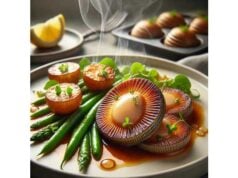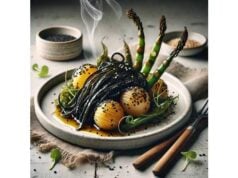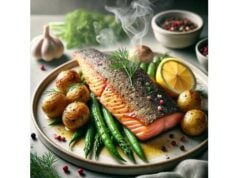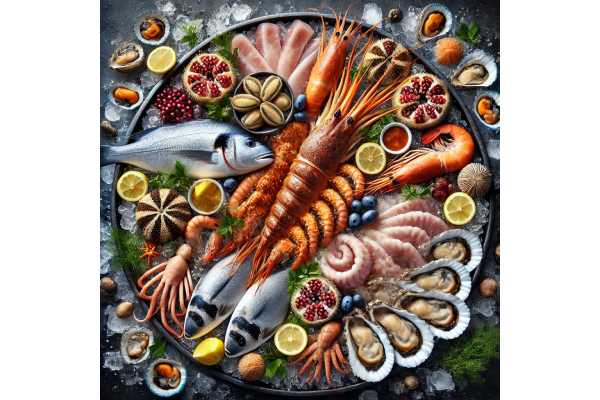
Sea squirt—sold as sea pineapple, ascidian, or by species names like Halocynthia roretzi—is a briny, bright-orange delicacy with a surprising nutrition profile. Eaten raw or barely warmed, it delivers complete protein, marine omega-3s, and a cluster of minerals (iodine, selenium, zinc) and choline. Flavor is bold—sweet-salty with gentle bitterness—so portions are small; a few slices can transform a bowl of rice, warm pasta, or a crisp salad. Quality depends on impeccable handling: rapid chilling after harvest, clean processing, and a cold chain all the way to your plate. Safety matters too. Like all raw seafood, sea squirt can harbor bacteria if mishandled, and its iodine content can run high. This in-depth guide covers per-100 g nutrient tables with % Daily Value, evidence-based benefits, allergen and toxin risks, smart buying and sustainability, preparation methods that protect nutrients, and realistic portion guidance—so you can enjoy sea squirt’s ocean-clean flavor with confidence and care.
Core Points
- Per 100 g raw: about 70–110 kcal, 9–14 g protein, 0.5–2 g fat, and 3–8 g carbohydrate (glycogen-rich).
- Notable nutrients: omega-3s (EPA, DHA), choline, iodine, selenium, zinc, and vitamin B12.
- Safety: raw sea squirt can carry pathogenic Vibrio; source carefully or use gentle heat.
- Typical serving: 40–80 g (several slices) occasionally within a varied seafood pattern.
- Avoid raw: pregnant or breastfeeding people, children, older adults, and the immunocompromised.
Table of Contents
- Sea Squirt Detailed Overview
- Sea Squirt Nutrition Profile
- Sea Squirt Health Benefits
- Risks, Allergies and Interactions
- Selecting, Quality, Sustainability and Storage
- Preparation, Cooking and Nutrient Retention
- Portions, Comparisons and FAQs
Sea Squirt Detailed Overview
Sea squirts (tunicates/ascidians) are filter-feeding marine invertebrates found on rocky coasts and aquaculture ropes in temperate and subpolar seas. The edible portion is the soft body inside the leathery tunic; in markets you’ll see peeled lobes (bright orange to amber) or live animals opened to order. In Korea and Japan—where sea squirt is most familiar—it’s served raw with rice or vinegar, grilled briefly, or added to soups and fermented dishes.
Flavor and texture. When well fed (often on kelp-rich grounds) and handled cold, sea squirt tastes clean, saline-sweet, with a faintly resinous finish and a gentle crunch from firm walls. Out-of-season or starved specimens can taste bitter as stored lipids and glycogen deplete, so season and source matter.
Nutrition identity. Compared with lean finfish, sea squirt is modest in calories yet micronutrient dense. Protein is complete. Lipids are low but include a meaningful proportion of omega-3 fatty acids, often within phospholipids. Minerals reflect the marine environment: iodine (variable and sometimes high), selenium, and zinc are standouts. Choline and vitamin B12 support nerve and blood health. Glycogen accounts for most carbohydrate and lends a slight sweetness.
Culinary uses.
- Raw (experienced diners): sliced over rice, with citrus or vinegar.
- Gently warmed (broader audience): stirred into a warm emulsion, steamed in savory custards, or flashed on a hot pan to set the surface while keeping the interior tender.
- Condiment strategy: because flavor is intense, small amounts (40–60 g) finish dishes—delivering nutrients without excess sodium or calories.
Sustainability snapshot. Some fisheries help reduce urchin-grazed “barrens” by adding sea squirt harvesting to diversified, local seafood economies. As with any wild food, traceable supply and science-based harvest matter. Aquaculture is common and, when well managed, has a small footprint.
Bottom line. Sea squirt is a small-portion, high-impact seafood: unique flavor, useful nutrients, and best enjoyed when sourced carefully and served to match the diner’s risk profile.
Sea Squirt Nutrition Profile
How to use this section: Values reflect raw, edible body (peeled) per 100 g unless stated. Because composition varies by species (Halocynthia roretzi, H. aurantium, others), season, and diet, ranges are shown where appropriate. %DV uses adult Daily Values.
Macros and Electrolytes (per 100 g, raw)
| Nutrient | Amount | %DV |
|---|---|---|
| Energy | 70–110 kcal | — |
| Protein | 9–14 g | 18–28% |
| Total Fat | 0.5–2.0 g | 1–3% |
| Saturated Fat | 0.1–0.6 g | 1–3% |
| Carbohydrate (mostly glycogen) | 3–8 g | 1–3% |
| Total Sugars | 0–1 g | — |
| Dietary Fiber | 0 g | 0% |
| Sodium* | 150–300 mg | 7–13% |
| Potassium | 200–350 mg | 4–7% |
| Water | 80–90 g | — |
*Brined or seasoned products can be much higher in sodium.
Fats and Fatty Acids
| Component | Amount | Notes |
|---|---|---|
| Omega-3 (EPA + DHA) | ~0.3–0.9 g | Species and season dependent; a larger share is often phospholipid-bound. |
| Omega-6 (LA, ARA) | ~0.1–0.3 g | Typically lower than omega-3. |
| MUFA + PUFA | ~0.3–1.4 g | Majority of total fat. |
| Cholesterol | ~80–160 mg | Common in roe and marine invertebrates. |
Protein and Amino Acids
| Component | Amount | Notes |
|---|---|---|
| Protein | 9–14 g | Complete essential amino acids; glutamate and aspartate contribute umami. |
| Taurine | ~0.05–0.15 g | Supports bile acid conjugation and osmoregulation. |
Vitamins
| Vitamin | Amount | %DV |
|---|---|---|
| Vitamin B12 (cobalamin) | ~1.0–2.5 µg | 42–104% |
| Vitamin E (alpha-tocopherol) | ~1–4 mg | 7–27% |
| Folate | ~20–60 µg | 5–15% |
| Choline | ~80–180 mg | 14–33% |
| Vitamin A (as carotenoids like halocynthiaxanthin) | ~60–200 µg RAE | 7–22% |
| Vitamin D | ~0.2–1.0 µg | 1–5% |
Minerals
| Mineral | Amount | %DV |
|---|---|---|
| Iodine† | ~80–300 µg | 53–200% |
| Selenium | ~20–45 µg | 36–82% |
| Zinc | ~1.0–2.5 mg | 9–23% |
| Phosphorus | ~150–260 mg | 12–21% |
| Iron | ~0.8–2.0 mg | 4–11% |
| Magnesium | ~25–45 mg | 6–11% |
| Calcium | ~30–70 mg | 2–5% |
†Highly variable by habitat and feed; cold-water, kelp-rich grounds trend higher.
Bioactives/Phytonutrients
- Carotenoids (e.g., halocynthiaxanthin, beta-carotene): color and antioxidant function.
- Phospholipids: support membrane structure; may aid DHA delivery.
Allergens & Intolerance Markers
- Sea squirt proteins can trigger IgE-mediated reactions in sensitized individuals. Cross-reactivity with finfish or crustaceans is inconsistent; only an allergist can confirm.
Contaminants/Residues
- Pathogenic Vibrio: risk rises with warm water and temperature abuse (see Section 4).
- Heavy metals: typically low to moderate in edible tissues; some tunicates concentrate vanadium in blood cells—this is a biological feature, not a common dietary toxicity in edible parts.
- Harmful algal bloom (HAB) toxins: risk is regional/seasonal; regulated fisheries test and close when needed.
Footnotes
- Data synthesize modern composition studies on edible tunicates; brined/seasoned products (sikhae, sauces) can raise sodium and alter water content.
Sea Squirt Health Benefits
1) Helps round out weekly omega-3 intake
Even small portions contribute EPA and DHA—often in phospholipid form—supporting heart and brain health when sea squirt is part of a varied seafood pattern. Because servings are typically 40–80 g, think of sea squirt as an “omega-3 accent” alongside low-mercury finfish (salmon, trout, sardines, herring) that deliver higher totals.
2) Choline, iodine, and selenium for thyroid and neural function
Sea squirt brings three nutrients many diets lack. Choline supports neurotransmitter synthesis and lipid transport. Iodine is required for thyroid hormones; selenium supports enzymes that activate and regulate those hormones and protect cells from oxidative stress. Together they help maintain steady energy metabolism and healthy nerve function.
3) Marine minerals and B12 without heavy calories
Per 100 g you can cover a large share of vitamin B12 and useful amounts of zinc and phosphorus at modest calorie cost. For people limiting energy intake, using sea squirt as a high-impact garnish can raise micronutrient density while keeping portions sensible.
4) Antioxidant carotenoids plus vitamin E
The vivid orange color signals carotenoids (e.g., halocynthiaxanthin). Combined with vitamin E, these fat-soluble antioxidants help stabilize membrane lipids and scavenge reactive oxygen species. Gentle handling preserves these nutrients; excessive heat and light degrade them.
5) Culinary variety that supports adherence
Diet quality improves when seafood is both enjoyable and diverse. Because sea squirt offers a different texture/flavor from fillets or shellfish, it can keep menus interesting, which helps people meet weekly seafood goals and broaden micronutrient coverage.
Practical take
Sea squirt is not a daily staple for most households, but as an occasional, nutrient-rich accent—especially in cooked preparations for higher-risk diners—it can enhance both flavor and nutrition within a heart-forward, plant-rich pattern.
Risks, Allergies and Interactions
Raw-seafood pathogens (Vibrio)
Non-cholera Vibrio species proliferate in warm marine waters and can contaminate raw or lightly processed seafood. While risk varies by region and season, temperature abuse is a common driver. Symptoms range from self-limited gastroenteritis to severe illness in vulnerable groups. Buy from reputable sources that maintain strict cold chains; keep products at 0–4 °C; and, if you or your guests are higher risk, choose cooked dishes.
Harmful algal blooms (HABs)
Sea squirts inhabit the same ecosystems as HABs that produce toxins (e.g., domoic acid, saxitoxins). Licensed fisheries test harvests and close beds when levels rise. Recreational foragers should avoid harvesting without local testing and guidance.
Allergy
Sea squirt can cause IgE-mediated allergic reactions—from oral itching and hives to anaphylaxis—in sensitized individuals. Cross-reactivity with fish or shellfish is unpredictable; discuss testing and management, including emergency medication, with an allergist if you suspect allergy.
Iodine variability
Iodine levels can be high. People with iodine-sensitive thyroid conditions or those instructed to limit iodine (e.g., prior to certain medical procedures) should keep portions small and diversify seafood choices.
Heavy metals and vanadium note
Unlike long-lived predatory fish, edible tunicate tissues generally show low to moderate heavy metals. Ascidians do biologically concentrate vanadium in specialized blood cells; this is a classic research finding but is not known to pose routine foodborne toxicity when edible tissues are consumed in normal portions from regulated sources.
Sodium
Plain, peeled sea squirt has moderate intrinsic sodium; brined/seasoned products can be high. For sodium-restricted diets, select unbrined packs and season with citrus, herbs, and vinegars.
Who should avoid raw
- Pregnant or breastfeeding people
- Children
- Older adults
- Individuals with chronic liver disease, diabetes, hemochromatosis, or compromised immunity
Kitchen hygiene
Open live animals with clean tools; avoid cross-contact between raw juices and ready-to-eat foods; discard any pieces with sour, sharp, or ammoniac odors.
Selecting, Quality, Sustainability and Storage
What to buy
- Tray-packed lobes (most common): Look for plump, neatly edged pieces with uniform color from gold to deep orange. Avoid pools of liquid, slumping, or off odors.
- Live (in shell): Spines (if present) or siphons should move when touched; animals should feel heavy for size with intact tunics.
- Frozen: High-quality frozen sea squirt is excellent for cooked uses (sauces, custards) and more affordable.
Label literacy
- Species: Halocynthia roretzi (Korea/Japan), H. aurantium (North Pacific), and related solitary ascidians are the main edible species.
- Origin and harvest date: Traceability matters for quality and safety; ask your fishmonger.
- Additives: Plain products should list only the seafood; seasoned versions may include vinegar, salt, or sauces that raise sodium.
Sustainability
- Aquaculture: Rope-grown sea squirt has a modest footprint when well managed and can fit into polyculture with seaweeds and bivalves.
- Wild harvest: Favor operations with science-based quotas and verified cold chains; in some regions, targeted harvest can complement kelp-forest stewardship by balancing grazers and space competitors.
- Your role: Choose traceable sources, diversify seafood choices across low-impact species, and buy in season.
Storage and handling
- Refrigerate (peeled): 0–4 °C; best within 24–48 hours. Keep level to preserve shape.
- Live: Keep cold and dry; open just before serving or cooking.
- Freeze: −18 °C (0 °F) up to 3 months in airtight packs; expect a softer texture on thawing—ideal for sauces or cooked dishes.
- Thaw: In the refrigerator (preferred). For speed, place a sealed pack under cold running water until just pliable; use immediately.
Buying tips
- Ask sellers about harvest area, date, and handling; choose suppliers that can answer confidently.
- If new to sea squirt, start with a small tray from a reputable sushi counter for a benchmark of flavor and texture.
- For value, use frozen products in cooked applications and reserve fresh premium grades for raw tasting (low-risk diners only).
Preparation, Cooking and Nutrient Retention
Goals: protect delicate texture, preserve omega-3s, carotenoids, and vitamin E, and match food safety to the diner.
Set up a cold station
Chill trays, spoons, and bowls. Keep sea squirt between 0–4 °C until plating. If opening live animals, wear cut-resistant gloves, drain seawater, remove internal debris carefully, and avoid shell fragments.
Raw service (experienced diners)
- Sashimi slice with citrus: Lay 40–60 g over warm rice or toast; finish with lemon or yuzu and chives.
- Vinegared salad: Toss thin slices with cucumbers and rice vinegar; serve immediately.
- Flavor balance: A touch of sweet (pear, mirin) and acid lifts bitterness; herbs add freshness without sodium.
Gentle cooking (recommended for broader audiences)
- Steam-set savory custard
- Whisk eggs with light stock; divide into cups; add 1–2 slices of sea squirt per cup.
- Steam at 85–90 °C (barely simmering) 10–12 minutes until just set.
- Why it works: low heat reaches safe temperatures while sparing omega-3s and carotenoids.
- Warm emulsion (sea-squirt butter or sauce)
- Blend 30–50 g sea squirt with 50–80 g softened unsalted butter or olive oil, lemon, and herbs.
- Off heat, whisk into hot vegetables or fish; carryover heat gently sets proteins.
- Flash sear
- Pat dry; hot pan, thin film of oil; sear 15–30 seconds per side—just to firm edges.
- Finish with vinegar or citrus to brighten without excess salt.
Nutrient-savvy habits
- Add sea squirt at the end of cooking to limit oxidation.
- Use acids and herbs for flavor instead of sodium-heavy sauces.
- Keep leftovers cold and consume within 24 hours; do not refreeze thawed raw product.
Balanced menu ideas
- Barley or farro bowl with sea-squirt emulsion, lemon, and roasted greens.
- Savory egg custards with spinach and a few slices of sea squirt for color and iodine.
- Cucumber-herb salad with quick-seared slices and toasted seaweed.
Portions, Comparisons and FAQs
Recommended portions and frequency
- Garnish portion: 40–60 g (several slices) as an accent.
- Heartier portion: 80–100 g split across two bowls or plates.
- How often: enjoy occasionally within a varied, low-mercury seafood pattern.
Comparisons (per 100 g)
- Sea squirt vs. salmon (cooked): sea squirt is leaner and lower in omega-3; salmon provides ~1.5–2.5 g EPA+DHA plus vitamin D.
- Sea squirt vs. scallop: scallops offer more protein (~20 g) with very low fat/sodium; sea squirt adds iodine, B12, carotenoids, and choline with stronger flavor.
- Sea squirt vs. sea urchin: both are delicacies; urchin (roe) is richer in fat and vitamin E; sea squirt is leaner with higher iodine variability.
Who should limit or avoid?
- Avoid raw: pregnant or breastfeeding individuals, children, older adults, and immunocompromised persons.
- Thyroid/iodine-sensitive conditions: keep portions small and vary seafood choices; seek clinician guidance.
- Allergy history: those with known reactions to roe or marine invertebrates should avoid and consult an allergist.
Budget and practicality
- Frozen for cooking: use affordable frozen packs in sauces and custards.
- Small amounts go far: treat as a condiment to stretch cost and manage sodium.
- Pair smartly: whole grains, beans, and vegetables build fiber and potassium around a modest seafood accent.
Frequently Asked Questions
Why does some sea squirt taste bitter?
Out-of-season or starved animals deplete lipids and glycogen, producing bitterness. Poor handling (warm temperatures, long storage) also degrades flavor.
Is iodine a concern?
Amounts vary widely. If you must limit iodine, keep portions small, avoid daily intake, and diversify seafood choices.
Does cooking ruin the texture?
High heat can toughen quickly. Use steam-setting or brief residual heat in sauces to keep it tender.
Can I open live sea squirts at home?
Yes—with the right tools and training. Wear gloves, stabilize the body, cut a lid, remove digestive material, and rinse lightly if needed. If unsure, buy peeled trays.
Is vanadium dangerous if I eat sea squirt?
Ascidians naturally concentrate vanadium in specialized cells; edible tissues from regulated food species have not been shown to cause routine vanadium toxicity when eaten in typical portions.
References
- Tunicates as Sources of High-Quality Nutrients and Bioactive Compounds for Food/Feed and Pharmaceutical Applications: A Review 2023 (Review)
- Chemical compositions and nutritional profiles of two edible tunicate species (Halocynthia roretzi and Halocynthia aurantium) 2024
- Advances in research on the accumulation, redox behavior and physiological functions of vanadium in ascidians 2010 (Review)
- Quantitative microbial risk assessment of Vibrio parahaemolyticus following intake of sea squirt (Halocynthia roretzi) 2021
- Public health aspects of Vibrio spp. related to the consumption of seafood in the European Union 2024 (Scientific Opinion)
Disclaimer
This article is educational and does not replace personalized medical advice, diagnosis, or treatment. Seek guidance from your healthcare professional or a registered dietitian—especially if you are pregnant or breastfeeding, immunocompromised, managing thyroid disease, limiting sodium, or have a history of food allergy. Always follow local seafood advisories and practice safe handling when preparing raw or lightly cooked seafood.
If you found this guide useful, please consider sharing it on Facebook, X, or your preferred platform to support our continued work in clear, evidence-based nutrition content.