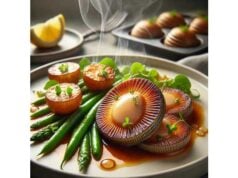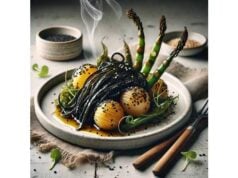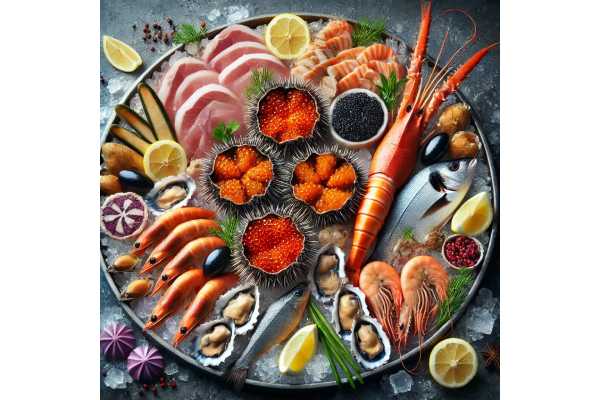
Sea urchin (often labeled “uni” in Japanese cuisine) is the edible gonad of a spiny echinoderm prized for its custard-like texture and briny-sweet flavor. While chefs celebrate its intensity, sea urchin also brings useful nutrition: a typical 100 g portion of roe is moderate in calories, offers complete protein, and supplies omega-3 fats, vitamin A precursors, vitamin E, iodine, selenium, zinc, and choline. Because roe is delicate, the best quality comes from careful handling—rapid chilling after harvest, clean processing, and cold-chain integrity. Most uni is eaten raw, but it also shines folded into warm sauces, spread on toast, or steamed gently to set its silky structure. As with all raw seafood, food safety matters: populations at higher risk should opt for cooked preparations. In this guide, you will find a detailed per-100 g nutrition profile with % Daily Values, evidence-based health benefits, safety and allergy notes, sustainable buying and storage advice, and step-by-step preparation methods that preserve both nutrients and that signature ocean-kissed flavor.
Nutrition Snapshot
- Per 100 g roe (raw): roughly 170–200 kcal, ~13–16 g protein, ~10–12 g fat (rich in omega-3), and ~3–6 g carbohydrate.
- Key benefits: dense in omega-3s, choline, vitamin E, iodine, selenium, and zinc that support brain, thyroid, and antioxidant defenses.
- Safety: raw uni carries microbial and algal-toxin risks; choose trusted sources or cook briefly to reduce risk.
- Serving and frequency: 30–60 g (2–4 “tongues”) as a garnish, or 80–100 g as a main accent; enjoy occasionally within a varied seafood pattern.
- Who should avoid raw: pregnant or breastfeeding people, children, older adults, the immunocompromised—choose cooked or skip.
Table of Contents
- Sea Urchin Detailed Overview
- Sea Urchin Nutrition Profile
- Evidence-Based Health Benefits
- Risks, Allergies and Interactions
- Selecting, Quality, Sustainability and Storage
- Preparation, Cooking and Nutrient Retention
- Portions, Comparisons and FAQs
Sea Urchin Detailed Overview
Sea urchins (class Echinoidea) are benthic, herbivorous or omnivorous marine invertebrates found from shallow reefs to colder, deeper waters. The edible portion—often called roe or gonad—is arranged in five golden to orange lobes (“tongues”) lining the shell. Flavor varies by species, season, and diet: kelp-fed urchins tend to taste sweeter and creamier; urchins starving on barren reefs taste bitter and metallic as lipids are depleted.
Culinary profile
Uni is all about texture and aroma: custardy, lightly sweet, with an iodine-saline finish. Because it is heat-sensitive, raw service is common (sushi, spooned onto toast, or dolloped over warm pasta). Gentle heat can set the proteins for spreads, steamed egg custards, or uni butter. Its richness means you rarely need a large portion: a few tongues can transform a dish.
Nutritional identity
Sea urchin roe is relatively energy-dense compared with lean fish because it carries structural and storage lipids. Those lipids include omega-3 fatty acids (notably EPA), phospholipids, and fat-soluble antioxidants (e.g., vitamin E and carotenoids that lend color). Protein is complete and includes taurine. Iodine, selenium, and zinc reflect its marine origin, and choline supports methylation and lipid transport. Carbohydrate content is modest; glycogen contributes to its slight sweetness.
Market forms
- Fresh in shell: spines intact; split open to harvest roe just before serving.
- Tray-packed “uni”: tongues cleaned, graded by color and firmness, typically kept at 0–4 °C and eaten within days.
- Frozen uni: blast-frozen at peak freshness; ideal for sauces, compound butters, and cooked uses.
- Paste or pâté: homogenized; flavor is intense but texture differs from whole lobes.
Quality cues
Look for plump lobes with sharp edges and uniform golden to orange color; they should smell like a clean tidepool—not fishy, sour, or ammoniac. Drip loss and pooling liquid signal breakdown. For in-shell purchases, live urchins should have moving spines and a tight, heavy feel.
Sustainability at a glance
In several regions, carefully harvested urchins can benefit kelp forests by reducing overgrazing when fisheries remove excess urchins from barren areas. In other places, overharvest can harm ecosystems. Choose traceable sources and fisheries with science-based quotas.
Bottom line
Sea urchin is a small-portion, high-impact ingredient: culinary luxury with meaningful micronutrients. Prioritize cold-chain quality and thoughtful sourcing, and consider cooked options if you are in a higher-risk group.
Sea Urchin Nutrition Profile
How to read this section: Values below reflect roe (uni), raw per 100 g unless noted, with sensible ranges to reflect species and season. Where a Daily Value (%DV) exists, it is shown for adults and children ≥4 years. Cooking gently (steaming or brief heat) changes water content and may slightly concentrate nutrients.
Macros and Electrolytes (per 100 g roe, raw)
| Nutrient | Amount | %DV |
|---|---|---|
| Energy | 170–200 kcal | — |
| Protein | 13–16 g | 26–32% |
| Total Fat | 10–12 g | 13–15% |
| Saturated Fat | 2.0–3.0 g | 10–15% |
| Carbohydrate | 3–6 g | 1–2% |
| Total Sugars | 0–1 g | — |
| Dietary Fiber | 0 g | 0% |
| Sodium* | 180–300 mg | 8–13% |
| Potassium | 250–350 mg | 5–7% |
| Water | 65–70 g | — |
*Sodium rises with brines and sauces; plain roe reflects intrinsic marine sodium and handling water.
Fats and Fatty Acids
| Fatty Acid | Amount | Notes |
|---|---|---|
| Omega-3 (EPA + DHA) | ~0.8–1.6 g | Species and diet dependent; roe lipids are rich in phospholipids. |
| Omega-6 | ~0.2–0.6 g | Typically lower than omega-3. |
| Monounsaturated + Polyunsaturated | ~6–8 g | Majority of total fat; includes phospholipids and neutral lipids. |
| Cholesterol | ~200–300 mg | Roe often has higher cholesterol than lean fish muscle. |
Protein and Amino Acids
| Component | Amount | Notes |
|---|---|---|
| Protein | 13–16 g | Complete essential amino acids; digestible quality similar to other seafood. |
| Taurine | ~0.05–0.15 g | Supports bile acid conjugation and osmoregulation. |
Vitamins
| Vitamin | Amount | %DV |
|---|---|---|
| Vitamin A (as carotenoids) | ~100–400 µg RAE | 11–44% |
| Vitamin E (alpha-tocopherol) | ~3–6 mg | 20–40% |
| Vitamin B12 (cobalamin) | ~1.0–2.0 µg | 42–83% |
| Folate | ~30–60 µg | 8–15% |
| Choline | ~150–220 mg | 27–40% |
| Vitamin D | ~0.5–2.0 µg | 3–10% |
Minerals
| Mineral | Amount | %DV |
|---|---|---|
| Iodine† | ~80–300 µg | 53–200% |
| Selenium | ~30–45 µg | 55–82% |
| Zinc | ~1.5–3.0 mg | 14–27% |
| Phosphorus | ~200–300 mg | 16–24% |
| Iron | ~1.0–2.0 mg | 6–11% |
| Magnesium | ~30–45 mg | 7–11% |
| Calcium | ~40–80 mg | 3–6% |
†Iodine content varies widely by habitat, feed, and salinity; coastal kelp-fed urchins trend higher.
Bioactives/Phytonutrients
- Carotenoids (echinenone, beta-carotene): lend orange color; antioxidant capacity.
- Phospholipids: structural lipids that may support cell-membrane function and DHA delivery.
Allergens & Intolerance Markers
- Roe proteins can trigger IgE-mediated reactions in sensitized individuals. Cross-reactivity with finfish or shellfish is not guaranteed; diagnosis requires an allergist’s evaluation.
Contaminants/Residues
- Marine biotoxins: roe can reflect local harmful algal blooms (HABs). Risk is region-specific and seasonal; commercial fisheries typically test lots.
- Microbes: raw service carries bacterial risk if hygiene or temperature control lapses.
- Heavy metals: generally low to moderate in roe compared with apex fish muscle; check local advisories for wild harvest.
Footnotes
- Ranges aggregate published composition data for sea urchin roe and closely related species; tray-packed or brined products often have higher sodium and slightly lower water.
Evidence-Based Health Benefits
1) Omega-3 support for the weekly total
Sea urchin roe contributes EPA and some DHA—often in phospholipid form—which can be efficiently incorporated into cell membranes. While oily finfish deliver higher absolute amounts, uni can help reach weekly omega-3 targets when enjoyed alongside salmon, trout, sardines, or mackerel. In meal planning, pairing a small uni portion with a larger serving of a low-mercury fish is both flavorful and strategic.
2) Choline, iodine, and selenium for brain and thyroid
A 100 g portion commonly provides ~150–220 mg choline—useful for acetylcholine synthesis, methylation, and lipid transport—as well as iodine and selenium that support thyroid hormone production and antioxidant enzymes (e.g., iodothyronine deiodinases and glutathione peroxidases). These micronutrients are often under-consumed; roe can complement other sources such as dairy, eggs, seaweed (iodine), and Brazil nuts (selenium).
3) Antioxidant carotenoids and vitamin E
Roe’s vivid color reflects carotenoids like echinenone and beta-carotene, alongside vitamin E. Together, these compounds help quench lipid peroxyl radicals and stabilize cell membranes. In food terms, that means uni brings both flavor and a payload of fat-soluble antioxidants, particularly when handled gently and protected from light and oxidation.
4) Complete protein with gourmet impact
With roughly 13–16 g protein per 100 g, uni is not as protein-dense as lean fish muscle, but it adds complete amino acids in a tiny, high-satisfaction portion. Using uni as a condiment—whisked into a sauce, dolloped on grains, or spread thinly on toast—can upgrade appetite appeal without requiring a large serving.
5) Culinary versatility that supports seafood variety
Dietary guidance emphasizes eating a variety of seafood. Because uni offers a different texture and flavor from fillets or shellfish, it can help broaden seafood choices. Variety improves nutrient coverage (e.g., different omega-3 forms, minerals) and reduces exposure to any single contaminant pathway.
6) Practical, small-portion indulgence
Uni is intense and often served in 30–60 g amounts. That keeps calories modest while delivering rich sensory payoff—useful for people seeking to control energy intake without feeling deprived. When integrated into balanced meals with vegetables and whole grains, uni can be part of a heart-forward pattern.
Bottom line
Sea urchin roe is a nutrient-forward delicacy: modest omega-3s, meaningful choline, iodine, selenium, and fat-soluble antioxidants—all in a small portion. Balance it with other low-mercury seafood to meet weekly goals and lean on cooked preparations for higher-risk groups.
Risks, Allergies and Interactions
Raw seafood risk
Like all raw marine foods, uni can harbor bacteria if harvested or handled improperly. Commercially processed uni should be kept at 0–4 °C and consumed promptly. People at higher risk of severe illness—pregnant or breastfeeding individuals, young children, older adults, and anyone immunocompromised—should avoid raw uni and choose cooked dishes (e.g., lightly steamed or folded into hot sauces that reach safe temperatures).
Marine biotoxins (HABs)
Sea urchins graze in ecosystems where harmful algal blooms can produce toxins (e.g., domoic acid or saxitoxin) that move through the food web. Risk is regional and seasonal, and licensed fisheries typically monitor and close harvests when levels spike. For consumers, buying from reputable suppliers and respecting local advisories is the best protection; home foraging without testing is unsafe.
Allergy
Roe proteins can trigger IgE-mediated reactions in sensitized individuals. Symptoms range from oral itching to hives, wheeze, vomiting, or anaphylaxis. Cross-reactivity with finfish or crustaceans is inconsistent; only an allergist can confirm true allergy. Those with confirmed allergy should practice strict avoidance and carry prescribed emergency medication.
Sodium and sauces
Plain uni contains moderate intrinsic sodium, and brines or soy-based sauces can quickly push a small serving into high-sodium territory. For sodium-sensitive diets, choose tray-packed uni without added brine, drain gently, and season with citrus or low-sodium accompaniments.
Heavy metals
Compared with apex predator fish muscle, roe typically shows lower methylmercury. That said, levels vary by region and species; pregnant or breastfeeding individuals and children should still prioritize low-mercury seafood and limit high-trophic wild harvests. Traceability and source transparency matter.
Food handling hazards
Because the shell interior can harbor seawater and debris, in-shell opening requires scrupulous hygiene. Use clean tools, avoid contact between raw liquids and ready-to-eat foods, and keep everything cold. Discard uni that smells sour, sharp, or ammoniac, or that appears watery and collapsed.
Medication and condition notes
- Pregnancy and breastfeeding: avoid raw uni and prioritize cooked, low-mercury seafood.
- Gout/hyperuricemia: roe contributes purines; manage total dietary load and discuss personalized limits with a clinician.
- Iodine-sensitive thyroid conditions: uni’s iodine varies; if advised to restrict iodine, monitor portions and diversify seafood choices.
Bottom line
Enjoy uni from traceable, tested sources. Choose cooked preparations if you are in a higher-risk group, and keep portions modest to manage sodium and iodine variability.
Selecting, Quality, Sustainability and Storage
Selecting quality uni
- Tray-packed (most common): Look for clean, intact tongues with sharp edges and uniform color from pale gold to deep orange. Avoid pooling liquid, slumping pieces, off odors, or excessive dark spots.
- In-shell (live): Spines should move when touched; the animal should feel heavy for its size. Choose specimens with intact tests (shells) and no cracks.
Label literacy
- Species and origin: Names often include Strongylocentrotus, Mesocentrotus, or Paracentrotus species. Cold-water species yield firmer, sweeter roe when well fed.
- Grades: Some markets grade by color, firmness, and size (e.g., A/B). Color is not a safety marker; it is primarily aesthetic.
- Added ingredients: Check for brines or preservatives; plain uni is simply cleaned and chilled.
Sustainability snapshot
- Kelp-forest dynamics: In areas with urchin barrens, targeted harvest can support kelp recovery. In healthy forests, overharvesting may harm ecosystem structure.
- Good practices: Favor suppliers who document catch area, season, and handling, and who work within science-based quotas. Aquaculture and enhancement projects are emerging; seek transparent operations.
Storage
- Refrigeration (tray-packed): 0–4 °C; best within 24–48 hours of purchase. Keep level to maintain shape.
- In-shell: Keep chilled and dry; open just before serving or cooking.
- Freezing: High-quality uni can be blast-frozen; texture softens on thawing—best for sauces, butters, and cooked dishes. Store at −18 °C (0 °F) up to 3 months in airtight packs.
- Thawing: In the refrigerator (preferred). For rapid use, place the sealed pack under gentle cold running water until just pliable; use immediately.
Buying tips
- Purchase from fishmongers who maintain strict cold chains and who can answer questions about harvest dates and origin.
- If you are new to uni, start with a small tray from a trusted sushi counter for a benchmark of quality.
- For value, buy frozen uni destined for cooking; reserve fresh premium grades for raw tasting if appropriate for your risk profile.
Flavor pairings
- Bright: lemon, yuzu, or lime edges the sweetness and cuts richness.
- Herbal: chives, shiso, chervil, dill, or parsley.
- Umami companions: sweet crab, scallop, or a smear of cultured butter; for low sodium, lean on aromatics and acids instead of soy sauces.
Preparation, Cooking and Nutrient Retention
Goal: preserve delicate texture and fat-soluble nutrients (omega-3, vitamin E, carotenoids) while ensuring safety for the intended diner.
Working clean
Set up a chilled station: cold trays, clean spoons, dry towels. Keep uni between 0–4 °C until plating. If opening live urchins, wear cut-resistant gloves, drain seawater, and avoid shell fragments. Rinse briefly only if debris is present, then pat dry.
Serving raw (for low-risk individuals)
- Simple sashimi/toast: Place 2–4 tongues on warm toast or plain rice. Finish with lemon zest or chives.
- Sauce accent: Mash 1–2 tongues with olive oil and lemon to finish pasta or grilled vegetables; the residual heat gently sets proteins without scrambling.
Gentle cooking (recommended for broader audiences)
- Steam-set uni custard
- Whisk eggs with dashi or light stock; pour into cups; top each with 1–2 tongues.
- Steam at 85–90 °C (barely simmering) for 10–12 minutes until just set.
- Why it works: low heat preserves omega-3s and vitamin E while delivering safe temperatures in the custard.
- Warm emulsion (uni butter)
- Blend 30–50 g uni with 50–80 g softened unsalted butter, lemon juice, and chives.
- Melt a spoonful over hot vegetables or fish; carryover heat sets the uni without harsh cooking.
- Tip: freeze in small portions; add at the end of cooking to limit oxidation.
- Pasta finish
- Off heat, toss hot pasta with a small ladle of starchy cooking water, 20–40 g uni, olive oil, and herbs until glossy.
- Why it works: gentle residual heat preserves texture and carotenoids.
Nutrient-savvy practices
- Short exposure to heat and air: add uni at the end; avoid vigorous simmering.
- Use antioxidants: lemon juice and herbs help slow lipid oxidation.
- Mind sodium: skip heavy soy sauces; lean on citrus, aromatics, and a touch of cultured dairy for roundness.
Food safety checkpoints
- Keep uni cold at every step; plate only what you will serve.
- For higher-risk diners, use cooked preparations that reach safe internal temperatures (e.g., set custards).
- Refrigerate leftovers within 2 hours; do not re-freeze thawed, previously frozen raw uni.
Balanced menu ideas
- Uni-corn risotto: finish barley or farro risotto with a small uni butter and lemon; adds omega-3s and choline without heavy sodium.
- Seaweed-roasted vegetables with uni sauce: combine iodine-rich seaweed flakes and lemon over roasted squash; spoon over a light uni emulsion.
- Steamed egg cups with spinach and uni: protein-rich, gentle on omega-3s, and portion-controlled.
Portions, Comparisons and FAQs
Recommended portions and frequency
- Standard garnish: 30–60 g (2–4 tongues) adds flavor and nutrients without heavy calories.
- Main accent: 80–100 g in sauced pastas or warm grains for two people.
- How often: enjoy occasionally within a varied seafood pattern emphasizing low-mercury, sustainably sourced species.
Comparisons (per 100 g)
- Uni vs. salmon (cooked): salmon provides substantially more EPA+DHA (≈1.5–2.5 g) and vitamin D; uni contributes omega-3s with more vitamin E and iodine and a richer flavor per bite.
- Uni vs. scallop: scallops are very lean (~90 kcal, ~20 g protein); uni is richer and more micronutrient-dense per mouthful but higher in sodium and cholesterol.
- Uni vs. caviar: both are roe with luxurious flavor; caviar tends to be saltier; uni is often served fresher with lower sodium if unbrined.
Who should limit or avoid?
- Avoid raw uni: pregnant or breastfeeding individuals, children, older adults, and anyone immunocompromised.
- Allergy history: those with known roe or finfish allergy should avoid and consult an allergist.
- Sodium-restricted diets: select unbrined uni and use citrus and herbs to season.
Budget and practicality
- Choose frozen uni for cooked applications; it’s less expensive and performs well in sauces.
- Use uni as a condiment—small amounts go far.
- Pair with whole grains and vegetables to stretch portions and build fiber-rich, balanced plates.
Frequently Asked Questions
Why does some uni taste bitter?
Out-of-season or starved urchins deplete lipids and accumulate off-flavors; handling and storage also matter. High-quality uni should taste sweet-briny, never bitter or metallic.
Can I open live urchins at home?
Yes, if you have proper tools and training. Wear gloves, stabilize the shell, cut a lid, remove digestive material, and gently rinse the tongues. If in doubt, buy tray-packed uni from a trusted source.
Is uni high in cholesterol?
Roe often contains 200–300 mg cholesterol per 100 g. For most people, dietary cholesterol affects blood LDL less than saturated fat and overall dietary pattern. Individuals with specific lipid disorders should seek personalized advice.
Does freezing ruin uni?
Texture softens after thawing, but flavor remains good for sauces and cooked dishes. For raw tasting, fresh premium grades are best.
Is iodine content a concern for thyroid disease?
If you must limit iodine, keep uni portions small and vary your seafood choices; consult your clinician if you have thyroid conditions.
References
- Nutritional Value of Sea Urchin Roe (Strongylocentrotidae) 2021
- Advice about Eating Fish 2024 (Guidance)
- Preventing Vibrio Infection 2024
- Impact of roe enhancement on quality parameters in sea urchins 2025
Disclaimer
This guide is for educational purposes and is not a substitute for personalized medical advice, diagnosis, or treatment. Always consult your healthcare professional or a registered dietitian about your specific health needs—especially if you are pregnant or breastfeeding, immunocompromised, managing cardiovascular or kidney disease, living with thyroid conditions, or have a history of food allergies.
If this article helped you, please consider sharing it on Facebook, X, or any platform you prefer so others can benefit and to support our continued work on clear, people-first nutrition content.