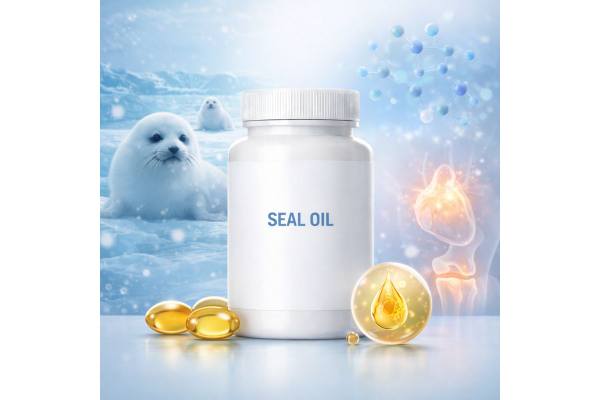
Seal oil is a marine oil obtained from the blubber of seals and valued mainly for its long-chain omega-3 fatty acids. Like fish oil, it contains EPA (eicosapentaenoic acid) and DHA (docosahexaenoic acid), but it also provides a third omega-3, DPA (docosapentaenoic acid), in comparatively higher amounts. This unique profile has led some practitioners and supplement companies to position seal oil as a more “complete” omega-3 source for heart, brain, joint, and eye health.
At the same time, the evidence is still developing, and questions remain about long-term safety, exact benefits compared with standard fish oil, and ethical and legal issues around seal hunting. Some regions strictly regulate or ban trade in seal products, while others approve seal oil as a natural health product with clear dosage ranges and quality standards.
This guide explains what seal oil is, how it differs from other omega-3 supplements, where the research stands, how products are typically used and dosed, which side effects to watch for, and how to weigh environmental and ethical concerns.
Key Insights
- Seal oil provides EPA, DHA, and relatively high levels of DPA, a long-chain omega-3 that may add cardiovascular and anti-inflammatory benefits beyond standard fish oil.
- Clinical trials show that seal oil can lower triglycerides and improve several blood lipid and platelet markers, but overall evidence is still much smaller than for conventional fish oil.
- Many regulatory frameworks consider 100–5,000 mg per day of combined EPA, DHA, and DPA from seal oil acceptable for adults, with 1,000–3,000 mg per day commonly used for cardiovascular support.
- Potential side effects resemble those of other omega-3 oils: digestive discomfort, fishy aftertaste, and a theoretical increase in bleeding risk at high doses or with anticoagulant medicines.
- Because commercial seal hunting is controversial and seal products are banned from general sale in several regions, including the European Union (with specific exemptions), some people prefer plant or fish-based omega-3 alternatives.
Table of Contents
- What is seal oil and how it differs from fish oil
- Health benefits of seal oil for heart, brain and joints
- Recommended seal oil dosage for adults and children
- How to choose a quality seal oil supplement
- Seal oil side effects, safety and who should avoid it
- Ethics, sustainability and alternatives to seal oil
- Research summary and practical takeaways on seal oil
What is seal oil and how it differs from fish oil
Seal oil is a marine oil extracted from the blubber of several seal species, most commonly harp, hooded, ringed, grey, and bearded seals. It is used both as a traditional food in some northern communities and as a modern omega-3 supplement. In capsule form, the label typically lists “seal oil” as the medicinal ingredient and provides the amounts of EPA, DHA, and often DPA per serving.
From a biochemical point of view, seal oil resembles fish oil but with a distinct twist. Both provide long-chain omega-3 polyunsaturated fatty acids:
- EPA (eicosapentaenoic acid, 20:5 n-3)
- DHA (docosahexaenoic acid, 22:6 n-3)
Seal oil also contains DPA (docosapentaenoic acid, 22:5 n-3) at much higher levels than are typically found in fish oil. In comparative studies, seal oil raised blood levels of DPA and EPA and improved certain platelet measures and lipids more strongly than tuna oil, which is richer in DHA but has minimal DPA.
Another difference is the triglyceride structure. In fish oil, EPA and DHA are often located at specific positions on the triglyceride backbone that differ from those in marine mammal oils. Some authors suggest that the mammalian triglyceride pattern in seal oil may enhance absorption or influence enzymes in a different way, although this has not been definitively proven in large human trials.
Seal oil is usually refined, deodorized, and tested for oxidation and contaminants, similar to quality fish oil. Official monographs specify limits for peroxide, anisidine, and Totox values, along with required tests for dioxins and PCBs, to ensure the oil remains stable and safe.
Legally, seal oil is treated very differently across the world. In Canada and some other countries, it is an approved natural health product. In the European Union, however, a general ban on placing seal products on the market has been in place since 2009, with limited exemptions for Inuit and other Indigenous hunts and for travellers’ personal use.
Health benefits of seal oil for heart, brain and joints
Most interest in seal oil relates to the same areas where omega-3 fatty acids are generally active: cardiovascular health, brain and eye function, low-grade inflammation, and joint comfort. The distinctive contribution of seal oil is its high DPA content, which might add incremental benefit beyond EPA and DHA alone.
Cardiovascular and lipid effects
Several controlled human trials have examined seal oil in otherwise healthy adults and in people with elevated triglycerides:
- In healthy men, dietary seal oil supplementation increased serum EPA, DHA, and DPA, lowered the n-6/n-3 ratio, and modestly improved fibrinogen and protein C levels, both relevant to clotting and cardiovascular risk.
- In hypertriglyceridaemic subjects, both tuna oil and seal oil reduced triglycerides, but seal oil produced a somewhat larger reduction and improved systolic blood pressure compared with placebo.
- In another trial, seal oil improved plasma triglycerides, HDL cholesterol, and markers of platelet activation, suggesting a potential benefit in lowering thrombotic risk.
These are relatively small studies, but they align with broader research showing that long-chain omega-3 intake can modestly reduce triglycerides and may reduce cardiovascular events in certain higher-risk populations, especially at doses from about 1–4 g per day of combined EPA and DHA.
Brain, eye and developmental support
DHA and EPA are important structural components of neuronal and retinal membranes. Evidence from infant formula and childhood development research indicates that adequate long-chain omega-3 intake supports normal brain and visual development. Seal oil, by supplying DHA and EPA (plus DPA, which can convert to these), can serve as one source of these fatty acids, although it has not been studied as extensively as fish oil or algae oil in this context.
Inflammation, joints and other areas
Like other marine omega-3s, seal oil-derived fatty acids can be incorporated into cell membranes, where they influence eicosanoid and specialized pro-resolving mediator pathways. This can help shift the balance toward less pro-inflammatory signalling.
Small experimental and animal studies suggest that DPA may contribute anti-inflammatory and vascular benefits similar to, and sometimes exceeding, those of EPA, but this is still an emerging area of research. Some early work has examined seal oil in conditions such as rheumatoid arthritis and generalized atherosclerotic risk factors, with indications of improved symptoms or risk markers. However, these studies are preliminary and far fewer than the large fish oil trials, so it is premature to claim that seal oil is superior to standard omega-3 sources in real-world outcomes.
Overall, the best-supported benefits of seal oil are similar to those of other long-chain omega-3 supplements: triglyceride reduction, modest improvements in some cardiovascular risk markers, and general support for heart, brain, and eye health as part of an overall healthy lifestyle.
Recommended seal oil dosage for adults and children
Unlike many niche supplements, seal oil has detailed dosage guidance in some regulatory documents. This guidance focuses on the amount of EPA, DHA, and DPA per day, not just the milligrams of crude oil.
General adult dosage ranges
Health Canada’s seal oil monograph, which is used to support licensing of seal oil products, specifies daily ranges for combined EPA, DHA, and DPA from seal oil in adults.
Within that framework:
- Minimum daily dose is about 100 mg of combined EPA+DHA+DPA.
- Upper limits for adults range from about 3,000 to 5,000 mg per day, depending on age and health context.
- For cardiovascular and triglyceride support, many products position themselves in the 1,000–5,000 mg per day range, with at least a few hundred milligrams of EPA and a defined EPA:DPA:DHA ratio.
These ranges are broadly consistent with broader safety assessments, such as those concluding that supplemental intakes of EPA and DHA up to 5 g per day are generally safe for adults.
For many people seeking simple cardiovascular support, a typical daily target would be roughly 1,000–2,000 mg of combined EPA, DHA, and DPA from seal oil, taken with food and divided into one or two doses. Exact dosing should follow product labelling and professional advice.
Children and adolescents
For children and adolescents, official guidance is more conservative and age-stratified. Example ranges for combined EPA, DHA, and DPA from seal oil include:
- Children 1–8 years: about 100–1,500 mg per day
- Children 9–11 years: about 100–2,000 mg per day
- Adolescents 12–13 years: about 100–2,000 mg per day
- Adolescents 14–17 years: about 100–2,500 mg per day
Younger children are typically given liquid forms or chewables rather than capsules, and the emphasis is on supporting healthy brain, eye, and nerve development rather than treating disease.
Practical dosing tips
If you and your clinician decide that seal oil is appropriate:
- Check the label
- Look for a clear breakdown per capsule: “EPA X mg, DHA Y mg, DPA Z mg.”
- Confirm total long-chain omega-3 per day based on the number of capsules.
- Take with meals
- Taking seal oil at the start of a meal may reduce fishy aftertaste and improve tolerability.
- Start low, increase gradually
- If you are sensitive to oils, begin at a lower daily amount (for example, 300–500 mg combined EPA+DHA+DPA) and increase slowly as tolerated.
- Respect upper limits
- Do not exceed about 3,000 mg per day of combined EPA+DHA+DPA from supplements without close medical supervision, especially if you have bleeding risks or take anticoagulants.
Always ask your clinician how seal oil fits with your overall omega-3 intake from fish, other supplements, and fortified foods.
How to choose a quality seal oil supplement
Because seal oil is more niche and politically sensitive than fish oil, it is especially important to choose products carefully. A good seal oil supplement should meet quality, safety, and (ideally) ethical standards.
Key label checks
When evaluating a product, look for:
- Clear omega-3 content
- The label should state milligrams of EPA, DHA, and DPA per capsule or per teaspoon, not just “seal oil 1,000 mg.”
- Daily dosage instructions
- Confirm how many capsules are required to reach the recommended daily amount (for example, 1–2 capsules per day vs 8–10).
- Standardized oil
- Reputable products often mention that the oil is refined, deodorized, and standardized according to monograph or pharmacopoeial criteria, including oxidation and contaminant limits.
Quality and safety markers
High-quality marine oils pay attention to:
- Oxidation control
- Look for mention of low peroxide, anisidine, or Totox values. Oxidized oils may smell rancid and could reduce health benefits.
- Contaminant testing
- Good manufacturers test for dioxins, PCBs, heavy metals, and other pollutants that concentrate in marine food chains, and they may share certificates of analysis on request.
- Third-party certification
- Independent testing programs sometimes verify omega-3 content, purity, and oxidation levels. For seal oil, such programs are less common than for fish oil, but any third-party quality seal is a plus.
Sourcing and legal considerations
Seal oil is not legally available everywhere. Before ordering:
- Check local regulations
- Some regions, including the European Union, ban general trade in seal products, with exceptions for Indigenous hunts and personal imports.
- Ask about origin
- Responsible brands should disclose which seal populations they use, whether harvests are regulated, and how animal welfare and sustainability are addressed.
- Confirm intended use
- Many producers supply seal oil both as human supplements and as pet products. Make sure the product you buy is formulated and dosed for humans if that is your goal.
When in doubt, compare with fish or algae oil
If high-quality seal oil is hard to source legally in your region, a well-tested fish oil or algae-based omega-3 supplement may offer similar or better evidence for many health goals, without the same regulatory and ethical complications. For many users, the decisive factor becomes not unique benefits, but whether seal oil aligns with their values and legal context.
Seal oil side effects, safety and who should avoid it
Seal oil’s side effect profile is expected to be similar to other long-chain omega-3 supplements, but formal data are more limited. Most safety information is extrapolated from fish oil trials, general omega-3 safety assessments, and smaller seal oil studies.
Common side effects
At typical doses (up to a few grams of omega-3 per day), the most commonly reported issues are:
- Mild digestive upset (nausea, loose stools, stomach discomfort)
- Fishy burps or aftertaste
- Occasional headache
- Rare skin reactions or allergy-type symptoms in susceptible individuals
These effects usually improve when the oil is taken with meals or the daily dose is divided.
Bleeding and clotting concerns
Omega-3 fatty acids can influence platelet function and clotting cascades. Clinical trials of fish and seal oils at moderate doses often show favourable changes in platelet activation markers and some anticoagulant effects, but without a clear increase in major bleeding in the general population.
Large-scale assessments conclude that supplemental EPA and DHA up to about 5 g per day do not meaningfully increase the risk of bleeding episodes in most adults. However, people on anticoagulants, antiplatelet drugs, or with bleeding disorders should only use high-dose omega-3 supplements, including seal oil, under medical supervision.
Other safety points and interactions
- Blood pressure – Omega-3s can modestly lower blood pressure. For people on antihypertensive medications, seal oil might reinforce these effects, which is usually positive but occasionally requires monitoring to avoid excessive drops.
- Arrhythmia and high-dose use – Some high-dose fish oil trials suggest a potential increase in atrial fibrillation in certain high-risk groups, though overall cardiovascular event rates still improved in some studies. This risk profile is not fully mapped for seal oil, but caution is reasonable with very high intakes or in people with a history of arrhythmias.
- Allergy – Individuals with known fish or marine allergies should be cautious with any marine oil, including seal oil, due to possible cross-reactivity.
Who should avoid or use seal oil only with specialist guidance?
Avoid seal oil supplements, or use them only if a specialist explicitly recommends and supervises them, if you:
- Are pregnant or breastfeeding, since specific safety data for seal oil in these groups are limited.
- Have a bleeding disorder (such as haemophilia) or are on warfarin, DOACs, high-dose aspirin, or dual antiplatelet therapy.
- Have a history of serious arrhythmias or unstable cardiovascular disease, unless your cardiologist supports omega-3 supplementation.
- Are allergic to marine products.
- Are a child or adolescent with complex health conditions; in this case, specialist paediatric advice is essential.
People undergoing surgery are often advised to inform their surgeon and anaesthetist about all omega-3 supplements, including seal oil, so that any bleeding-related risks can be properly assessed.
Ethics, sustainability and alternatives to seal oil
Beyond health questions, seal oil raises major ethical and environmental issues. Opinions vary widely, often shaped by culture, geography, and personal values.
Regulation and public concern
The European Union introduced a general ban on placing seal products on the EU market in 2009, updated in 2015. The main stated reason was concern about animal welfare in commercial seal hunts. Limited exemptions allow products from recognized Inuit and other Indigenous hunts, as well as occasional personal imports by travellers.
Other jurisdictions, including the United States, Mexico, Switzerland, and some parts of Asia, have also restricted or banned trade in many seal-derived products.
In Canada and some northern regions, by contrast, seal hunting is viewed by many communities as a traditional practice and an important part of local food systems and livelihoods. Debates about seal oil therefore extend beyond biology into economics, culture, and ethics.
Sustainability considerations
Key questions for sustainability include:
- Population status of targeted seal species – Some populations are considered abundant and managed with quotas, while others may be more vulnerable.
- Hunting methods and animal welfare – Critics focus on potential suffering during commercial hunts; supporters argue that modern methods and regulations minimize this.
- Market demand – As more countries restrict seal products, pressure on commercial hunts may decline, but small niche markets for oil and skins persist.
From an environmental footprint perspective, marine mammal oils sit alongside fish oil and krill oil in the broader debate about how best to obtain long-chain omega-3s without undermining marine ecosystems.
Alternatives to seal oil
If you are uncomfortable with marine mammal products or live in a jurisdiction where seal oil is not available, you still have strong options:
- Fish oil – The most studied omega-3 supplement, with extensive data supporting triglyceride lowering and cardiovascular risk reduction at appropriate doses.
- Algae-derived DHA (and EPA) – A good choice for vegetarians, vegans, or those wishing to avoid animal-sourced marine oils; increasingly supported by clinical research.
- Dietary oily fish – Regular intake of salmon, herring, sardines, and mackerel remains a practical way to obtain long-chain omega-3s for many people.
In many cases, the incremental advantage of DPA-rich seal oil over a high-quality fish or algae oil is uncertain and likely modest. For most health goals, decisions can reasonably prioritize ethical, cultural, and environmental factors alongside individual health needs.
Research summary and practical takeaways on seal oil
Seal oil sits at an interesting intersection of nutrition science, pharmacology, and politics. Its distinctive omega-3 profile, especially its richness in DPA, has prompted solid biochemical and clinical interest, but the evidence base remains much smaller than that of fish oil.
What the science tells us so far
- Seal oil reliably raises blood levels of EPA, DHA, and DPA and improves the omega-6 to omega-3 ratio in serum phospholipids.
- Randomized trials in healthy and hypertriglyceridaemic adults show reductions in triglycerides, favourable changes in HDL cholesterol, reduced platelet activation markers, and modest blood pressure benefits compared with placebo, with effects at least comparable to fish oil in some studies.
- Official monographs and safety evaluations support daily intakes of combined EPA, DHA, and DPA (from marine sources including seal oil) up to about 3,000–5,000 mg in adults, with lower doses recommended for children.
At the same time:
- There are few large outcome trials examining hard endpoints such as heart attacks, strokes, or mortality specifically with seal oil. Most outcome evidence for omega-3s comes from fish or mixed marine oils.
- Long-term safety data for high-dose seal oil in complex patient populations (for example, multiple medications, advanced cardiovascular or kidney disease) are limited, so extrapolation from fish oil studies must be cautious.
Practical recommendations
If you are deciding whether to use seal oil:
- Clarify your goal
- For general health, cardiovascular risk markers, or mild joint and inflammatory concerns, many people can meet their needs with diet plus fish or algae oil. Seal oil is not essential.
- Check legality and ethics
- Confirm whether seal products are permitted where you live, and consider your own position on marine mammal hunting and trade.
- If you and your clinician choose seal oil
- Aim for a total daily intake of about 1,000–2,000 mg combined EPA+DHA+DPA from seal oil for general cardiovascular support (unless directed otherwise).
- Stay within 3,000 mg per day from supplements unless under specialist supervision.
- Take it with meals, monitor for gastrointestinal or bleeding-related symptoms, and inform your healthcare team about all supplements you use.
- Reassess periodically
- Benefits from omega-3s accrue over months and years; at regular check-ups, review your lipid profile, blood pressure, and overall regimen to see whether your current supplement strategy still makes sense.
Ultimately, seal oil can function as a legitimate omega-3 source, but for most people it is a niche choice rather than a necessity. The balance of evidence, safety, legality, and ethics will guide whether it deserves a place in your personal health plan.
References
- Effect of supplementation with dietary seal oil on selected cardiovascular risk factors and hemostatic variables in healthy male subjects 1999 (RCT)
- Comparison of seal oil to tuna oil on plasma lipid levels and blood pressure in hypertriglyceridaemic subjects 2009 (RCT)
- Effects of seal oil and tuna-fish oil on platelet parameters and plasma lipid levels in healthy subjects 2010 (RCT)
- Scientific Opinion on the Tolerable Upper Intake Level of eicosapentaenoic acid (EPA), docosahexaenoic acid (DHA) and docosapentaenoic acid (DPA) 2012 (Guideline)
- SEAL OIL 2019 (Regulatory Monograph)
Disclaimer
This article is intended for informational and educational purposes only and does not provide personal medical, nutritional, or legal advice. Seal oil is not approved to diagnose, treat, cure, or prevent any disease, and its benefits and risks may differ between individuals. Always consult a qualified healthcare professional before starting, changing, or stopping any supplement, especially if you are pregnant or breastfeeding, have existing medical conditions, take prescription or over-the-counter medicines, or are planning surgery. Legal status of seal products varies by country and region; you are responsible for complying with the laws that apply to you.
If you found this guide useful, you are kindly invited to share it with others on Facebook, X (formerly Twitter), or any platform you prefer, and to follow our work on social media. Your thoughtful support by sharing our articles helps our team continue to research and publish clear, balanced, and evidence-informed health content.