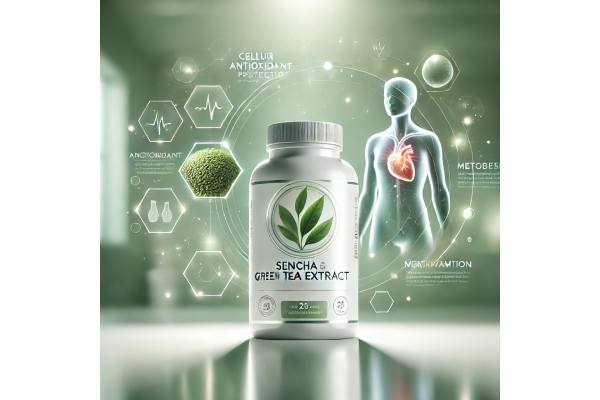
Sencha green tea extract takes the traditional Japanese steamed green tea leaf and concentrates its most active compounds into a convenient form. Instead of drinking several cups of tea each day, people use the extract for a predictable dose of catechins (especially EGCG), mild caffeine, and supportive antioxidants. These compounds are studied for effects on metabolic health, weight management, heart health, and cognitive performance, as well as general antioxidant support.
At the same time, extracts are more potent than brewed tea, so questions about safe dosage, timing, and possible liver or heart effects are very important. This guide walks you through what Sencha green tea extract actually is, how it differs from regular green tea, its main evidence-based benefits, typical dosage ranges, how to use it in daily life, and which groups should avoid or be cautious with it. The goal is to help you make informed, realistic decisions rather than rely on marketing claims.
Key insights for Sencha green tea extract
- Sencha green tea extract concentrates catechins such as EGCG that support antioxidant defense, metabolic health, and cardiovascular function.
- Typical daily intakes from supplements range from about 100–300 mg EGCG, often delivered in 250–500 mg of standardized extract.
- Higher single doses taken on an empty stomach increase the risk of nausea and, in rare cases, liver stress, so using divided doses with food is safer.
- People with existing liver disease, serious heart disease, pregnancy, breastfeeding, or on certain medications should avoid or use the extract only under medical guidance.
Table of Contents
- What is Sencha green tea extract?
- Sencha green tea extract benefits
- How to use Sencha green tea extract
- Sencha green tea extract dosage
- Interactions and combinations with other supplements
- Side effects and who should avoid it
- Evidence and research summary
What is Sencha green tea extract?
Sencha is the most common style of Japanese green tea. The leaves are steamed soon after harvesting, then rolled and dried. Steaming stops oxidation, so the leaf retains a high level of catechins (polyphenols), a modest caffeine content, and a grassy, slightly umami flavour. Sencha green tea extract starts from these same leaves but concentrates the active constituents into a powder or liquid.
Most Sencha green tea extracts are standardized for a catechin profile, especially epigallocatechin gallate (EGCG), epigallocatechin (EGC), epicatechin gallate (ECG), and epicatechin (EC). EGCG is usually the primary marker and may make up 30–60% of total catechins in a standardized extract. Some products also specify their caffeine content and the presence of amino acids such as L-theanine.
Compared with drinking brewed Sencha, an extract offers:
- More consistent and measurable doses of EGCG and total catechins
- Less variation from batch to batch
- The ability to obtain higher doses in fewer capsules or a smaller liquid volume
However, this higher concentration also means the margin between a helpful dose and a problematic dose is narrower than with regular tea. Brewed tea delivers catechins more slowly and with more fluid volume, which appears gentler for the liver than large bolus doses of concentrated extract.
Sencha extract is typically used for:
- General antioxidant support
- Weight management programs
- Metabolic health and insulin sensitivity
- Cardiovascular support
- Mild stimulation and focus
Understanding this basic profile helps you interpret label claims and compare Sencha extract with other green tea or mixed-polyphenol supplements.
Sencha green tea extract benefits
Although most research looks at green tea catechins in general rather than Sencha specifically, Sencha-based extracts share the same major active compounds. The best documented potential benefits involve metabolic health, cardiovascular risk markers, weight management, and antioxidant protection.
Metabolic health and weight management
Catechin-rich green tea extracts may modestly increase energy expenditure and fat oxidation. The combination of catechins and caffeine appears to support thermogenesis and improve how the body uses fat as a fuel, especially when combined with calorie control and regular physical activity. Effects are usually modest rather than dramatic; they support rather than replace lifestyle changes.
Several controlled trials report small reductions in body weight, body fat percentage, and waist circumference with catechin-rich green tea supplementation over 8–12 weeks. Improvements often accompany better diet and exercise programs. Changes tend to be measured in kilograms or centimeters rather than large, rapid weight loss.
Cardiovascular markers
Green tea catechins may help maintain cardiovascular health by:
- Supporting healthy blood pressure (small reductions in systolic and diastolic values in some trials)
- Improving lipid profiles, particularly lowering LDL cholesterol and sometimes raising HDL modestly
- Reducing markers of oxidative stress and low-grade inflammation that contribute to atherosclerosis
These effects are generally modest and most meaningful as part of an overall heart-healthy pattern (diet, physical activity, not smoking) rather than in isolation.
Antioxidant and cellular protection
EGCG and related catechins can neutralize reactive oxygen species and influence cell signaling pathways that control inflammation, cell growth, and apoptosis. In human studies, green tea supplementation has been associated with:
- Reduced oxidative damage to lipids and DNA markers
- Improved antioxidant enzyme activity (such as glutathione peroxidase)
- Potential supportive roles in brain health, skin aging, and exercise recovery
These findings are encouraging but not a guarantee of disease prevention. Sencha green tea extract should be viewed as a supportive tool, not a replacement for medical care or a balanced lifestyle.
How to use Sencha green tea extract
For most people, the practical question is not just “Does it work?” but “How do I fit this into my day?” Sencha green tea extract can be used in capsule, tablet, powder, or liquid form. The best approach is usually to start low, pair it with food, and observe how your body responds.
Common forms
- Capsules or tablets: The most typical format, often standardized to a specific EGCG or catechin content. Easy to measure and divide.
- Powder: Can be mixed into smoothies or water. Taste can be bitter and astringent, so many people combine it with other flavours.
- Liquid extracts or tinctures: Offer flexible dosing but may have a strong taste and should still be measured carefully.
Timing
Because Sencha extract contains caffeine (unless specifically decaffeinated), most people take it earlier in the day:
- Morning with breakfast
- Mid-morning or early afternoon with a snack or lunch
Taking it close to bedtime can disturb sleep, especially in caffeine-sensitive individuals.
With or without food
Taking green tea extract on an empty stomach can increase EGCG absorption but also increases the risk of nausea and, in susceptible individuals, liver stress. Many safety reviews note that liver injury cases are more likely with high single doses taken fasting. For that reason, most people are safer taking Sencha extract with food.
Practical use patterns
Examples of use that balance potential benefits with caution:
- 1 capsule with breakfast and 1 capsule with lunch, rather than 2 capsules at once
- Using Sencha extract on days with mental work or light exercise, while skipping it on days with poor sleep or high caffeine intake from other sources
- Combining extract use with a generally healthy lifestyle: plenty of vegetables, adequate protein, regular movement, and good sleep hygiene
Always read the label for specific instructions and remember that “more” is not always better, especially with concentrated plant compounds.
Sencha green tea extract dosage
There is no single universally agreed “correct” dose for Sencha green tea extract. Dosage recommendations are based on a combination of traditional tea consumption, human trials with green tea catechin extracts, and safety evaluations from regulatory bodies and expert groups.
Typical supplemental ranges
Most commercial Sencha or green tea extracts provide:
- Around 250–500 mg of extract per daily serving
- Often standardized to provide roughly 100–300 mg EGCG per day
These ranges are designed to sit within the intake levels that human trials have used for support of weight management, metabolic markers, or cardiovascular markers while staying below the levels associated with a higher risk of adverse liver effects in some studies.
Daily upper limits and safety margins
Safety reviews of green tea extracts suggest that:
- Moderate intakes providing up to about 300 mg EGCG per day with food are generally well tolerated in healthy adults.
- Intakes approaching or exceeding 800 mg EGCG per day from supplements, especially as a single bolus or in fasting conditions, have been linked to a greater risk of liver enzyme elevations and rare cases of clinically significant injury.
Because Sencha extract products vary, you should calculate your EGCG intake based on the label rather than comparing milligrams of “extract” alone. Some products are more concentrated than others.
Practical dosage guidelines
For most healthy adults, a cautious, practical approach might look like:
- Beginner range: 100–150 mg EGCG per day (for example, one capsule with breakfast)
- Common working range: 150–300 mg EGCG per day, split into two doses with meals
- Avoid: Exceeding 300 mg EGCG per day without medical supervision, or any large single dose on an empty stomach
People with lower body weight, higher caffeine sensitivity, or underlying medical conditions may need lower doses or complete avoidance.
Remember that brewed green tea, matcha, energy drinks, and some “fat burner” products may add to your total catechin and caffeine intake. When in doubt, choose the lowest effective dose and discuss plans with a healthcare professional who knows your medical history.
Interactions and combinations with other supplements
Many people take Sencha green tea extract on top of a multivitamin, pre-workout, or other herbal products. This stacking can make sense but also increases the chance of unwanted overlap in stimulant effects, liver load, or blood pressure changes.
Caffeine and stimulant combinations
Sencha extract naturally contains caffeine unless specifically decaffeinated. Combining it with other stimulants can amplify effects on heart rate, blood pressure, anxiety, and sleep:
- Coffee and espresso
- Pre-workout formulas
- Energy drinks
- Other stimulant herbal extracts (such as guarana or yerba mate)
If you already consume caffeine, it is wise to start with a lower dose of Sencha extract and monitor for jitteriness, palpitations, or insomnia.
Liver-metabolized supplements and medications
Green tea catechins are metabolized by the liver, and rare cases of liver injury have been linked to high-dose extracts. Combining Sencha extract with other substances that stress the liver may increase risk, especially at higher doses. Examples include:
- High-dose vitamin A or niacin
- Certain bodybuilding supplements
- Some traditional herbal blends marketed for weight loss or “detox”
- Alcohol in significant amounts
People using prescription medicines that rely on liver metabolism (for example certain antiepileptics, statins, or psychiatric medications) should consult their prescriber before adding a green tea extract.
Synergistic combinations
On the positive side, sensible combinations may support complementary goals:
- L-theanine: Naturally present in tea and often added as a separate supplement. Paired with caffeine, it may support focused alertness with less jitteriness.
- Vitamin C and other antioxidants: May help regenerate oxidized catechins and support overall antioxidant capacity, though human data are limited.
- Lifestyle changes: Sencha extract appears to work best alongside calorie awareness, exercise, and enough sleep, rather than as a stand-alone solution.
When designing a supplement stack, keep the total stimulant load, liver burden, and overlapping effects in mind. If you already use several products aimed at weight loss or energy, adding Sencha extract may not be appropriate without professional oversight.
Side effects and who should avoid it
Most healthy adults tolerate moderate doses of Sencha green tea extract reasonably well, especially when taken with food. However, like any concentrated plant extract, it can cause side effects, and in rare cases more serious problems.
Common, usually mild side effects
These effects are more likely at higher doses, when taken on an empty stomach, or in people sensitive to caffeine:
- Nausea or stomach discomfort
- Heartburn or acid reflux
- Headache
- Nervousness, jitteriness, or anxiety
- Palpitations or increased heart rate
- Difficulty sleeping if taken late in the day
These symptoms are generally reversible and improve with dose reduction, timing adjustments, or discontinuation.
Liver-related concerns
The most serious safety concern with green tea extracts is rare but sometimes severe liver injury. Reviews of case reports suggest that risk is higher when:
- Doses are high, particularly providing several hundred milligrams of EGCG daily
- Extracts are taken as a single bolus on an empty stomach
- Use is extended over weeks or months without breaks
- Individuals have underlying liver vulnerability or use other hepatotoxic substances
Signs of possible liver problems include fatigue, nausea, dark urine, itching, abdominal pain on the right side, or yellowing of the skin or eyes. Anyone experiencing these symptoms while taking Sencha extract should stop use immediately and seek medical evaluation.
Who should avoid or be very cautious
- People with known liver disease or previous unexplained liver enzyme elevations
- Pregnant or breastfeeding women, due to limited safety data at supplemental doses
- Children and teenagers, unless specifically advised by a pediatric specialist
- Individuals with severe heart disease, arrhythmias, or uncontrolled high blood pressure, particularly if combining with other stimulants
- People on medications with narrow therapeutic windows (for example warfarin or certain anti-arrhythmics), unless cleared by the prescribing clinician
If you fall into any of these groups, it is safer to rely on diet and lifestyle measures and consult a healthcare professional before considering any concentrated extract.
Evidence and research summary
Research on Sencha green tea extract specifically is more limited than research on green tea catechins in general, but Sencha is one of the major sources of these compounds. Most findings on benefits and risks come from trials and reviews that use standardized catechin-rich green tea extracts, often comparable in profile to Sencha-based products.
Strength of evidence for benefits
Systematic reviews and meta-analyses of human trials suggest that green tea catechin supplementation can:
- Modestly reduce body weight and body fat when combined with calorie control and physical activity
- Improve certain cardiovascular risk markers, including LDL cholesterol and blood pressure
- Reduce markers of oxidative stress and increase antioxidant status
Effects are generally small to moderate in size and more supportive than transformational. They appear most useful as part of a broader health strategy.
Strength of evidence for risks
Safety reviews and case collections make several points clear:
- Brewed green tea consumed in traditional quantities is very unlikely to cause serious harm in healthy adults.
- Concentrated green tea extracts, especially those rich in EGCG, have been associated with rare cases of clinically significant liver injury.
- Risk is strongly linked to dosing conditions: high single doses, fasting administration, and possibly genetic susceptibility.
- Most reported cases improve after stopping the extract, although severe cases requiring hospitalization have occurred.
Regulatory bodies and expert panels generally consider moderate catechin intake from supplements, taken with food and within defined limits, to be acceptable for healthy adults, but they emphasize the need for caution with high doses and vulnerable populations.
What this means for Sencha green tea extract
For most people:
- Sencha extract can be part of a health-conscious routine aimed at metabolic and cardiovascular support, provided it is used conservatively.
- Benefits are realistic but modest; it is not a substitute for diet, exercise, or prescribed medication.
- Respecting dose limits, timing with food, and monitoring for any unusual symptoms significantly improves the safety profile.
Using Sencha green tea extract should be a deliberate decision made with awareness of both its potential and its limits, ideally in conversation with a healthcare professional if you have any existing medical conditions or use regular medications.
References
- Catechins and Human Health: Breakthroughs from Clinical Trials 2025 (Systematic Review).
- United States Pharmacopeia comprehensive safety review of green tea extract 2020 (Safety Review).
- Green tea extract-associated acute liver injury: Case report and review of literature 2022 (Case Report and Review).
- Herbal and dietary supplement–induced liver injury: Insights for dermatologists 2024 (Review).
Disclaimer
This article is for general information only and is not a substitute for personal medical advice, diagnosis, or treatment. Sencha green tea extract can interact with medical conditions and prescription or non-prescription drugs, and it may not be appropriate for everyone. Never start, stop, or change any supplement or medication based solely on what you read online. Always discuss your plans with a qualified healthcare professional who understands your full medical history, current medications, and health goals. If you experience possible side effects such as nausea, dark urine, jaundice, chest pain, or severe fatigue while using any supplement, stop taking it and seek medical attention promptly.
If you found this guide helpful, you are welcome to share it with others on Facebook, X (formerly Twitter), or any platform you prefer, and to follow our work on social media. Your support through sharing helps our team continue creating clear, evidence-informed articles for readers who care about their health.