Serrano chile brings bright, grassy flavor and assertive heat to many Mexican and global dishes. Beyond its punchy taste, this small green pepper offers an impressive mix of vitamin C, carotenoids, and plant compounds such as capsaicin that may support metabolic, cardiovascular, and anti-inflammatory pathways. At the same time, its heat can irritate sensitive digestive systems, so a balanced, informed approach is essential.
This guide walks you through what serrano chiles contribute nutritionally, how their active compounds work in the body, and what research suggests about potential health benefits. You will also find practical detail on how to choose, store, and cook serranos to keep their flavor and nutrients, plus realistic guidance on portions and who should limit or avoid them. Whether you enjoy a little spice or cook with chiles daily, this overview will help you use serrano peppers confidently and safely.
Fast Facts on Serrano Chile
- One small serrano chile (about 15 g) provides very few calories but meaningful vitamin C and antioxidant plant compounds.
- Capsaicin in serrano chile may support metabolic health and pain modulation, but high intakes can irritate the mouth, stomach, and gut.
- A typical culinary serving is 1–2 small peppers (15–30 g), used several times per week within an overall balanced diet.
- People with irritable bowel syndrome, reflux, peptic ulcers, or a known sensitivity to spicy foods should limit or avoid serrano chiles.
Table of Contents
- Serrano Chile in Context
- Serrano Chile Nutrition and Compounds
- Science Backed Benefits of Serrano Chile
- Risks, Allergies and Interactions
- Choosing and Storing Serrano Peppers
- Cooking Serrano Chile for Nutrition
- Portions, Comparisons and Common Questions
Serrano Chile in Context
Serrano chiles are small, narrow peppers from the species Capsicum annuum. Traditionally grown in the mountainous regions of Puebla and Hidalgo in Mexico, they are now widely cultivated and available fresh year-round in many grocery stores. The name “serrano” refers to the mountains (“sierras”) where they were originally grown. Their flavor is fresh, grassy, and slightly citrusy, with a clean heat that tends to linger on the tongue.
On the Scoville heat scale, serranos usually fall in the low to mid tens of thousands of Scoville heat units (SHU), which makes them several times hotter than most jalapeños but milder than habaneros or many so-called “superhot” chiles. This middle range of heat is part of their appeal: one pepper can provide a noticeable kick without overwhelming a dish, especially when combined with ingredients like tomatoes, onions, and citrus.
Fresh serrano chiles are commonly used in Mexican salsas, pico de gallo, guacamole, and sauces for tacos, soups, and stews. Unlike some other peppers that are often dried and powdered, serranos are most frequently used fresh or lightly cooked, which helps keep their bright flavor and crunchy texture. They can also be pickled, charred, or roasted to bring out deeper, more complex notes.
From a culinary perspective, serranos are highly versatile. Finely minced, they can be stirred into ceviche, spooned over eggs, or scattered over grain bowls. Sliced into thin rings, they make a vivid garnish for salads, brothy soups, or noodle dishes. Because their flavor is relatively consistent from pepper to pepper, serranos are a reliable choice when you want predictable heat.
Culturally, serrano chiles play an important role in regional Mexican cuisine, especially in central and southern areas where fresh chiles are a daily staple rather than a novelty. As interest in global flavors and plant-forward eating has grown, serranos have also become a common ingredient in contemporary fusion recipes, from spicy cocktails to hot sauces and chili oils.
Understanding serrano chile in this broader context—their origin, culinary role, and heat level—sets the stage for exploring their nutritional profile, potential health benefits, and practical ways to use them safely.
Serrano Chile Nutrition and Compounds
Serrano chiles are very low in calories yet densely packed with micronutrients and bioactive plant chemicals. A 100 gram portion of raw serrano pepper (roughly five to six small peppers) provides only a few dozen kilocalories, with most energy coming from carbohydrates and a modest amount from protein and trace fat.
Carbohydrates are primarily simple sugars along with dietary fiber. Per 100 grams, serrano peppers contain a few grams of fiber, contributing to digestive health and satiety despite their small serving size. Protein content is modest but still contributes small amounts of amino acids.
Micronutrient density is where serranos stand out. They are notably rich in vitamin C, often providing a substantial fraction of the daily value in a 100 gram raw serving. Vitamin C plays roles in collagen synthesis, immune function, and antioxidant defense. Serrano peppers also supply provitamin A carotenoids (such as beta-carotene), which the body can convert into vitamin A to support vision, skin, and immune health. Smaller but meaningful levels of vitamin K, vitamin B6, and folate are present as well.
Mineral content includes potassium, which helps regulate fluid balance and blood pressure, alongside small contributions of magnesium, manganese, and iron. While serrano peppers are not a major source of these minerals compared with legumes or leafy greens, they add to overall daily intake, particularly when used frequently.
The most distinctive compounds in serrano chiles are capsaicinoids, especially capsaicin. These are responsible for the characteristic heat and many of the physiological effects linked to chili consumption. Capsaicin binds to TRPV1 receptors—heat-sensitive channels on nerve endings—creating the sensation of burning while also triggering complex responses related to pain signaling, thermogenesis (heat production), and metabolism. Scientific reviews highlight capsaicin’s potential roles in modulating inflammation, supporting weight management, and influencing cardiovascular risk factors, although optimal doses and long-term safety thresholds remain under investigation.
Serranos also contain a wide range of antioxidant polyphenols and carotenoids, including lutein, zeaxanthin, and various flavonoids. These compounds help counter oxidative stress and may support vascular health and cellular defenses. The precise amounts vary with growing conditions, ripeness, and storage, but generally increase as peppers mature and shift from green toward red.
In summary, serrano chiles combine low energy density with a high concentration of vitamin C, carotenoids, fiber, and capsaicinoids. They are unlikely to be a major nutrient source on their own but can significantly enhance the nutrient density and phytochemical diversity of meals when used regularly.
Science Backed Benefits of Serrano Chile
Most research on the health effects of spicy peppers examines chili varieties in general or focuses on capsaicin rather than serrano peppers specifically. Still, because serranos are a typical capsaicin-rich chili, many of those findings are relevant to their regular culinary use.
Several observational studies and meta-analyses suggest that frequent chili pepper consumption is associated with reduced all-cause and cardiovascular mortality. In large adult cohorts followed for years, people who ate chili peppers several times per week tended to have lower risk of death from cardiovascular and sometimes cancer-related causes compared with those who rarely or never ate chili. These studies cannot prove that chiles alone cause the benefit, but they support the idea that including spicy peppers like serranos in an otherwise healthy dietary pattern may be compatible with better long-term outcomes.
Experimental work provides insight into possible mechanisms. Capsaicin has been shown to modestly increase energy expenditure and fat oxidation in controlled settings, potentially supporting weight management when combined with healthy eating and physical activity. Some trials have reported improvements in glucose tolerance or insulin sensitivity with capsaicin or chili-enriched diets, suggesting a role in metabolic health, though results are not uniform across all populations.
Cardiovascular effects may include support for endothelial function, mild blood pressure modulation, and changes in lipid metabolism. Capsaicin’s interaction with TRPV1 receptors may influence vascular tone and nitric oxide production, as well as inflammatory signaling pathways, which in turn could affect atherosclerosis risk over time. However, most data remain preliminary, and there is no consensus dose of serrano or other chiles for cardiovascular protection.
Capsaicin is also well known for its role in pain modulation. Topical capsaicin creams and patches are used for certain neuropathic pain conditions. While this does not mean that eating serrano peppers treats pain, it illustrates the broader pharmacology of capsaicin and helps explain why some people report altered pain perception or improved tolerance to discomfort when they habitually consume spicy foods.
In the digestive tract, capsaicin has a dual nature. Chronic moderate intake may promote adaptations that reduce sensitivity to spicy foods and, in some cases, may improve symptoms in subsets of people with functional gut disorders when introduced gradually. At the same time, acute high doses can provoke burning and discomfort, particularly in individuals with underlying gastrointestinal conditions.
Emerging research explores capsaicin’s potential effects on the gut microbiome and brain health. Some findings suggest that chili intake can shift gut microbial composition toward more beneficial, short-chain-fatty-acid–producing species and may influence markers of cognitive function, though these areas are still developing.
Overall, including serrano chiles in meals can contribute to a more nutrient-dense, plant-rich, and flavorful diet. The most realistic benefits are likely indirect: better satisfaction with healthy meals, modest metabolic effects, and participation in dietary patterns linked to lower chronic disease risk. Serranos should not be viewed as a stand-alone cure but as one small component of a broader healthy lifestyle.
Risks, Allergies and Interactions
Despite their appealing flavor and potential health benefits, serrano chiles are not risk free. Their primary active compound, capsaicin, can irritate tissues and trigger significant discomfort at higher exposures, particularly in sensitive individuals.
The most immediate concern is local irritation. Contact with skin, lips, eyes, or mucous membranes can cause intense burning, redness, and tearing. This is usually temporary but can feel severe. Wearing gloves when handling serranos, avoiding touching the face, and washing hands thoroughly after cutting them help lower the risk. If capsaicin contacts the eyes, copious rinsing with water or saline and removal of contact lenses are important.
When eaten, serranos can provoke burning in the mouth, throat, and esophagus. In many people this sensation is manageable, but those with gastroesophageal reflux disease (GERD), functional dyspepsia, peptic ulcers, or irritable bowel syndrome often experience worsened symptoms after spicy meals. Controlled studies have shown that acute chili ingestion can increase abdominal pain, burning, and heartburn in these groups. For them, serrano chile may need to be minimized or avoided, or re-introduced cautiously under professional guidance.
At very high intakes, capsaicinoids have been linked to more serious adverse effects, including severe abdominal pain, vomiting, and in rare cases systemic symptoms requiring medical care. Regulatory bodies have raised concerns about concentrated capsaicin products and extremely hot foods that deliver capsaicin doses far beyond typical culinary use. Serrano peppers used in home cooking are generally far milder than such products, but individuals who regularly eat large quantities of hot chiles should be aware of theoretical long-term risks, including possible associations between very high spicy food intake and certain gastrointestinal cancers suggested in some epidemiologic analyses.
True allergy to peppers from Capsicum species is uncommon but possible. Symptoms may include oral itching, hives, swelling, or in rare cases anaphylaxis. People with known allergies to other nightshade plants (such as certain tomatoes or eggplants) or to latex sometimes report cross-reactivity. Any suspected allergic response after consuming serrano chile warrants prompt medical evaluation.
Drug interactions are not a major concern at typical dietary levels, but capsaicin can influence some metabolic enzymes and may theoretically alter the absorption of certain drugs if taken in large supplemental amounts. Those using topical high-dose capsaicin products, or considering capsaicin supplements in addition to a very spicy diet, should seek advice from a clinician or pharmacist, particularly if they take medications with narrow therapeutic windows.
Children, pregnant individuals with significant heartburn or nausea, and people recovering from gastrointestinal surgery or severe gut illness may be particularly vulnerable to discomfort from hot peppers. In these situations, milder chiles or completely non-spicy flavorings are usually preferred.
In short, most healthy adults can enjoy serrano chile in moderate culinary amounts without major risk, provided they respect their own tolerance. People with digestive disorders, prior adverse reactions, or suspected allergies should be cautious and involve their healthcare provider in decisions about spicy food intake.
Choosing and Storing Serrano Peppers
Selecting high-quality serrano chiles and storing them properly helps you capture their best flavor while preserving nutrients and minimizing waste.
When shopping, look for peppers that are firm, glossy, and heavy for their size. The skin should be tight and unwrinkled, with a consistent green color (or red for fully ripe serranos) and no soft spots, cracks, or mold. A fresh, peppery aroma near the stem often indicates good flavor and heat. Avoid peppers with shriveled stems, dull surfaces, or dark sunken areas, as these are signs of age or damage.
Color offers some clues about flavor. Most serranos are sold green, which tend to have a brighter, more vegetal taste with slightly sharper heat. As they ripen toward red or orange, they often become a bit sweeter and sometimes a touch hotter, while developing more carotenoids. You can choose based on the flavor profile you prefer or combine both for visual contrast in dishes.
At home, store whole, unwashed serrano peppers in the refrigerator. The crisper drawer is ideal, where they usually keep for about one to two weeks. Placing them in a breathable produce bag or loosely wrapping them in a paper towel inside a perforated bag helps maintain moisture without promoting mold. Washing them only just before use reduces the risk of premature spoilage.
For longer storage, you have several options:
- Freezing: Slice or chop serranos (with or without seeds), spread them on a tray to freeze individually, then transfer to an airtight container or freezer bag. They keep for several months and work well in cooked dishes, though they lose some crispness.
- Pickling: Quick pickling in a vinegar brine extends shelf life for weeks to months in the refrigerator and yields a tangy condiment for tacos, sandwiches, and salads.
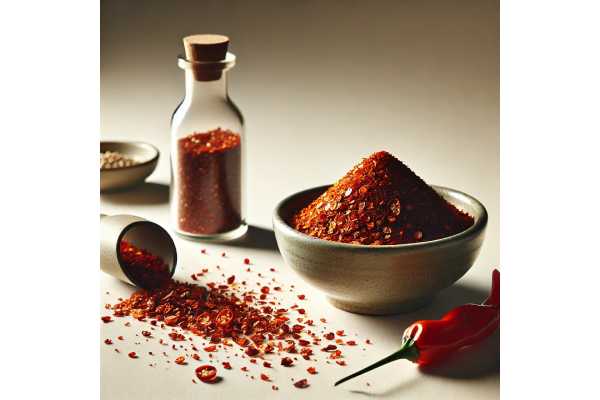
- Drying: Small serranos can be air-dried, dehydrated, or oven-dried at low temperatures until brittle, then stored in airtight jars or ground into chili flakes. Heat may concentrate somewhat during drying.
From a sustainability standpoint, buying local or regionally grown serranos when possible reduces transport impacts and often ensures better freshness. Choosing peppers that match your actual cooking plans, rather than overbuying, is one of the simplest ways to reduce food waste. Using stems and trimmings to flavor stocks or infusions (removing them before serving) can further extend the value of each pepper.
By paying attention to quality, storage, and thoughtful use, you can enjoy serrano chiles at their peak flavor while supporting both nutrition and sustainability goals in your kitchen.
Cooking Serrano Chile for Nutrition
How you prepare serrano chile affects not only its flavor and heat but also its nutrient profile, especially heat-sensitive compounds like vitamin C and volatile aromatics. Understanding these trade-offs lets you choose cooking methods that align with your taste and health priorities.
Eating serrano chile raw preserves the highest levels of vitamin C and many polyphenols. Finely chopping or mincing raw serrano into salsas, salads, and toppings delivers a bright, fresh heat and maximizes water-soluble nutrients. Pairing raw serrano with ingredients rich in healthy fats—such as avocado, olive oil, nuts, or seeds—may help your body absorb fat-soluble carotenoids more efficiently, even though the pepper itself is very low in fat.
Light cooking, such as quick sautéing, stir-frying, or brief roasting, softens the pepper and rounds out its flavor. Moderate heat can reduce some vitamin C but may increase the bioavailability of certain carotenoids by breaking down cell walls. As a result, alternating between raw and lightly cooked preparations yields a good overall balance of nutrients.
High-temperature or prolonged cooking, including deep roasting, grilling over very high heat, or long boiling, tends to reduce vitamin C content and may break down some polyphenols. That said, these methods still have a place, especially when you prioritise flavor depth. Charred serrano blended into sauces or soups offers a complex smoky taste that can encourage you to eat more vegetables overall, which is arguably more important than preserving every milligram of a single nutrient.
A few practical tips can help you manage heat and nutrient retention:
- Control the seeds and membranes. Much of the heat is concentrated in the white pith and seeds. Removing them before cooking yields a milder pepper, while leaving some or all of them in intensifies spice.
- Add serrano toward the end of cooking when you want to retain more vitamin C and a fresher flavor, for example in quick sautés or soups.
- Use minimal water for cooking. Steaming or stir-frying instead of long boiling reduces nutrient leaching into cooking water.
- Capture the cooking liquid. When you do simmer or poach peppers in a sauce or stew, serving the liquid as part of the dish helps retain water-soluble nutrients that migrate out of the pepper.
Marinating or pickling serrano chiles does not add significant calories but changes flavor and texture. Acid from vinegar or citrus can slightly soften the heat perception and add brightness, though it will not remove capsaicin. Pickled serranos are particularly useful as a high-flavor, low-calorie condiment to replace saltier or more processed toppings.
Finally, when handling serrano chiles in the kitchen, prioritize safety: wear gloves if you are sensitive; avoid touching your eyes or face; and clean cutting boards and knives thoroughly afterward. These habits protect you from accidental burns while allowing you to experiment freely with different preparations.
Portions, Comparisons and Common Questions
Because serrano chiles are used mainly as a flavoring rather than a bulk food, thinking in terms of practical portions is helpful. For most adults without gastrointestinal or allergy concerns, one to two small peppers per meal (about 15–30 grams total) is a reasonable culinary serving. That might translate to half a serrano finely minced into a single portion of scrambled eggs, one whole pepper in a bowl of salsa shared among several people, or a couple of thin slices as a garnish.
In terms of frequency, studies on chili pepper intake often compare people who eat spicy food several times per week with those who rarely or never eat it. For practical purposes, using serrano chile two to four times per week fits within this pattern for many individuals and is unlikely to present problems if you tolerate spicy food well and eat an otherwise balanced diet.
When comparing serrano chiles with other peppers:
- Versus jalapeño: Serranos are typically smaller, thinner, and noticeably hotter. A mild serrano can be similar to a hot jalapeño, but at the upper end of their range serranos can be several times spicier. They also tend to taste slightly more herbal and bright.
- Versus habanero or Scotch bonnet: These chiles are far hotter—often ten or more times the heat of serrano—yet also fruity and aromatic. For those looking to increase spice gradually, serrano is a more approachable step between jalapeño and very hot chiles.
- Versus sweet bell peppers: Bell peppers contain almost no capsaicin and are used in much larger quantities as vegetables rather than seasonings. Nutritionally, both serrano and bell peppers offer vitamin C and carotenoids, but serranos deliver substantially more heat in a smaller package.
Common questions include whether serrano chile “burns fat” or “boosts metabolism.” Capsaicin can temporarily increase energy expenditure and may slightly reduce appetite in some settings, but these effects are modest. Serrano peppers are best viewed as one supportive factor in an overall healthy diet rather than a weight-loss solution.
Another frequent concern is whether serranos damage the stomach or cause ulcers. Current evidence indicates that moderate chili consumption is unlikely to cause ulcers in healthy people and may even have protective effects in certain contexts. However, those with existing reflux, ulcers, or functional gut disorders often experience symptom flares after eating spicy foods, so their tolerance thresholds may be much lower.
Lastly, some wonder if it is safe to eat serrano seeds. The seeds themselves are not toxic; they simply carry significant heat due to their proximity to the capsaicin-rich membranes. Whether you include them is a matter of taste and tolerance.
If you are unsure how much serrano chile is appropriate for you, start with a small amount, observe how your body responds over several meals, and adjust gradually. People with complex medical conditions, particularly involving the digestive tract or chronic pain, should discuss spicy food intake with their healthcare provider for individualized guidance.
References
- USDA FoodData Central: Serrano Peppers, Raw 2024 (Database)
- A Comprehensive Review of Capsaicin: Biosynthesis, Bioactivity, and Applications 2024 (Systematic Review)
- Chili Pepper Consumption and Mortality in Italian Adults 2019 (Cohort Study)
- Chili Pepper Intake and All Cause and Disease Specific Mortality: A Meta Analysis 2022 (Meta-Analysis)
- High Capsaicin Levels Can Harbour Health Risks 2024 (Risk Assessment)
Disclaimer
The information in this article is intended for general educational purposes only and does not replace personalized advice from a qualified healthcare professional. Serrano chiles and other spicy foods can affect individuals differently depending on medical history, medications, and overall diet. Always consult your physician, registered dietitian, or other licensed health professional before making significant changes to your eating pattern, especially if you have digestive disease, cardiovascular problems, allergies, are pregnant, or take regular prescription medications. Never ignore or delay seeking professional medical guidance because of something you read online.
If you found this overview helpful, you are warmly invited to share it with others on Facebook, X (formerly Twitter), or any platform you prefer. Your thoughtful sharing supports our ability to keep creating clear, evidence-informed nutrition content for readers around the world.