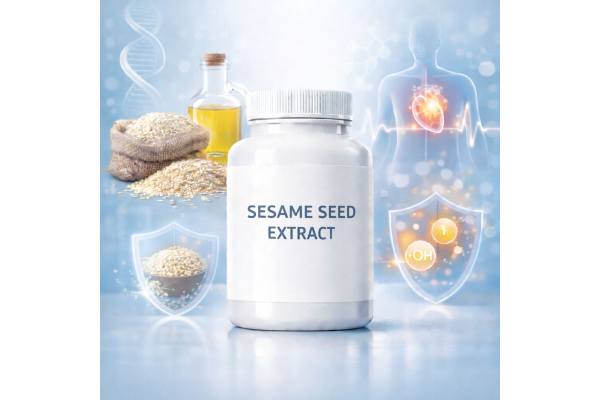
Sesame seed extract has moved from a niche ingredient in functional foods to a common component in supplements for heart health, metabolic support, and antioxidant protection. Concentrated from the seeds of Sesamum indicum, it is typically standardized for sesame lignans such as sesamin and sesamolin, compounds that have been studied for their effects on cholesterol, blood pressure, inflammation, and liver fat. Unlike simply sprinkling sesame seeds on food, a measured extract delivers a known dose of active constituents in capsules, tablets, or liquid drops.
Research suggests that sesame preparations may modestly improve total and LDL cholesterol, support healthier blood pressure, and reduce markers of oxidative stress. Some trials also indicate potential benefits for fatty liver, blood sugar control, and age-related memory changes. At the same time, sesame remains a common allergen, and extracts are not risk-free. This guide walks you through what sesame seed extract is, how it works, its potential benefits and limitations, suggested dosage ranges, and who should use it with caution.
Key Insights for Sesame Seed Extract
- Sesame seed extract provides concentrated lignans that may support cholesterol, blood pressure, and liver health when used alongside diet and lifestyle changes.
- Antioxidant and anti-inflammatory actions of sesamin and related compounds may help protect blood vessels and liver cells from oxidative damage.
- Common supplement doses range from about 100–600 mg of standardized sesame lignans per day or around 1.5 g of sesame seed extract in clinical-style products.
- People with known sesame allergy, bleeding disorders, or those taking blood thinning or blood pressure medications should avoid or use sesame seed extract only under medical supervision.
- Pregnant or breastfeeding individuals and children should not use sesame seed extract supplements unless specifically advised by a qualified clinician.
Table of Contents
- What is sesame seed extract?
- How sesame seed extract works in the body
- Evidence based benefits of sesame seed extract
- How to take sesame seed extract and typical dosage
- Safety, side effects, and who should avoid sesame seed extract
- How to choose a sesame seed extract supplement
- References
What is sesame seed extract?
Sesame seed extract is a concentrated preparation made from the seeds of Sesamum indicum, an oilseed crop used for thousands of years as food and traditional medicine. While whole sesame seeds and sesame oil are well known in cooking, extracts are produced to isolate and standardize specific bioactive compounds, particularly sesame lignans such as sesamin, sesamolin, and their metabolites, as well as sesamol and related antioxidants.
Manufacturers usually obtain the extract from dehulled sesame seeds, sesame meal (the defatted “cake” left after oil pressing), or whole seeds using water, ethanol, or mixed-solvent extraction. The resulting extract is then dried to a powder and standardized to a particular percentage of lignans, often in the range of 5–60% sesamin and related compounds, depending on the product. This powder can be encapsulated, pressed into tablets, or blended into functional foods and beverages.
It is important to distinguish sesame seed extract from sesame oil. Sesame oil is primarily a dietary fat used for cooking, with naturally occurring lignans in lower concentrations. Standardized extracts, by contrast, are designed to deliver a predictable amount of lignans and polyphenols in small volumes. Some supplements combine sesame seed extract with vitamin E, fish oil, or plant sterols to target cardiovascular and antioxidant support.
Consumers turn to sesame seed extract for a range of goals: supporting healthy cholesterol and triglyceride levels, aiding blood pressure control, complementing treatment for metabolic syndrome or fatty liver, or adding antioxidant support during periods of high oxidative stress. However, effects are modest and work best as part of a comprehensive plan that includes diet, physical activity, sleep, and appropriate medical care, rather than as a stand-alone fix.
How sesame seed extract works in the body
The health effects of sesame seed extract largely come from its lignans and related phenolic compounds. Sesamin and sesamolin are fat-soluble molecules that interact with several metabolic and signaling pathways involved in lipid handling, oxidative stress, inflammation, and vascular function.
One major mechanism is modulation of lipid metabolism in the liver. Sesamin appears to down-regulate enzymes that drive fatty acid synthesis while up-regulating those that support fatty acid oxidation. In simple terms, the liver may create less new fat and burn more existing fat, which can translate into lower circulating triglycerides and improved profiles of total and LDL cholesterol when combined with a supportive diet.
Sesame lignans also influence cholesterol handling through effects on bile acid synthesis and excretion. They may promote conversion of cholesterol into bile acids and their elimination via the gut, which gently pulls more cholesterol out of circulation over time. This mechanism resembles, though is weaker than, that of some plant sterols and bile acid–binding agents.
On the antioxidant front, sesame seed extract can scavenge reactive oxygen species and enhance the activity of endogenous antioxidant enzymes such as superoxide dismutase and glutathione peroxidase. By dampening oxidative stress in blood vessels and liver tissue, sesame lignans may help limit LDL oxidation, endothelial dysfunction, and fat accumulation in the liver.
Anti-inflammatory actions add another layer. Sesamin and related compounds have been shown to reduce the expression of inflammatory mediators, including nuclear factor-kappa B (NF-κB) and certain cytokines. This may contribute to observed reductions in C-reactive protein and other inflammatory markers in some studies of sesame preparations.
There is also evidence that sesame lignans interact with nuclear receptors such as peroxisome proliferator-activated receptors (PPARs), which regulate genes involved in glucose and lipid metabolism. Through these pathways, sesame seed extract may modestly affect insulin sensitivity and fasting glucose, although findings are not uniform across trials.
Finally, sesame oil cake extract used in cognitive studies may exert neuroprotective effects through a combination of antioxidant activity, improved cerebral blood flow, and reduced neuroinflammation. These mechanisms are still being clarified and should be interpreted cautiously.
Evidence based benefits of sesame seed extract
Most of the human data related to sesame seed extract come from trials using sesame lignan concentrates, sesame oil, or sesame oil cake extract. The quality of evidence varies, but several patterns are reasonably consistent, especially when supplements are used alongside dietary modification.
For blood lipids and cardiovascular markers, randomized controlled trials and pooled analyses show that sesame lignan supplementation can modestly reduce total and LDL cholesterol and systolic blood pressure in adults with elevated cardiometabolic risk. Average reductions in LDL cholesterol are in the range often described as small but clinically meaningful over time, particularly for individuals already working on diet, exercise, and medication where appropriate. Effects on HDL cholesterol and triglycerides are less consistent.
In people with type 2 diabetes or metabolic syndrome, sesame preparations have been associated with improvements in fasting blood glucose, hemoglobin A1c, insulin resistance indices, and some inflammatory biomarkers. These benefits appear strongest when sesame oil or lignan extracts are used as an adjunct to standard therapies and dietary interventions, not as a replacement for them.
Sesame seed extract may also support liver health, particularly in the context of non-alcoholic fatty liver disease and metabolic syndrome. Studies using sesame oil or lignan-rich preparations have reported reductions in liver enzyme levels and imaging evidence of decreased liver fat in some participants. The likely mechanisms include enhanced fat oxidation, lowered oxidative stress, and reduced inflammation within liver tissue.
A randomized, double-blind, placebo-controlled pilot study using a sesame oil cake extract in older adults with subjective memory complaints found improvements in certain measures of verbal memory and attention over 12 weeks, with good overall tolerability. While promising, this represents early evidence and needs replication in larger and more diverse populations before firm conclusions can be drawn.
Additional potential benefits, supported mainly by smaller or short-term trials, include modest reductions in body weight or waist circumference, improvements in arterial stiffness and vascular function, and reduced levels of oxidative stress markers. Animal and mechanistic studies suggest further roles in joint protection, immune regulation, and neuroprotection, but these have not been well confirmed in large human studies.
Overall, the strongest evidence for sesame seed extract and related sesame preparations lies in cardiometabolic support: aiding healthy lipid profiles, blood pressure, glycemic control, and liver fat when combined with lifestyle modification. Benefits are generally modest rather than dramatic, and responses vary between individuals.
How to take sesame seed extract and typical dosage
Sesame seed extract supplements are available in capsules, tablets, powders, and occasionally liquids. Most products are standardized either to a specific lignan content (for example, sesamin measured in milligrams) or to a certain amount of total sesame lignans per serving. Because formulations vary, it is important to read labels carefully and, ideally, involve a healthcare professional in dosage decisions.
In clinical research, common daily intakes of sesame lignans fall in the range of about 100–600 mg of sesamin or mixed lignans, often split into two or three doses with meals. Some cardiometabolic studies have used around 200 mg of sesamin per day over eight weeks. Trials with sesame oil cake extract for cognitive support have used total extract doses around 1.5 g per day, typically divided into multiple capsules.
For general cardiometabolic support in adults, a pragmatic starting approach under professional guidance might look like:
- Beginning with the lowest dose suggested on the product label (for example, providing about 100–200 mg of sesame lignans per day).
- Taking the supplement with food to minimize digestive discomfort and support absorption of fat-soluble constituents.
- Maintaining the initial dose for 4–8 weeks while monitoring lipid panels, blood pressure, and any side effects.
- Adjusting the dose upward toward the mid-range only if well tolerated and if additional support is needed, always within the labeled maximum and medical advice.
People using sesame seed extract specifically for memory or cognitive support should look for products that clearly state the amount of extract per capsule and the standardization used, then align as closely as possible with the doses studied in clinical trials, again under medical supervision.
Because sesame lignans are fat-soluble, some practitioners prefer combining sesame seed extract with meals that contain healthy fats or pairing it with fish oil or vitamin E, as this may enhance bioavailability and synergistic antioxidant effects. However, combining multiple supplements that affect blood lipids, coagulation, or blood pressure should only be done with professional oversight.
Importantly, sesame seed extract is not suitable as a self-prescribed treatment for high cholesterol, hypertension, diabetes, or liver disease. For these conditions, it should be considered only as an adjunct to standard medical care, and dosage should be individualized based on comorbidities, medications, and laboratory follow-up.
Safety, side effects, and who should avoid sesame seed extract
In human trials, sesame seed extract and related sesame preparations are generally well tolerated, with side effects typically mild and transient. The most commonly reported issues include digestive symptoms such as nausea, bloating, soft stools, or diarrhea, especially at higher doses or when taken on an empty stomach. Occasional reports of headache, fatigue, or a feeling of warmth or flushing have also been noted.
The most important safety concern is allergy. Sesame is a well-recognized food allergen, and reactions can range from mild skin symptoms to severe anaphylaxis. Anyone with a known sesame allergy, suspected sensitivity, or a history of reactions to sesame seeds, tahini, or sesame oil should avoid sesame seed extract entirely unless an allergist explicitly advises otherwise. People with multiple seed or nut allergies should also be particularly cautious.
Sesame seed extract may interact with certain medications and health conditions:
- Blood thinning and antiplatelet drugs: By affecting platelet function and oxidative stress, sesame lignans might theoretically influence bleeding risk when combined with anticoagulants or antiplatelet agents.
- Blood pressure and lipid-lowering medications: Because sesame preparations can modestly lower blood pressure and cholesterol, there is potential for additive effects when taken with antihypertensive or lipid-lowering drugs, requiring closer monitoring.
- Diabetes medications: Improvements in insulin sensitivity and glycemic markers, while generally helpful, may necessitate adjustment of medication doses to avoid hypoglycemia.
Special populations require extra caution. There is limited high-quality safety data for sesame seed extract in pregnancy or breastfeeding, so routine use is not recommended without specific medical justification. Similarly, there are few data in children and adolescents, and supplements should not be given to them without pediatric guidance.
People with active liver disease, kidney disease, bleeding disorders, or upcoming surgery should consult their physicians before using sesame seed extract. In such contexts, full disclosure of all supplements is essential so that clinicians can weigh potential benefits against risks.
As with any supplement, quality matters. Poorly manufactured products may contain contaminants, undeclared allergens, or inaccurate dosages, which can increase the risk of side effects. Using products that undergo third-party testing can reduce these risks.
If new symptoms such as rash, itching, swelling, breathing difficulty, severe abdominal pain, or unusual bruising occur after starting sesame seed extract, the supplement should be stopped immediately and urgent medical care sought.
How to choose a sesame seed extract supplement
Selecting a sesame seed extract supplement involves more than picking the first product on the shelf. Because extracts vary widely in source material, extraction methods, and standardization, paying attention to detail can help you choose a safer and more effective option.
Start by looking for clear labeling. A high-quality product will specify:
- The plant source (for example, Sesamum indicum seeds or sesame meal).
- The type of extract (such as ethanol extract, water extract, or oil-based concentrate).
- The standardization, usually expressed as milligrams of sesamin or total sesame lignans per serving, rather than only listing the total extract weight.
Avoid products that hide active amounts behind vague “proprietary blends,” since this makes it impossible to know whether you are receiving a dose similar to those studied in research.
Next, consider quality assurance. Reputable manufacturers often use third-party testing to confirm identity, purity, and potency and to screen for heavy metals, pesticides, and microbial contamination. Certifications or seals from independent testing organizations can provide additional reassurance. If available, a certificate of analysis (COA) that matches the lot number on the bottle is ideal.
Formulation details also matter. Some products combine sesame seed extract with other ingredients such as vitamin E, fish oil, plant sterols, or curcumin. These combinations may make sense in specific cardiometabolic contexts but can also complicate drug interactions and dosage. If you already take medications or multiple supplements, simpler formulations are often easier for your clinician to evaluate.
Check for allergens and excipients on the label, especially if you have sensitivities. While sesame itself is the active ingredient, some capsules may include soy, gluten, colorants, or other additives. Choose products that align with your dietary and ethical preferences, such as vegetarian capsules, where relevant.
Price should not be the only deciding factor, but extremely low-cost products can be a red flag for poor quality control. Conversely, very high prices do not guarantee superiority. Comparing several brands on standardization, testing, and transparency can help you identify reasonable options.
Finally, involve a healthcare professional. Sharing the exact product, dose, and intended duration with a doctor, pharmacist, or nutrition-trained practitioner allows them to check for interactions, ensure it fits into your broader treatment plan, and help you monitor outcomes through appropriate lab testing and clinical follow-up.
References
- The Effects of Sesamin Supplementation on Obesity, Blood Pressure, and Lipid Profile: A Systematic Review and Meta-Analysis of Randomized Controlled Trials 2022 (Systematic Review and Meta-Analysis)
- Therapeutic Effectiveness of Sesame Preparations and its Bioactive Ingredients in Management of Cardiometabolic Syndrome in Diabetes Mellitus: A Systematic Review 2023 (Systematic Review)
- Efficacy and Safety of Sesame Oil Cake Extract on Memory Function Improvement: A 12-Week, Randomized, Double-Blind, Placebo-Controlled Pilot Study 2021 (RCT)
- Sesame fractions and lipid profiles: a systematic review and meta-analysis of controlled trials 2016 (Systematic Review and Meta-Analysis)
- Sesame Seeds: A Nutrient-Rich Superfood 2024 (Review)
Disclaimer
The information in this article is for educational purposes only and does not constitute medical, nutritional, or pharmaceutical advice. Sesame seed extract is not intended to diagnose, treat, cure, or prevent any disease. Individual responses to supplements vary, and potential benefits or risks depend on personal health status, medications, and lifestyle. Always consult a qualified healthcare professional before starting, stopping, or changing any supplement, especially if you have existing medical conditions, take prescription or over-the-counter medications, are pregnant or breastfeeding, or are considering supplements for a child.
If you found this guide helpful, you are warmly invited to share it with others on Facebook, X (formerly Twitter), or any platform you prefer, and to follow our work on social media. Your support in sharing our content helps our team continue to research, write, and provide high-quality, evidence-informed health information for a wider community.