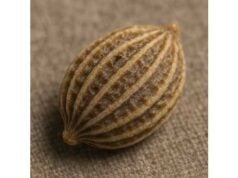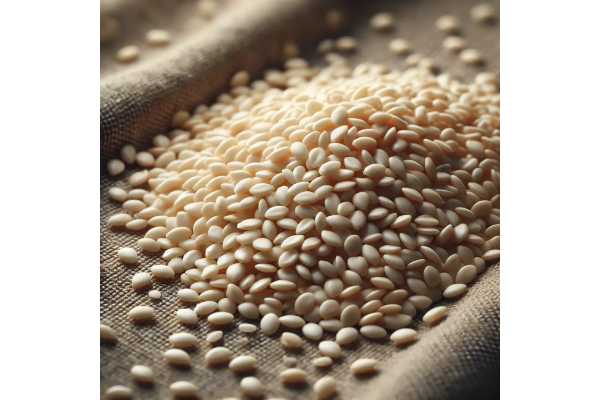
Sesame seeds are small, oil-rich seeds with a long culinary history and an outsized nutrition profile. A spoonful adds toasty flavor, satisfying crunch, and a concentrated source of healthy fats, minerals like calcium and magnesium, and unique lignans such as sesamin and sesamolin. Whether sprinkled over bread, blended into tahini, or pressed into aromatic oils, sesame brings both taste and function to meals. Unhulled (whole) seeds are especially mineral-dense, while hulled kernels offer a milder bite and smoother texture. Beyond nutrients, sesame’s phytosterols and gamma-tocopherol support heart-smart eating patterns, and its fiber helps with fullness. There are, however, real considerations: sesame is a major allergen, and ready-to-eat sesame pastes can face contamination risks without proper handling. This guide takes you through what matters most—nutrition per 100 g, evidence-based benefits, allergy and interaction notes, smart selection and storage, preparation tips that preserve value, and practical portions.
Top Highlights
- Delivers minerals (calcium, magnesium, zinc) and heart-healthy unsaturated fats per small serving.
- Sesame lignans (sesamin, sesamolin) and phytosterols support cholesterol management.
- Typical portion: 1–2 tablespoons (9–18 g), 3–7 times per week within calorie needs.
- Major allergen: avoid if you have a confirmed sesame allergy; use caution with tahini for cross-contact.
- People with kidney stone history or on anticoagulants should discuss high-intake use with a clinician.
Table of Contents
- Sesame Seeds: Detailed Overview
- Sesame Seeds Nutrition Profile
- Sesame Seed Health Benefits
- Risks, Allergies and Interactions
- Selecting, Quality, Sustainability and Storage
- Preparation, Cooking and Nutrient Retention
- Portions, Comparisons and FAQs
Sesame Seeds: Detailed Overview
Sesame (Sesamum indicum) is among the oldest cultivated oilseeds, prized for its nutty flavor, stability against oxidation, and culinary versatility. Each seed is a compact package of fat, protein, fiber, and minerals. Most varieties you see—white, ivory, golden, brown, and black—share core nutrition, yet differ in hull, pigment, and taste. Unhulled seeds retain their fibrous coat and deliver notably higher calcium and certain trace minerals. Hulled kernels (decorticated) have the coat removed, yielding a softer bite and lighter color; they are common in baking, sushi, and confectionery. Black sesame often tastes slightly earthier and is favored in East Asian desserts and pastes.
Culinary forms matter. Whole seeds are used as toppings, in spice blends (gomasio, dukkah, furikake), and in crusts for fish or tofu. Ground sesame becomes tahini, a base for hummus, dressings, and desserts like halva. Sesame oil appears in two main styles: untoasted (light, neutral oil for cooking and dressings) and toasted (dark, aromatic finishing oil used drop-by-drop for flavor). Because sesame oil is rich in unsaturated fats and naturally occurring antioxidants (notably lignans and gamma-tocopherol), it resists rancidity better than many seed oils, though storage still matters.
From a nutrition standpoint, sesame seeds stand out for:
- Healthy fats: predominantly monounsaturated and polyunsaturated fats with small amounts of alpha-linolenic acid (ALA, omega-3) and a substantial linoleic acid (omega-6) contribution.
- Minerals: calcium, magnesium, phosphorus, copper, manganese, zinc, and iron in meaningful quantities—especially in unhulled seeds.
- Bioactives: sesame lignans (sesamin, sesamolin, sesamol, sesaminol) and phytosterols, which contribute to antioxidant capacity and cholesterol management mechanisms.
- Fiber and protein: fiber supports satiety and bowel regularity; protein quality benefits from pairing with legumes or dairy to round out lysine, which is relatively lower in sesame.
Context is key. Sesame is calorie-dense, so portions are small. Benefits typically accrue within balanced dietary patterns (Mediterranean, plant-forward, DASH-style) rather than from isolated high intakes. People with confirmed sesame allergy must avoid it entirely, and those with specific health conditions (e.g., history of calcium-oxalate kidney stones, those on anticoagulants) should tailor intake with professional guidance. The sections below translate these nuances into actionable details.
Sesame Seeds Nutrition Profile
Notes on form: The primary table below reflects whole, dried (unhulled) sesame seeds per 100 g. A second table shows hulled kernels (toasted, decorticated) to highlight contrasts. Values are rounded to sensible precision. Daily Values (%DV) use current U.S. labeling standards. No fortification assumed.
Macros and Electrolytes (per 100 g, unhulled)
| Nutrient | Amount | %DV |
|---|---|---|
| Energy | 578 kcal | — |
| Protein | 17.8 g | 36% |
| Total fat | 50.0 g | 64% |
| Saturated fat | 7.0 g | 35% |
| Total carbohydrate | 23.3 g | 8% |
| Dietary fiber | 12.2 g | 44% |
| Total sugars | 0.3 g | — |
| Sodium | 11 mg | 0% |
| Potassium | 469 mg | 10% |
| Water | ~5 g | — |
Fats and Fatty Acids (per 100 g, unhulled)
| Component | Amount | %DV* |
|---|---|---|
| Monounsaturated fat (primarily oleic) | ~18.8 g | — |
| Polyunsaturated fat (primarily linoleic, omega-6) | ~21.4 g | — |
| Alpha-linolenic acid (ALA, omega-3) | ~0.38 g | 24%* |
| Cholesterol | 0 mg | 0% |
*%DV for ALA uses 1.6 g/day reference.
Minerals (per 100 g, unhulled)
| Mineral | Amount | %DV |
|---|---|---|
| Calcium | 976 mg | 75% |
| Iron | 14.4 mg | 80% |
| Magnesium | 351 mg | 84% |
| Phosphorus | 629 mg | 50% |
| Zinc | 7.8 mg | 71% |
| Copper | 4.1 mg | 456% |
| Manganese | 2.4 mg | 106% |
| Selenium | 35 μg (approx.) | 64% |
Vitamins (per 100 g, unhulled)
| Vitamin | Amount | %DV |
|---|---|---|
| Thiamin (B1) | 0.78 mg | 65% |
| Riboflavin (B2) | 0.22 mg | 17% |
| Niacin (B3) | 4.6 mg | 29% |
| Vitamin B6 | 0.78 mg | 46% |
| Folate (DFE) | 97 μg | 24% |
| Vitamin E (alpha-tocopherol) | ~0.2 mg | 1% |
| Vitamin K | Trace | — |
Bioactives/Phytonutrients (typical ranges)
| Compound/Class | Typical Level (per 100 g) | Notes |
|---|---|---|
| Total phytosterols | ~400–700 mg | Helps reduce cholesterol absorption. |
| Lignans (sesamin, sesamolin, sesamol, sesaminol) | mg-level per g seed | Antioxidant; contributes to lipid and BP effects. |
| Gamma-tocopherol (vitamin E form) | often tens of mg | Major tocopherol form in sesame; not shown on standard labels. |
Anti-nutrients (contextual)
| Factor | Approximate Range | Impact and Mitigation |
|---|---|---|
| Phytate (phytic acid) | ~1–5% of dry weight | Can bind minerals; soaking, sprouting, fermenting, or using tahini with vitamin C-rich foods helps. |
| Oxalates | variable (hundreds mg/100 g) | High-oxalate food; moderation advised for stone-formers. |
Hulled Kernels (Toasted, Decorticated) — Selected Nutrients (per 100 g)
| Nutrient | Amount | %DV |
|---|---|---|
| Energy | ~600–630 kcal | — |
| Protein | ~17–22 g | 34–44% |
| Total fat | ~48–61 g | 62–78% |
| Fiber | ~17–22 g | 61–79% |
| Calcium | ~60–180 mg (much lower than unhulled) | 5–14% |
| Iron | ~8–12 mg | 44–67% |
| Phosphorus | ~900–1000 mg | 72–80% |
Interpretation tips
- Calcium: Most of sesame’s calcium resides in the hull. Unhulled seeds (and black sesame) vastly outpace hulled kernels for calcium.
- Fiber: Toasted hulled kernels can still be fiber-rich, but absolute values vary with degree of dehulling and roast.
- Fats: Both forms are concentrated sources of unsaturated fat; toasted products may show slight shifts from moisture loss and roast effects.
- Label variability: Expect differences by variety (white vs black), origin, and processing (raw, roasted, hulled/unhulled).
Sesame Seed Health Benefits
1) Heart-smart fats and phytosterols
Sesame seeds supply predominantly unsaturated fats, including oleic (MUFA) and linoleic (PUFA) acids. Replacing part of the diet’s saturated fat with these fats supports favorable lipid profiles. Phytosterols add a second mechanism by competing with dietary cholesterol for absorption in the gut. Practical implication: routine use of sesame (sprinkled on salads, stirred into yogurt, blended into dressings) can be one component of a diet that helps manage LDL-cholesterol.
2) Lignans that work with vitamin E
Sesamin and sesamolin—sesame’s signature lignans—are metabolized into compounds that exhibit antioxidant and anti-inflammatory activity. They also interact with vitamin E pathways, with gamma-tocopherol being a dominant form in sesame. This synergy likely contributes to the oxidative stability of sesame oil and may play a role in cardiometabolic outcomes observed in trials of sesame foods and oils.
3) Blood pressure and weight-adjacent outcomes
Controlled trials pooling sesame foods (seeds, pastes, oils) suggest modest reductions in systolic and diastolic blood pressure alongside improvements in total cholesterol and triglycerides. The plausible drivers include increased unsaturated fat intake, phytosterol-mediated cholesterol reduction, lignan effects on endothelial function, and mild diuretic/vasomodulatory actions noted in mechanistic studies. While sesame is not a replacement for medication, it can support a BP-friendly eating pattern (e.g., DASH or Mediterranean style).
4) Mineral density for bones and metabolism
Unhulled sesame is notable for calcium, magnesium, phosphorus, and trace minerals like copper and manganese. Calcium supports bones and teeth; magnesium contributes to muscle and nerve function and glucose metabolism; copper and manganese participate in antioxidant enzymes (superoxide dismutase, among others). Because much of sesame’s calcium is bound in the hull—and partly in less absorbable forms—pairing sesame with vitamin C-rich produce and fermented foods can improve mineral bioavailability. Grinding (tahini) and light thermal processing also help.
5) Fiber for satiety and glycemic steadiness
A tablespoon of sesame provides meaningful fiber within a tiny volume. Across the day, this fiber can add up, lending satiety and supporting regularity. Sesame’s low available carbohydrate and high fat content keep glycemic load very low—particularly relevant when sesame replaces refined toppings and spreads.
6) Culinary use that promotes overall diet quality
In practice, sesame is a “vehicle” for vegetables, legumes, fish, and whole grains: tahini dressings on grain bowls, sesame-crusted tofu on stir-fried greens, or toasted seeds over roasted carrots. These pairings matter; they elevate overall diet quality and make nutrient-dense choices more appealing and sustainable.
How much is enough?
For most adults without allergy or special restrictions, 1–2 tablespoons (9–18 g) per day as part of varied meals is a practical, health-supportive range. Benefits in trials are often seen with daily inclusion of sesame foods over weeks to months. Emphasize whole-diet patterns—sesame complements, rather than replaces, fundamentals like vegetables, pulses, fruits, whole grains, and lean proteins.
Risks, Allergies and Interactions
Major allergen
Sesame is a recognized major food allergen in many regions. Reactions can be severe and include anaphylaxis. Allergen labeling requirements now identify sesame on packaged foods, but cross-contact remains a risk—especially in bakeries, spice blends, and restaurants. Sesame allergens (Ses i 1–8) include storage proteins and oleosins that can withstand processing. If you suspect allergy, seek evaluation by an allergy specialist; diagnosis often requires a careful history, selective testing (including component testing), and, when appropriate, supervised oral food challenges. Avoidance is the standard management; carry epinephrine if prescribed.
Microbial contamination in ready-to-eat pastes
Tahini and tahini-based dips are low-moisture foods that have been implicated in Salmonella outbreaks. Home handling matters: use clean spoons, keep containers sealed, refrigerate after opening if the label advises, and discard products beyond recommended storage time. Commercial recalls underscore the need to check lot codes and follow safety notices.
Kidney stone considerations
Sesame is naturally high in oxalates, and unhulled seeds also contain phytate. In people with a history of calcium-oxalate kidney stones, very high intake of oxalate-rich foods can contribute to urinary oxalate load. This does not mean sesame must be eliminated; rather, keep portions modest (e.g., 1 tablespoon at a time), pair with calcium-containing foods to bind oxalate in the gut, and diversify seed and nut choices. Discuss individualized limits with a clinician or dietitian.
Medication and condition notes
- Anticoagulants/antiplatelets: Diets very high in omega-3s and certain polyphenols can influence bleeding risk. Sesame’s omega-3 contribution is modest, but if you use large amounts of sesame oil or concentrates alongside supplements and fatty fish, coordinate with your clinician.
- Mineral-binding: Phytate can reduce mineral absorption; varied diet patterns and preparation (soaking, sprouting, fermenting, grinding to tahini) mitigate this.
- Infants and toddlers: Whole seeds can pose a choking risk; use sesame pastes or finely ground forms appropriate for age, following pediatric guidance—especially if there is a strong family history of food allergies.
Allergen-aware kitchen practices
If someone in your household is allergic:
- Keep sesame seeds, tahini, and sesame oils sealed and stored separately.
- Use separate utensils and prep areas; wash hands and surfaces thoroughly.
- Verify “may contain” statements and manufacturer allergen practices for breads, crackers, spice blends, and sauces.
Selecting, Quality, Sustainability and Storage
Choosing seeds and tahini
- Color and hull: Unhulled white or black seeds have a firmer texture and higher mineral content; hulled seeds are gentler and common for baking and sushi. Black sesame is prized for desserts and pastes with a deeper, slightly bitter flavor.
- Freshness cues: Look for a clean, toasty aroma (if roasted) without rancid or paint-like notes. Seeds should be dry, free-flowing, and free of debris. Tahini should smell fresh, with oil separation that stirs back to a smooth pour.
- Ingredient list: For tahini, single-ingredient jars (“sesame seeds”) signal minimal processing; salt is optional. Avoid unnecessary stabilizers if you prefer a pure profile.
- Oil style: Choose untoasted sesame oil for neutral cooking and dressings and toasted sesame oil as a finishing oil for aroma and depth.
Sustainability and sourcing
Sesame is drought-tolerant and often grown in semi-arid regions. Sustainable sourcing focuses on:
- Origin transparency: Regions with established quality systems (e.g., Ethiopia, India, Sudan, Mexico) export distinctive varieties.
- Minimal processing: Whole seeds and single-ingredient tahini reduce packaging and additives.
- Fair trade and smallholder support: Where available, these programs can improve livelihoods in sesame-growing communities.
- Oil extraction: Cold-pressed or minimally refined oils may conserve bioactives; hot-pressed oils develop stronger roast notes but can use more energy. Either can fit a sustainable pantry when used mindfully.
Storage to protect flavor and nutrients
- Whole seeds: Keep tightly sealed in a cool, dark cupboard for up to 6 months; refrigerate or freeze for longer (up to one year). Light and heat accelerate rancidity.
- Tahini: Store unopened in a cool cabinet; refrigerate after opening if the label advises or if you use it slowly. Stir periodically to recombine oil. Consume within manufacturer guidance (often 3–6 months after opening).
- Oils: Keep in dark glass; store away from heat and light. Use untoasted oil within several months of opening; toasted oils are often used quickly due to strong flavor.
Quality check at home
Before using, taste a pinch of seeds or a dab of tahini: any bitterness beyond normal roast, stale cardboard notes, or sharp metallic aromas signal oxidation. When in doubt, discard.
Preparation, Cooking and Nutrient Retention
Roasting to develop flavor—without overdoing it
Light to moderate roasting (for seeds: 150–180 °C / 300–355 °F, 5–10 minutes; stir once) unlocks aroma and improves crunch. Roast just until fragrant and lightly golden; over-roasting can degrade phenolics and produce bitter notes. Roasting may increase extractable oil and certain lignan-derived antioxidants in oils, yet very high temperatures can reduce delicate compounds. Aim for gentle heat and short times.
Grinding and mixing for better bioavailability
Grinding seeds into tahini or sesame flour mechanically breaks cell walls, making minerals and lignans more accessible. Pairing tahini with vitamin C-rich foods (lemon juice in dressings, tomatoes, peppers) can counter phytate’s mineral-binding effect. Fermented accompaniments (yogurt, miso, kimchi) may also support mineral uptake.
Soaking, sprouting, fermenting
Traditional techniques reduce anti-nutrients and can enhance mineral extractability:
- Soak seeds briefly (30–120 minutes) before roasting for softer texture.
- Sprout/germinate under safe, clean conditions to decrease phytate and oxalate; dry thoroughly before storage.
- Ferment in composite foods (e.g., sourdough breads, yogurt-tahini sauces) to introduce organic acids that assist mineral absorption.
Everyday methods and when to use each
- Dry-toast seeds in a skillet for quick toppings—low risk of burning if you keep seeds moving and remove promptly once fragrant.
- Bake on crusts (salmon, chicken, tofu): brush with egg or yogurt to help seeds adhere; bake at moderate heat to avoid scorching.
- Blend into dressings and sauces: tahini emulsifies easily with lemon juice and water; thin to your preferred pour.
- Add to batters and doughs: for breads, muffins, crackers; consider a mix of hulled (tender) and unhulled (crunch, calcium).
- Finish with toasted oil: a few drops of toasted sesame oil transform stir-fries, noodles, and soups; use sparingly for balance.
Safety in the kitchen
- Use clean, dry utensils in tahini jars; avoid “double-dipping.”
- For sprouting at home, sanitize equipment, rinse seeds thoroughly, and refrigerate promptly once sprouted.
- Be allergy-aware: prevent cross-contact by separating tools and storage.
Retention takeaways
Gentle roasting and grinding tend to improve palatability and access to lignans and minerals; excessive heat and prolonged storage erode aroma and sensitive compounds. Smart pairing (vitamin C, fermented foods) and traditional methods (sprouting, fermenting) help you get the most from small portions.
Portions, Comparisons and FAQs
Recommended portions
- Everyday use: 1 tablespoon (≈9 g) at a time; 1–2 tablespoons per day fits most balanced diets.
- Weekly cadence: 3–7 days per week, adjusting for calorie needs and overall fat intake.
- Children: Use age-appropriate textures (tahini, finely ground). Confirm with a pediatric clinician if there is allergy risk.
How sesame compares with other seeds (per 30 g / ~3 tbsp)
- Sesame (unhulled): ~173 kcal, ~5.3 g protein, ~15 g fat, ~3.7 g fiber, standout calcium and copper.
- Sunflower kernels: similar calories and fat; more vitamin E (alpha-tocopherol), less calcium.
- Pumpkin seeds (pepitas): similar protein, higher magnesium and zinc, less calcium.
- Chia: higher fiber and omega-3 ALA; gel-forming texture; different culinary uses.
- Flax: rich in ALA and lignans (secoisolariciresinol diglucoside), but needs grinding for absorption.
Frequently asked questions
- Do black sesame seeds have different nutrition?
Differences are modest for macros; black sesame may carry slightly higher antioxidant pigments and, depending on hull retention, more minerals. Flavor is deeper and slightly bitter—excellent for desserts and pastes. - Is sesame oil “healthy”?
Used in small amounts, both toasted and untoasted sesame oils deliver unsaturated fats and lignan-related antioxidants. Because oils are calorie-dense, a light hand goes a long way. Use toasted oil as a finishing accent; use untoasted for light sautéing and dressings. - Can sesame help lower cholesterol or blood pressure?
When sesame foods replace less-healthy fats and are part of an overall heart-smart pattern, modest improvements in LDL-cholesterol and blood pressure have been observed in clinical trials. Results depend on the whole diet and consistency over time. - What about oxalates and phytates?
Sesame is high in both. Most people can enjoy small portions without issue. If you form calcium-oxalate kidney stones, keep portions modest, pair sesame with calcium-containing foods, and diversify your seeds and nuts. - How should I introduce sesame to infants?
Follow pediatric guidance. Many families start with thin tahini mixed into purees or yogurt. This reduces choking risk and allows careful observation for allergy signs. - Is tahini shelf-stable?
Unopened jars are typically shelf-stable; after opening, follow the label. Stir to recombine oil, keep the rim clean, and refrigerate if storing for longer than a few weeks or in warm climates.
References
- Sesame (Sesamum indicum L.): A Comprehensive Review of Nutritional Value, Phytochemical Composition, Health Benefits, Development of Food, and Industrial Applications 2022 (Systematic Review)
- Clinical evidence of dietary supplementation with sesame on cardiovascular risk factors: An updated meta-analysis of randomized controlled trials 2022 (Meta-analysis)
- A practical focus on sesame allergy and a brief review of other seed allergies 2024 (Review/Practice Focus)
- The FASTER Act: Sesame Is the Ninth Major Food Allergen 2024 (Guidance)
- Salmonella enterica Outbreaks Linked to the Consumption of Tahini and Tahini-Based Products 2022 (Review)
Disclaimer
This article is for general education and is not a substitute for personalized medical advice, diagnosis, or treatment. Always talk with a qualified health professional about your specific health needs, allergies, and medications before changing your diet or using new foods in large amounts. If you suspect a sesame allergy, seek evaluation from an allergy specialist and follow their guidance.
If you found this helpful, please consider sharing it with friends or colleagues on Facebook, X (formerly Twitter), or any platform you prefer. Your support helps us continue creating trustworthy, reader-first guides.