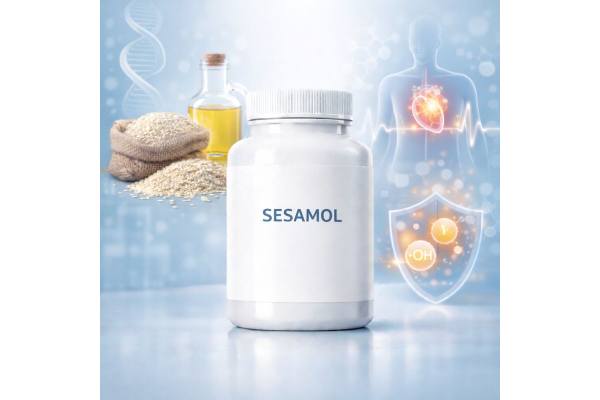
Sesamol is a natural phenolic compound found in sesame seeds and sesame oil. It is one of the main reasons sesame oil resists rancidity and has attracted attention as a potent antioxidant with wide-ranging biological effects. Early research suggests that sesamol may help protect the heart and blood vessels, support healthier blood lipids, shield the liver from oxidative stress, and offer neuroprotective benefits in experimental models.
At the same time, sesamol is not yet a mainstream standalone supplement. Most of the evidence comes from cell and animal studies, or from research on sesame foods, rather than from large clinical trials using purified sesamol in humans. That means it is a promising compound, but not a magic bullet.
This guide walks you through what sesamol is, how it appears to work, potential benefits, how people typically use it, what is known (and unknown) about dosage, and the safety questions to keep in mind before considering supplements.
Quick Overview for Sesamol Users
- Sesamol is a sesame-derived antioxidant that may support cardiovascular, liver, and brain health by reducing oxidative stress and inflammation.
- Experimental research suggests sesamol can improve blood lipid profiles and protect tissues such as liver and nervous system in animal models.
- Typical supplemental sesamol doses fall in the rough range of 50–200 mg per day in commercial products, but no standard evidence-based human dose exists yet.
- Sesamol appears well tolerated at food-level intakes, but concentrated supplements should be avoided during pregnancy, breastfeeding, in children, and by anyone with a sesame allergy.
Table of Contents
- What is sesamol and how does it work?
- Health benefits of sesamol
- How to use sesamol and typical doses
- Who might benefit from sesamol?
- Sesamol side effects and safety
- What do studies say about sesamol?
What is sesamol and how does it work?
Sesamol is a small phenolic molecule (3,4-methylenedioxyphenol) naturally present in sesame seeds and sesame oil. Some of it occurs directly in the seed, while more is formed when sesame lignans such as sesamolin are converted during roasting or processing. Because sesamol is both somewhat water-soluble and fat-soluble, it can function in multiple parts of a cell, which may help explain its broad biological effects.
Chemically, sesamol belongs to the benzodioxole family. Its ring structure and phenolic hydroxyl group let it donate electrons to neutralize reactive oxygen species, such as hydroxyl radicals and lipid peroxyl radicals. Classic antioxidant studies have shown that sesamol can directly scavenge several types of free radicals and inhibit lipid peroxidation, the process that damages cell membranes and lipoproteins.
Beyond directly mopping up free radicals, sesamol appears to influence the body’s own defense systems. Experimental studies suggest it can:
- Activate Nrf2, a transcription factor that turns on genes for antioxidant enzymes such as heme oxygenase-1 and NAD(P)H:quinone oxidoreductase.
- Downregulate pro-inflammatory pathways, including NF-κB and inflammatory cytokines like TNF-α, in various tissues.
- Modulate enzymes involved in lipid metabolism and oxidative stress (for example CYP2E1, NOX2, and some mitochondrial pathways).
In cardiovascular and metabolic models, sesamol has been reported to improve endothelial function, reduce oxidative damage in vessel walls, and favorably alter cholesterol handling within macrophages. In brain-related research, it shows the ability to cross into nervous tissue, where it may protect neurons from oxidative and inflammatory insults, at least in animals and cell cultures.
Together, these mechanisms position sesamol as a multi-target antioxidant and cytoprotective molecule: it directly neutralizes reactive species, boosts internal defenses, and dampens damaging inflammatory signaling. However, most of this mechanistic evidence comes from non-human models, so it should be viewed as biologically plausible rather than clinically proven.
Health benefits of sesamol
Research on sesamol spans cardiovascular health, lipid metabolism, liver protection, neuroprotection, and general oxidative stress. While the data are promising, remember that much of it comes from preclinical studies, and human evidence is still emerging.
1. Cardiovascular health and blood lipids
Sesamol has been studied as one of the cardioprotective components of sesame oil. In animal models of high-fat diets and atherosclerosis, sesamol has been associated with:
- Lower total cholesterol, LDL cholesterol, and triglycerides.
- Improved HDL function and enhanced cholesterol efflux from macrophages.
- Reduced oxidative modification of LDL and attenuation of atherogenic lipoprotein fractions.
- Protection of vascular endothelium and reduction of markers of vascular inflammation.
Mechanistically, sesamol seems to influence key regulators of lipid metabolism, including SREBP-1, fatty acid synthase, PPARα, LXRα, and AMPK. By shifting this network, it tends to reduce lipogenesis, increase fatty acid oxidation, and support more favorable lipid handling in experimental models.
2. Liver protection and metabolic health
In models of non-alcoholic fatty liver disease (NAFLD) and high-fat diet–induced steatosis, sesamol has shown liver-protective actions. Mice given sesamol often exhibit less fat accumulation in the liver, reduced oxidative stress markers, and lower inflammatory signaling. These effects are linked to downregulation of CYP2E1 and NOX2 and upregulation of Nrf2-dependent antioxidant pathways.
Because NAFLD is tightly connected with insulin resistance and metabolic syndrome, this liver protection may have broader implications for glucose and lipid metabolism over time, though this still requires confirmation in humans.
3. Neuroprotection and brain health
Sesamol’s ability to cross into the central nervous system and its strong antioxidant profile have made it a candidate for neuroprotective research. In models of neuroinflammation, excitotoxicity, and ischemia, sesamol has been reported to:
- Reduce neuronal loss in vulnerable brain regions.
- Improve behavioral or cognitive performance in animals subjected to brain injury or neuroinflammatory stimuli.
- Decrease oxidative damage and inflammatory mediators in brain tissue.
These findings support ongoing interest in sesamol as a potential adjunct for conditions where oxidative stress and inflammation drive neurodegeneration, although clinical evidence is not yet available.
4. General antioxidant and anti-inflammatory support
Across many tissues, sesamol consistently demonstrates:
- Strong radical-scavenging capacity.
- Inhibition of lipid peroxidation in membranes and lipoproteins.
- Lower expression of pro-inflammatory enzymes and cytokines in response to various insults.
From a practical standpoint, this means sesamol is being explored as a functional ingredient where chronic oxidative stress is part of the disease process: cardiovascular disease, metabolic disorders, liver disease, and certain neurological and inflammatory conditions.
At this stage, sesamol should be seen as a promising compound supported by robust experimental work, but not yet a fully validated clinical therapy.
How to use sesamol and typical doses
There is currently no universally accepted, evidence-based “standard dose” of sesamol for humans. Most of the controlled research has been performed in animals or in cells, often using relatively high mg/kg body-weight doses that do not translate directly to safe human supplement doses.
In practice, people encounter sesamol in two main ways:
- Through diet
- Sesame seeds and sesame oil naturally contain sesamol and related lignans.
- Roasting and processing can increase sesamol concentration by converting sesamolin into sesamol.
- Eating sesame-containing foods (for example, 1–2 tablespoons of sesame seeds or a couple of teaspoons of sesame oil daily) likely provides modest sesamol exposure along with other beneficial nutrients like unsaturated fats, vitamin E, and additional lignans.
- As a dietary supplement
- Sesamol supplements are usually sold as capsules or tablets, sometimes combined with other antioxidants or sesame lignans.
- Common product labels fall in a broad range, often around 50–200 mg sesamol per day, sometimes divided into two doses.
- These amounts are extrapolated from preclinical data and practical formulation considerations, not from large human trials specifically validating a particular dose.
If you and your clinician decide to trial a sesamol supplement, a cautious approach might look like this:
- Start at the lower end of the product’s suggested range, often 50–100 mg per day.
- Take it with food, especially a meal containing some fat, to support absorption.
- Maintain the same dose for several weeks while monitoring how you feel, as well as any lab parameters your clinician is tracking (such as lipids or liver enzymes).
- Only consider gradual increases (for example from 50–100 mg up to 150–200 mg per day) under medical supervision, especially if you have existing conditions or take medications.
Because sesamol is primarily researched in the context of oxidative stress and cardiometabolic risk, it is often combined with broader lifestyle strategies: a Mediterranean-style diet, regular physical activity, smoking cessation, and good sleep and stress management. In that context, sesamol is more of a potential add-on than a standalone solution.
Finally, some people may prefer to emphasize whole-food sesame sources rather than isolated sesamol, especially given the limited human data for concentrated supplementation. In that case, adding moderate amounts of sesame seeds, tahini, or sesame oil to meals can offer sesamol together with the seed’s broader nutrient matrix.
Who might benefit from sesamol?
Because sesamol’s main strengths lie in antioxidant, anti-inflammatory, and lipid-modulating actions, the groups that might logically benefit are those whose health challenges involve chronic oxidative stress and metabolic imbalance. It is important to stress that in nearly all cases, the current evidence is preliminary and does not replace standard medical care.
1. People with cardiometabolic risk factors
Individuals with elevated LDL cholesterol, triglycerides, or features of metabolic syndrome may be interested in sesamol as a supportive compound. Preclinical data suggest sesamol can:
- Improve serum lipid profiles in high-fat diet models.
- Protect against atherosclerotic changes in blood vessels.
- Enhance pathways that favor fatty acid oxidation over fat storage.
For a human patient already on statins or other lipid-lowering therapy, sesamol would be considered a complementary strategy at best, and potential interactions must be discussed with a clinician.
2. Individuals with non-alcoholic fatty liver disease or at risk for it
People with obesity, insulin resistance, or NAFLD may be exposed to high levels of hepatic oxidative stress. In animal models, sesamol has reduced liver fat accumulation and improved markers of oxidative damage and inflammation. Those findings make it an interesting candidate to explore, alongside weight management, dietary changes, and any prescribed medications.
Again, human trials with purified sesamol in NAFLD are not yet available, so any use here is exploratory.
3. Those concerned about brain health and neuroinflammation
Researchers are actively studying sesamol in models of neuroinflammation, ischemic brain injury, and neurodegenerative changes. People with a family history of neurodegenerative disease or who are focused on brain health sometimes look to sesamol because:
- It has shown the ability to reduce oxidative and inflammatory damage in brain tissue in animals.
- It appears to reach the central nervous system in preclinical pharmacokinetic work.
At present, however, no clinical guidelines recommend sesamol for prevention or treatment of neurological conditions. It should not be used in place of evidence-based therapies or preventive strategies.
4. Individuals exposed to high oxidative stress
People experiencing sustained oxidative and inflammatory burdens—such as heavy smokers, those with chronic inflammatory diseases, or individuals with intense endurance training loads—sometimes look to antioxidants for additional support. Sesamol’s broad radical-scavenging profile makes it conceptually appealing, but routine high-dose antioxidant supplementation can sometimes interfere with adaptive responses to exercise or medications. This makes professional guidance especially important.
5. People who enjoy sesame foods but want to “optimize” their intake
For someone already using sesame seeds and oil regularly, small refinements such as including lightly roasted seeds, choosing high-quality cold-pressed sesame oil, or incorporating tahini in balanced meals may naturally increase dietary sesamol exposure without jumping straight to pills.
In all these groups, sesamol is best viewed as an adjunct within a comprehensive plan, not a primary therapy.
Sesamol side effects and safety
Sesamol’s safety profile at the levels found in typical sesame-containing foods appears favorable. Sesame has a long history of culinary use, and sesamol contributes to the oil’s stability and health properties. The main concerns arise when considering concentrated sesamol supplements, where doses may exceed what would normally be obtained from diet alone.
1. Known and suspected side effects
Human data on isolated sesamol are limited, so most safety information comes from:
- Traditional consumption of sesame seeds and oil.
- Animal studies using various mg/kg doses.
- In vitro work showing cytotoxic effects at very high concentrations in cancer cell lines.
At supplemental doses commonly sold on the market, reported side effects are relatively rare but may include:
- Mild gastrointestinal upset (nausea, stomach discomfort, loose stools).
- Headache or a sense of fatigue in sensitive users.
- Occasional allergic-type symptoms in people with pre-existing sesame allergy.
Very high doses used in experimental settings could, in theory, increase oxidative stress rather than reduce it, or interfere with normal signaling pathways. This is not a reason to panic about food-level intake, but it does argue against self-experimenting with mega-doses.
2. Allergies and intolerances
Anyone with a known allergy to sesame seeds or sesame oil should avoid sesamol supplements, as cross-reactivity is possible. Even though sesamol is a small molecule rather than a protein, many commercial products may contain trace sesame components or be manufactured in facilities handling sesame.
3. Medication interactions
Because sesamol can influence oxidative stress, inflammatory signaling, and lipid metabolism, there are theoretical interactions with certain medications:
- Anticoagulant or antiplatelet drugs: strong antioxidant and anti-inflammatory agents may, in some circumstances, affect platelet function or vascular tone.
- Antihypertensives and lipid-lowering drugs: sesamol may modestly enhance blood pressure or lipid improvements, so careful monitoring is advised to avoid excessive lowering.
- Chemotherapy and radiotherapy: in theory, potent antioxidants could interfere with pro-oxidative cancer therapies, although this remains controversial and highly context-dependent.
Anyone taking prescription medications—especially for cardiovascular disease, clotting disorders, or cancer—should speak with their healthcare provider before starting sesamol supplements.
4. Special populations
The following groups should avoid sesamol supplements unless a specialist explicitly recommends them:
- Pregnant or breastfeeding women (lack of targeted safety data).
- Children and adolescents.
- People with active bleeding disorders or scheduled surgery.
- Individuals with severe liver or kidney disease unless closely supervised.
From a practical standpoint, staying within a conservative supplemental range (for example, not exceeding 200 mg per day of sesamol without medical oversight) and favoring dietary sesame sources when possible are cautious strategies.
What do studies say about sesamol?
Over the last two decades, sesamol has moved from a relatively obscure antioxidant in sesame oil to a subject of dedicated reviews on cardiometabolic, hepatic, and neurological health. Understanding the nature of this evidence helps put its potential in perspective.
1. Antioxidant foundation
Foundational work has shown that sesamol:
- Efficiently scavenges hydroxyl, peroxyl, and other reactive radicals.
- Inhibits lipid peroxidation in model membranes and biological systems.
- Protects biomolecules like DNA from oxidative damage in vitro.
These studies provide the biochemical basis for viewing sesamol as a strong antioxidant, more potent in some assays than several common synthetic antioxidants.
2. Cardiovascular and lipid research
A more recent wave of research has focused on sesamol’s ability to:
- Lower total cholesterol, LDL cholesterol, and triglycerides in animal models of diet-induced hyperlipidemia.
- Reduce atherosclerotic lesion formation and protect endothelial function.
- Improve cholesterol efflux from macrophages and modulate transcription factors like SREBP-1 and LXRα.
Comprehensive reviews now summarize dozens of these studies, highlighting sesamol’s consistent lipid-lowering and anti-atherogenic trends in preclinical models. There are also investigations into sesamol-derived molecules designed to further enhance these effects.
3. Liver and metabolic studies
In diet-induced obesity and NAFLD models, sesamol has:
- Reduced hepatic fat accumulation and improved liver histology.
- Lowered oxidative stress markers (for example malondialdehyde) and increased antioxidant enzyme activity.
- Attenuated inflammatory markers such as TNF-α and NF-κB activation in liver tissue.
These changes are often accompanied by improved systemic metabolic markers, including better insulin sensitivity and more favorable serum lipid profiles in animals.
4. Neuroprotection and CNS research
Recent reviews have focused on sesamol’s neuroprotective potential. In various models, sesamol has:
- Reduced neuronal death following ischemic or excitotoxic insults.
- Improved behavior in learning and memory tasks in animals exposed to neurotoxins or inflammatory stimuli.
- Modulated oxidative stress and glial activation in brain tissue.
The unifying theme is that sesamol’s antioxidant and anti-inflammatory properties may make it a versatile tool against multiple “hits” that contribute to neurological disease progression, although translation to human clinical practice remains a future goal.
5. Human evidence and current gaps
Human evidence specifically using purified sesamol is sparse. Most clinical data involve:
- Sesame seeds or sesame oil consumption, which indirectly reflect the effects of sesamol plus many other components.
- Biomarker changes such as improved lipid profiles, better glycemic control, or reduced blood pressure in people consuming sesame-based interventions.
These findings support the idea that sesame foods—and by extension, sesamol—can be part of a heart- and metabolism-friendly dietary pattern. However, they do not yet allow strong statements about optimal doses or specific therapeutic indications for sesamol as a standalone supplement.
In summary, the scientific literature paints sesamol as a promising, multi-target antioxidant and metabolic modulator, backed by detailed mechanistic and preclinical work and supported indirectly by sesame food trials. The main missing piece is high-quality clinical trials directly testing sesamol in well-defined human conditions.
References
- The prospective therapeutic benefits of sesamol: neuroprotection in neurological diseases 2025 (Review)
- Hypolipidemic and Anti-Atherogenic Effects of Sesamol and Possible Mechanisms of Action: A Comprehensive Review 2023 (Systematic Review)
- Protective Effects of Sesamol against Liver Oxidative Stress and Inflammation in High-Fat Diet-Induced Hepatic Steatosis 2021 (In vivo Study)
- Free radical reactions and antioxidant activities of sesamol: pulse radiolytic and biochemical studies 2005 (Experimental Study)
- Sesamol: a powerful functional food ingredient from sesame oil for cardioprotection 2020 (Review)
Disclaimer
The information in this article is for educational purposes only and is not a substitute for personalized medical advice, diagnosis, or treatment. Sesamol is a bioactive compound that has mainly been studied in cell and animal models, with limited human evidence for isolated supplementation. Do not start, stop, or change any medication or supplement based on this article without consulting a qualified healthcare professional who is familiar with your medical history, current medications, and health goals. Sesamol supplements may not be appropriate for everyone, especially people who are pregnant or breastfeeding, individuals with sesame allergy, children, and those with complex medical conditions or on multiple medications.
If you found this guide useful, you are warmly invited to share it with others on Facebook, X (formerly Twitter), or any platform you prefer, and to follow our work on social media. Your thoughtful sharing and support help our team continue producing balanced, research-informed health content.