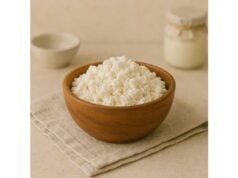
Set yogurt is the classic, spoonable yogurt that ferments directly in its cup. That in-package fermentation creates a delicate, custard-like gel that holds its shape, with a clean tang and mild sweetness from milk sugars. Nutritionally, it’s a compact source of high-quality protein, calcium, iodine, B vitamins, and live cultures. In the kitchen, set yogurt shines as a cooling base for dips and dressings, a tenderizing marinade, and a stand-in for cream in soups and bakes. Because fermentation partially breaks down lactose, many people find set yogurt easier to digest than milk. Choose plain, unflavored cups for fewer added sugars; if you prefer fruit, look for versions with short ingredient lists. This guide explains how set yogurt is made, what its nutrients mean per 100 g, how it may support health, and how to store and cook with it safely—plus smart tips on portions, comparisons with Greek and stirred yogurt, and answers to common questions.
Quick Overview
- Set yogurt offers live cultures, ~3.5 g protein, and ~121 mg calcium per 100 g.
- Typical serve: 170 g (6 oz) plain set yogurt, up to once daily or 3–5 times weekly.
- Safety: choose products made from pasteurized milk; keep refrigerated and use quickly after opening.
- People with diagnosed milk allergy or on strict low-histamine diets should avoid or seek specialist advice.
Table of Contents
- Set Yogurt: Detailed Overview
- Set Yogurt Nutrition Profile
- Evidence-Based Health Benefits
- Risks, Allergies and Interactions
- Selecting, Quality, Sustainability and Storage
- Preparation, Cooking and Nutrient Retention
- Portions, Comparisons and FAQs
Set Yogurt: Detailed Overview
Set yogurt (sometimes labeled “cup-set,” “French-style,” or simply “set”) is fermented in the retail container rather than in a large vat. Manufacturers inoculate heat-treated milk with traditional thermophilic starter cultures—Streptococcus thermophilus and Lactobacillus delbrueckii subsp. bulgaricus—fill cups, then incubate them until the milk gels. Once chilled, that gel stays intact, so the surface looks smooth and may show a little whey (clear liquid) at the top. By contrast, stirred yogurt is fermented in tanks, then agitated before packaging, giving a looser, creamier texture. Greek or strained yogurt is stirred yogurt that’s drained to boost protein and lower lactose and whey minerals.
Because the gel forms undisturbed, set yogurt often needs fewer stabilizers to hold body—though some brands add pectin, starch, or gelatin to control syneresis (whey separation), especially in reduced-fat recipes. Fat level ranges from nonfat to whole milk; whole-milk set yogurt tends to taste richer and feel silkier due to fat globules weaving into the milk-protein network. Flavor is shaped by fermentation time and temperature: shorter, gentle incubations yield mild acidity; longer incubations increase tang and firmness.
What to expect on the label. Plain set yogurt typically lists milk, cultures, and perhaps a stabilizer. Fruit-on-the-bottom versions layer preserves into the cup prior to fermentation or before cooling; these can raise total sugars. Some products are fortified with vitamin D (common in the U.S. and parts of Europe) and sometimes vitamin A. You may also see a “live and active cultures” statement indicating the product contains viable bacteria at the time of manufacture; heat-treated yogurts (post-fermentation pasteurization for shelf stability) won’t carry that note and won’t deliver live cultures.
Digestibility and taste. During fermentation, bacteria convert part of the milk lactose to lactic acid. That acids sets casein proteins into a gel and creates yogurt’s characteristic tang. The bacterial lactase and fermentation by-products can help many lactose-intolerant individuals tolerate yogurt better than milk. The soft, uniform gel of a well-made set yogurt gives a delicate, custard-like spoonful—excellent plain, with fruit and nuts, or as a creamy base for savory dips.
Where set yogurt fits. If you like simple cups with minimal processing, set yogurt’s “ferment in the cup” approach is appealing. It’s also a strong everyday choice if you prefer a gentle texture, moderate protein (compared with Greek), and a tangy flavor that pairs well with both sweet and savory dishes.
Set Yogurt Nutrition Profile
Below are typical values per 100 g of plain whole-milk set yogurt (unfortified) with % Daily Value (%DV) based on current labeling standards. Actual numbers vary by brand, milk fat, and fortification.
Macros & Electrolytes (per 100 g)
| Nutrient | Amount | %DV |
|---|---|---|
| Energy | 61 kcal | — |
| Protein | 3.5 g | 7% |
| Total Fat | 3.3 g | 4% |
| Saturated Fat | 2.1 g | 11% |
| Carbohydrate | 4.7 g | 2% |
| Total Sugars (mostly lactose) | 4.7 g | — |
| Added Sugars | 0 g | 0% |
| Cholesterol | 13 mg | 4% |
| Sodium | 46 mg | 2% |
| Potassium | 155 mg | 3% |
| Water | ~88 g | — |
Fats & Fatty Acids (per 100 g)
| Nutrient | Amount | %DV |
|---|---|---|
| Monounsaturated Fat | ~1.0 g | — |
| Polyunsaturated Fat | ~0.1 g | — |
| Omega-3 Fatty Acids (ALA, trace) | ~0.02–0.06 g | — |
| Conjugated Linoleic Acid (CLA)* | small amounts | — |
*Amount varies with season, animal diet, and fat level.
Protein & Amino Acids (per 100 g)
Set yogurt provides ~3.5 g complete protein with a balanced essential amino acid profile. Greek/strained styles can double this.
Vitamins (per 100 g, unfortified unless noted)
| Vitamin | Amount | %DV |
|---|---|---|
| Vitamin B2 (Riboflavin) | ~0.14 mg | 11% |
| Vitamin B12 (Cobalamin) | ~0.4 µg | 17% |
| Vitamin A (RAE) | ~27 µg | 3% |
| Choline | ~15 mg | 3% |
| Vitamin D | ~0.1 µg (unfortified) | <1% |
Minerals (per 100 g)
| Mineral | Amount | %DV |
|---|---|---|
| Calcium | ~121 mg | 9% |
| Phosphorus | ~95 mg | 8% |
| Magnesium | ~11 mg | 3% |
| Zinc | ~0.5 mg | 5% |
| Selenium | ~4.3 µg | 8% |
| Iodine | ~30–35 µg | ~20% |
Glycemic & Acid–Base Metrics
- Glycemic Index (GI): generally low for plain yogurts; plain set yogurt typically falls in the low range.
- Potential Renal Acid Load (PRAL): near neutral (very low positive value per 100 g).
- pH: ~4.2–4.6 (varies with fermentation time/temperature).
Allergens & Intolerance Markers
- Contains milk proteins (casein, whey) and lactose.
- Live cultures and fermentation may improve tolerance in some people sensitive to lactose; this does not apply to milk protein allergy.
Additives & Fortification (label-dependent)
- Stabilizers/thickeners: pectin, starch, gelatin (more common in low-fat types).
- Fortification: vitamin D (and sometimes vitamin A) in some markets.
- Fruit-on-the-bottom cups add sugars; check “Added Sugars” on the label.
Notes: Values reflect plain, unfortified whole-milk set yogurt. Fortified products raise vitamin D/A content. Nonfat or low-fat yogurts reduce total and saturated fat and may rely more on stabilizers to manage texture.
Evidence-Based Health Benefits
1) Supports bone and dental health. Set yogurt provides a readily absorbed package of calcium, phosphorus, iodine, and milk proteins that together support bone remodeling and tooth enamel maintenance. Fortified yogurts add vitamin D, which aids calcium absorption. A 170 g (6 oz) serving of plain whole-milk set yogurt typically supplies ~200 mg of calcium (15% DV) and meaningful phosphorus and iodine.
2) May aid lactose digestion. Traditional yogurt cultures produce lactase and partially hydrolyze lactose during fermentation. Many lactose-intolerant individuals report fewer symptoms with yogurt than with milk in comparable amounts. Set yogurt also brings a semisolid matrix that slows gastric emptying, which can further improve tolerance.
3) Cardiometabolic positives when part of a healthy pattern. Observational and interventional research links yogurt—especially plain, unsweetened varieties—to favorable cardiometabolic markers: modest effects on weight management, improved diet quality, and associations with lower risk of type 2 diabetes when yogurt replaces refined snacks or desserts. Mechanisms may include low GI, protein-mediated satiety, displacement of higher-sugar foods, and fermented-dairy bioactives (peptides and exopolysaccharides) that can influence blood pressure or lipid metabolism.
4) Digestive comfort and microbial diversity. Live cultures can help maintain a balanced gut milieu. While effects vary by strain and dose, regular consumption of cultured dairy is one practical way to include safe, fermented foods in daily eating. Some randomized trials of fermented milks show benefits for antibiotic-associated diarrhea or GI symptom ratings; the real-world effect size depends on the specific strains and consistency of intake.
5) Low glycemic impact. Plain set yogurt sits in the low-GI range and contains modest carbohydrates (~4–5 g/100 g), which helps keep post-meal glucose excursions smaller than many sweet snacks. Higher protein-to-carb ratio in plain cups also supports satiety—and, when used as a swap for higher-sugar desserts, can reduce total added sugar intake.
6) Versatile, nutrient-dense swap. Replacing sour cream, mayonnaise, or cream with set yogurt in dips and dressings typically reduces saturated fat and calories while maintaining creaminess and adding protein and micronutrients. In savory cooking, a dollop at serving keeps cultures intact and preserves tang.
Practical tip: Pair set yogurt with fiber-rich foods (berries, oats, nuts, legumes) to amplify satiety and micronutrient density. For those monitoring sodium, plain yogurts are naturally low; flavored cups can add sodium via thickeners or flavor bases, so scan the Nutrition Facts.
Risks, Allergies and Interactions
Milk allergy: Anyone with a confirmed cow’s-milk protein allergy should avoid set yogurt unless advised otherwise by an allergist. Heating or fermenting milk doesn’t reliably eliminate allergenic proteins (caseins and whey proteins).
Lactose intolerance: Set yogurt contains less fermentable lactose per bite than milk, and its cultures can assist digestion. However, tolerance varies. Start with 100–120 g and assess symptoms, or choose lactose-free yogurt if needed.
Food safety: Choose yogurts made from pasteurized milk. Unpasteurized (raw-milk) dairy can carry pathogens such as Listeria monocytogenes, which is particularly dangerous for pregnant people, older adults, and those with weakened immunity. Refrigerate at ≤4 °C (≤40 °F), and after opening, keep tightly covered; consume promptly for best quality. Discard if you see mold, heavy whey pooling with off-odors, or curdling unrelated to stirring.
Live cultures and immunocompromise: For most healthy people, yogurts with live cultures are safe. In severely immunocompromised states (e.g., neutropenia, critical illness), clinicians sometimes recommend heat-treated or pasteurized cultured products; follow individual medical guidance.
Histamine sensitivity and migraine: Fermented foods can contain biogenic amines (e.g., histamine, tyramine). If you have a diagnosed histamine intolerance or experience migraines triggered by aged/fermented foods, trial a smaller portion, choose fresher cups, or discuss with a clinician.
Medications and conditions:
- Antibiotics can temporarily alter gut flora; yogurt is acceptable with most antibiotics, but timing doses away from yogurt won’t “protect” the drug from interacting. If using specialty probiotics, separate them from antibiotics by several hours per clinical advice.
- Chronic kidney disease: Yogurt contributes potassium and phosphorus; individualized diet plans may require limiting portions or choosing lower-potassium foods.
- Diabetes management: Plain set yogurt is lower GI; sweetened cups can add 10–20 g added sugars per serving. Prioritize plain and add fruit or spice at home.
Packaging and additives: Read labels if you avoid pork-derived gelatin (for religious/ethical reasons) or prefer vegetarian thickeners (e.g., pectin). If sensitive to artificial sweeteners or polyols, choose unsweetened varieties.
Selecting, Quality, Sustainability and Storage
How to pick a better cup
- Ingredient list: For plain set yogurt, look for “milk, live cultures” plus perhaps a simple stabilizer. Fewer ingredients generally signal traditional processing.
- Added sugars: If buying fruit-on-the-bottom, compare “Added Sugars” (g/serving). Prefer ≤8 g added sugars per 170 g cup, or mix plain yogurt with fresh fruit yourself.
- Fortification: If you need vitamin D, choose products labeled with vitamin D content (IU or µg).
- Cultures: A “live and active cultures” statement indicates viable bacteria at manufacture; more isn’t always better, but it confirms a cultured product that hasn’t been heat-treated post-fermentation.
Texture and flavor cues
- A fine, unbroken surface with little whey indicates gentle fermentation. Minor whey separation is normal—stir it back to keep nutrients. Excess watery separation or grainy, chalky texture can indicate over-acidification or heavy stabilizer use.
- Whole-milk cups feel richer; low-fat cups may appear slightly more “gelled” if stabilizers are used.
Sustainability notes
- Milk sourcing: Regional dairies often minimize transport emissions; organic certification speaks to agricultural practices, while animal-welfare labels (where available) address herd care rather than nutrition differences.
- Packaging: Set yogurt cups are commonly plastic; recycle where accepted. Multi-serve tubs reduce packaging per serving if you can finish them before quality declines.
Storage and shelf life
- Unopened: Keep refrigerated; use by the “best before” date for peak quality.
- After opening: Reseal and consume promptly; quality is best within several days once exposed to air and utensils.
- Freezing: You can freeze yogurt for later cooking or baking; thawed yogurt may separate and lose culture viability, so it’s best used in cooked dishes or smoothies.
Smart handling
- Bring only what you need to the table (spoon small portions into a clean bowl) to avoid repeatedly warming the whole cup.
- Use clean utensils to prevent cross-contamination, especially with fruit-on-the-bottom cups.
Preparation, Cooking and Nutrient Retention
Keep cultures alive when you want them. Live bacteria are sensitive to heat. To retain cultures, add set yogurt off heat—swirl into soups or curries right before serving, or dollop onto hot stews at the table. Prolonged heating (and boiling) will inactivate most cultures.
Prevent curdling. Acidic, high-heat environments can cause yogurt to split. To stabilize:
- Temper first—whisk warm liquid slowly into yogurt, then return the mixture to the pot over low heat.
- Use whole-milk yogurt—fat helps stabilize the protein network.
- Add a starch (1–2 tsp cornstarch per cup) or a spoon of tahini to help emulsify.
- Avoid rapid boiling after yogurt is added.
Everyday savory uses
- Dressings & dips: Blend 1 cup set yogurt with lemon, olive oil, garlic, and herbs for a quick dressing; add grated cucumber for a tzatziki-style dip.
- Marinades: Use with garlic, spices, and salt for chicken or paneer; lactic acid and calcium help tenderize proteins.
- Curries & soups: Stir in at the end for velvety body (temper first).
- Grain bowls: Spoon over warm lentils, roasted vegetables, and whole grains; top with seeds.
Sweet and breakfast ideas
- Fruit and nut bowls: Pair with berries, chopped nuts, and cinnamon.
- Overnight oats: Replace some milk with yogurt for a thicker set and added protein.
- Bakes: Swap for part of sour cream or buttermilk in quick breads and cakes; add ½ tsp baking soda per cup of yogurt to balance acidity if needed.
Nutrient-savvy swaps
- Replace 2 Tbsp mayonnaise in dressings with 2 Tbsp yogurt to cut ~150 kcal and several grams of saturated fat while adding protein and calcium.
- Use yogurt instead of cream in puréed vegetable soups for a lighter finish; add right before serving to preserve a smooth texture.
For lactose sensitivity
- Combine yogurt with high-fiber add-ins (chia, oats, fruit) to slow absorption.
- Try smaller portions spread through the week or choose lactose-free set yogurt.
Portions, Comparisons and FAQs
What is a reasonable portion and how often?
- A practical everyday serving is 170 g (6 oz) plain set yogurt. Many adults enjoy it once daily or 3–5 times per week as part of a balanced pattern. If you’re highly active or using yogurt as a protein anchor, you might choose 200–250 g portions.
How does set yogurt compare with other yogurts?
- Set vs stirred: Set ferments in the cup, producing a delicate, unbroken gel; stirred is tank-fermented and mixed before packing, giving a creamier but looser texture.
- Set vs Greek/strained: Greek yogurt is stirred and strained, concentrating protein (often ~9–10 g/100 g) and lowering lactose and whey minerals. Set yogurt is less protein-dense but often needs fewer thickeners and tastes milder.
- Set vs kefir: Kefir is drinkable and contains broader microbial diversity (including yeasts). It’s tangier and thinner, suited for sipping and smoothies.
- Set vs skyr (Icelandic-style): Skyr is ultrafiltered/strained and very high in protein, typically thicker than Greek yogurt.
Best time to eat yogurt?
- Anytime. For some, a post-meal portion feels gentler on digestion. Pre-exercise, pair yogurt with fruit and oats; at night, its slow-digesting casein can support satiety.
Should I choose whole-milk or low-fat?
- Whole-milk set yogurt offers richer texture and flavor and can be more satisfying; low-fat provides fewer calories and saturated fat. Health outcomes depend more on your overall pattern (added sugars, fiber, vegetables, activity) than on fat level alone. Choose the style that helps you meet your nutrition goals.
How can I manage sugars?
- Choose plain cups (0 g added sugars). Sweeten at home with cinnamon, vanilla, or fruit. If buying flavored, aim for ≤8 g added sugars per 170 g serving.
Any special tips for kids and older adults?
- For children, mix plain yogurt with mashed fruit to limit added sugars. For older adults, choose fortified versions for vitamin D and add soft fruits or nut butters for energy and micronutrients.
When should I skip yogurt?
- With a confirmed milk allergy, during active foodborne illness outbreaks linked to unpasteurized dairy, or under clinical advice for severe immunocompromise. For strict low-histamine protocols, trial cautiously or consult your clinician.
References
- Nutrition Facts for Plain Yogurt (Whole Milk, Full Fat) 2023 (Data page)
- Daily Value on the Nutrition and Supplement Facts Labels 2024 (Guidance)
- How Listeria Spread: Soft Cheeses and Raw Milk | Listeria Infection | CDC 2025 (Public Health Advisory)
- Yogurt, cultured fermented milk, and health: a systematic review 2021 (Systematic Review)
- Plain set and stirred yogurt with different additives 2023 (Review/Methods)
Disclaimer
This article is for general education and is not a substitute for personalized medical advice, diagnosis, or treatment. Always consult a qualified healthcare professional about your specific health needs, allergies, and dietary changes—especially if you are pregnant, immunocompromised, managing chronic conditions, or caring for infants and young children.
If you found this guide useful, please consider sharing it with friends or colleagues on Facebook, X (formerly Twitter), or any platform you prefer. Your support helps us continue producing high-quality, evidence-based content.