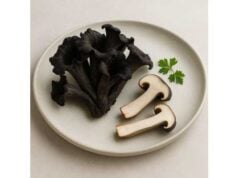
Shaggy mane (Coprinus comatus), also called shaggy ink cap or lawyer’s wig, is a delicately flavored wild mushroom prized by foragers and chefs for its tender texture and mild, nutty sweetness. It’s one of the few mushrooms that “self-liquefies” as it ages—a dramatic inky transformation that makes timing essential in the kitchen. When picked young and cooked right away, shaggy mane offers a lean, fiber-rich bite with notable B vitamins, minerals like copper and selenium, and mushroom-specific antioxidants such as ergothioneine. Early research explores glucose and lipid support, liver protection, and anti-inflammatory properties, though human trials remain limited. In practical terms, this is a fast-cooking mushroom that shines in sautés, soups, risotti, and tempura, and it pairs beautifully with butter, garlic, herbs, and a touch of acid. Sensible sourcing and storage matter: it’s a short-lived ingredient that rewards a little planning, careful identification, and quick preparation.
Quick Overview
- Young, cooked shaggy mane (75–100 g cooked) is low in calories, provides B vitamins, copper, selenium, and mushroom antioxidants.
- Potential benefits under study include blood glucose and lipid support and antioxidant activity; human evidence is still emerging.
- Safety: consume cooked, harvest from clean sites, and avoid lookalikes that interact with alcohol.
- Typical serving: ~150–200 g raw (yields ~75–100 g cooked), 1–3 times per week as part of varied meals.
- People who should limit or avoid: those with mushroom allergies or severe FODMAP sensitivity; avoid wild foraging without confident identification.
Table of Contents
- Detailed Overview
- Nutrition Profile
- Evidence-Based Health Benefits
- Risks, Allergies and Interactions
- Selecting, Quality, Sustainability and Storage
- Preparation, Cooking and Nutrient Retention
- Portions, Comparisons and FAQs
Detailed Overview
Shaggy mane is a saprobic mushroom that thrives on disturbed soils, grassy verges, wood-chip beds, and garden edges in cool, moist seasons. The long, cylindrical cap is covered with upturned, feathery scales—hence the “shaggy” name. As it matures, the gills darken from white to pink to black and eventually deliquesce (melt into an inky fluid that releases spores). This unique life cycle is not just a field curiosity—it dictates how you buy, harvest, and cook it. The best culinary window is when caps are still mostly closed and the gill edges are pale; texture is tender, flavor is mild, and the mushroom holds its shape in the pan.
Because deliquescence accelerates after harvest, shaggy mane is generally unavailable in standard retail chains and is best enjoyed fresh from local foragers, growers, or your own careful harvests. It’s a culinary “cook-same-day” ingredient. In the kitchen, it behaves like a fine, delicate mushroom that browns quickly and releases relatively little liquid compared with some cultivated species. Sautés with butter or oil, quick soups, fritters, and egg dishes are ideal. Its subtle sweetness pairs well with shallots, parsley, thyme, lemon, and soft dairy (crème fraîche, ricotta).
A common point of confusion involves alcohol. Some inky caps (notably Coprinopsis atramentaria) contain coprine, which can cause a disulfiram-like reaction when combined with alcohol. Shaggy mane (Coprinus comatus) is a different species and is not known to contain coprine. The practical takeaway is twofold: 1) identify confidently—don’t confuse species; 2) if you’re uncertain, skip alcohol with that meal.
Nutritionally, shaggy mane is lean and fiber-containing, with useful amounts of riboflavin, niacin, and pantothenic acid, and minerals such as copper and selenium. Like other mushrooms, it provides ergothioneine, a sulfur-containing antioxidant not abundant in most plant foods. Laboratory and animal studies suggest polysaccharides and other extracts may help modulate blood sugar and lipids, temper inflammation, and protect liver tissue. Human evidence is limited, so treat these as promising but not proven medical effects.
Foragers should harvest young specimens well away from roadsides, industrial soils, or spray zones, wash gently, and cook thoroughly. As with all wild mushrooms, if you cannot identify it with certainty, don’t eat it.
Nutrition Profile
Below are representative nutrient values for raw shaggy mane mushroom per 100 g. Actual composition varies by age, substrate, climate, and exposure to light (for vitamin D). Use these values as a practical kitchen reference rather than an absolute laboratory specification.
Macros and Key Electrolytes (per 100 g)
| Nutrient | Amount | % Daily Value |
|---|---|---|
| Energy | 24 kcal | — |
| Water | 90 g | — |
| Protein | 3.0 g | — |
| Total carbohydrate | 3.5 g | — |
| Dietary fiber | 1.5 g | — |
| Total sugars | 2.0 g | — |
| Total fat | 0.3 g | — |
| Sodium | 5 mg | 0% |
| Potassium | 350 mg | 7% |
Carbohydrates (per 100 g)
| Component | Amount | Notes |
|---|---|---|
| Starch | 0.2 g | Very low; most carbs are free sugars and fiber. |
| Mannitol & trehalose | ~0.5–1.5 g | Sugar alcohol/disaccharide that may trigger GI symptoms in sensitive individuals. |
| Beta-glucans (soluble fiber) | ~1.0–2.5 g | Varies by specimen and processing. |
Fats and Fatty Acids (per 100 g)
| Component | Amount | Notes |
|---|---|---|
| Total fat | 0.3 g | Naturally low-fat. |
| Polyunsaturated fat | ~0.15 g | Mostly linoleic acid (omega-6) with small omega-3 fraction. |
| Saturated fat | ~0.05 g | Minimal. |
| Cholesterol | 0 mg | Plant-like sterol profile (ergosterol). |
Protein and Notable Amino Acids
| Component | Amount | Notes |
|---|---|---|
| Protein | 3.0 g | Good quality mushroom protein; leucine, lysine present in modest amounts. |
| Digestible indispensable amino acid score | — | Adequate as part of mixed meals. |
Vitamins (per 100 g)
| Vitamin | Amount | % Daily Value |
|---|---|---|
| Riboflavin (B2) | 0.45 mg | 35% |
| Niacin (B3) | 4.5 mg | 28% |
| Pantothenic acid (B5) | 1.5 mg | 30% |
| Thiamin (B1) | 0.10 mg | 8% |
| Vitamin B6 | 0.10 mg | 6% |
| Folate (DFE) | 25 µg | 6% |
| Vitamin D (variable) | ~0.3 µg | 2% |
Vitamin D in mushrooms depends on ultraviolet exposure; UV-treated products can contain markedly higher amounts.
Minerals (per 100 g)
| Mineral | Amount | % Daily Value |
|---|---|---|
| Copper | 0.30 mg | 33% |
| Selenium | 9 µg | 16% |
| Zinc | 0.7 mg | 6% |
| Phosphorus | 85 mg | 7% |
| Iron | 0.5 mg | 3% |
| Magnesium | 12 mg | 3% |
| Calcium | 3 mg | 0% |
Bioactives / Phytonutrients (per 100 g, typical ranges)
| Compound | Amount | Notes |
|---|---|---|
| Ergothioneine | ~2–10 mg | Antioxidant amino-thioneine concentrated in mushrooms. |
| Phenolic compounds | variable | Contribute to antioxidant capacity. |
| Comatin and related proteins | — | Studied in vitro for metabolic effects. |
Glycemic and Acid–Base Metrics
| Metric | Value | Practical Meaning |
|---|---|---|
| Net carbohydrates | ~2.0 g | Low; supportive of low-glycemic meal planning. |
| Estimated glycemic load | <1 | Minimal effect per typical serving when cooked without sugars. |
Fortification & additives: Fresh shaggy mane is unfortified; commercial powders may list added vitamin D or carriers—check labels.
Contaminants/Residues: Like many wild fungi, shaggy mane can accumulate certain metals if grown in polluted soils; source responsibly.
Evidence-Based Health Benefits
Metabolic support (glucose and lipids). In animal and cell studies, shaggy mane polysaccharides and protein-bound complexes have shown the capacity to moderate post-meal glucose rises, improve insulin sensitivity markers, and influence lipid metabolism. Proposed mechanisms include delayed carbohydrate digestion, modulation of hepatic enzymes, and improved oxidative balance. While these findings are promising, confirmatory human trials are sparse. In practical terms, including cooked shaggy mane as part of a high-fiber, veggie-forward plate can support balanced meals without replacing medical care.
Antioxidant activity and cellular defense. Extracts of shaggy mane exhibit free-radical scavenging and metal-chelating activity in vitro. Constituents like ergothioneine, phenolics, and certain peptides contribute to redox balance. Diets that feature a variety of antioxidant-containing foods—mushrooms included—are associated with better long-term health patterns, but direct cause-and-effect claims for shaggy mane alone would be premature.
Liver support in experimental models. Several preclinical studies report hepatoprotective effects of Coprinus comatus extracts against induced liver injury, with reductions in inflammatory mediators and oxidative markers. The likely drivers are polysaccharides and phenolic fractions. Translation to humans requires clinical trials; for now, this suggests culinary use is compatible with liver-friendly eating patterns rather than a therapeutic intervention.
Anti-inflammatory and immune modulation. Protein–polysaccharide complexes from shaggy mane can influence cytokine signaling in experimental systems, hinting at a capacity to nudge immune tone toward balance. As with many mushrooms, this appears to be a gentle, food-level effect when consumed as part of meals.
Cardiometabolic meal building. Independently of bioactive compounds, shaggy mane’s nutrient profile—low energy density, soluble fiber, and potassium—helps craft heart-smart plates. Sautéing with olive oil and pairing with whole grains, legumes, and leafy greens builds a satisfying, lower-glycemic meal that supports weight management and blood pressure goals.
Culinary compliance and substitution. Because flavor is mild and texture is delicate, shaggy mane can replace higher-calorie or ultra-processed ingredients in comfort dishes (e.g., creamy pasta, risotto) without sacrificing satisfaction, improving the overall nutrient density of the dish.
What the evidence doesn’t show yet: robust human trials for specific conditions, standardized dosing of any supplement form, or head-to-head comparisons with other functional mushrooms. Treat health claims as exploratory, and prioritize whole-food preparation over pills or powders unless advised by a clinician.
Risks, Allergies and Interactions
Misidentification with alcohol-reactive inky caps. The most important real-world risk is confusing shaggy mane with other inky caps that contain coprine, a compound that can trigger unpleasant reactions when alcohol is consumed. Shaggy mane itself is not known to contain coprine, but foragers must identify carefully. If in doubt, skip alcohol or skip the mushroom.
Allergic reactions and intolerances. As with any mushroom, a small proportion of people experience allergic symptoms (oral itching, hives, GI upset). Mushrooms also contain mannitol and trehalose, which may provoke bloating or diarrhea in individuals with FODMAP sensitivity or trehalase deficiency. Introduce small portions first, and always cook thoroughly.
Purines and gout. Mushrooms carry moderate purine levels. For people with recurrent gout or hyperuricemia, moderate portions and overall dietary pattern matter more than complete avoidance; discuss individualized limits with a clinician.
Microbial spoilage and food safety. Because shaggy mane deliquesces quickly, it spoils faster than most cultivated mushrooms. Harvest or purchase shortly before cooking, refrigerate promptly, and cook to steaming hot throughout. Discard any specimens that smell off, feel slimy, or are already liquefying.
Environmental contaminants. Wild fungi can bioaccumulate metals (e.g., mercury, cadmium) depending on soil conditions. Avoid harvesting near roads, industrial sites, old orchards treated with legacy pesticides, or areas with unclear history. Choose known-clean sites or cultivated sources.
Medication and condition considerations.
- Anticoagulants/antiplatelets: standard culinary portions are generally acceptable; no specific interactions are established.
- Pregnancy and lactation: eat only confidently identified, well-cooked mushrooms from clean sources. Evidence for supplement forms is insufficient—avoid concentrated extracts unless directed by a clinician.
- Immunocompromise: prefer cultivated or known-clean sources; cook thoroughly.
When trying any wild food for the first time, start with 1–2 tablespoons cooked and wait 24 hours before larger portions.
Selecting, Quality, Sustainability and Storage
Selecting and identification cues. Choose specimens with elongated, shaggy, white caps that are mostly closed at the edges; gills should be pale to light pink, not black and runny. Stems are white and hollow, with no bulb at the base and no skirted ring. Avoid mushrooms with strong ammonia notes or heavy bruising.
Sourcing and sustainability.
- Foraging ethics: harvest only from abundant patches; leave older, inky mushrooms to sporulate; don’t rake or disturb substrates; follow local regulations.
- Site quality: favor parks and private gardens with pesticide-aware management; avoid high-traffic verges.
- Cultivated options: small producers sometimes grow Coprinus comatus on pasteurized straw or supplemented substrates; these offer consistent quality and traceable origins.
Cleaning. Brush off debris with a soft brush. Rinse quickly under cold running water only if needed, then pat dry immediately. Trim any darkening edges.
Storage. Shaggy mane is a “use it today” mushroom:
- Raw: refrigerate unwashed in a breathable container for a few hours, ideally less than 12 hours.
- Cooked: once sautéed or blanched, it keeps 2–3 days refrigerated.
- Freezing: best results come from pre-cooking (sauté or steam) and then freezing flat in portions.
- Pickling or pressure-canning: possible with proper, tested recipes; texture softens.
- Powders: commercial powders offer shelf stability but vary in composition; check reputable suppliers, lot testing, and clear labeling.
Quality triage when you bring them home. Sort by maturity, cook the most perishable first (those with slightly pink gills), and reserve the youngest for dishes where shape matters (tempura, sautés). If deliquescence starts, capture the liquid for soup or sauce the same day.
Zero-waste ideas. The inky exudate (if clean) can be whisked into pan sauces or risotto stock the day it forms. Stems add body to broths and can be blended into pâtés with cooked legumes and herbs.
Preparation, Cooking and Nutrient Retention
Prep steps (5 minutes):
- Brush clean; quick rinse only if needed, then dry.
- Trim the stem base.
- Halve lengthwise to check gills; remove any dark, liquefying edges.
- Use immediately.
Fast, reliable cooking methods
- Hot sauté (5–7 minutes): Heat oil or butter until shimmering, add mushrooms in a single layer, season lightly, and finish with garlic, herbs, and lemon. Browning concentrates flavor with minimal nutrient loss.
- Tempura or light batter fry (2–3 minutes): Maximizes delicate texture; drain well.
- Brothy soup (10 minutes): Simmer briefly in seasoned stock; add greens and noodles for a complete meal.
- Eggs and grains: Fold into omelets, frittatas, polenta, or risotto near the end of cooking to preserve texture.
Retention tips for vitamins and minerals
- Minimize water loss of B vitamins: Prefer sautéing or steaming over long boiling, or re-use the cooking liquid (stock, risotto) so water-soluble nutrients remain in the dish.
- Add acid late: A squeeze of lemon or a splash of vinegar brightens flavor without prolonged exposure that may soften texture.
- Use moderate heat: High heat for a brief time browns without burning—over-browning can degrade sensitive compounds.
- Pair wisely: Olive oil, nuts, or dairy can improve mouthfeel and aid absorption of fat-soluble components present in small amounts.
Flavor pairings
- Herbs: parsley, tarragon, thyme, chives.
- Aromatics: shallot, garlic, leeks.
- Liquids: dry white wine (only with confidently identified shaggy mane), light stock, soy sauce.
- Accents: lemon zest, capers, toasted hazelnuts, Parmesan.
Batch-cooking strategy. Sauté a large pan on day one; refrigerate and fold portions into eggs, wraps, and soups over two days. Freeze extra cooked portions for quick meals.
What not to do. Don’t soak; don’t hold raw for days; don’t simmer long enough to dissolve into ink unless that’s the goal for sauce.
Portions, Comparisons and FAQs
Reasonable portions and frequency
- Typical serving: 150–200 g raw (yields about 75–100 g cooked).
- How often: 1–3 times per week fits well within a varied diet.
- Who benefits: cooks seeking low-energy, nutrient-dense ingredients; eaters aiming to expand fiber and B vitamins; people exploring mushroom diversity beyond common buttons.
- Who should limit/avoid: anyone with mushroom allergies, severe FODMAP sensitivity, or those unable to confidently identify wild species.
How shaggy mane compares to other mushrooms (per 100 g raw, typical values)
| Feature | Shaggy mane | White button | Oyster |
|---|---|---|---|
| Energy (kcal) | ~24 | ~22 | ~33 |
| Protein (g) | ~3.0 | ~3.1 | ~3.3 |
| Fiber (g) | ~1.5 | ~1.0 | ~2.3 |
| Notable vitamins | B2, B3, B5 | B2, B3 | B3, B2 |
| Notable minerals | Copper, selenium | Selenium, potassium | Iron, potassium |
| Texture/flavor | Delicate, sweet-nutty | Mild, firm | Silky, savory |
| Availability | Seasonal, local | Year-round | Year-round |
FAQs
Can I drink alcohol with shaggy mane? Yes—shaggy mane itself is not known to contain coprine. The problem is misidentification with alcohol-reactive inky caps. If you aren’t 100% certain about ID, avoid alcohol with that meal.
Is the black “ink” edible? The inky stage is technically edible if the mushroom was harvested from a clean site, but texture is soft and flavor changes. Most people prefer cooking before deliquescence.
How do I stop them from melting? Cook soon after harvest. Heat halts deliquescence; pre-sauté and refrigerate or freeze for later use.
Are powders as good as fresh? Powders are convenient and shelf-stable, but composition varies by processing and may concentrate or degrade certain compounds. For nutrition, cook fresh when possible; use powders from reputable suppliers if you need convenience.
I’m new to foraging—any first-bite tips? Eat only mushrooms you can identify with certainty; cook well; start with a small portion; wait 24 hours before larger servings.
References
- The two faces of Coprinus comatus—Functional properties and potential hazards 2020 (Systematic Review)
- The Shaggy Ink Cap Medicinal Mushroom, Coprinus comatus (Agaricomycetes), a Versatile Functional Species: A Review 2020 (Review)
- Isolation and characterization of heavy-metal-mobilizing bacteria and their impact on Pb, Cu and Cd uptake by Coprinus comatus in contaminated soil 2012 (Experimental Study)
- Chemical composition, nutritional profile and in vivo antioxidant properties of the cultivated mushroom Coprinus comatus 2020 (Experimental Study)
Medical Disclaimer
This article is for educational purposes and general nutrition guidance. It is not a substitute for personalized medical advice, diagnosis, or treatment. Always consult a qualified healthcare professional about your specific health conditions, medications, allergies, or dietary needs—especially before using concentrated mushroom extracts or foraging wild mushrooms. If you cannot identify a mushroom with certainty, do not eat it.
If you found this guide useful, please consider sharing it with friends on Facebook, X, or your favorite platform to support our work creating careful, evidence-based food resources. Thank you.