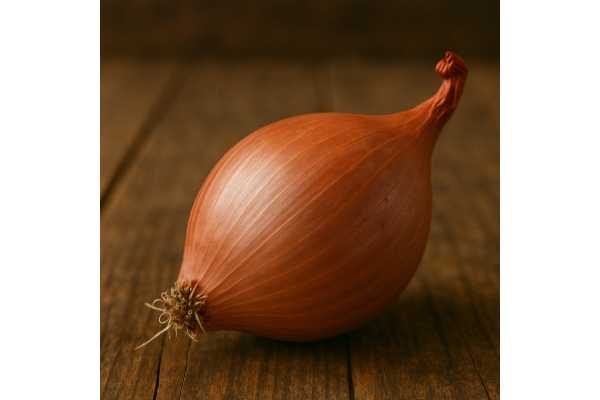
Shallots are small, copper-skinned bulbs with a surprisingly big impact in the kitchen and, potentially, for your health. Related to onions and garlic, they offer a softer, more complex flavor that sits somewhere between the two, with gentle sweetness and a hint of garlic-like aroma. In everyday cooking, shallots often play a quiet but crucial role in vinaigrettes, pan sauces, stir-fries, curries, and slow-cooked dishes, where they dissolve into a rich, savory base.
Nutritionally, shallots are low in calories but provide fiber, vitamin C, folate, and potassium, along with organosulfur compounds and antioxidants found in many allium vegetables. These components are being studied for possible roles in heart health, metabolic health, and inflammation. At the same time, shallots are high in fermentable carbohydrates that can bother sensitive digestive systems. This guide walks you through how to enjoy shallots confidently: what they offer, how much to use, who should be cautious, and how to store and cook them for maximum flavor and nutrition.
Quick Overview
- Typical portion is 20–30 g (about 1 medium shallot), enjoyed several times per week as part of mixed vegetable intake.
- Shallots provide fiber, vitamin C, folate, potassium, and organosulfur compounds that may support heart and metabolic health.
- They are high in fructans (a FODMAP), which can trigger bloating and discomfort in people with irritable bowel syndrome or fructan intolerance.
- People with confirmed allium allergy, severe fructan intolerance, or on highly restricted diets should limit or avoid shallots unless advised otherwise.
- Using shallot-infused oil or small cooked amounts can be more tolerable for sensitive digestion while still adding flavor.
Table of Contents
- Shallot origins, uses and types
- Shallot nutrition facts in depth
- Science based health effects of shallots
- Risks, allergies and interactions to know
- Buying, storing and preserving quality shallots
- Cooking shallots while protecting nutrients
- Portion guidance, comparisons and common questions
Shallot origins, uses and types
Shallots (Allium cepa aggregatum or Allium ascalonicum, depending on classification) are part of the allium family, which also includes onions, garlic, leeks, and chives. Unlike single-bulb onions, most shallot varieties form clusters of smaller bulbs, a bit like garlic. Their flavor is often described as sweeter, milder, and more aromatic than common onions, with a subtle garlic note that makes them especially prized in French, South East Asian, Middle Eastern, and modern restaurant-style cooking.
In the kitchen, shallots are used in several roles:
- Aromatic base: finely minced and gently sautéed for risottos, pilafs, stews, and sauces.
- Raw garnish: thinly sliced in salads, ceviche, pickles, and relishes where a less harsh “onion” taste is desirable.
- Crispy topping: deep-fried or air-fried to add crunch and umami to soups, noodles, congee, and rice dishes.
- Flavor bridge: combined with herbs, citrus, wine, or vinegar in vinaigrettes, pan sauces, and reductions.
Common types include small copper-brown French shallots, elongated “banana” shallots (often easy to peel and slice), and purple Asian shallots used widely in Indonesian, Thai, and Vietnamese cooking. A typical medium shallot weighs about 20–30 g, yielding roughly 2 tablespoons of chopped flesh.
From a nutrition and health perspective, shallots behave similarly to onions and garlic, providing fiber, micronutrients, and sulfur-rich compounds. However, like their relatives, they are also relatively high in fermentable carbohydrates (fructans), which can be an issue for some people with irritable bowel syndrome or fructan intolerance. For most healthy adults, moderate culinary amounts can be part of a varied, plant-forward pattern of eating.
Shallot nutrition facts in depth
To understand how shallots fit into your diet, it helps to look at their nutritional value per 100 g of raw shallot (roughly 3–4 medium bulbs, more than you would use in a single portion). The tables below use widely accepted Daily Values for adults on a 2,000 kcal diet.
Macros and key nutrients per 100 g
| Nutrient | Amount per 100 g | % Daily Value* |
|---|---|---|
| Energy | 72 kcal | 4% |
| Total carbohydrate | 16.8 g | 6% |
| Dietary fiber | 3.2 g | 11% |
| Total sugars | ~7.9 g | – |
| Protein | 2.5 g | 5% |
| Total fat | 0.1 g | 0% |
| Saturated fat | 0.02 g | 0% |
| Sodium | 12 mg | 1% |
| Potassium | 334 mg | 7% |
*Approximate values based on standard adult DVs.
Shallots are therefore:
- Low in calories and fat,
- Moderate in carbohydrates, with a portion of those carbs as naturally occurring sugars and fermentable fibers,
- A modest source of protein, and
- Noticeably high in potassium relative to their calorie content.
Vitamins in shallots
| Vitamin | Amount per 100 g | % Daily Value* |
|---|---|---|
| Vitamin C (ascorbic acid) | 8 mg | 9% |
| Folate (total) | 34 µg | 9% |
| Vitamin B6 (pyridoxine) | 0.35 mg | 21% |
| Thiamin (vitamin B1) | 0.06 mg | 5% |
| Niacin (vitamin B3) | 0.5 mg (approx.) | 3% |
| Choline | 11 mg | 2% |
These values show that shallots contribute meaningfully to:
- Vitamin B6, which supports normal energy metabolism and nervous system function.
- Folate, important for cell division and particularly relevant in pregnancy.
- Vitamin C, supporting immune function and acting as an antioxidant.
You are unlikely to rely on shallots alone to meet your vitamin needs, but they add useful amounts alongside other vegetables.
Minerals and bioactives
| Mineral | Amount per 100 g | % Daily Value* |
|---|---|---|
| Calcium | 37 mg | 3% |
| Iron | 1.0 mg | 6% |
| Magnesium | 21 mg | 5% |
| Phosphorus | 60 mg | 5% |
| Zinc | 0.4 mg | 4% |
| Manganese | 0.3 mg | 13% |
| Selenium | 1 µg | 2% |
Beyond these minerals, shallots contain organosulfur compounds (formed when the bulb is cut or crushed) and polyphenols such as quercetin and other flavonoids. These compounds are thought to contribute to the potential antioxidant, anti-inflammatory, and cardiometabolic effects seen more broadly with allium vegetables.
Carbohydrates, FODMAPs and glycemic impact
A key feature of shallots is their fructan content, a type of fermentable carbohydrate and prebiotic fiber. Per 100 g, shallots appear to be relatively high in fructans compared with many vegetables. For most people this is not problematic and may even encourage a diverse gut microbiome, but individuals with irritable bowel syndrome or fructan intolerance can experience gas, bloating, and pain even from small amounts.
Despite containing natural sugars, shallots have a low estimated glycemic index (around 30), meaning they raise blood glucose more slowly than many refined carbohydrate foods. Used as a flavoring ingredient rather than a large side dish, their effect on blood sugar is usually modest, especially when combined with protein, fat, and other vegetables.
Overall, shallots offer a nutrient profile that is dense for their calorie level: they bring potassium, B vitamins, vitamin C, modest fiber, and phytonutrients into dishes where the main role is flavor.
Science based health effects of shallots
There are relatively few human trials that focus on shallots alone, but there is a growing body of research on the wider allium family. Shallots share many of the same bioactive compounds as onions and garlic, so findings from these relatives are informative, even if they cannot be applied one-to-one.
1. Heart and vascular health
Observational studies and reviews suggest that higher intakes of allium vegetables may be associated with better cardiovascular outcomes, including lower rates of ischemic heart disease and improvements in risk markers such as blood pressure and cholesterol. Proposed mechanisms include:
- Improved endothelial function (how well blood vessels dilate),
- Mild antiplatelet and anticoagulant effects from sulfur compounds, and
- Support for blood lipid management through antioxidant and anti-inflammatory actions.
Shallots, like onions, are rich in flavonoids and organosulfur compounds and can contribute to these potential benefits when eaten as part of an overall vegetable-rich diet.
2. Metabolic and blood sugar balance
Reviews on Allium species in metabolic syndrome highlight possible benefits for insulin sensitivity, fasting blood glucose, and lipid profiles. While many trials use garlic or onion extracts at higher doses than you would get from typical food portions, shallots share comparable sulfur compounds and may offer milder, cumulative effects over time.
Because shallots are low in calories, low in fat, and provide fiber and a low glycemic index, replacing some high-sugar sauces or salty flavorings with shallot-based sautéed mixtures can help make meals more nutrient dense without greatly increasing energy intake.
3. Cancer risk: promising but uncertain
Allium vegetables have been studied for potential cancer-protective effects, especially for gastrointestinal and certain hormone-related cancers. Some meta-analyses have suggested a link between higher allium intake and lower risk of specific cancers, while others show neutral findings. Importantly:
- Evidence is inconsistent and often based on self-reported diets.
- Benefits, if present, are likely modest and part of an overall plant-forward pattern, not a single “superfood” effect.
The practical takeaway is to view shallots as one flavorful way to increase vegetable variety and intake, rather than as a stand-alone cancer prevention strategy.
4. Gut microbiome and digestive health
For people who tolerate fructans, the fermentable fibers in shallots may serve as prebiotics, feeding beneficial gut bacteria and supporting stool bulk. However, this same property makes them problematic in individuals with fructan intolerance or certain forms of irritable bowel syndrome, where even small amounts can provoke symptoms.
5. Anti-inflammatory and other effects
Experimental work (mostly in animals or in vitro) suggests that shallot extracts may modulate inflammatory pathways, oxidative stress, and allergic responses. Some early clinical research has explored shallot-containing supplements for conditions like allergic rhinitis, with promising but preliminary findings. These doses are much higher than typical culinary use, and long-term safety data are limited.
In everyday life, the most realistic health “benefit” of shallots is that they make vegetables, legumes, whole grains, and lean proteins taste better. When food is more enjoyable, sticking to a nutrient-dense eating pattern becomes easier, and that sustained pattern is what most strongly supports long-term health.
Risks, allergies and interactions to know
For most people, culinary amounts of shallots are safe. However, several groups should be aware of potential downsides.
1. Allium allergy and intolerance
True allergy to onions and garlic is uncommon but documented. Because shallots are closely related, people with confirmed allergy to other alliums are often advised to avoid shallots unless cleared by an allergist. Reactions can range from:
- Skin symptoms (contact dermatitis when handling raw bulbs),
- Oral itching or swelling,
- Gastrointestinal symptoms,
- Respiratory issues, and, rarely,
- More severe anaphylactic-type reactions.
Many more people experience intolerance rather than true allergy. Intolerance is typically limited to digestive discomfort and does not involve the immune system. Still, symptoms such as bloating, cramps, or loose stools after eating dishes rich in shallots are a signal to discuss this with a health professional or dietitian.
2. FODMAPs and irritable bowel syndrome
Shallots are considered high in fructans, one of the main FODMAP groups targeted in diets for irritable bowel syndrome. Even small amounts used in cooking can trigger gas, bloating, and pain in sensitive individuals. During the strict phase of a low-FODMAP diet, shallots are usually avoided completely. Later, some people tolerate tiny amounts or use strategies such as:
- Shallot-infused oil (where the fructans remain in the solid pieces, which are discarded),
- Using chives or green onion tops for a milder, more tolerable onion-like flavor.
Anyone following a low-FODMAP approach should do so under professional guidance, as long-term unnecessary restriction can itself be harmful.
3. Gastroesophageal reflux and sensitive digestion
Onions and related bulbs can aggravate heartburn or reflux in some people, especially when eaten raw or in large amounts. If you notice consistent reflux after shallot-heavy meals, consider:
- Switching to cooked instead of raw shallots,
- Reducing the quantity in a dish,
- Pairing with more non-allium vegetables to dilute the effect.
4. Medication and health-condition considerations
Compared with garlic supplements, typical culinary portions of shallots are unlikely to significantly affect blood thinning or blood pressure. However:
- People on anticoagulant or antiplatelet therapy who consume very large amounts of allium vegetables daily, or use concentrated extracts, should discuss this with their doctor.
- Those with advanced kidney disease may need to monitor potassium intake, including from vegetables like shallots.
- Large shifts in fiber intake (up or down) can affect blood glucose control and bowel habits in people with diabetes or chronic gastrointestinal conditions.
5. Food safety
Improper storage can create safety concerns:
- Whole shallots should be kept cool, dry, and well ventilated; damp, warm conditions can promote mold.
- Peeled or chopped shallots must be refrigerated in a closed container and used within a few days.
- Shallots stored in oil at room temperature pose a botulism risk; refrigerate any homemade shallot-in-oil mixtures and use within about 3–4 days, discarding if any signs of spoilage appear.
If you have a history of severe reactions to allium vegetables, follow your allergist’s advice, carry emergency medication if prescribed, and check ingredient lists carefully when eating out or buying prepared foods.
Buying, storing and preserving quality shallots
Good shallots start with good selection. Paying attention at the market can improve both flavor and shelf life.
Selecting high-quality shallots
Look for bulbs that are:
- Firm and heavy for their size,
- Covered in dry, papery skin with no soft spots,
- Free from large green sprouts (tiny shoots are acceptable but indicate aging),
- Free from dark mold patches, excessive bruising, or a fermented smell.
Copper-brown French shallots are common, though you may also find purple-skinned varieties or elongated banana shallots. For most home cooks, any variety works; choose those that feel solid, as they will be easier to peel and more flavorful.
Optimal storage conditions
Whole, unpeeled shallots keep well if stored correctly:
- Temperature: cool but not refrigerated (around 10–15°C / 50–59°F).
- Environment: dry, dark, and well ventilated (for example, in a mesh bag or open basket rather than sealed plastic).
- Duration: often a few weeks to a couple of months, depending on freshness at purchase and home conditions.
Avoid storing shallots directly next to potatoes, as the moisture and gases potatoes release can hasten sprouting and spoilage.
Once peeled or cut, storage rules change:
- Peeled whole shallots: refrigerate in an airtight container and use within 3–5 days.
- Chopped or sliced shallots: refrigerate and use within 1–3 days for best flavor.
- Cooked shallots (e.g., caramelized, confit): refrigerate in a clean container and use within 3–4 days, or freeze for 1–2 months.
Always discard shallots that are slimy, smell sour, or show obvious mold.
Sustainability and waste reduction
Shallots are comparatively low-impact vegetables: they store well, are typically consumed whole (minimal trimming waste), and are often grown on smaller plots or integrated into diversified farms. To keep your use sustainable:
- Buy loose rather than heavily packaged shallots when possible.
- Purchase only what you can reasonably store and use within a few weeks.
- Use trimmings (clean skins and ends) to flavor homemade stocks, then strain them out.
Freezing finely chopped shallots in small portions (for example, in an ice cube tray with a little water or oil) is another way to prevent waste and ensure you always have aromatics on hand.
Cooking shallots while protecting nutrients
Cooking changes shallot flavor and texture dramatically—and also affects nutrient levels. With a little care, you can get both excellent taste and reasonable nutrient retention.
Preparing shallots
- Trim off the root and tip, then remove the papery outer skin.
- For gentle, even flavor, slice pole-to-pole (from root end to tip).
- For stronger, more pungent flavor, finely mince to rupture more cells and release more sulfur compounds.
- To reduce eye irritation, keep the root end attached until the end of chopping, or chill shallots briefly before cutting.
Cooking methods and their effects
- Sautéing and sweating
Gently cooking shallots in a small amount of oil or butter over low to medium heat until translucent develops sweetness without too much browning. This method:
- Preserves some vitamin C and B vitamins compared with high-heat frying,
- Helps dissolve flavor compounds into fat, which can enhance the absorption of fat-soluble phytochemicals in the rest of the dish.
- Caramelizing and roasting
Longer cooking at moderate heat, sometimes with a bit of added sugar or balsamic vinegar, yields deep sweetness and soft texture. While this reduces heat-sensitive vitamins, it:
- Concentrates flavors, often allowing you to use less salt,
- Makes shallots more digestible for some people compared with raw forms.
- Frying and crispy shallots
Deep-fried or pan-fried shallots are intensely flavorful but much higher in fat and calories. Occasional use as a garnish is reasonable, but they should not be treated as a vegetable serving. Make sure the oil is fresh and drain well to limit excess fat. - Pickling and quick pickles
Slicing shallots and marinating them in vinegar, salt, and sometimes sugar creates bright, tangy condiments. Pickling:
- Preserves some vitamin C and polyphenols,
- Adds acidity that can support mineral absorption from the meal (for example, iron from legumes),
- Still contains fructans, so it is not automatically easier on sensitive digestion.
Nutrient retention tips
- Use shorter cooking times when possible, especially for stir-fries or quick sautés.
- When shallots are cooked in soups or stews, eat the broth as well, since water-soluble vitamins and minerals leach into the liquid.
- Pair shallots with a variety of other vegetables, herbs, and spices to build a nutrient-dense “flavor base” rather than relying on salt or heavy sauces.
- For those sensitive to FODMAPs, consider infused oil: gently heat sliced shallots in oil, let the flavor infuse, then remove and discard the solids. The resulting oil carries flavor but far fewer fermentable carbohydrates.
By choosing cooking methods that balance taste, texture, and nutrient preservation, shallots can play a flexible role in everything from quick weeknight meals to special-occasion dishes.
Portion guidance, comparisons and common questions
Understanding how much shallot to use—and how it compares with onions and garlic—makes it easier to fit into your daily eating pattern.
Typical portion sizes and frequency
A typical culinary portion for one person is:
- About 20–30 g (roughly 1 medium shallot), or
- Around 2 tablespoons of chopped shallot in a mixed dish.
For most healthy adults, using this amount once or twice a day across meals is reasonable, as long as overall vegetable intake is varied and total fiber is increased gradually if you are not used to it. People with sensitive digestion may need to limit themselves to much smaller amounts or avoid shallots entirely.
Shallots versus onions and garlic
- Flavor: Shallots are generally milder, sweeter, and more complex than common onions, with a gentle garlic-like note. You can often substitute 1 small onion with 2–3 shallots for a similar flavor impact.
- Nutrition: Per 100 g, shallots tend to be slightly higher in fiber and certain micronutrients like vitamin B6 and folate than some onion varieties, but differences are modest and vary by source and cultivar.
- Digestive impact: Shallots, onions, and garlic are all relatively high in fructans. People who react to one often react to the others, though individual tolerance levels can differ.
- Cooking performance: Shallots break down smoothly in sauces and vinaigrettes due to their finer texture when minced, making them stand out in delicate dishes.
Are shallots suitable for low-carbohydrate or diabetes-friendly diets?
Shallots contain about 14–17 g of carbohydrate per 100 g, but portion sizes in recipes are usually much smaller. One medium shallot (about 25 g) provides roughly 4–5 g of carbohydrate, including fiber. This can often fit into:
- Low-carbohydrate or moderate low-carb plans when used as a flavoring,
- Diabetes-friendly meals that emphasize portion control and pairing carbohydrates with protein, healthy fats, and non-starchy vegetables.
Because shallots have a low glycemic index and are rarely eaten in large quantities by themselves, they typically have a modest effect on blood glucose when part of balanced meals.
Are shallots safe during pregnancy or breastfeeding?
For people who tolerate them, culinary amounts of shallots are generally considered safe in pregnancy and breastfeeding and can contribute small amounts of folate and other micronutrients. Those with significant reflux, nausea, or irritable bowel symptoms may find they need to reduce or avoid shallots temporarily. As always, any major dietary changes in pregnancy should be reviewed with a health professional.
Are shallots safe for children?
Yes, when prepared appropriately (soft-cooked, finely chopped, and integrated into age-appropriate dishes), shallots can be part of children’s diets. Monitor for any signs of allergy or digestive distress, particularly if there is a family history of food allergies or irritable bowel conditions.
What about pets?
All members of the onion family, including shallots, are toxic to dogs and cats in sufficient amounts and can cause damage to red blood cells. Pet foods and treats should never contain shallots, onions, garlic, or similar ingredients, and table scraps that include shallot-rich dishes should not be shared with pets.
In summary, modest portions of shallots can fit well into many dietary patterns, especially when used to make nutrient-rich foods more delicious. The main exceptions are people with allium allergy, clear fructan intolerance, or specific medical conditions requiring low-FODMAP or tightly controlled potassium intake.
References
- Allium Vegetables, Garlic Supplements, and Risk of Cancer: A Systematic Review and Meta-Analysis, 2022 (Systematic Review).
- Health benefits of Allium spp. in metabolic syndrome: A review, 2024 (Review).
- Cardiovascular Health Benefits of Specific Vegetable Types: A Narrative Review, 2018 (Narrative Review).
- Dietary fructose intolerance, fructan intolerance and FODMAPs, 2014 (Review).
- Fructose malabsorption and fructan intolerance: A review of the evidence and implications for clinical practice, 2024 (Review).
Disclaimer
The information in this article is intended for general education and should not be used as a substitute for personalized medical advice, diagnosis, or treatment. Individual needs, tolerances, and medical conditions vary, and dietary changes—especially for people with allergies, gastrointestinal disorders, chronic illnesses, pregnancy, or on prescription medications—should be discussed with a qualified healthcare professional or registered dietitian. Never ignore or delay seeking professional advice because of something you have read here.
If you found this guide on shallots useful, you are warmly invited to share it on Facebook, X (formerly Twitter), or any social platform you prefer. Your thoughtful sharing helps support our team in continuing to create careful, evidence-informed nutrition content for readers around the world.