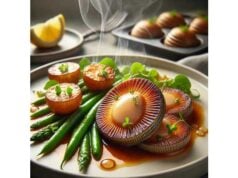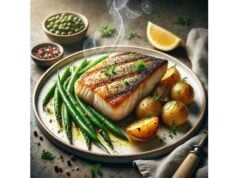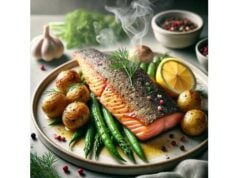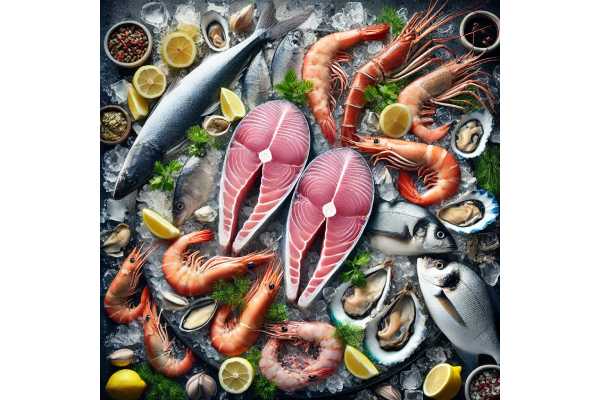
Shark meat appears on menus under names like dogfish, rock salmon, flake, school shark, or mako. It is a firm, mildly flavored seafood that cooks quickly and, per 100 g cooked, typically provides around 22–26 g of protein for roughly 120–170 kcal with little carbohydrate. As with other marine fish, shark delivers selenium, vitamin B12, phosphorus, and potassium, and it can contribute omega-3 fatty acids. Yet shark is not an everyday choice. Many species are long-lived apex predators with elevated mercury, and some populations face conservation pressure. If you do eat shark, sourcing and portion control matter as much as cooking skill. This guide summarizes the nutrition per 100 g with % Daily Value, health benefits within a balanced diet, safety concerns (especially mercury and reef-toxin risks), how to buy and store responsibly, and step-by-step cooking methods that keep fillets moist while prioritizing food safety and sustainability.
Key Takeaways
- High-protein, low-carb fish: about 22–26 g protein and 120–170 kcal per 100 g cooked.
- Safety caveat: many shark species have high mercury; some tropical species can carry reef toxins.
- Serving and frequency: 100–120 g cooked on rare occasions; choose lower-mercury seafood more often.
- Who should limit or avoid: children, people who are pregnant or breastfeeding, and anyone advised to restrict mercury exposure.
Table of Contents
- Shark Detailed Overview
- Shark Nutrition Profile
- Evidence-Based Health Benefits
- Risks, Allergies and Interactions
- Selecting, Sustainability and Storage
- Preparation, Cooking and Nutrient Retention
- Portions, Comparisons and FAQs
Shark Detailed Overview
Shark is not one fish but a broad category. In markets you’re most likely to see smaller species (e.g., spiny dogfish, gummy/school shark) sold as “flake” or “rock salmon,” and occasionally larger pelagics such as mako or thresher. Fillets are dense and meaty, with mild flavor when handled well, and a texture that holds together on the grill or in stews. Because sharks regulate buoyancy with urea and trimethylamine oxide (TMAO), improper handling can lead to an ammoniac aroma. Quality producers mitigate this by bleeding, icing, and processing quickly; as a buyer, your nose is your best tool—fresh shark smells clean and briny, never sharp or ammoniac.
Nutritionally, shark meat behaves like other lean fish: high in complete protein, naturally low in carbohydrate, and moderate in fat. Micronutrients of interest include selenium (cofactor in antioxidant enzymes), vitamin B12 (nervous system and red blood cells), phosphorus (bone and energy metabolism), and potassium (fluid balance). Depending on species and diet, shark can contribute omega-3 fatty acids; however, many species accumulate mercury due to their age and trophic level. That single fact shapes most health guidance: shark is a sometimes-food for most adults and an avoid-food for children and people who are or may become pregnant or who are breastfeeding.
Culinary uses play to the fish’s firm structure. Thick steaks handle high-heat searing or grilling with confidence. Cubed meat works in curries and chowders. Gentle techniques—poaching or steaming—keep fillets moist and preserve delicate vitamins. Acids and herbs shine here: lemon, capers, dill, parsley, and olive oil complement the clean flavor without masking it. If sodium intake is a concern, season with citrus, garlic, and spices rather than heavy sauces.
Finally, sustainability and ethics are part of the decision. Some shark fisheries are well-managed with bycatch controls; others are not, and demand for fins has driven wasteful practices in parts of the world. If you choose shark, prefer legally landed species from traceable, responsibly managed fisheries, and consider diversifying seafood choices toward low-mercury, well-managed alternatives most of the time.
Shark Nutrition Profile
How to use this section: Values below reflect cooked shark, dry heat, no added fat per 100 g. Because shark includes many species, numbers vary by age, habitat, and cut. Where an official % Daily Value (%DV) exists, it is shown for adults and children ≥4 years.
Macros and Electrolytes (per 100 g cooked)
| Nutrient | Amount | %DV |
|---|---|---|
| Energy | 130–170 kcal | — |
| Protein | 24.0 g | 48% |
| Total Fat | 4.5 g | 6% |
| Saturated Fat | 1.0 g | 5% |
| Carbohydrate | 0.0 g | 0% |
| Total Sugars | 0.0 g | 0% |
| Dietary Fiber | 0.0 g | 0% |
| Sodium* | 70–120 mg | 3–5% |
| Potassium | ~300 mg | 6% |
| Water | 70–76 g | — |
*Sodium increases with brines or sauces; plain cooked meat is naturally modest in sodium.
Fats and Fatty Acids
| Fatty Acid | Amount | Notes |
|---|---|---|
| Omega-3 (EPA + DHA) | ~0.5–1.0 g | Varies widely by species and feed; contributes to weekly totals. |
| Omega-6 (LA) | ~0.1–0.2 g | Trace relative to total fat. |
| Monounsaturated + Polyunsaturated | ~2.5–3.0 g | Majority of total fat. |
| Trans Fat | 0 g | None intrinsic to the fish. |
Protein and Amino Acids
| Component | Amount | Notes |
|---|---|---|
| Protein | 24.0 g | High biological value, complete essential amino acid profile. |
| Taurine | ~0.05–0.15 g | Conditionally essential; supports bile acid conjugation. |
Vitamins
| Vitamin | Amount | %DV |
|---|---|---|
| Vitamin B12 (cobalamin) | ~1.5 µg | 63% |
| Niacin (B3) | ~4.0–5.0 mg | 25–31% |
| Vitamin B6 (pyridoxine) | ~0.3 mg | 18% |
| Vitamin D | ~0.5–2.0 µg | 3–10% |
| Folate | 10–20 µg | 3–5% |
| Choline | ~85 mg | 15% |
Minerals
| Mineral | Amount | %DV |
|---|---|---|
| Selenium | ~30–55 µg | 55–100% |
| Phosphorus | ~230 mg | 18% |
| Magnesium | ~30 mg | 7% |
| Zinc | ~0.6–1.0 mg | 5–9% |
| Iron | ~0.8–1.2 mg | 4–7% |
| Calcium | ~20–40 mg | 2–3% |
| Iodine† | ~20–80 µg | 13–53% |
†Iodine varies by marine habitat and age.
Allergens and Intolerance Markers
- Fish proteins can trigger IgE-mediated allergy in susceptible individuals.
- Cross-reactivity across different fish species is possible through shared muscle proteins (e.g., parvalbumin), though not guaranteed.
Contaminants/Residues
- Mercury: Often high in larger, older shark species; see Section 4 for guidance.
- Reef toxins: Some tropical sharks may carry ciguatoxins if they fed in coral-reef food webs.
- Urea/TMAO: Not harmful per se but can degrade to ammonia during poor handling, affecting flavor.
Footnotes
- Values are typical ranges for cooked shark across frequently traded species; precise composition depends on species, size, and cut.
- If sodium or calorie control is a goal, focus on plain cooked preparations and limit sauces.
Evidence-Based Health Benefits
1) High-quality protein for muscle maintenance
Per 100 g cooked, shark commonly provides ~24 g of complete protein for roughly 130–170 kcal. This makes it a dense protein option for people seeking to maintain or build lean mass with controlled calories. Protein-rich meals can improve satiety and support recovery when paired with resistance training, adequate total energy, and diverse protein sources over the week.
2) Micronutrients that support metabolic and neurologic health
Shark meat typically supplies meaningful amounts of selenium, vitamin B12, and phosphorus. Selenium is a cofactor for antioxidant enzymes that help manage oxidative stress. Vitamin B12 supports nerve function and red blood cell formation. Phosphorus participates in energy metabolism and bone health. Potassium, present at ~300 mg per 100 g, helps balance dietary sodium in mixed meals.
3) Omega-3 contribution within a seafood pattern
Although shark is not among the oiliest fish, it can contribute EPA and DHA to weekly intake, especially when consumed as part of a broader seafood pattern. The most consistent cardiometabolic benefits stem from eating a variety of seafood—prioritizing low-mercury species—and replacing refined carbohydrates or high-saturated-fat meats with fish and plant-forward sides. That dietary pattern, rather than any single food, is the cornerstone of heart health.
4) Culinary utility that encourages seafood intake
Firm texture means shark steaks can be grilled or seared without falling apart—useful for cooks who want simple, high-heat methods. When people find a fish they enjoy preparing, they are more likely to keep seafood in the rotation, which can help them meet weekly seafood targets.
5) Pragmatic perspective
For most adults without specific mercury restrictions, an occasional, well-sourced shark meal can fit into a balanced menu. That said, the same nutrition goals—lean protein, omega-3s, B12, selenium—are often met more safely and sustainably by lower-mercury, well-managed species like salmon, trout, sardines, mackerel (Atlantic/chub), herring, mussels, clams, cod, or pollock. Consider using shark as a rare choice and leaning on those alternatives most weeks.
Bottom line
Shark delivers complete protein and helpful micronutrients, but its advantages are offset by elevated mercury in many species and by conservation concerns. For most people, the health-forward path is to emphasize low-mercury seafood regularly and approach shark as an infrequent, carefully sourced option.
Risks, Allergies and Interactions
Mercury: the central safety issue
Many shark species sit high in the marine food web and live for years, allowing methylmercury to bioaccumulate. Public-health guidance consistently places shark among the highest-mercury fish. That means children and people who are pregnant or breastfeeding should avoid shark. Other adults should limit intake and favor low-mercury seafood most of the time. If you regularly consume predatory fish, discuss mercury exposure with your clinician, especially if you are trying to conceive or if neurological symptoms arise.
Reef-toxin risk (ciguatera)
In tropical and subtropical waters, reef-associated food chains can carry ciguatoxins. While reef fish such as barracuda and grouper are the classic vehicles, some sharks feeding in these webs have been implicated as well. Ciguatoxins are heat-stable and odorless; cooking does not destroy them. Symptoms can include gastrointestinal upset followed by neurologic complaints (e.g., tingling, temperature reversal, fatigue). Risk is geographic and species-specific; avoidance of reef fish and careful sourcing reduce the chance of exposure.
Food allergy
Fish allergy can provoke symptoms from hives to anaphylaxis. Cross-reactivity across fish species is common but not universal. People with suspected allergy should see an allergist for testing and a management plan that may include emergency epinephrine.
Handling and spoilage
Urea and TMAO in shark can break down to ammonia if the fish is not bled and iced promptly. This does not constitute a typical toxin hazard but signals poor quality. Always buy from sellers who maintain a strict cold chain. Store at ≤4 °C (≤40 °F), cook within 24 hours, or freeze.
Medication and condition considerations
- Pregnancy, planning pregnancy, or breastfeeding: avoid shark due to high mercury; choose low-mercury fish.
- Children: avoid shark; select low-mercury, well-cooked options in age-appropriate portions.
- Sodium restriction: the plain meat is modest in sodium; most excess comes from marinades and sauces.
- Gout/hyperuricemia: fish contribute purines; total dietary purine load over days matters more than any single serving—discuss limits with a clinician.
Kitchen safety
Standard seafood precautions apply: keep raw fish cold, avoid cross-contamination, and cook to an internal temperature of 63 °C (145 °F) or until opaque and flaking.
Bottom line
Because mercury and, in some regions, reef toxins are genuine concerns, shark calls for stricter selection and smaller portions than most fish. When in doubt, choose low-mercury alternatives.
Selecting, Sustainability and Storage
Sourcing with care
Sharks play vital ecological roles, and several species are overfished or slow to recover. If you choose to buy shark, prioritize:
- Traceability: retail labeling that specifies species and catch area.
- Legal, well-managed fisheries: smaller, faster-growing species (e.g., some dogfish fisheries) may be better managed than large pelagics.
- Whole-animal use: avoid products associated with finning; seek sellers who value full-carcass utilization.
Freshness cues
- Look: moist, firm flesh; no browning or drying. If skin is present, it should be tight and shiny.
- Smell: clean and sea-fresh—never ammoniac, sour, or “fishy.”
- Touch: fillet should spring back when pressed; avoid mushy or sticky textures.
Label literacy
- Names: “flake,” “rock salmon,” or “dogfish” often indicate smaller sharks; mako or thresher are larger species.
- Previously frozen: not a negative if thawed properly and recently.
- Additives: plain fish should have none; sodium rises from brines and sauces, not the fish itself.
Storage and shelf life
- Refrigeration (raw): up to 1 day at ≤4 °C (≤40 °F); keep on ice in a shallow tray to drain meltwater.
- Freezer (raw): 3–6 months at −18 °C (0 °F) in vacuum-sealed or well-wrapped packs.
- Refrigeration (cooked): 2–3 days in a covered container; cool quickly after cooking.
- Thawing: overnight in the refrigerator; for same-day use, submerge a sealed pack in cold water 20–30 minutes, changing water once; cook immediately.
Budget and quality strategies
- Buy thicker steaks for the grill; thinner pieces suit curries and soups.
- If you are new to shark, start with smaller-species fillets (often sold as “flake/dogfish”) that are handled well and have milder flavor.
- Consider choosing low-mercury species most of the time, reserving shark for rare occasions if at all.
Flavor pairings
- Bright and herbal: lemon, parsley, dill, capers.
- Smoky-spicy: paprika, chili, cumin, coriander.
- Aromatic: garlic, shallot, olive oil; finish with a splash of vinegar or citrus to lift flavor without adding much sodium.
Preparation, Cooking and Nutrient Retention
Shark is lean-to-moderate in fat and can dry out if overcooked. The keys are even heat, short cooking times, and rest. Gentle methods help preserve B vitamins and retain moisture; high heat works for thicker steaks when timed well.
Core techniques
- Pan-sear (steaks or thick fillets)
- Pat dry; season lightly with salt or a salt-free spice blend.
- Heat a heavy skillet until hot; add a thin film of oil.
- Sear 3–4 minutes on the first side until a golden crust forms; flip and cook 2–3 minutes more.
- Doneness: opaque at the center and flaking with gentle pressure, or 63 °C (145 °F) internal.
- Why it works: fast surface browning with minimal moisture loss.
- Grill
- Brush steaks with oil to prevent sticking.
- Grill over medium-high heat, 3–5 minutes per side depending on thickness.
- Rest 2 minutes to redistribute juices.
- Tip: a perforated grill tray helps keep smaller pieces from breaking.
- Poach (gentle and forgiving)
- Simmer an aromatic court bouillon; reduce to a bare simmer.
- Slide in fish; turn off heat; cover 8–10 minutes.
- Bonus: save the poaching liquid for a light sauce or soup to capture dissolved minerals.
- Steam or en papillote
- Steam 8–12 minutes or bake in parchment with lemon, herbs, and a splash of stock.
- Why it works: moist heat limits nutrient losses and keeps texture tender.
Nutrient-protective practices
- Cook just to done: prolonged high heat can degrade heat-sensitive vitamins.
- Use acids and herbs instead of excess salt: lemon, vinegar, dill, parsley, and smoked paprika add brightness with minimal sodium.
- Mind leftovers: cool within 2 hours and reheat gently once to avoid repeated nutrient loss.
Simple sauces (low-sodium)
- Lemon-capers with parsley: olive oil, lemon juice, capers, chopped parsley.
- Spiced yogurt: plain yogurt, grated cucumber, garlic, dill, lemon zest.
- Chili-lime vinaigrette: lime juice, olive oil, minced chili, a touch of honey if desired.
Food safety checkpoints
- Keep fish cold from store to stove.
- Use separate boards and knives for raw fish; wash hands and sanitize surfaces.
- Cook to 63 °C (145 °F) or until opaque and flaking; refrigerate leftovers promptly.
Menu ideas
- Grilled shark with tomato-olive relish: serve with farro and arugula.
- Poached shark salad: toss with white beans, roasted peppers, and lemon-herb dressing.
- Curry cubes: simmer bite-size pieces briefly in a coconut-milk curry with spinach and green beans; finish with lime.
Portions, Comparisons and FAQs
Recommended portions and frequency
- Standard serving: 100–120 g cooked (one modest steak or fillet).
- How often: for most adults, treat shark as an occasional choice. Choose low-mercury fish (e.g., salmon, sardines, trout, herring, anchovies, mussels, clams, cod, pollock) for the 2–3 seafood meals per week many guidelines recommend.
- Avoid: children and people who are pregnant or breastfeeding should not eat shark due to mercury.
How shark compares (per 100 g cooked)
- Shark vs. salmon: shark is leaner and typically lower in omega-3; salmon provides ~1.5–2.5 g EPA+DHA and vitamin D.
- Shark vs. cod/pollock: similar calories and protein; cod/pollock are much lower in mercury and are better routine choices.
- Shark vs. tuna (bigeye/swordfish): all are high-mercury predatory fish; limit or avoid, especially for sensitive groups.
Who should limit or avoid?
- Children and people who are pregnant or breastfeeding: avoid due to high mercury.
- Those trying to conceive or with elevated mercury exposure from work or diet: avoid shark and choose low-mercury seafood.
- Fish allergy: avoid and consult an allergist for personalized guidance.
Budget and pantry tips
- If you choose shark, buy from reputable sellers with traceable supply chains.
- Consider smaller-species fillets (often labeled “flake/dogfish”) from well-managed fisheries rather than large pelagic sharks.
- For everyday meals, stock low-mercury frozen fish—salmon, cod, pollock—and shellfish like shrimp or mussels.
Frequently Asked Questions
Is shark safe to eat?
For most adults, an occasional serving from a well-managed, traceable source can fit into a balanced diet, but many public-health advisories recommend avoiding shark due to high mercury—especially for children and people who are pregnant or breastfeeding.
Why does some shark smell like ammonia?
If sharks are not bled and iced rapidly, urea and TMAO break down, creating an ammoniac smell. That indicates poor handling and inferior quality.
Can I reduce mercury by trimming fat or skin?
Mercury binds to muscle proteins, not fat. Trimming the skin or fat does not meaningfully lower mercury content.
What internal temperature should I aim for?
Cook to 63 °C (145 °F) or until opaque and flaking in the thickest part.
Are there better substitutes?
Yes. For a similar firm texture with lower mercury and stronger sustainability profiles, try cod, pollock, haddock, mahi-mahi, farmed trout, salmon, or responsibly farmed barramundi.
References
- Advice about Eating Fish 2024 (Guidance)
- 2021 Dietary Guidance to Improve Cardiovascular Health 2021 (Guideline)
- An Updated Review of Ciguatera Fish Poisoning: Clinical, Epidemiological, Environmental, and Public Health Management 2017 (Systematic Review)
- Guidelines for Eating Fish that Contain Mercury 2025 (Guidance)
- Advice About Eating Fish (October 2021) 2021 (Guidance)
Disclaimer
This article is educational and is not a substitute for professional medical advice, diagnosis, or treatment. Always consult your healthcare professional or a registered dietitian for guidance tailored to your health status, medications, and life stage—especially if you are pregnant or breastfeeding, planning pregnancy, caring for children, managing cardiovascular or kidney disease, or living with food allergies.
If you found this guide useful, please consider sharing it on Facebook, X, or any platform you prefer. Your support helps us continue creating clear, evidence-based nutrition resources.