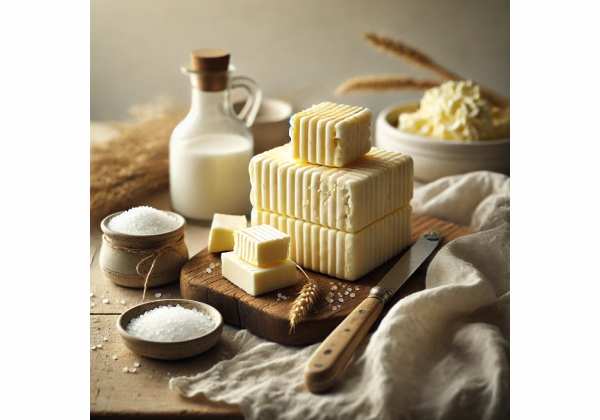
Sheep butter is a richly flavored, pale-gold spread churned from sheep milk cream. Thanks to sheep milk’s naturally higher solids (fat and protein), it carries a fuller taste and silkier mouthfeel than most cow or goat butters, with gentle sweetness and a pleasant lactic finish. In the kitchen, sheep butter shines where you want aroma and tenderness—laminated pastries, pan sauces, sautéed vegetables, and finishing touches on grilled fish or steamed greens. Nutritionally, it delivers concentrated energy, fat-soluble vitamins, and a distinctive fatty-acid profile that includes more short- and medium-chain fatty acids than typical cow butter. Those same strengths call for smart portioning: as a high-fat, high-calorie food, it’s best used as a flavor carrier in modest amounts alongside vegetables, legumes, whole grains, and lean proteins. This guide explains how sheep butter differs from other butters, what its per-100 g nutrients look like, how to buy, store, and cook with it, and where it fits in health-conscious eating—plus clear answers to common questions about lactose, allergies, and saturated fat.
Top Highlights
- Naturally aromatic and creamy; ideal for pastry, sauces, and finishing.
- Typical serving: 1 tablespoon (14 g), enjoy a few times per week within saturated-fat goals.
- Choose pasteurized cream and keep refrigerated; avoid raw dairy in pregnancy and immunocompromise.
- People with milk protein allergy should avoid; lactose intolerance usually tolerates butter but confirm your own response.
Table of Contents
- Sheep Butter: Detailed Overview
- Sheep Butter Nutrition per 100 g
- Evidence-Based Health Benefits
- Risks, Allergies and Interactions
- Selecting, Quality, Sustainability and Storage
- Preparation, Cooking and Nutrient Retention
- Portions, Comparisons and FAQs
Sheep Butter: Detailed Overview
Sheep butter is produced by churning cream separated from sheep milk, sometimes after a short maturation period that develops aroma. Like cow butter, it is an emulsion of butterfat, water, and milk solids, but sheep butter usually contains slightly more butterfat and milk solids due to the cream’s composition. That difference drives both flavor and function:
- Flavor and aroma: Expect a clean, dairy-sweet base with notes of hay, nuts, and cultured cream (especially in “cultured butter” made from inoculated, ripened cream). Color ranges from pale ivory to warm yellow depending on season and animal diet; pasture feeding deepens pigment and flavor.
- Texture: Because of higher fat and solids, sheep butter spreads smoothly at room temperature and feels plush on the palate. In baking, it yields tender, flaky layers and stable emulsions in buttercreams and ganache.
- Functionality: The fat matrix in sheep butter contains more short- and medium-chain fatty acids (e.g., butyric, caproic, caprylic) relative to many cow butters. These melt readily and carry volatile aromas, which is why a little sheep butter seems to perfume a whole dish.
Types you may find
- Sweet-cream vs cultured: Sweet-cream butters are churned from fresh cream; cultured versions ferment cream first for tang and complexity.
- Salted vs unsalted: Salted butter keeps longer and tastes rounder; unsalted offers control in pastry and sauces.
- European-style: Often 82–85% butterfat (vs 80% minimum in many markets). Sheep butter commonly falls near or above this range, contributing to flakiness and spreadability.
- Clarified and ghee: Water and milk solids are removed by gentle heating, raising the smoke point and removing most residual proteins (useful for those sensitive to trace milk solids).
How it compares with other butters
- Cow butter: Typically milder, slightly lower in butterfat, and more ubiquitous.
- Goat butter: Distinctly tangier and sometimes whiter; goat fat composition differs, and flavor can be more pronounced.
- Plant-based spreads: Can match texture and performance, but fatty-acid profiles, vitamins, and processing vary widely.
Who will enjoy it most? Cooks who value flavor density and pastry performance; eaters who want a small amount of high-impact fat to finish dishes; and anyone curious about heritage dairy with strong culinary character.
Sheep Butter Nutrition per 100 g
Values below reflect unsalted sheep butter made from pasteurized cream. Numbers vary by season, diet, and processing; use labels for your specific product. % Daily Value (%DV) uses standard adult DVs (fat 78 g; saturated fat 20 g; cholesterol 300 mg; sodium 2300 mg; vitamin A 900 µg RAE; vitamin E 15 mg; vitamin K 120 µg). Vitamins D and K2 vary widely with feed and fortification practices.
Macros and Electrolytes
| Nutrient | Amount (per 100 g) | %DV |
|---|---|---|
| Energy | 740–760 kcal | — |
| Total Fat | 82–84 g | 105–108% |
| Saturated Fat | 50–54 g | 250–270% |
| Monounsaturated Fat | 22–25 g | — |
| Polyunsaturated Fat | 2.5–3.5 g | — |
| Carbohydrate | 0.5 g | 0% |
| Total Sugars | 0.5 g | — |
| Protein | 0.5–1.0 g | 1–2% |
| Cholesterol | 200–220 mg | 67–73% |
| Sodium (unsalted) | ~10–20 mg | 0% |
| Water | ~14–16 g | — |
Fats and Fatty Acids (typical distribution within total fat)
| Component | Approximate Amount (g/100 g butter) | Notes |
|---|---|---|
| Butyric acid (C4:0) | 3.0–4.5 | Short-chain; characteristic buttery aroma |
| Caproic, caprylic, capric (C6:0–C10:0) | 2.0–3.0 | Medium-chain group; readily oxidized for energy |
| Myristic acid (C14:0) | 8–12 | Saturated; impactful on LDL at high intakes |
| Palmitic acid (C16:0) | 20–26 | Major saturated fatty acid in dairy fat |
| Stearic acid (C18:0) | 8–12 | Neutral effect on LDL in many studies |
| Oleic acid (C18:1 n-9) | 18–24 | Main monounsaturated fatty acid |
| Linoleic acid (C18:2 n-6) | 1.0–2.0 | Essential PUFA; varies with feed |
| Alpha-linolenic acid (C18:3 n-3) | 0.3–0.7 | Essential PUFA; higher with pasture |
| Conjugated linoleic acid (CLA, total) | 0.5–1.5 | Highly variable; pasture-rich diets increase levels |
Vitamins (unfortified; pasture raises values seasonally)
| Vitamin | Amount (per 100 g) | %DV |
|---|---|---|
| Vitamin A (RAE) | ~600–800 µg | 67–89% |
| Vitamin E (α-tocopherol) | ~2.0–3.0 mg | 13–20% |
| Vitamin K (mostly K2, MK-4)* | ~15–40 µg | 13–33% |
*Vitamin K labeling typically reports total vitamin K; specific K2 (MK-4) contributions vary widely and are not always listed.
Minerals (trace in butterfat)
| Mineral | Amount (per 100 g) | %DV |
|---|---|---|
| Calcium | ~20–25 mg | 2% |
| Phosphorus | ~20–25 mg | 2% |
| Potassium | ~15–30 mg | <1% |
Allergens and Intolerance Markers
- Milk proteins: Butter contains trace casein and whey proteins—enough to trigger reactions in highly sensitive individuals.
- Lactose: Extremely low (usually <0.5 g/100 g), but not zero; ghee/clarified butter is typically better tolerated when lactose is the issue.
Glycemic and Acid–Base Metrics
- Glycemic Index: Not applicable (minimal carbohydrate).
- PRAL: Neutral to slightly acid-forming per gram; impact is negligible at typical serving sizes.
Footnote on additives and fortification: Some commercial butters include added cultures (for cultured butter) or salt; fat-soluble vitamin fortification is uncommon but possible in some markets. Always read labels.
Evidence-Based Health Benefits
1) Flavor density that improves meal satisfaction at small doses. Because sheep butter is intensely aromatic, teaspoon-sized amounts can make vegetables, legumes, or whole grains more appealing. That can support adherence to higher-quality eating patterns by replacing heavier cream sauces or large quantities of oils with judicious dabs of butter used for finishing rather than frying.
2) Fat-soluble vitamin delivery (A, E, K). Sheep butter supplies vitamin A (as retinol), which supports epithelial integrity and low-light vision; vitamin E, an antioxidant that protects cell membranes; and vitamin K (often as K2, MK-4), involved in normal blood clotting. Seasonal, pasture-rich diets in ewes tend to elevate these vitamins naturally. While butter alone is not a comprehensive source, it meaningfully contributes in small, regular portions.
3) Distinctive fatty acids with culinary and physiological interest. Dairy fat includes short-chain fatty acids (e.g., butyric acid) and medium-chain fatty acids that are rapidly oxidized for energy compared with long-chain fats. Sheep butter also contains conjugated linoleic acid (CLA) in small amounts; levels rise with pasture. The overall health impact of these compounds depends on your entire diet, but they add to the chemical diversity of fats you eat.
4) Cooking performance that preserves texture and nutrients in other foods. A small pat of sheep butter as a finishing fat can help coat and retain steam in cooked vegetables, making them taste richer without long exposure to heat. In baking, the solid-fat crystals in butter shorten gluten strands, producing tenderness without added sugars. Used wisely, this can create satisfying foods with fewer additives.
5) Synergy with plant foods. Butter’s fat matrix helps absorb fat-soluble compounds from herbs and vegetables (e.g., carotenoids from carrots or tomatoes). Pairing a small amount of sheep butter with vibrantly colored produce can improve flavor and potentially support absorption of these compounds when compared with fat-free preparations.
Practical applications
- Finish roasted carrots or steamed asparagus with 1–2 tsp sheep butter, lemon zest, and herbs.
- Swap heavy cream in pan sauces for ½–1 Tbsp sheep butter whisked in off heat (monter au beurre) to gloss and flavor without excess volume.
- In pastry, choose sheep butter for laminated doughs when aroma matters; you may use slightly less than cow butter for similar sensory impact.
Keep perspective: Butter is energy-dense and high in saturated fat. The benefits above rely on small portions within an overall dietary pattern rich in vegetables, whole grains, legumes, nuts, seeds, seafood, and unsaturated oils.
Risks, Allergies and Interactions
Saturated fat and LDL-cholesterol. Sheep butter is high in saturated fatty acids—especially palmitic and myristic acids—that can raise LDL-cholesterol in many people when consumed in excess. If you are managing LDL or cardiovascular risk, keep portions modest (see “Portions” below) and prioritize monounsaturated and polyunsaturated fats (olive oil, nuts, seeds, fatty fish) for most daily fat needs. Using sheep butter as a finishing accent rather than a primary cooking medium is a practical approach.
Calories add up quickly. At roughly 740–760 kcal per 100 g, even a tablespoon (14 g) provides ~100–110 kcal. For weight management, pre-portion butter and use measuring spoons while you learn your personal “just enough” amount.
Allergy and intolerance.
- Milk protein allergy: Avoid sheep butter unless your allergist confirms tolerance; trace casein and whey can be enough to trigger reactions.
- Lactose intolerance: Butter contains very little lactose and is often tolerated. If you are highly sensitive, consider ghee/clarified butter, which removes almost all residual sugars and proteins.
Raw dairy risks. Butter made from raw cream can carry pathogens if it is not handled carefully. High-risk groups (pregnant people, older adults, immunocompromised individuals) should choose pasteurized products.
Sodium considerations. Salted sheep butter can contain ~1.5–2.0 g salt (≈600–800 mg sodium) per 100 g, affecting sodium budgets if you use large amounts. For precise seasoning, cook with unsalted butter and salt the dish to taste.
Medication and condition notes.
- Anticoagulation (warfarin): Butter contains vitamin K (including K2). While amounts are modest, keep intake consistent to avoid affecting dose stability.
- Gallbladder or fat malabsorption conditions: High-fat foods can worsen symptoms; follow individualized guidance.
- Hyperlipidemia: A diet emphasizing unsaturated fats while limiting saturated fat is generally advised. Butter can fit in small amounts if the rest of the pattern is heart-forward.
Food handling and storage safety. Keep butter refrigerated; avoid prolonged room-temperature storage in warm kitchens. Discard if you notice rancid, soapy, or “barny” off-odors, or visible mold on the surface or wrapping.
Selecting, Quality, Sustainability and Storage
What to look for on the label
- Pasteurized cream: Prefer products that clearly state pasteurization, especially for at-risk groups.
- Ingredients: Ideal unsalted butter lists just “cream” and possibly “cultures” for cultured butter. Salted includes “salt.”
- Butterfat percentage: European-style or artisan sheep butters frequently list 82–85% fat. Higher fat supports flake in pastry and richer sauces.
- Cultured vs sweet-cream: Cultured butter brings tang and layered aroma; great for finishing and pastry. Sweet-cream tastes cleaner; great for baking where other flavors dominate.
Quality cues
- Color: Uniform pale to golden hue; intense yellow typically reflects pasture pigments (carotenoids), not artificial color.
- Aroma: Clean, creamy, lightly nutty; off-notes (soapy, sour, or animal) suggest heat or storage abuse.
- Texture: Smooth, plasticity at cool room temp; cracks or weeping indicate temperature swings.
Sustainability pointers
- Regional sourcing: Buying from nearby dairies reduces transport emissions and supports small ruminant agriculture, which often makes use of marginal grazing lands.
- Seasonality: Spring and summer pasture can raise fat-soluble vitamins and alter flavor; consider stocking up (freezing) when quality peaks.
- Packaging: Foil-wrapped blocks protect against light and oxygen; reseal tightly. Choose recyclable or compostable wraps when available.
Storage and shelf life
- Refrigeration: Keep at ≤4 °C in original wrap inside an airtight container to block odors. Opened butter stays quality-fresh ~3–4 weeks.
- Freezing: Freeze sealed blocks for up to 9 months; thaw overnight in the refrigerator. Portion into sticks or tablespoons before freezing for convenience.
- Counter storage: In cool climates, a butter bell can hold small amounts for a few days; change water daily and limit to unsalted only if the room stays <21 °C. When in doubt, refrigerate.
Preventing rancidity
- Light and oxygen accelerate oxidation; use opaque containers and keep wraps tight.
- Heat speeds staling; avoid countertop proximity to ovens or sunny windows.
- Clean knives reduce microbial contamination that causes off-flavors.
Preparation, Cooking and Nutrient Retention
Know your heat limits
- Whole butter smoke point: roughly 160–180 °C; milk solids brown quickly, making butter ideal for sautéing over medium heat, finishing, and baking—not prolonged high-heat frying.
- Browned butter (beurre noisette): Toast milk solids to hazelnut aroma; use for baked goods, sauces, and drizzling over vegetables or fish.
- Clarified butter or ghee: Removing milk solids raises the smoke point and improves tolerance for higher-heat cooking; it also reduces residual lactose and protein.
Techniques that flatter sheep butter
- Finishing gloss: Whisk ½–1 Tbsp chilled sheep butter into a pan sauce off heat to create body and sheen without cream.
- Vegetable enhancer: Melt 1 tsp over steamed asparagus, green beans, or carrots; finish with citrus zest and herbs.
- Lamination: For croissants or puff pastry, sheep butter’s plasticity yields crisp layers and complex aroma—use slightly less than cow butter if its flavor dominates.
- Compound butters: Mash softened butter with lemon, garlic, herbs, spices, or miso; roll into a log, chill, and slice onto seared meats, tofu, or roasted vegetables.
- Baking swaps: Replace part of the oil in quick breads or muffins with melted sheep butter for richer crumb; reduce added salt if using salted butter.
Retention and balance tips
- Add late for flavor: finishing with butter preserves volatile aromas and limits heat exposure.
- Pair with acidity and herbs: Lemon, vinegar, mustard, and fresh herbs cut richness without extra sodium.
- Use measuring spoons: Train your eye by measuring 1 tsp, 2 tsp, and 1 Tbsp portions the first week you cook with sheep butter; then portion by sight.
For lactose sensitivity
- Most people with lactose intolerance tolerate small amounts of butter; if symptoms occur, choose ghee.
- Combine butter-finished dishes with fiber-rich sides (beans, whole grains) to build satisfying, balanced meals.
Portions, Comparisons and FAQs
What is a sensible portion, and how often?
- Start with 1 tablespoon (14 g) as a standard portion (~100–110 kcal, ~11–12 g fat, ~7–8 g saturated fat). Many adults do well using 1–2 Tbsp per day total from all butter sources or less, adjusting for personal saturated-fat targets and overall calorie needs. Think of sheep butter as a finishing ingredient most days, not a primary frying fat.
How does sheep butter compare to other fats?
- Olive oil: Rich in monounsaturated fats and polyphenols; better daily default for sautéing and dressings.
- Avocado oil and high-oleic oils: Higher smoke points for high-heat searing.
- Cow butter: Slightly milder flavor, often a bit lower in fat per 100 g; performance is similar, but sheep butter can taste more aromatic at smaller amounts.
- Goat butter: Tangier and sometimes more pronounced aroma; culinary use is similar but flavor pairing differs.
- Ghee/clarified butter: Higher smoke point; negligible lactose and proteins; clean, nutty flavor.
Is sheep butter lactose-free?
- Not entirely, but it’s very low in lactose. If you are extremely sensitive, choose ghee.
Is sheep butter healthier than cow butter?
- Nutritionally, both are high-fat, high-calorie foods with similar saturated-fat profiles. Sheep butter often has more short- and medium-chain fats and may deliver more vitamin A and CLA depending on diet and season, but the health difference is small at typical portions. Your overall pattern—vegetables, fiber, seafood, nuts, seeds, and unsaturated oils—matters more.
Can I leave butter on the counter?
- For short periods in cool rooms, a small covered amount is fine. In warm climates or if you prefer caution, refrigerate and spread thin slices on warm bread rather than softening at room temperature.
What about salted vs unsalted?
- Unsalted offers precision in recipes and sauces; salted tastes rounder and keeps slightly longer. Adjust added salt elsewhere if you use salted butter in cooking.
What if I am watching sodium or cholesterol?
- Choose unsalted butter, measure portions carefully, and lean on unsalted oils for everyday cooking. Remember that dietary cholesterol in butter contributes to total intake; keep portions small if you have specific lipid goals.
Any tips to reduce total butter without losing pleasure?
- Blend ½ butter + ½ extra-virgin olive oil for spreads and sautéing at moderate heat.
- Finish vegetables with 1 tsp butter plus citrus and herbs instead of 1 Tbsp butter alone.
- Use compound butter coins to deliver flavor precisely where it matters (on top of hot food) rather than stirring in large amounts.
References
- Saturated Fat 2024 (Guideline)
- Daily Value on the Nutrition and Supplement Facts Labels 2024 (Guidance)
- Raw Milk 2025 (Public Health Guidance)
- Milk Fat Globule Membrane: Nutritional and Technological Aspects for Dairy Products 2019 (Review)
- Conjugated Linoleic Acid in Ruminant Milk and Meat 2018 (Review)
Disclaimer
This article provides general nutrition and cooking information and is not a substitute for personalized medical advice, diagnosis, or treatment. Talk with a qualified healthcare professional about your specific health needs, allergies or intolerances, and lipid or sodium goals before making dietary changes. If you are pregnant, immunocompromised, or over 65, choose pasteurized dairy and handle perishable foods with extra care.
If you found this guide useful, please consider sharing it on Facebook, X (formerly Twitter), or any platform you prefer. Your support helps us keep creating clear, evidence-based food and nutrition content.