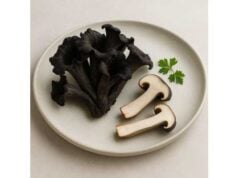
Shimeji mushrooms—usually sold as brown beech (buna-shimeji) or white beech (bunapi)—are small, tight clusters of caps on slender stems with a springy bite and a clean, nutty, slightly shellfish-like aroma. In Japanese, Chinese, and Korean kitchens they show up in soups, nabemono hot pots, stir-fries, and foil-baked dishes for effortless umami. In Western cooking they slot into weeknight pastas, risotto, and sheet-pan roasts without overwhelming other flavors. Nutritionally, shimeji is a low-calorie food with fiber, B vitamins, copper, and potassium. Like many cultivated mushrooms, it also contains mushroom-specific compounds—beta-glucans and ergothioneine—that contribute to the food’s antioxidant and immune-modulating profile when eaten as part of balanced meals. Fresh clusters keep well compared with very delicate mushrooms, while dried shimeji offers a pantry-safe shortcut to savory broths. Because raw shimeji can taste bitter and is harder to digest, cooking is the rule, not the exception. With a few simple techniques, shimeji becomes a reliable way to add depth, texture, and nutrition to everyday dishes.
Quick Facts
- Typical serving: 150–200 g fresh (about 1–1.5 cups sliced) or 8–10 g dried, cooked, 1–3 times weekly.
- Key upsides: low energy density with fiber, B vitamins, copper, potassium, beta-glucans, and ergothioneine that support nutrient-dense meals.
- Safety note: always cook; raw shimeji can be bitter and may cause digestive discomfort in sensitive individuals.
- Who should limit: anyone with mushroom allergy, severe FODMAP intolerance, or on strict potassium-restricted diets.
- Practical tip: save and strain soaking liquid from dried shimeji to boost soups and sauces without excess salt.
Table of Contents
- Shimeji Basics and Uses
- Shimeji Nutrition Profile per 100 g
- Evidence-Based Benefits of Shimeji
- Risks, Allergies and Interactions
- Selecting, Quality, Sustainability and Storage
- Preparation, Cooking and Nutrient Retention
- Portions, Comparisons and FAQs
Shimeji Basics and Uses
Shimeji is the market name for a group of closely related cultivated beech mushrooms, most commonly Hypsizygus marmoreus in brown (buna) and white (bunapi) forms. The cluster is dense, with petite caps and firm, resilient stems that keep their shape when cooked. Flavor skews mild, nutty, and faintly shellfish-like, which is why white shimeji is sometimes nicknamed “seafood mushroom.” Because the stems are pleasant to eat, waste is low; trim only the base where the cluster was attached to the growing block.
In everyday cooking, shimeji behaves like a “texture plus umami” ingredient. A handful adds chew and depth to miso soup, ramen, mapo tofu, or yakisoba. In Italian-style dishes, it sautés into silky risotto, tagliatelle with thyme and butter, or a mushroom ragù stretched with lentils. For quick meals, roast shimeji on a sheet pan with broccoli and chickpeas; toss with olive oil, salt, pepper, and finish with lemon. The clusters also pan-sear beautifully: split into smaller branches, sear undisturbed to brown, then toss with aromatics.
Dried shimeji is a high-value pantry staple. It rehydrates rapidly and brings concentrated 5′-nucleotides (like guanylate) to broth and sauces. Strain the soaking liquid to remove grit and use it as stock; this retains water-soluble B vitamins and umami compounds that might otherwise be lost.
From a culinary science angle, shimeji’s savory impact comes from glutamate, guanylate, and naturally occurring peptides. Heat converts some precursors into potent flavor compounds, which is why properly browned shimeji tastes deeper than hastily steamed shimeji. Browning also softens the stems while preserving a pleasant bounce.
Culturally, shimeji has deep roots across East Asia and has become a global produce-aisle regular thanks to clean indoor cultivation on sterilized sawdust blocks. This controlled environment yields consistent flavor, tight clusters, and traceable quality. Because cultivation is resource-efficient, shimeji offers a relatively low-footprint way to add protein and fiber to plant-forward meals.
For home cooks, the big wins are reliability and speed. Shimeji’s tidy cluster makes for fast prep; the mushrooms brown predictably and do not flood the pan with water. With little more than oil, salt, and heat, they deliver weeknight umami that can replace some meat, salt, or heavy sauces while keeping the dish satisfying.
Shimeji Nutrition Profile per 100 g
Notes: Values below are typical for raw cultivated shimeji (Hypsizygus marmoreus) per 100 g. Composition varies with strain (brown vs white), substrate, and processing (fresh vs dried; UV exposure). Use these numbers as practical kitchen guidance; % Daily Values (%DV) follow U.S. adult DVs.
Macros and Electrolytes (per 100 g raw)
| Nutrient | Amount | % Daily Value |
|---|---|---|
| Energy | 30 kcal | — |
| Water | 89 g | — |
| Protein | 2.7 g | — |
| Total carbohydrate | 6.5 g | — |
| Dietary fiber | 2.5 g | — |
| Total sugars | 2.2 g | — |
| Total fat | 0.3 g | — |
| Sodium | 7 mg | 0% |
| Potassium | 300 mg | 6% |
Carbohydrates
| Component | Amount | Practical note |
|---|---|---|
| Starch | ~0.2 g | Most carbs are simple sugars and fiber. |
| Trehalose and mannitol | ~1–2 g | May trigger bloating in FODMAP-sensitive individuals. |
| Beta-glucans (soluble fiber) | ~0.5–1.5 g | Varies by strain and processing; contributes to texture and satiety. |
Fats and Fatty Acids
| Component | Amount | Notes |
|---|---|---|
| Total fat | 0.3 g | Naturally low-fat. |
| Saturated fat | ~0.05 g | Minimal. |
| Polyunsaturated fat | ~0.15 g | Primarily linoleic acid (omega-6). |
| Cholesterol | 0 mg | Ergosterol present (pro-vitamin D form). |
Protein and Amino Acids
| Component | Amount | Notes |
|---|---|---|
| Protein | 2.7 g | Complements cereals and legumes in mixed meals. |
| Glutamate and aspartate | — | Key amino acids that enhance umami. |
Vitamins
| Vitamin | Amount | % Daily Value |
|---|---|---|
| Riboflavin (B2) | 0.25 mg | 19% |
| Niacin (B3) | 3.6 mg | 23% |
| Pantothenic acid (B5) | 1.3 mg | 26% |
| Thiamin (B1) | 0.1 mg | 8% |
| Vitamin B6 | 0.1 mg | 6% |
| Folate (DFE) | 15 µg | 4% |
| Vitamin D (variable) | ~0–0.5 µg | 0–2% (higher if UV-treated) |
Minerals
| Mineral | Amount | % Daily Value |
|---|---|---|
| Copper | 0.3 mg | 33% |
| Selenium | 6 µg | 11% |
| Zinc | 0.9 mg | 8% |
| Phosphorus | 100 mg | 8% |
| Iron | 0.5 mg | 3% |
| Magnesium | 18 mg | 4% |
| Calcium | 2 mg | 0% |
Bioactives / Phytonutrients
| Compound | Typical range | Notes |
|---|---|---|
| Ergothioneine | ~1–10 mg | Sulfur-containing antioxidant concentrated in mushrooms. |
| Beta-glucans | ~0.5–1.5 g | Structural polysaccharides with immune-modulating research. |
| Indole derivatives (e.g., tryptamine, melatonin) | trace–mg range | Reported in shimeji mycelium and fruiting bodies. |
| Fungal immunomodulatory proteins (FIPs) | — | Identified in shimeji; studied in vitro for macrophage signaling. |
Allergens and Intolerance Markers
| Marker | Relevance |
|---|---|
| Trehalose | Symptoms in trehalase deficiency; keep portions modest. |
| Mannitol | May aggravate FODMAP sensitivity. |
Glycemic and Acid–Base Metrics
| Metric | Value | Meaning |
|---|---|---|
| Net carbohydrates | ~4.0 g | Low per 100 g. |
| Estimated glycemic load | <2 | Minimal post-meal impact when cooked without sugars. |
| PRAL (estimated) | Slightly alkaline | Helps balance acid-forming meals. |
Fortification and additives: Fresh shimeji is unfortified. Some dried or powdered products may be UV-treated to increase vitamin D or include anti-caking agents; check labels.
Contaminants/Residues: Reputable cultivated shimeji has low contaminant risk; avoid wild harvests from polluted sites and purchase from traceable producers.
Evidence-Based Benefits of Shimeji
Cardiometabolic meal support. In culinary portions, shimeji contributes soluble fiber (including beta-glucans), potassium, and a very low energy density. Simple swaps—like using shimeji to replace part of the meat in stir-fries or pasta sauce—lower saturated fat and calories while maintaining satisfaction. Laboratory and animal studies with shimeji and other cultivated mushrooms report effects on lipid metabolism and oxidative balance; in daily life, the most reliable benefit comes from the way shimeji helps build plant-forward, lower-sodium meals that are friendly to blood pressure and weight management.
Immune modulation signals. Beta-glucans are structural polysaccharides in fungal cell walls. Purified beta-glucans from edible mushrooms have been tested for their ability to engage pattern-recognition receptors on immune cells and modulate cytokine signaling in experimental systems. Shimeji contains these polysaccharides, though the potency in whole cooked mushrooms is gentler than in isolated extracts. Regular intake as part of a varied diet may help maintain balanced immune tone rather than produce drug-like effects.
Antioxidant capacity and cellular defense. Shimeji provides ergothioneine—an amino-thioneine compound that accumulates in certain human tissues and is not abundant in most plant foods. Diets richer in ergothioneine-containing foods (mushrooms are the primary source) are being studied for roles in oxidative stress management and healthy aging. Shimeji also contains phenolics, indole derivatives, and peptides that contribute to measured antioxidant activity in laboratory assays.
Gastro-culinary synergy. Because shimeji is naturally savory, it allows cooks to reduce added salt and still achieve depth of flavor, especially when using the strained soaking liquid from dried shimeji. This “umami substitution” strategy is a practical, evidence-aligned approach to building heart-smarter meals without sacrificing taste.
Functional proteins under study. Researchers have identified a fungal immunomodulatory protein in Hypsizygus marmoreus (sometimes abbreviated FIP-hma) with in-vitro activity on macrophage signaling. This supports the idea that part of shimeji’s biological interest comes from specific protein structures, not only polysaccharides. However, such findings do not translate into medical claims for everyday cooking.
What we do and do not know. The science around shimeji and its constituents is promising but heterogeneous. Strongest evidence supports mushrooms’ role in improving meal quality—more fiber, fewer refined ingredients, lower sodium—rather than curing disease. Human trials using whole shimeji are limited; supplement doses and extract quality vary widely in research settings. Treat shimeji as a nutrient-dense food with helpful bioactives, not as a stand-alone therapy.
Risks, Allergies and Interactions
Raw consumption and bitterness. Uncooked shimeji can taste bitter and is tougher to digest. Cooking denatures proteins, softens cell walls, and improves flavor. Always cook shimeji until steaming hot throughout—pan-seared, roasted, simmered, or braised.
Allergies and intolerances. True mushroom allergies are uncommon but documented. Symptoms range from oral itching to hives and, rarely, more serious reactions. Shimeji also contains trehalose and mannitol; people with trehalase deficiency or FODMAP sensitivity may experience bloating or diarrhea with large portions. Start with small servings and assess tolerance.
Purines and gout. Mushrooms are a moderate purine source. Individuals with recurrent gout or hyperuricemia should discuss personalized limits with their clinician. Many can include moderate portions when overall dietary pattern, weight, and hydration are well managed.
Potassium contribution. A 150–200 g cooked portion of shimeji provides a meaningful amount of potassium. For most people this is a positive; those with advanced kidney disease or on potassium-restricted plans should count this toward daily totals.
Medication considerations.
- Anticoagulants/antiplatelets: standard food portions are generally compatible.
- Oncology or immunotherapy: laboratory studies on mushroom extracts do not equal clinical advice; avoid self-supplementing concentrated products without provider guidance.
- Pregnancy and lactation: stick to well-cooked, high-quality cultivated shimeji; avoid concentrated extracts unless specifically advised.
Food safety. Buy firm, dry clusters with no sliminess or sour odor. Store promptly under refrigeration in a breathable container, cook within a few days, and separate raw mushrooms from ready-to-eat foods. For dried shimeji, keep in an airtight jar away from moisture and light; strain soaking liquid before use.
Environmental contaminants. Commercially cultivated shimeji is produced in controlled environments on sterilized sawdust. If you forage related species, avoid sites near roads, industrial soils, or spray zones. When in doubt, choose cultivated over wild.
Selecting, Quality, Sustainability and Storage
How to choose great shimeji (fresh).
- Look: tight clusters with evenly colored caps (brown or white) and no puddling moisture in the package.
- Feel: firm, bouncy stems; dry surface; no sliminess.
- Smell: clean, mild, mushroomy—never sour or fishy.
- Size: small to medium caps cook evenly; very large caps can be sliced.
Dried shimeji grades and uses. Whole dried clusters or cap pieces rehydrate quickly and impart deep umami. Whole caps keep flavor longer in storage than pre-sliced bits. The soaking liquid is a ready stock for noodles, grains, and pan sauces.
Sustainability pointers.
- Resource profile: indoor cultivation on sawdust blocks is efficient in water and land use compared with many animal proteins.
- Packaging: choose minimal plastic where possible; transfer to reusable containers at home.
- Food waste: use stems in stocks and sauces; freeze leftover cooked shimeji in small portions to reduce spoilage.
- Local producers: if available, ask about substrate sourcing and energy use; some growers use renewable power and recycle spent substrate.
Storage playbook.
- Fresh: refrigerate in a paper bag or vented container lined with a towel; keep 4–6 days. Do not wash until ready to cook.
- Dried: store in a sealed jar in a cool, dark pantry for up to a year; freeze for longer keeping.
- Rehydrated: refrigerate soaked caps and strained liquid for 3–4 days, or freeze in ice-cube trays.
- Cooked: hold in an airtight container 3–4 days.
Quality troubleshooting.
- Won’t brown? The pan is crowded or heat is low; use a wider skillet, preheat well, and avoid moving the mushrooms for the first 2–3 minutes.
- Bitter taste? Insufficient cooking; sauté until lightly browned, then deglaze and season.
- Rubbery stems? Slice stems thinner or simmer longer in broth-based dishes.
Responsible purchasing. Buy from reputable growers or markets with fast turnover. Check for clear labeling (origin, variety) and avoid packages with liquid accumulation. For powders or supplements, seek products with lot testing and transparent composition; culinary mushrooms are preferable to concentrated extracts unless advised by a clinician.
Preparation, Cooking and Nutrient Retention
Quick prep (fresh clusters).
- Detach the cluster base with a single cut and separate into small “branches.”
- Brush off debris; if sandy, rinse briefly and pat dry thoroughly.
- Leave small caps whole for texture; slice larger caps 3–5 mm thick.
Rehydrating dried shimeji.
- Standard soak: cover with cool water for 20–30 minutes until pliable; strain liquid through a fine filter to remove grit.
- Express method: soak in warm water 10–15 minutes, then simmer 5 minutes; texture softens a bit more but works for soups.
- Flavor boost: soak with a postage-stamp piece of kombu for extra glutamates; remove before boiling to prevent slickness.
Cooking methods that shine.
- High-heat sauté (6–8 minutes): Preheat oil, add shimeji in a single layer, leave undisturbed to brown, then toss with garlic and ginger; finish with soy sauce or lemon.
- Roast (200–220°C, 12–15 minutes): Toss with oil, salt, pepper; roast until edges crisp; finish with herbs or miso-butter.
- Hot-pot and soups (5–10 minutes): Add near the end of cooking to keep bounce.
- Braised base (15–20 minutes): Simmer rehydrated shimeji with its strained soaking liquid, scallion, and a splash of mirin or vinegar; spoon over grains.
- Grill or pan-press whole clusters: Brush with oil; sear until charred at the edges for a steak-like side.
Retention strategies for vitamins and minerals.
- Keep B vitamins and potassium in the dish by cooking methods that preserve or reuse liquids (risotto, braises, soups).
- Short, hot cooking protects texture and minimizes nutrient losses; reserve long simmering for broth where you consume the liquid.
- Pair with a bit of healthy fat (olive or sesame oil) for flavor and mouthfeel; although mushrooms are low in fat, sauces and sides often include fat-soluble nutrients.
- Add acids (rice vinegar, lemon) at the end to brighten flavor without extra heat exposure.
Flavor pairings to memorize.
- Aromatics: garlic, ginger, scallion, shallot.
- Greens: bok choy, spinach, kale.
- Proteins: tofu, tempeh, eggs, seafood, chicken, beef, or seitan.
- Condiments: soy sauce or tamari, miso, black vinegar, fish sauce, mirin, gochujang for heat.
- Herbs and spices: thyme, rosemary, white pepper, togarashi.
Batch-cooking plan. Sauté a double pan on Sunday: use some in noodle bowls, reserve some for omelets and grain salads, and freeze a portion for weeknight soups. Keep a jar of dried shimeji for emergency broth when time is tight.
What not to do. Do not soak for hours (mushy texture); do not store rehydrated mushrooms at room temperature; do not crowd the pan if you want browning.
Portions, Comparisons and FAQs
Reasonable portions and frequency.
- Standard serving: 150–200 g fresh or 8–10 g dried (yields about 75–120 g cooked).
- Frequency: 1–3 times per week fits easily within plant-forward eating patterns.
- Who benefits most: home cooks seeking fast umami, eaters reducing meat while keeping texture, and anyone looking to add fiber and B vitamins with minimal calories.
- Who should limit or avoid: people with mushroom allergies, severe FODMAP intolerance, or those on potassium-restricted plans.
How shimeji compares to other mushrooms (per 100 g raw, typical values)
| Feature | Shimeji | Shiitake | Oyster |
|---|---|---|---|
| Energy (kcal) | ~30 | ~34 | ~33 |
| Protein (g) | ~2.7 | ~2.2 | ~3.3 |
| Fiber (g) | ~2.5 | ~2.5 | ~2.3 |
| Notable vitamins | B2, B3, B5 | B3, B5 | B3, B2 |
| Notable minerals | Copper, potassium | Copper, selenium | Iron, potassium |
| Standout bioactives | Ergothioneine, beta-glucans, indoles | Lentinan, eritadenine | Beta-glucans, lovastatin in some strains |
| Texture/flavor | Springy, nutty, clean | Meaty, smoky (dried) | Silky, savory |
| Prep notes | Brown rapidly; stems edible | Stems chewy; use for stock | Caps shred; great in stir-fries |
FAQs
Do I need to remove the stems? No. Trim only the tough base. Stems are tender; slice thinner for quick sautés or leave whole for texture.
Is raw shimeji safe? It is best cooked. Heat improves flavor, digestibility, and palatability while reducing bitterness.
Can shimeji replace meat? Often, yes. Try a 50:50 blend of minced shimeji and ground meat for dumplings, burgers, or sauces; or skip meat and pair shimeji with tofu or eggs.
What about vitamin D? Ordinary shimeji contains little vitamin D unless UV-treated. Some dried products are labeled “UV-exposed” with measured amounts; check packaging.
Can I use the soaking liquid? Absolutely—strain and use as stock. It contains water-soluble B vitamins and much of the mushroom’s umami.
Any quick marinade? Mix soy sauce, rice vinegar, grated ginger, and a touch of sesame oil. Toss sliced shimeji for 10 minutes, then stir-fry hot and fast.
References
- Evaluation of the nutritional value, umami taste, and volatile organic compounds of Hypsizygus marmoreus by simulated salivary digestion in vitro 2023 (Experimental Study)
- Hypsizygus marmoreus as a source of indole compounds and other bioactive substances with health-promoting activities 2022 (Review)
- Edible Mushrooms and Beta-Glucans: Impact on Human Health and Disease 2021 (Systematic Review)
- Ergothioneine: an underrecognised dietary micronutrient with significant health potential 2023 (Review)
- Characterization, Recombinant Production, and Bioactivity of a Novel Fungal Immunomodulatory Protein from Hypsizygus marmoreus 2023 (Experimental Study)
Medical Disclaimer
This article provides general nutrition and cooking guidance and is not a substitute for personalized medical advice, diagnosis, or treatment. Always consult a qualified healthcare professional about your health conditions, medications, allergies, or dietary restrictions—especially before using concentrated mushroom extracts or if you have a history of reactions to mushrooms. If you experience symptoms after eating mushrooms, seek medical care.
If you found this guide helpful, please consider sharing it on Facebook, X (formerly Twitter), or your preferred platform. Your support helps us continue producing careful, practical food and nutrition resources.