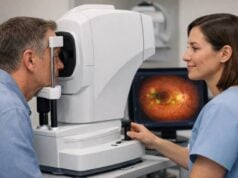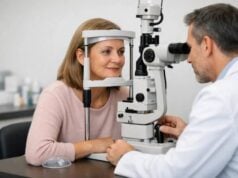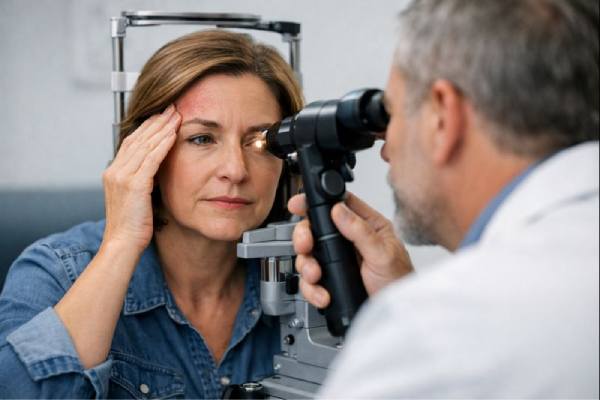
Shingles in the eye—often called herpes zoster ophthalmicus—can look deceptively simple at first: a tingling forehead, an irritated eye, a patch of redness. But when the varicella-zoster virus reactivates along the nerve that supplies the eye and eyelids, the stakes rise quickly. Early recognition matters because antiviral treatment works best when started promptly, and timely eye care can prevent complications that affect vision and comfort for months. This article explains what “shingles in the eye” truly means, which early symptoms deserve urgent attention, and why certain patterns—like one-sided facial pain with a blistering rash—should never be ignored. You will also learn what to do next, what clinicians typically evaluate, and how follow-up protects your cornea, eye pressure, and long-term visual clarity. The goal is clarity without alarm: practical guidance grounded in how this condition behaves in real people.
Essential Insights
- Starting antiviral treatment as early as possible—ideally within 72 hours of rash onset—can reduce severity and lower the risk of eye complications.
- A one-sided forehead or eyelid rash, especially with eye pain, light sensitivity, or blurred vision, should be treated as urgent.
- Blisters on the tip or side of the nose can signal higher risk of eye involvement and warrant prompt eye evaluation.
- Avoid contact lenses and eye rubbing during a suspected episode; protect the eye surface with clean, supportive care while arranging medical assessment.
- If symptoms worsen, vision changes, or pain becomes significant, seek same-day care rather than waiting to see if it “passes.”
Table of Contents
- What Shingles in the Eye Means
- Early Symptoms and the First 72 Hours
- Complications That Threaten Vision
- When It Is Urgent and Where to Go
- Treatment: What Clinicians Typically Do
- Recovery and Reducing Future Risk
What Shingles in the Eye Means
Shingles is caused by reactivation of the varicella-zoster virus—the same virus that causes chickenpox. After chickenpox, the virus can remain dormant in nerve tissue for decades. When it reactivates, it travels along a sensory nerve to the skin, creating a painful, blistering rash in a specific distribution. When the affected nerve is the ophthalmic branch of the trigeminal nerve (the nerve that supplies sensation to the forehead, upper eyelid, and eye surface), the result is shingles in the eye region, also known as herpes zoster ophthalmicus.
A key point: “shingles in the eye” does not always mean the eyeball itself is already involved. Early on, the virus may affect the skin of the forehead or eyelid while the eye structures remain unaffected. But the proximity and shared nerve supply create a meaningful risk that the conjunctiva, cornea, or deeper eye tissues can become inflamed. That is why clinicians treat this as more than a routine rash.
Typical features include:
- One-sided symptoms. The rash and pain usually occur on one side of the face and do not cross the midline.
- Nerve-type pain. People often describe burning, stabbing, or deep aching pain, sometimes before any visible rash.
- A predictable zone. The forehead and upper eyelid are common locations. Scalp tenderness can be prominent.
- Systemic discomfort. Fatigue, headache, and a “flu-like” feeling can appear, especially early.
Why it happens is not always obvious. Reactivation is more common with age and with conditions or treatments that affect immune function. Stress and illness are often blamed, but the biology is multifactorial. Importantly, you do not need to “do something wrong” for shingles to occur.
Another practical distinction: shingles around the eye can mimic other problems. A swollen eyelid can resemble a stye. Redness can resemble conjunctivitis. Facial pain can resemble sinus pressure or migraine. The combination of one-sided nerve pain, evolving rash, and eye discomfort is the pattern that should raise suspicion.
Because complications can involve the cornea and internal eye inflammation, a careful evaluation is not simply reassuring—it is preventive. The goal is to identify risk early, start time-sensitive therapy, and monitor for complications that may develop days to weeks later even if the skin rash improves.
Early Symptoms and the First 72 Hours
The early phase of shingles in the eye region can feel confusing because symptoms often begin before the rash becomes obvious. Many people first notice unusual skin sensitivity: brushing hair hurts, a pillow feels sharp, or touching the forehead feels oddly painful. This “pre-eruptive” phase can last from hours to several days. During that time, the eye may already feel irritated or light-sensitive even though the skin looks normal.
Common early symptoms include:
- Tingling, burning, or stabbing pain on one side of the forehead, scalp, or around the eye
- Headache that feels localized to one side
- Sensitivity to touch (even gentle contact feels painful)
- Watery eye, redness, or gritty sensation
- Light sensitivity that is new or worsening
- Swollen eyelid or a heavy feeling in the upper lid
When the rash arrives, it typically starts as red patches that quickly develop into fluid-filled blisters. Over several days, blisters can crust over. In the eye region, blisters may appear on the forehead, upper eyelid, eyebrow area, and sometimes the side of the nose.
A particularly important clue is blisters on the nose (tip, side, or bridge). This pattern can suggest involvement of a nerve branch that also supplies parts of the eye, and it is associated with a higher likelihood of ocular complications. It is not a guarantee of eye disease, but it raises the urgency for an eye assessment.
Why “the first 72 hours” gets emphasized: antiviral medications are most effective when started early, ideally within about three days of rash onset. Early treatment can reduce viral replication, shorten the course, and lower the risk of certain complications. If you suspect shingles around the eye, it is reasonable to treat the situation as time-sensitive rather than waiting for the rash to fully declare itself.
Not every case begins dramatically. Some start with mild eyelid irritation and a small patch of rash. The risk is that a mild start can lead to delayed care. Consider prompt evaluation if you have:
- One-sided facial or forehead pain plus evolving redness or blisters
- Any new eye pain, light sensitivity, or blurred vision with a one-sided rash
- A swollen eyelid that feels painful rather than simply puffy
- A history of immune suppression or recent high-dose steroid use
Finally, avoid relying on “watery eyes means it is fine.” Excess tearing can happen when the cornea is irritated, and corneal involvement is one of the key threats to vision. Early symptoms are your window to act before deeper inflammation develops.
Complications That Threaten Vision
Shingles in the eye region is taken seriously because inflammation can involve structures that are essential for clear vision and comfortable eye function. Some complications develop early—within days—while others appear weeks later, even when the rash seems to be healing. Understanding the main categories helps you recognize why follow-up matters.
Surface complications: conjunctiva and cornea
The conjunctiva (the clear tissue over the white of the eye) can become inflamed, causing redness, watering, and discomfort. More concerning is corneal involvement, because the cornea is the clear window at the front of the eye. Corneal disease may present as:
- Foreign-body sensation, burning, or sharp pain
- Light sensitivity
- Blurred or fluctuating vision
- A feeling that the eye cannot tolerate wind or bright light
Corneal involvement can progress through stages, and sensation can be altered. Some people paradoxically feel less pain if corneal nerves are damaged, even while the cornea remains at risk. This is one reason clinicians do not judge severity by pain alone.
Internal eye inflammation: uveitis and eye pressure changes
Shingles can trigger uveitis (inflammation inside the eye), which can cause light sensitivity, pain, redness, and blurred vision. Uveitis can also raise intraocular pressure, increasing the risk of glaucoma-like damage if not recognized and managed. Eye pressure problems may be silent, so measurement during follow-up is not optional in higher-risk cases.
Retina and optic nerve involvement
In some cases—more often in people who are immunocompromised—the virus can affect the retina or optic nerve, leading to serious vision loss. Warning signs may include sudden vision changes, missing areas in vision, severe pain with eye movement, or profound light sensitivity. These scenarios require urgent ophthalmic evaluation.
Postherpetic neuralgia and chronic discomfort
Even after the skin heals, nerve pain can persist as postherpetic neuralgia, described as burning, electric shocks, or deep aching. Around the eye and forehead, this can be particularly distressing because it affects sleep, concentration, and daily comfort. Early antiviral treatment may reduce the overall burden, but persistent pain can still occur and may require targeted pain management.
Secondary infection and scarring
Skin blisters around the eye can become secondarily infected if scratched or rubbed. Eyelid skin is delicate, and scarring can contribute to lid margin changes that worsen dryness and irritation.
The practical message is not that severe complications are inevitable—many people recover well with timely treatment—but that the eye’s structures are too important to “watch and wait” when shingles is suspected in this region. The best outcomes come from early therapy plus planned monitoring for corneal involvement, internal inflammation, and eye pressure changes over time.
When It Is Urgent and Where to Go
Because shingles near the eye sits at the boundary between primary care and ophthalmology, people often hesitate: should you go to urgent care, contact your regular clinician, or seek an eye specialist directly? A practical rule is to match the setting to the risk. When vision or the cornea might be involved, earlier and more specialized evaluation is safer.
Seek same-day care if any eye symptoms are present
If you have a one-sided forehead or eyelid rash and any of the following, treat it as urgent:
- Eye pain (beyond mild irritation)
- New or worsening light sensitivity
- Blurred vision, haze, or trouble focusing
- Marked redness in one eye
- Difficulty keeping the eye open due to discomfort
- Contact lens use with redness or pain
Same-day care may be through an emergency department with ophthalmology coverage, an urgent eye clinic, or an urgent care center that can coordinate rapid ophthalmology referral. If you have access to an ophthalmologist quickly, that is often the most direct route.
Red flags that should not wait overnight
Seek immediate evaluation—especially if you are immunocompromised—if you notice:
- Sudden vision loss or a “curtain” effect
- Severe headache with fever, confusion, or neck stiffness
- New double vision, drooping eyelid, or facial weakness
- Severe swelling around the eye with inability to open the eyelid
- A white spot on the cornea or intense light sensitivity
These signs can indicate deeper involvement or alternative diagnoses that require urgent treatment.
What you can do while arranging care
Supportive steps can reduce irritation without interfering with evaluation:
- Avoid contact lenses until cleared by a clinician.
- Do not rub the eye. Use gentle cooling measures instead.
- Use clean, cool compresses on the closed eyelid for comfort if swelling and burning are prominent.
- Keep the rash clean and dry and wash hands frequently to avoid spreading virus to others or to other skin areas.
- Avoid sharing towels, pillowcases, and eye makeup. Do not use eye makeup during an active episode.
Contagiousness in practical terms
Shingles itself is not spread as “shingles” from person to person. However, the virus in fluid from blisters can cause chickenpox in someone who is not immune. The highest risk is direct contact with blister fluid. Keeping the rash covered when possible and practicing careful hand hygiene reduces transmission risk.
If the rash is present but the eye feels fine
Even without eye discomfort, shingles on the forehead or eyelid can still pose risk. Many clinicians recommend prompt evaluation and treatment because eye disease can develop after the skin findings. If blisters involve the nose or the eyelid margin, an eye assessment becomes especially important.
When in doubt, err toward earlier care. The cost of being evaluated and told “your eye looks okay today” is usually far smaller than the cost of delayed treatment when the cornea or internal eye becomes inflamed.
Treatment: What Clinicians Typically Do
Treatment for shingles in the eye region usually has two goals: stop viral replication early and prevent or control inflammation that threatens ocular structures. Most treatment plans combine systemic antiviral medication with symptom control, and they escalate based on whether the eye itself is involved.
Antiviral therapy: the time-sensitive cornerstone
Systemic antivirals (taken by mouth, or intravenously in severe cases) are typically started as soon as shingles is suspected near the eye, ideally within about 72 hours of rash onset. Even if you are slightly beyond that window, clinicians may still treat, especially when new lesions are appearing or eye involvement is suspected. The specific antiviral and dose depend on age, kidney function, immune status, and medication interactions.
What to expect with antivirals:
- Reduced viral replication and shorter lesion formation period
- Lower risk of some ocular complications when started early
- Need for hydration and kidney-function awareness in certain patients
Eye-directed treatment depends on exam findings
If the conjunctiva or cornea is involved, clinicians may add treatments such as:
- Lubrication to protect the ocular surface
- Medications to reduce inflammation when internal eye structures are inflamed
- Treatments to manage elevated eye pressure if it occurs
It is important not to self-start leftover steroid eye drops. Steroid drops can be helpful in specific scenarios under supervision, but they can worsen certain infections or raise eye pressure if used incorrectly.
Pain control matters for recovery
Shingles pain is not just “skin pain.” It is nerve pain, and it can be intense. Clinicians may recommend a stepped approach that can include:
- Anti-inflammatory pain relief when appropriate
- Nerve pain medications when pain is severe or persistent
- Sleep-support strategies, because poor sleep can worsen pain perception
Early pain control is not only about comfort; it can help maintain hydration, nutrition, and rest, which support recovery.
When hospitalization or intravenous therapy is considered
People with significant immune suppression, severe eye involvement, suspected retinal disease, or neurologic complications may require intravenous antivirals and closer monitoring. This is less common in immunocompetent patients, but it is an important safety pathway when risk is high.
Follow-up is part of treatment, not an optional add-on
Shingles-related eye inflammation can evolve over time. A person may have a skin rash today and develop corneal involvement later, or uveitis weeks after the initial episode. Follow-up visits allow clinicians to:
- Recheck corneal surface integrity
- Monitor for internal inflammation
- Measure eye pressure
- Adjust medications safely
A helpful mindset is to view shingles in the eye region as an episode with phases: early viral control, then inflammation monitoring, then recovery and risk reduction. Treatment is most effective when it acknowledges all three.
Recovery and Reducing Future Risk
Recovery from shingles in the eye region varies widely. Some people heal with minimal residual symptoms. Others experience weeks of light sensitivity, dryness, or nerve pain even after the rash resolves. Knowing what a typical timeline can look like helps set expectations and highlights when persistent symptoms deserve reevaluation.
Typical healing milestones
Many people notice:
- First week: new blisters form, pain peaks, eyelid swelling and tearing may increase
- Weeks two to four: blisters crust and heal; redness and discomfort often lessen
- One to three months: nerve sensitivity and residual discomfort gradually improve, though some symptoms can persist longer
If the cornea or internal eye was involved, recovery may be slower and follow-up more frequent.
Protecting the ocular surface during recovery
Even after the rash improves, the eye surface can remain vulnerable. Practical recovery habits include:
- Using clinician-recommended lubrication if dryness, burning, or grittiness persists
- Avoiding contact lenses until the eye surface is stable and you are cleared
- Wearing sunglasses outdoors if light sensitivity lingers
- Being cautious with eye makeup until the eyelid skin is fully healed
If you notice increasing redness, renewed light sensitivity, or worsening blur after an initial improvement, contact your clinician promptly. Late inflammation is a known pattern in this condition.
Postherpetic neuralgia: what persistence can mean
Persistent pain after the rash resolves is not a character flaw or “low pain tolerance.” It reflects nerve irritation and, in some cases, nerve injury. Earlier antiviral treatment can improve overall outcomes, but some people still develop prolonged pain. If pain persists beyond a few weeks or interferes with sleep and daily function, ask about targeted pain strategies rather than repeatedly “pushing through.”
Reducing recurrence and preventing shingles
Vaccination is the main strategy to reduce shingles risk in adults who are eligible. It does not treat an active episode, but it can reduce the likelihood of future shingles and related complications. Clinicians typically advise waiting until the acute episode has resolved before vaccination, and the best timing can vary based on age, immune status, and medical history.
Risk reduction also includes reviewing immune-modifying medications with your healthcare team when relevant, optimizing general health, and treating chronic eye surface issues that can make recovery less comfortable.
Long-term monitoring after eye involvement
If you had corneal disease, uveitis, or eye pressure changes during the episode, your clinician may recommend periodic monitoring even after symptoms improve. This is not meant to alarm you; it is meant to prevent quiet problems—like pressure elevation or recurrent inflammation—from affecting vision later.
The best recovery outcomes usually come from three decisions made early: treating promptly, protecting the eye surface, and showing up for follow-up even when you start feeling better. That combination reduces both immediate risk and longer-term frustration.
References
- Herpes Zoster Ophthalmicus: Presentation, Complications, Treatment, and Prevention 2024 (Review)
- Herpes zoster in neuro-ophthalmology: a practical approach 2024 (Clinical Review)
- Herpes Zoster Ophthalmicus – StatPearls – NCBI Bookshelf 2023 (Clinical Reference)
- Use of Recombinant Zoster Vaccine in Immunocompromised Adults Aged ≥19 Years: Recommendations of the Advisory Committee on Immunization Practices — United States, 2022 2022 (Guideline)
- Low-Dose Valacyclovir in Herpes Zoster Ophthalmicus: The Zoster Eye Disease Randomized Clinical Trial 2025 (RCT)
Disclaimer
This article is for educational purposes only and does not replace medical advice, diagnosis, or treatment from a qualified clinician. Shingles near the eye can threaten vision and may require urgent evaluation and prescription therapy. Seek same-day care for eye pain, new or worsening light sensitivity, vision changes, significant swelling around the eye, or symptoms that rapidly worsen—especially if you wear contact lenses or have a weakened immune system. Always follow the guidance of your healthcare professional for medication choices, dosing, and follow-up.
If you found this article useful, please consider sharing it on Facebook, X (formerly Twitter), or any platform you prefer.