Sichuan pepper is one of those ingredients that quietly shapes a whole cuisine. Behind its tiny, wrinkled husks lies a bright citrus aroma and the famous tingling, numbing sensation that defines many dishes from western China. Unlike black pepper or chilies, Sichuan pepper comes from the prickly ash tree and belongs to a different plant family altogether. It is used in whole, cracked, and ground forms, and increasingly in infused oils, spice rubs, and snack seasonings worldwide.
Beyond flavor, Sichuan pepper contains aromatic essential oils, unique compounds called sanshools that interact with touch and pain nerves, and a range of polyphenols and flavonoids. Together, these components give it antioxidant and other potential health effects that are attracting scientific interest. At the same time, it is generally used in small culinary quantities, so understanding realistic benefits, sensible portions, and safety considerations is key. This guide brings those aspects together in a clear, practical way for everyday cooking and informed use.
Fast Facts
- Sichuan pepper provides a citrusy, numbing flavor along with small amounts of antioxidants and bioactive plant compounds.
- A practical culinary serving is around 1–2 g (about 1 teaspoon whole husks) per person, used a few times per week for most healthy adults.
- Large amounts may irritate the mouth or digestive tract and can aggravate reflux or sensitive stomachs in some people.
- People with spice or citrus-related allergies, chronic heartburn, or taking blood thinners should be cautious with concentrated extracts or heavy use.
Table of Contents
- Sichuan Pepper Origins and Uses
- Sichuan Pepper Nutrients and Actives
- Evidence Based Benefits of Sichuan Pepper
- Safety Allergies and Interactions
- Selecting Quality and Storing Sichuan Pepper
- Cooking Sichuan Pepper and Nutrients
- Portions Comparisons and Sichuan FAQs
Sichuan Pepper Origins and Uses
Sichuan pepper refers to the dried husks (pericarps) of small fruits from trees in the Zanthoxylum genus, particularly Zanthoxylum bungeanum and Zanthoxylum armatum. These thorny shrubs belong to the citrus family rather than the true pepper family, which helps explain their bright, lemony fragrance. In Chinese culinary and medicinal traditions, Sichuan pepper has been valued for centuries as a flavoring and as a warming, digestive-supportive herb.
In many English texts you will see several spellings and names: Sichuan pepper, Szechuan pepper, Chinese prickly ash, or simply “hua jiao.” Red varieties are often more numbing and aromatic, while green types tend to be more citrusy and piercing. Regional cultivars are carefully selected for their balance of volatile oils, sanshools, and color, since these factors drive commercial quality and price.
The husks, not the seeds, are the key culinary part. Once the tiny, gritty seeds fall out, the dried shells are cleaned, sometimes lightly roasted, and sold whole or cracked. Ground Sichuan pepper is convenient but loses aroma more quickly, which is why many cooks toast and grind it just before use. The spice appears in classic dishes like mapo tofu, Chongqing chicken, and hot pot broths, and in the famous “mala” flavor profile where it partners with dried chilies.
Today, Sichuan pepper is also used in:
- Chili oils and hot pot soup bases
- Dry rubs for grilled meats and seafood
- Seasoning for snack foods such as nuts, chips, and instant noodles
- Infused oils and sauces in fusion or modern restaurant menus
- Herbal-style blends for digestive tonics in traditional practices
Outside China, producers cultivate Zanthoxylum species in other Asian countries and in select regions of Europe and North America. Climate and soil conditions alter the ratio of volatile oil to non-volatile numbing compounds and thus the overall sensory profile, so origin can influence flavor and intensity.
For everyday cooking, it is helpful to remember three core roles of Sichuan pepper: it perfumes dishes with a floral, lemony aroma; it creates a tingling, buzzing sensation; and it can lighten the perception of heavy, oily, or very spicy foods, making rich meals feel more balanced.
Sichuan Pepper Nutrients and Actives
Sichuan pepper is used in small quantities, so it is not a major source of macronutrients. However, understanding its nutritional and phytochemical profile helps explain both its culinary power and its potential health effects.
Commercial nutrition panels for dried whole Sichuan pepper generally report, per 100 g, roughly a couple of hundred kilocalories, around 10 g protein, a few grams of fat, and a large contribution from carbohydrates, with modest fiber and very little sugar. In practice, a cooking portion is closer to 1–2 g, so the macronutrient contribution per serving is small.
More interesting are the micronutrients and plant compounds:
- Minerals: Small amounts of potassium, calcium, iron, and trace minerals appear in analyses, though levels vary by soil and cultivar.
- Aromatic essential oils: These are concentrated in the pericarp and include monoterpenes such as linalool, sabinene, β-phellandrene, and terpinen-4-ol. They drive much of the characteristic aroma and contribute to antioxidant activity.
- Sanshools and related alkylamides: Hydroxy-α-sanshool is the best-known example. These amide compounds are largely responsible for the tingling, numbing sensation and interact with nerve cell ion channels rather than heat receptors.
- Polyphenols and flavonoids: Numerous flavonoids, phenolic acids, lignans, and other antioxidant molecules have been identified in Zanthoxylum fruits, leaves, and bark, contributing to their overall bioactivity.
The tingling sensation of Sichuan pepper works through a different pathway than the burning heat of chili peppers. Capsaicin in chilies activates heat-sensitive channels, which signal noxious heat. Sanshools instead influence specific potassium channels in sensory neurons, changing nerve excitability and triggering the distinctive buzzing or electric-feeling tingling many people enjoy.
From a culinary standpoint, this matters because the tingling and mild pain signals can interact with how we perceive texture, temperature, and saltiness. Some diners feel that Sichuan pepper makes fizzy drinks or carbonated beer feel more intense; others notice that it softens the perception of chili heat. These effects come from the way the spice briefly alters touch and pain signaling on the tongue and lips, not from tissue damage.
In terms of shelf stability, most nutrients in Sichuan pepper are relatively stable when dried properly, but volatile oils and some polyphenols slowly degrade with heat, light, and oxygen. That is one reason why fresh, well-stored peppercorns smell vivid and complex, whereas old stock can taste flat, woody, or simply numbing without much aroma.
Evidence Based Benefits of Sichuan Pepper
Sichuan pepper has a long record of traditional use for digestive comfort, pain relief, and general warming effects. Modern research is beginning to explore how its components might contribute to health, although much of the current evidence comes from cell and animal studies rather than large human trials.
Antioxidant and antimicrobial activity
Essential oils and solvent extracts from Sichuan pepper show meaningful antioxidant capacity in laboratory assays, often linked to their content of monoterpenes and phenolic compounds. Extracts and oils have also demonstrated antibacterial activity against various organisms under experimental conditions. Practically, this does not mean Sichuan pepper replaces food preservatives or antibiotics, but it does support its role as part of a diet rich in herbs and spices with diverse antioxidant profiles.
Potential anti-inflammatory and analgesic properties
Several Zanthoxylum species contain compounds with anti-inflammatory and pain-modulating activity in preclinical models. Extracts have been shown to influence inflammatory signaling pathways and reduce indicators of inflammation and pain in animals. Sanshools themselves, by modulating potassium channels in sensory neurons, appear to alter how pain and touch are perceived, which aligns with the traditional use of related plants as “toothache trees.”
For everyday use, the relevant takeaway is modest: small culinary amounts are unlikely to provide strong analgesic effects, but regular inclusion in meals may contribute incrementally to an overall anti-inflammatory dietary pattern, especially when combined with other herbs and spices.
Support for digestive function and circulation (experimental)
Traditional texts and modern reviews both describe uses of Zanthoxylum fruits for abdominal discomfort, diarrhea, and circulatory issues. Contemporary work has explored effects on gut smooth muscle, motility, and vascular tone in experimental systems, suggesting that certain extracts may influence gastrointestinal movement and blood flow. Human data remain limited, and doses used in these studies often exceed typical culinary amounts.
Metabolic and cellular protective effects (early-stage research)
Some laboratory studies suggest that Sichuan pepper extracts may help protect cells against oxidative stress and may affect glucose and lipid metabolism in experimental models. These findings are intriguing but preliminary. There is not yet strong clinical evidence to recommend Sichuan pepper as a targeted intervention for blood sugar or cholesterol management.
Overall, the health story of Sichuan pepper today is best framed as:
- a richly flavored spice with numbing and aromatic qualities that can help make plant-forward meals more appealing,
- a source of diverse plant compounds with antioxidant and potential signaling effects,
- and a candidate for future research into pain modulation, inflammation, and metabolic support.
For now, its most reliable “benefits” are culinary: encouraging variety, enjoyment, and satisfaction with dishes built on vegetables, legumes, and whole grains.
Safety Allergies and Interactions
For most people, culinary use of Sichuan pepper in normal food amounts is considered safe. The spice has been used in large populations over many generations, and reviews of Zanthoxylum species generally classify them as having low toxicity when used appropriately.
Still, there are several safety angles worth understanding.
Mouth and digestive irritation
The numbing and tingling sensation is usually temporary and benign, but some individuals experience:
- strong, prolonged tingling that they find uncomfortable,
- increased sensitivity when combined with very hot chilies or alcohol,
- or mild irritation of the lips, tongue, or stomach when consuming large quantities.
If you notice burning, swelling, or persistent discomfort, it is wise to reduce or avoid the spice and monitor whether symptoms resolve.
Allergic reactions and intolerances
Documented allergies to Sichuan pepper are uncommon, but any spice can act as a potential allergen. Possible signs include:
- itching or swelling in the mouth, lips, or throat,
- rash or hives after exposure,
- wheezing, tight chest, or difficulty breathing in more serious cases.
People with a history of spice allergies, especially to plants in the citrus family, should introduce Sichuan pepper carefully and consider consulting an allergy professional before heavy use.
Interactions and special populations
Extracts from Zanthoxylum species can influence blood vessels, inflammatory pathways, and possibly platelet function in experimental systems, so there is theoretical potential for interaction with medications that affect circulation or clotting at higher doses. At typical seasoning levels, this concern appears minimal, but caution is reasonable in certain groups:
- Individuals taking anticoagulant or antiplatelet drugs should avoid high-dose supplements or medicinal preparations of Zanthoxylum without medical supervision.
- People with active reflux, ulcers, or very sensitive digestion may find that numbing and pungent spices worsen their symptoms.
- Those with chronic mouth conditions (ulcers, fissures, oral lichen planus) may wish to use milder amounts to avoid further irritation.
Pregnancy, breastfeeding, and children
There is little high-quality human data specifically addressing Sichuan pepper in pregnancy or breastfeeding. Traditional practice sometimes restricts large amounts of hot and numbing spices in late pregnancy, but small culinary amounts in otherwise normal meals are generally regarded as acceptable for most people without specific contraindications. Even so, those who are pregnant, planning pregnancy, or breastfeeding should avoid concentrated extracts and discuss any herbal supplements with their healthcare professional.
For children, small amounts of Sichuan pepper incorporated into family dishes are typically well tolerated, although the tingling sensation may be surprising. It is sensible to introduce it gradually and avoid strong concentrations in very young or sensitive children.
Historical import restrictions
Past restrictions on Sichuan pepper import into some countries were primarily related to agricultural disease concerns rather than human toxicity. Modern commercial supply is subject to phytosanitary and food safety standards, though quality still varies by producer.
In summary, culinary use in modest amounts is low risk for most healthy adults. When in doubt—especially if you take regular medication or live with a chronic condition—treat Sichuan pepper like any other potent spice: enjoy in cooking, but seek professional guidance before using concentrated extracts or medicinal doses.
Selecting Quality and Storing Sichuan Pepper
Good Sichuan pepper should be vivid, aromatic, and pleasantly numbing rather than harsh or dusty. Because sensory quality depends heavily on cultivar, harvest timing, and storage, it pays to be selective.
Choosing between red and green varieties
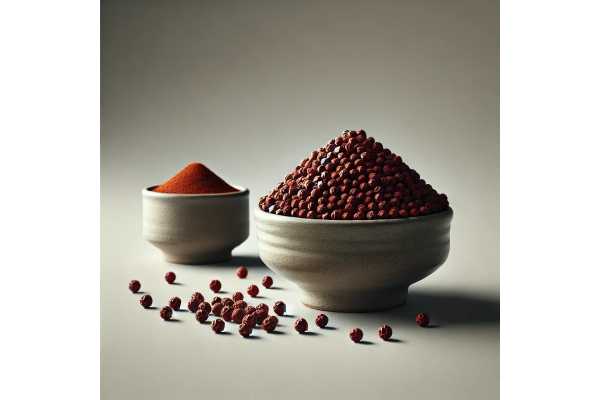
- Red Sichuan pepper: Husks are brick red to deep burgundy, with a warmer, slightly woody, intensely numbing profile.
- Green Sichuan pepper: Husks are bright green when dried correctly, with piercing citrus, piney notes, and a somewhat sharper numbing effect.
Both can be excellent; the choice largely depends on the dishes you cook. Green types pair well with lighter seafood and vegetables, while red types are classic in hot pots, braises, and chili oils. Different cultivars and species show distinct ratios of volatile oil to numbing non-volatile components, which underlies these sensory differences.
Visual and aromatic cues of freshness
When buying whole peppercorn husks:
- Look for vibrant color (deep red or clean green) rather than dull brown or gray.
- Husks should be fairly intact, with relatively few black seeds left inside. The seeds add grit but not much flavor.
- Aroma should be bright and lively when you crush a husk between your fingers. Stale product smells flat, woody, or slightly musty.
- Avoid packages with visible moisture, clumping, or signs of insect damage.
Single-origin or named-cultivar products can offer more consistent quality, but even generic Sichuan pepper can be excellent when fresh and well-handled.
Storage for optimal quality
Sichuan pepper’s sensory quality depends strongly on its volatile oils, which are sensitive to heat, light, and oxygen. To preserve flavor:
- Store whole husks in an airtight container away from light, heat, and humidity.
- Keep them in a cool cupboard or pantry; refrigeration is optional but can extend life in hot climates if the container is truly airtight.
- Avoid storing near the stove, dishwasher vent, or sunny windowsill.
- Only grind what you need for a short period, such as a week or two at a time.
Under good conditions, whole Sichuan pepper can retain acceptable quality for a year or more, but aroma is usually best in the first year after processing.
Sustainability and sourcing
Zanthoxylum trees can help prevent erosion and provide economic value in mountainous regions. Producers are exploring cultivation zones and practices that balance yield, quality, and ecological conditions, supporting more sustainable production. From a consumer perspective:
- Prefer reputable brands that provide harvest or best-by dates.
- Consider producers who share information about origin and handling.
- Buy smaller quantities more often, rather than large bags that will sit for years.
Thoughtful sourcing and storage not only improve flavor but also help reduce waste and support growers who invest in quality.
Cooking Sichuan Pepper and Nutrients
Sichuan pepper is versatile in the kitchen, but it behaves differently from other spices. Understanding how heat affects its aroma, numbing strength, and bioactive compounds will help you use it confidently.
Toasting: unlocking aroma without burning
Dry toasting whole husks briefly in a pan is one of the best ways to amplify their fragrance. Gentle heat drives off surface moisture and activates essential oils, releasing strong citrus and floral notes. However, excessive heat or prolonged toasting can:
- scorch the husks, producing bitterness,
- degrade volatile oils, flattening the aroma,
- and reduce the complexity of the spice, leaving mostly numbing without much flavor.
As a rule of thumb, toast whole husks over medium-low heat for one to two minutes, shaking the pan constantly, until just fragrant. Immediately transfer to a cool plate to stop the cooking, then grind if desired.
Grinding and blooming in oil
Freshly ground Sichuan pepper is more aromatic than pre-ground versions. Once ground, its surface area increases dramatically, accelerating the loss of essential oils and potential oxidation of sensitive components.
Practical strategies include:
- Grinding small batches and using them within a couple of weeks.
- Blooming the ground spice briefly in warm oil to disperse volatile compounds and sanshools, then adding other ingredients.
- Avoiding frying the powder on very high heat for long periods, which can drive off aroma and create bitterness.
Infused chili oils and “mala” sauces often rely on carefully controlled temperatures to extract flavor from both chilies and Sichuan pepper while minimizing burning.
Timing in wet dishes
In braises, stews, and hot pots, Sichuan pepper is usually added as:
- whole husks early on, to infuse the broth with subtle aroma and base-level tingling,
- or ground powder toward the end or as a finishing sprinkle, to preserve high notes and a sharper numbing effect.
Because sanshools and many aromatic compounds are moderately heat-stable but still degrade over very long cooking, a split approach—some early, some late—often yields the best balance.
Nutrient and bioactive retention
Most of the nutritional value relevant at culinary doses is tied to essential oils and polyphenols. Extended high-temperature exposure and repeated reheating can reduce total volatile oils, alter monoterpene composition, and modestly decrease antioxidant capacity over time. For home cooks, this translates to moderate rather than aggressive heating and favoring fresh preparation over repeated reheating.
Creative applications beyond traditional dishes
Once you are comfortable with the basics, Sichuan pepper can move far beyond stir-fries:
- Sprinkle finely ground husks over roasted vegetables or grilled mushrooms.
- Incorporate into dry rubs for chicken, lamb, or tofu.
- Add a pinch to dark chocolate desserts, citrus sorbets, or fruit compotes for a surprising twist.
- Blend into mayonnaise, yogurt sauces, or vinaigrettes for cold dishes, where its tingling effect can be especially noticeable.
Used thoughtfully, Sichuan pepper becomes both a flavor tool and a subtle textural experience on the palate, without requiring large amounts that might raise safety concerns.
Portions Comparisons and Sichuan FAQs
Because Sichuan pepper is potent, the question is less “How much can I safely eat?” and more “How much gives good flavor without overwhelming my senses or stomach?”
Practical portion guidance
There are no official dietary reference intakes for Sichuan pepper. For generally healthy adults, a sensible culinary range is:
- About 1–2 g whole husks per person in a dish (roughly 1 teaspoon of husks, before grinding).
- Up to 3–4 g in heavily seasoned shared dishes, like hot pots, when spread across several diners.
- Occasional higher intakes in festive meals are unlikely to cause harm for most people, provided no discomfort occurs.
For daily use, many people feel comfortable with Sichuan pepper appearing in meals a few times per week. As with any intense spice, it is wise to increase amounts gradually and pay attention to how your body responds.
Comparisons with other spicy ingredients
- Versus black pepper: Sichuan pepper is more citrusy and numbing but less “peppery” in the traditional sense. Black pepper relies on piperine for its sharp heat, whereas Sichuan pepper’s sensation is more buzzing and tingling.
- Versus chili peppers: Chili heat can cause a strong burning sensation and, in large amounts, digestive upset. Sichuan pepper’s numbing is different and often perceived as less painful, although it can still be intense.
- Versus Japanese sansho or other Zanthoxylum spices: These relatives share sanshools and certain aroma compounds, but each species and cultivar has its own balance of citrus, herbal, and numbing notes.
Using smaller amounts of several different spices often creates more complex flavor with less risk of overloading any one pathway of irritation.
Who might need stricter limits?
Stricter moderation, or medical advice before frequent use, is particularly sensible for:
- People with known spice or citrus allergies.
- Individuals with active ulcers, severe reflux, or inflammatory bowel conditions.
- Those taking anticoagulant or antiplatelet drugs, if considering concentrated extracts.
- Pregnant or breastfeeding individuals planning to use herbal doses rather than normal cooking amounts.
For these groups, sticking to occasional, modest culinary use—if at all—is usually the safer option until a healthcare professional advises otherwise.
Frequently asked questions
Is Sichuan pepper healthy or just a flavoring?
At normal cooking amounts, it is best seen as a flavoring that happens to carry antioxidant and potentially beneficial plant compounds. It can support a flavorful, plant-forward diet but is not a single “superfood” solution.
Does the numbing effect mean something is wrong?
The tingling and temporary numbness are expected. They arise from sanshools interacting with specific nerve channels, not from burning or tissue damage. If the sensation is painful or lasts unusually long, reduce the amount you use.
Can I use Sichuan pepper if I dislike very spicy food?
Yes. Many people who avoid chili heat still enjoy moderate amounts of Sichuan pepper, especially when it is paired with milder ingredients and not combined with large quantities of chili.
Is ground Sichuan pepper as good as whole?
Freshly ground from whole husks is usually superior. Pre-ground product can be convenient but often loses high notes quickly and may taste dusty if old.
Can I get benefits by taking Sichuan pepper capsules?
Supplements and extracts vary widely in composition and dose. Because safety and interactions at higher doses are not well established, it is safer to obtain Sichuan pepper as part of normal food unless a qualified professional recommends otherwise.
References
- Zanthoxylum bungeanum Maxim. (Rutaceae): A Systematic Review of Its Traditional Uses, Botany, Phytochemistry, Pharmacology, Pharmacokinetics, and Toxicology 2017 (Systematic Review)
- Zanthoxylum Species: A Comprehensive Review of Traditional Uses, Phytochemistry, Pharmacological and Nutraceutical Applications 2021 (Systematic Review)
- Pungent Agents from Szechuan Peppers Excite Sensory Neurons by Inhibiting Two-Pore Potassium Channels 2008 (Mechanistic Study)
- The Chemical and Genetic Characteristics of Szechuan Pepper (Zanthoxylum bungeanum and Z. armatum) Cultivars and Their Suitable Habitat 2016 (Original Research)
- Product Specification: Szechuan Pepper Whole 2023 (Technical Datasheet)
Disclaimer
The information in this article is intended for general educational purposes only and does not replace individual medical advice, diagnosis, or treatment. Sichuan pepper and other herbs or spices can affect people differently, especially in the presence of allergies, chronic health conditions, pregnancy, breastfeeding, or regular medications. Always consult a qualified healthcare professional before making significant changes to your diet, using herbal products for therapeutic purposes, or if you have any questions about how this information applies to your personal health situation.
If you found this guide helpful, you are warmly invited to share it with others on Facebook, X (formerly Twitter), or any platform you prefer. Thoughtful sharing helps more readers access reliable information and supports the continued creation of detailed, evidence-informed nutrition and food articles.